World Geography
Geography is the study of the Earth’s landscapes, environments, and the relationships between people and their surroundings. It encompasses both the physical aspects of the Earth, such as its landforms, bodies of water, and climate, as well as the human aspects, including population distribution, cultures, and economies. World geography is a broad field that seeks to understand the complexities of our planet and how humans interact with it. By studying world geography, we can gain a deeper appreciation for the diversity of our planet and the interconnectedness of its various regions.
Geography is a multidisciplinary field that draws on elements of physical science, social science, and humanities. It involves the use of maps, spatial analysis, and geographic information systems (GIS) to understand the Earth’s surface and the processes that shape it. World geography also encompasses the study of human geography, which examines the ways in which people and their activities are distributed across the Earth. By understanding world geography, we can better appreciate the environmental, cultural, and economic challenges facing different regions of the world. This knowledge is crucial for addressing global issues such as climate change, resource management, and international development.
The Five Oceans and Seven Continents
The Earth’s surface is divided into five major oceans: the Pacific, Atlantic, Indian, Southern (or Antarctic), and Arctic Oceans. These vast bodies of water play a crucial role in regulating the Earth’s climate and supporting diverse marine ecosystems. The oceans also serve as important transportation routes and a source of food and other natural resources for human societies around the world.
In addition to the oceans, the Earth’s landmasses are divided into seven continents: Africa, Antarctica, Asia, Europe, North America, Australia (or Oceania), and South America. Each continent has its own unique physical and cultural characteristics, shaped by millions of years of geological processes and human history. From the deserts of Africa to the rainforests of South America, the continents offer a rich tapestry of landscapes and environments for exploration and study.
Major Mountain Ranges and Deserts
The Earth’s surface is also marked by major mountain ranges and deserts that have shaped the planet’s physical and cultural landscapes. The Himalayas, for example, are the highest mountain range in the world and are home to diverse ecosystems and cultures in countries such as India, Nepal, and Bhutan. The Andes in South America, the Rockies in North America, and the Alps in Europe are other prominent mountain ranges that have influenced human settlement patterns and economic activities.
Deserts cover about one-third of the Earth’s land surface and are characterized by low precipitation and extreme temperatures. The Sahara Desert in Africa is the largest hot desert in the world, while the Gobi Desert in Asia is one of the largest cold deserts. Deserts are not only home to unique flora and fauna but have also been important trade routes and cultural crossroads throughout history.
Climate Zones and Biomes
The Earth’s climate is influenced by a variety of factors, including latitude, altitude, ocean currents, and prevailing winds. As a result, the planet is divided into different climate zones, each with its own characteristic weather patterns and ecosystems. The equator, for example, experiences a tropical climate with high temperatures and heavy rainfall, while the polar regions have a cold and dry climate.
These climate zones give rise to different biomes, or large ecological areas characterized by distinct plant and animal communities. The tropical rainforest biome, found near the equator, is home to a diverse array of species and is vital for regulating the Earth’s climate. The grasslands biome, found in regions such as the African savannah and North American prairies, supports grazing animals and has been important for human agriculture throughout history.
Human Geography and Population Distribution
Human geography examines the ways in which people and their activities are distributed across the Earth’s surface. It encompasses topics such as population growth, migration patterns, urbanization, and cultural diversity. Understanding human geography is crucial for addressing global challenges such as poverty, inequality, and environmental degradation.
Population distribution is uneven across the world, with some regions experiencing rapid population growth while others are declining. The majority of the world’s population lives in Asia, particularly in countries such as China and India. Urban areas are also growing rapidly, with more than half of the world’s population now living in cities. This trend has significant implications for infrastructure development, resource management, and social inequality.
Historical and Cultural Geography
Historical geography examines how human activities have shaped the Earth’s landscapes over time. It explores topics such as colonialism, trade routes, and the rise and fall of empires. Cultural geography focuses on how human cultures have developed in different regions of the world and how they interact with their environments.
The Silk Road, for example, was an ancient trade route that connected China with Europe and facilitated the exchange of goods, ideas, and technologies across Eurasia. This historical trade route had a profound impact on the development of cultures and economies along its path. Similarly, cultural geographers study how different societies have adapted to their environments through practices such as agriculture, architecture, and religious beliefs.
The Importance of Geographic Knowledge
Geographic knowledge is crucial for addressing global challenges such as climate change, resource management, and international development. By understanding world geography, we can better appreciate the environmental, cultural, and economic challenges facing different regions of the world. This knowledge is crucial for addressing global issues such as climate change, resource management, and international development.
Geographic knowledge also helps us to understand our interconnectedness with other regions of the world. By studying world geography, we can gain a deeper appreciation for the diversity of our planet and the interconnectedness of its various regions. This understanding can foster a sense of global citizenship and empathy for people from different cultures and backgrounds.
In conclusion, world geography is a complex and multifaceted field that encompasses both physical and human aspects of the Earth’s landscapes. By studying world geography, we can gain a deeper appreciation for the diversity of our planet and the interconnectedness of its various regions. This knowledge is crucial for addressing global challenges such as climate change, resource management, and international development. It also helps us to understand our interconnectedness with other regions of the world and fosters a sense of global citizenship.
FAQs
What is world geography?
World geography is the study of the Earth’s landscapes, environments, and the relationships between people and their environments. It encompasses the physical features of the Earth, as well as the human activity that takes place on it.
Why is world geography important?
World geography is important because it helps us understand the world around us. It provides insights into the physical and human processes that shape our planet, and helps us make informed decisions about how to interact with our environment.
What are the main branches of world geography?
The main branches of world geography include physical geography, which focuses on the Earth’s natural features and processes, and human geography, which examines the relationships between people and their environments.
How does world geography impact our daily lives?
World geography impacts our daily lives in numerous ways, from influencing the weather and climate we experience, to shaping the availability of natural resources and influencing the distribution of populations and cultures around the world.
What are some key concepts in world geography?
Key concepts in world geography include location, place, human-environment interaction, movement, and region. These concepts help geographers understand and interpret the world around them.
Uckfield – East Sussex
Uckfield is a charming town located in the Wealden district of East Sussex, England. Situated approximately 15 miles north of Brighton and 30 miles south of London, Uckfield is nestled in the heart of the East Sussex countryside. With a population of around 16,000 people, Uckfield offers a peaceful and picturesque setting for residents and visitors alike. The town’s history dates back to Roman times, and its rich cultural heritage is evident in its historic buildings and landmarks. Uckfield has managed to preserve its traditional charm while also embracing modern developments, making it an appealing destination for those seeking a blend of history and contemporary living. Summary Uckfield is a historic town located in East Sussex. The town has a rich history dating back to Roman times and offers beautiful countryside and nature reserves to explore. Uckfield has a vibrant arts and culture scene with museums, galleries, and theatres. Shopping and dining in Uckfield is unique with a variety of boutiques and delicious restaurants. Uckfield celebrates its heritage and culture through local events and festivals. The Rich History of Uckfield: From Roman Times to Present Day Uckfield’s history can be traced back to Roman times when it was a small settlement known as “Ucca’s Field.” The town grew during the Saxon period and became an important market town in the medieval era. Many of Uckfield’s historic buildings date back to this time, including the Grade I listed Church of Holy Cross, which dates back to the 12th century. During World War II, Uckfield played a significant role as a base for Canadian troops. The town was used as a...
Hailsham – East Sussex
Hailsham is a charming town located in East Sussex, England. Situated approximately 15 miles east of Brighton and 7 miles north of Eastbourne, Hailsham has a population of around 20,000 people. Despite its relatively small size, the town has a lot to offer visitors with its picturesque streets, historic buildings, and friendly atmosphere. Hailsham’s charm lies in its quaint and traditional feel. The town has managed to retain much of its historic character, with many buildings dating back to the 16th and 17th centuries. The town center is filled with independent shops, cafes, and restaurants, giving it a unique and vibrant atmosphere. Visitors can enjoy leisurely strolls along the high street, exploring the various boutiques and antique shops that line the streets. Summary Hailsham is a charming town located in East Sussex, known for its rich history and vibrant arts and culture scene. From Roman times to present day, Hailsham has a fascinating history that can be explored through its many historical landmarks and museums. Visitors to Hailsham can enjoy a range of top tourist attractions, including beautiful parks and gardens, galleries, and theatres. Local cuisine in Hailsham is a must-try, with traditional dishes and popular restaurants serving up delicious food. Shopping in Hailsham is a mix of high street brands and independent boutiques, offering something for everyone. History of Hailsham: From Roman times to present day Hailsham has a rich history that dates back to Roman times. The town was originally a Roman settlement known as “Anderida”, which was an important trading post due to its proximity to the coast. Over the centuries, Hailsham grew and developed, becoming...
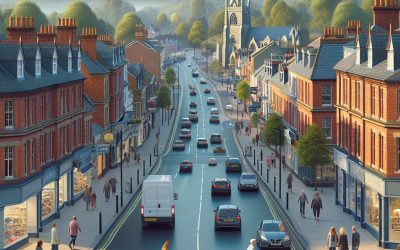
Crowborough – East Sussex
Crowborough is a charming town located in the Wealden district of East Sussex, England. Situated on the edge of Ashdown Forest, it is surrounded by beautiful countryside and offers a peaceful and picturesque setting. With a population of approximately 22,000, Crowborough is a medium-sized town that strikes a balance between rural tranquility and urban amenities. Summary Crowborough is a town located in East Sussex, England. The town has a rich history dating back to the 13th century, with notable figures such as Sir Arthur Conan Doyle having lived there. Crowborough has a mild climate with average temperatures ranging from 2°C in winter to 21°C in summer. The population of Crowborough is around 22,000, with a majority of residents being over the age of 45. The town’s economy is largely driven by small businesses, with healthcare and education being major employers. History of Crowborough – East Sussex The history of Crowborough dates back to the early settlements of the Iron Age. The area was primarily used for agriculture and farming, with evidence of Roman and Saxon occupation. However, it wasn’t until the 19th century that Crowborough began to develop as a town. The arrival of the railway in 1868 brought new opportunities for growth and attracted wealthy Londoners looking for a retreat from the city. Notable events in Crowborough’s history include the construction of the iconic Crowborough Beacon Golf Club in 1895, which has since become one of the town’s most famous landmarks. The town also played a role in World War II, with several military installations and airfields being established in the area. Over time, Crowborough has seen significant...

Seaford – East Sussex
Seaford, located in East Sussex, is a charming coastal town that offers a perfect blend of natural beauty, cultural attractions, and a vibrant community. This blog post aims to provide a comprehensive guide to Seaford, highlighting its history, stunning coastal location, natural beauty, iconic landmarks, cultural scene, local cuisine, shopping options, accommodation choices, transportation options, and exciting events and festivals throughout the year. Whether you are a history enthusiast, nature lover, art aficionado, foodie, or simply looking for a relaxing getaway by the sea, Seaford has something to offer for everyone. Summary Seaford is a historic town in East Sussex with a rich past dating back to the Roman era. The town’s coastal location offers stunning views of the English Channel and the Seven Sisters cliffs. Visitors can explore Seaford’s natural beauty by hiking along the South Downs Way or visiting the Seaford Head Nature Reserve. Seaford is home to iconic landmarks such as the Martello Tower and the Seaford Museum, as well as popular attractions like the Seaford Beach and Splash Point. The town’s cultural scene is vibrant, with events like the Seaford Folk Festival and the Seaford Christmas Magic Festival. Seaford’s local cuisine includes fresh seafood and traditional British dishes, with dining options ranging from cosy pubs to fine dining restaurants. Shopping in Seaford offers a mix of independent boutiques and high street chains, with a weekly market held on Thursdays. Accommodation options in Seaford include hotels, B&Bs, and self-catering cottages, with many offering sea views. Getting around Seaford is easy with a reliable bus service and a train station connecting the town to Brighton and London....

Bexhill-on-Sea – East Sussex
Bexhill-on-Sea is a charming coastal town located in East Sussex, England. Situated on the south coast, it is approximately 50 miles southeast of London. Bexhill-on-Sea is known for its beautiful beaches, historic landmarks, and vibrant community. The town has a population of around 40,000 people, with a mix of residents of all ages. Bexhill-on-Sea has a diverse demographic, with a range of ethnicities and backgrounds represented. The town has a strong sense of community and is known for its friendly and welcoming atmosphere. Bexhill-on-Sea enjoys a mild climate, with warm summers and cool winters. The town benefits from its coastal location, with sea breezes keeping temperatures pleasant during the summer months. The average temperature in Bexhill-on-Sea ranges from 5°C (41°F) in winter to 20°C (68°F) in summer. Rainfall is fairly evenly distributed throughout the year, with slightly drier summers and wetter winters. Summary Bexhill-on-Sea is a charming coastal town located in East Sussex. The town has a rich history, from its origins as a fishing village to its development as a Victorian resort. Visitors can enjoy a variety of attractions, including beaches, parks, and historic landmarks. Activities such as watersports, golfing, and cycling are popular in Bexhill-on-Sea. The town hosts a range of events and festivals, showcasing music, art, and culture. The History of Bexhill-on-Sea: From Fishing Village to Victorian Resort Bexhill-on-Sea has a rich history that dates back centuries. The area was originally settled by the Saxons and was primarily a fishing village. The fishing industry thrived in Bexhill-on-Sea for many years, with locals relying on the sea for their livelihoods. In the 19th century, Bexhill-on-Sea began to...
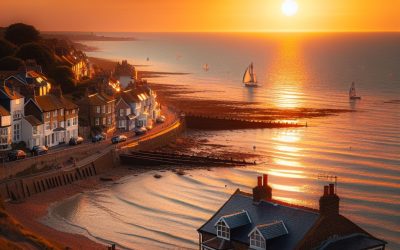
Hastings – East Sussex
Hastings, located in East Sussex on the south coast of England, is a town steeped in history and charm. With its roots dating back to the 8th century, Hastings has played a significant role in English history and continues to be a popular destination for tourists and history enthusiasts alike. In this blog post, we will explore the rich history of Hastings, delve into its famous Battle of Hastings, and discover the many attractions and landmarks that make this town a must-visit destination. Summary Hastings is a historic town located in East Sussex. The Battle of Hastings was a significant event in English history that took place in Hastings. Exploring Hastings Old Town provides a glimpse into the town’s rich history. Hastings Pier is a symbol of resilience and restoration after being destroyed by fire and rebuilt. The Fishermen’s Museum celebrates Hastings’ maritime heritage and the town’s fishing industry. The Battle of Hastings – A Turning Point in English History One of the most significant events in English history took place in Hastings in 1066 – the Battle of Hastings. This battle marked the beginning of the Norman Conquest of England and forever changed the course of English history. The battle was fought between the Norman-French army led by William the Conqueror and the English army led by King Harold The battle was a result of a disputed succession to the English throne. After the death of Edward the Confessor, both William and Harold claimed the throne. The battle took place on October 14, 1066, and resulted in a decisive victory for William and his Norman army....
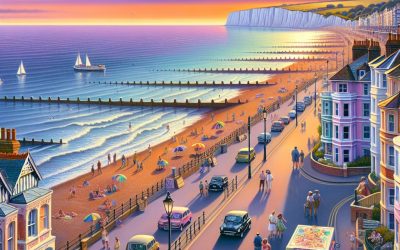
Eastbourne – East Sussex
Eastbourne is a charming seaside town located on the south coast of England in East Sussex. With its beautiful beaches, stunning gardens, and rich history, it is a popular destination for tourists and locals alike. The town is known for its Victorian architecture, vibrant cultural scene, and outdoor activities. With a population of around 100,000 people, Eastbourne offers a mix of traditional seaside charm and modern amenities. Summary Eastbourne is a charming seaside town located in East Sussex. The town has a rich history, from its origins as a fishing village to its development as a popular Victorian resort. Visitors can enjoy a variety of attractions, including beaches, gardens, and cultural sites. Outdoor enthusiasts can take advantage of hiking, cycling, and watersports opportunities. Eastbourne also offers a range of shopping and dining options, as well as accommodation choices to suit all budgets. History of Eastbourne – From Fishing Village to Victorian Resort Eastbourne has a long and fascinating history that dates back to Roman times. Originally a small fishing village, it began to grow in the 19th century when it became a popular resort town for wealthy Victorians. The town’s development was further accelerated by the arrival of the railway in the mid-19th century, which made it more accessible to visitors from London. During World War II, Eastbourne was heavily bombed due to its proximity to the English Channel and its importance as a military target. Many buildings were destroyed or damaged, but the town managed to rebuild and recover in the post-war years. Today, remnants of the war can still be seen in some areas of Eastbourne,...
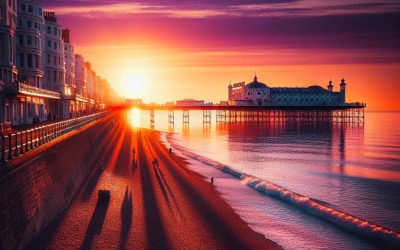
Brighton & Hove (Unitary Authority) – technically part of East Sussex
Brighton & Hove, located on the south coast of England, is a vibrant and diverse city that offers something for everyone. With its stunning beaches, lively arts scene, and rich history, it has become a popular destination for tourists and locals alike. Whether you’re looking to relax on the beach, explore the city’s cultural offerings, or indulge in its gastronomic delights, Brighton & Hove has it all. The city is known for its unique and bohemian atmosphere, attracting artists, musicians, and free spirits from all over the world. It has a reputation for being a place where creativity thrives and individuality is celebrated. From the iconic Brighton Pier to the bustling North Laine district, there is always something exciting happening in this vibrant coastal city. Summary Brighton & Hove is a vibrant coastal city with a rich history and thriving culture. From a fishing village to a tourist hotspot, Brighton & Hove has a fascinating past. The city is a creative hub with a thriving arts scene and many cultural attractions. Visitors can enjoy the beaches, pier, and other attractions in Brighton & Hove. The food and drink scene in Brighton & Hove is a gastronomic delight with many options to choose from. History of Brighton & Hove: From Fishing Village to Tourist Hotspot Brighton & Hove has a rich history that dates back centuries. Originally a small fishing village called Brighthelmstone, it began to grow in popularity as a seaside resort in the 18th century. The arrival of the railway in the 1840s further boosted its popularity, making it easily accessible to visitors from London and other parts...
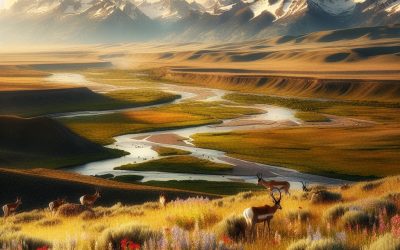
State Of Wyoming
Wyoming, also known as the Equality State, is a landlocked state located in the western United States. It is the 10th largest state in terms of land area, but has the lowest population density in the country. The nickname “Equality State” was given to Wyoming because it was the first state to grant women the right to vote in 1869. The state motto, “Equal Rights,” further emphasizes Wyoming’s commitment to equality and justice. Wyoming holds great importance in American history. It played a significant role in the expansion and settlement of the American West. The state’s vast open spaces and natural resources attracted pioneers and settlers looking for new opportunities. Wyoming was also a key location during the era of cowboys and cattle drives, which has become an iconic part of American history and culture. Summary Wyoming is known as The Equality State due to its early adoption of women’s suffrage. Wyoming’s history includes a wild west past and becoming the 44th state in the US in 1890. The state’s geography includes both the Great Plains and the Rocky Mountains, offering diverse landscapes. Wyoming is home to a variety of wildlife, including bison, grizzly bears, and wolves. The state’s economy is heavily reliant on agriculture, mining, and energy industries. History of Wyoming: From Wild West to Statehood Before European exploration and settlement, Wyoming was home to various Native American tribes, including the Shoshone, Arapaho, Cheyenne, and Crow. These tribes lived off the land, hunting buffalo and other wildlife, and had a deep connection to the natural environment. European exploration of Wyoming began in the early 1800s with fur...
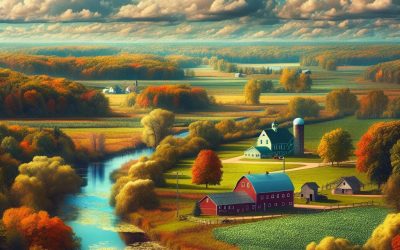
State of Wisconsin
Wisconsin, also known as the Badger State, is a state located in the Midwest region of the United States. It is bordered by Lake Superior and Michigan to the north, Lake Michigan to the east, Illinois to the south, and Iowa and Minnesota to the west. The state’s nickname, the Badger State, comes from the lead miners who first settled in the region in the early 19th century. These miners were known for living in temporary shelters called “badger holes,” which resembled the burrows of badgers. Wisconsin holds great importance in the United States for several reasons. Firstly, it is known for its rich history and contributions to American culture and politics. Secondly, it is home to several major industries, including agriculture, manufacturing, and tourism. Lastly, Wisconsin is renowned for its natural beauty, with numerous parks, lakes, and forests that attract visitors from all over the world. Summary Wisconsin is known as the Badger State due to early miners who lived in tunnels like badgers. Wisconsin has a diverse geography and climate, ranging from forests to farmland and from cold winters to hot summers. Wisconsin’s history includes Native American settlements, French and British colonization, and statehood in 1848. Wisconsin’s economy is driven by agriculture, manufacturing, and tourism, with cheese and beer being notable exports. Wisconsin is home to top universities like the University of Wisconsin-Madison and Marquette University. Geography and Climate of Wisconsin Wisconsin is located in the Midwest region of the United States and is bordered by Lake Superior to the north, Lake Michigan to the east, Illinois to the south, and Iowa and Minnesota to the...
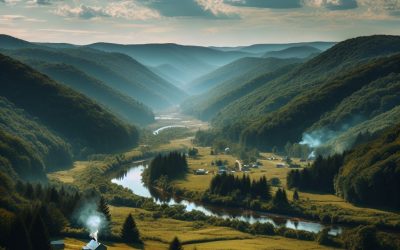
State of West Virginia
West Virginia, located in the Appalachian region of the United States, is a state known for its natural beauty and rich history. It became a state in 1863 during the American Civil War and is often referred to as the “Mountain State” due to its stunning mountainous landscape. West Virginia is bordered by Pennsylvania to the north, Ohio to the northwest, Kentucky to the southwest, Virginia to the southeast, and Maryland to the northeast. The state is home to a diverse population with a unique culture that is influenced by Native American, African American, and European traditions. West Virginia’s natural beauty is one of its biggest attractions, with its rolling hills, lush forests, and picturesque rivers. The state is also known for its outdoor recreational activities such as hiking, camping, whitewater rafting, and skiing. Summary West Virginia is a state of natural beauty and rich history. The unique geography and climate of West Virginia make it a fascinating place to explore. West Virginia’s cultural heritage and traditions are worth discovering. The state offers great outdoor activities like hiking, camping, and adventure sports. West Virginia has a rich mining and industrial history, from coal to chemicals. Discovering West Virginia’s Unique Geography and Climate West Virginia’s geography is characterized by its diverse landscape, which includes mountains, rivers, and forests. The Appalachian Mountains run through the state, providing breathtaking views and opportunities for outdoor activities such as hiking and rock climbing. The state is also home to several national parks and forests, including the Monongahela National Forest and the New River Gorge National Park. West Virginia can be divided into several...

Washington State
Search Results Washington, also known as the Evergreen State, is located in the Pacific Northwest region of the United States. It is bordered by Oregon to the south, Idaho to the east, and Canada to the north. With a population of over 7 million people, Washington is the 13th most populous state in the country. The state’s nickname, the Evergreen State, comes from its lush green forests that cover a significant portion of its land. Summary Washington is known as the Evergreen State due to its lush forests and greenery. The state has a rich history, from Native American tribes to becoming the 42nd state in the US. Washington’s geography and climate are diverse, ranging from mountains to rainforests to deserts. The state’s economy is driven by industries such as agriculture, aerospace, and technology. Washington has a thriving culture and arts scene, with top universities and schools, and attractions for tourists of all interests. History of Washington: From Native American Tribes to Statehood Before European settlers arrived, Washington was home to numerous Native American tribes, including the Coast Salish, Chinook, and Makah tribes. These tribes lived off the land and had a deep connection to nature. European exploration of the area began in the late 18th century, with British and Spanish explorers making their way to the region. In the early 19th century, American fur traders and missionaries began to settle in Washington. The Oregon Treaty of 1846 established the border between the United States and Canada, placing what is now Washington under American control. The territory of Washington was created in 1853, and it became a state on...