World Geography
Geography is the study of the Earth’s landscapes, environments, and the relationships between people and their surroundings. It encompasses both the physical aspects of the Earth, such as its landforms, bodies of water, and climate, as well as the human aspects, including population distribution, cultures, and economies. World geography is a broad field that seeks to understand the complexities of our planet and how humans interact with it. By studying world geography, we can gain a deeper appreciation for the diversity of our planet and the interconnectedness of its various regions.
Geography is a multidisciplinary field that draws on elements of physical science, social science, and humanities. It involves the use of maps, spatial analysis, and geographic information systems (GIS) to understand the Earth’s surface and the processes that shape it. World geography also encompasses the study of human geography, which examines the ways in which people and their activities are distributed across the Earth. By understanding world geography, we can better appreciate the environmental, cultural, and economic challenges facing different regions of the world. This knowledge is crucial for addressing global issues such as climate change, resource management, and international development.
The Five Oceans and Seven Continents
The Earth’s surface is divided into five major oceans: the Pacific, Atlantic, Indian, Southern (or Antarctic), and Arctic Oceans. These vast bodies of water play a crucial role in regulating the Earth’s climate and supporting diverse marine ecosystems. The oceans also serve as important transportation routes and a source of food and other natural resources for human societies around the world.
In addition to the oceans, the Earth’s landmasses are divided into seven continents: Africa, Antarctica, Asia, Europe, North America, Australia (or Oceania), and South America. Each continent has its own unique physical and cultural characteristics, shaped by millions of years of geological processes and human history. From the deserts of Africa to the rainforests of South America, the continents offer a rich tapestry of landscapes and environments for exploration and study.
Major Mountain Ranges and Deserts
The Earth’s surface is also marked by major mountain ranges and deserts that have shaped the planet’s physical and cultural landscapes. The Himalayas, for example, are the highest mountain range in the world and are home to diverse ecosystems and cultures in countries such as India, Nepal, and Bhutan. The Andes in South America, the Rockies in North America, and the Alps in Europe are other prominent mountain ranges that have influenced human settlement patterns and economic activities.
Deserts cover about one-third of the Earth’s land surface and are characterized by low precipitation and extreme temperatures. The Sahara Desert in Africa is the largest hot desert in the world, while the Gobi Desert in Asia is one of the largest cold deserts. Deserts are not only home to unique flora and fauna but have also been important trade routes and cultural crossroads throughout history.
Climate Zones and Biomes
The Earth’s climate is influenced by a variety of factors, including latitude, altitude, ocean currents, and prevailing winds. As a result, the planet is divided into different climate zones, each with its own characteristic weather patterns and ecosystems. The equator, for example, experiences a tropical climate with high temperatures and heavy rainfall, while the polar regions have a cold and dry climate.
These climate zones give rise to different biomes, or large ecological areas characterized by distinct plant and animal communities. The tropical rainforest biome, found near the equator, is home to a diverse array of species and is vital for regulating the Earth’s climate. The grasslands biome, found in regions such as the African savannah and North American prairies, supports grazing animals and has been important for human agriculture throughout history.
Human Geography and Population Distribution
Human geography examines the ways in which people and their activities are distributed across the Earth’s surface. It encompasses topics such as population growth, migration patterns, urbanization, and cultural diversity. Understanding human geography is crucial for addressing global challenges such as poverty, inequality, and environmental degradation.
Population distribution is uneven across the world, with some regions experiencing rapid population growth while others are declining. The majority of the world’s population lives in Asia, particularly in countries such as China and India. Urban areas are also growing rapidly, with more than half of the world’s population now living in cities. This trend has significant implications for infrastructure development, resource management, and social inequality.
Historical and Cultural Geography
Historical geography examines how human activities have shaped the Earth’s landscapes over time. It explores topics such as colonialism, trade routes, and the rise and fall of empires. Cultural geography focuses on how human cultures have developed in different regions of the world and how they interact with their environments.
The Silk Road, for example, was an ancient trade route that connected China with Europe and facilitated the exchange of goods, ideas, and technologies across Eurasia. This historical trade route had a profound impact on the development of cultures and economies along its path. Similarly, cultural geographers study how different societies have adapted to their environments through practices such as agriculture, architecture, and religious beliefs.
The Importance of Geographic Knowledge
Geographic knowledge is crucial for addressing global challenges such as climate change, resource management, and international development. By understanding world geography, we can better appreciate the environmental, cultural, and economic challenges facing different regions of the world. This knowledge is crucial for addressing global issues such as climate change, resource management, and international development.
Geographic knowledge also helps us to understand our interconnectedness with other regions of the world. By studying world geography, we can gain a deeper appreciation for the diversity of our planet and the interconnectedness of its various regions. This understanding can foster a sense of global citizenship and empathy for people from different cultures and backgrounds.
In conclusion, world geography is a complex and multifaceted field that encompasses both physical and human aspects of the Earth’s landscapes. By studying world geography, we can gain a deeper appreciation for the diversity of our planet and the interconnectedness of its various regions. This knowledge is crucial for addressing global challenges such as climate change, resource management, and international development. It also helps us to understand our interconnectedness with other regions of the world and fosters a sense of global citizenship.
FAQs
What is world geography?
World geography is the study of the Earth’s landscapes, environments, and the relationships between people and their environments. It encompasses the physical features of the Earth, as well as the human activity that takes place on it.
Why is world geography important?
World geography is important because it helps us understand the world around us. It provides insights into the physical and human processes that shape our planet, and helps us make informed decisions about how to interact with our environment.
What are the main branches of world geography?
The main branches of world geography include physical geography, which focuses on the Earth’s natural features and processes, and human geography, which examines the relationships between people and their environments.
How does world geography impact our daily lives?
World geography impacts our daily lives in numerous ways, from influencing the weather and climate we experience, to shaping the availability of natural resources and influencing the distribution of populations and cultures around the world.
What are some key concepts in world geography?
Key concepts in world geography include location, place, human-environment interaction, movement, and region. These concepts help geographers understand and interpret the world around them.
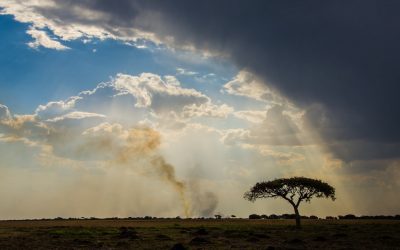
Exploring the Wonders of Zambia: A Journey Through the Heart of Africa
Located in southern Africa, Zambia is a landlocked country known as the “Jewel of Africa.” With its rich history, diverse culture, and breathtaking landscapes, Zambia is a must-visit destination for travelers. The country is bordered by eight other countries, including Tanzania, Malawi, Mozambique, Zimbabwe, Botswana, Namibia, Angola, and the Democratic Republic of the Congo. Zambia has a fascinating history that dates back thousands of years. It was inhabited by hunter-gatherers and later became home to various Bantu-speaking tribes. In the late 19th century, Zambia was colonized by the British and was known as Northern Rhodesia. It gained independence in 1964 and changed its name to Zambia. Zambian culture is incredibly diverse, with over 70 ethnic groups living in the country. Each group has its own traditions, languages, and customs. The Zambian people are known for their warm hospitality and welcoming nature, making visitors feel right at home. Summary Zambia is known as the Jewel of Africa, with its stunning natural beauty and diverse wildlife. A wildlife safari in Zambia offers the chance to encounter the Big Five and other rare species. Victoria Falls is a must-see natural wonder of the world, with its breathtaking views and thrilling activities. The Zambezi River is a journey through the heart of Zambia, offering opportunities for adventure and relaxation. Lusaka, the capital city of Zambia, is a vibrant hub of culture, history and modern development. Wildlife Safari: A Thrilling Encounter with the Big Five One of the main reasons why Zambia is a must-visit destination is its incredible wildlife. The country is home to numerous national parks and game reserves that offer thrilling...
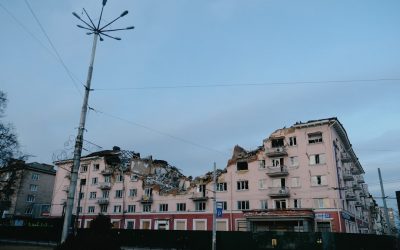
Exploring the Historic City of Chernihiv: A Journey Through Time
Chernihiv, located in northern Ukraine, is a city rich in cultural heritage and history. With its ancient streets, magnificent architecture, and fascinating history, Chernihiv offers visitors a unique and immersive experience. From its iconic landmarks to its artistic treasures, there is something for everyone to discover in this charming city. In this article, we will explore the rich cultural heritage of Chernihiv and all that it has to offer. Summary Chernihiv boasts a rich cultural heritage waiting to be discovered. Walking through the ancient streets of Chernihiv is like taking a step back in time. The magnificent architecture of Chernihiv is a sight to behold. Uncovering the fascinating history of Chernihiv is a must for any history buff. Visiting the iconic landmarks of Chernihiv is a great way to experience the city’s unique charm. Discovering the Rich Cultural Heritage of Chernihiv Chernihiv has a long and storied history, dating back to the 9th century. It was once the capital of the Chernihiv Principality and played a significant role in the development of Ukrainian culture and identity. The city’s historical significance is evident in its numerous architectural landmarks and cultural institutions. Chernihiv is also known for its contributions to Ukrainian literature and art. Many famous writers and artists have hailed from Chernihiv or found inspiration in its rich cultural heritage. The city has been a muse for countless poets, painters, and musicians throughout history. Walking Through the Ancient Streets of Chernihiv One of the highlights of visiting Chernihiv is exploring its old town. The ancient streets are filled with charm and character, transporting visitors back in time. Walking through these...
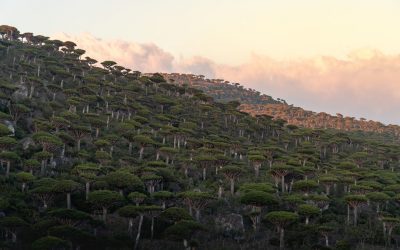
The Crisis in Yemen: A Call for International Aid and Support
The ongoing conflict in Yemen has been described as one of the world’s worst humanitarian crises. The conflict, which began in 2014, has resulted in widespread violence, displacement, and a severe lack of basic necessities for the Yemeni people. This article will provide an in-depth analysis of the crisis, its impact on Yemeni civilians, the urgent need for international aid and support, the role of the international community in ending the crisis, the challenges of delivering aid in Yemen, the importance of addressing the root causes of the crisis, the impact on Yemen’s economy and infrastructure, the role of NGOs in providing aid and support, the impact on Yemeni children and women, and the need for a long-term solution to the crisis. Summary Ongoing conflict in Yemen has led to a humanitarian crisis. Yemeni civilians are suffering greatly due to the crisis. International aid and support is urgently needed to alleviate the crisis. The international community must play a role in ending the crisis. Delivering aid in Yemen is challenging due to the conflict. The ongoing conflict in Yemen: a humanitarian crisis The conflict in Yemen began in 2014 when Houthi rebels took control of the capital city, Sana’a, and forced President Abdrabbuh Mansur Hadi to flee to Saudi Arabia. In response, a coalition led by Saudi Arabia launched a military intervention to restore Hadi’s government. Since then, the conflict has escalated into a full-blown civil war, with multiple factions vying for control of different parts of the country. The impact of this conflict on Yemeni civilians has been devastating. According to the United Nations, more than 24 million...
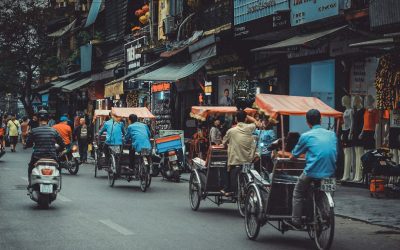
Discovering the Wonders of Vietnam: A Journey Through Southeast Asia’s Hidden Gem
Vietnam is a country that has captured the hearts of many travelers with its rich history, stunning landscapes, vibrant cities, and delicious cuisine. Located in Southeast Asia, Vietnam is known for its diverse culture, friendly people, and endless wonders waiting to be explored. From the bustling streets of Hanoi to the tranquil beauty of Halong Bay, Vietnam offers something for every type of traveler. Whether you’re interested in history, nature, food, or adventure, Vietnam has it all. Summary Vietnam is a land of endless wonders, with a rich cultural heritage and natural beauty. The country’s history and traditions are fascinating to explore, from ancient temples to modern cities. Vietnam’s natural beauty is breathtaking, with lush forests, pristine beaches, and stunning landscapes. The vibrant cities of Vietnam, including Hanoi and Ho Chi Minh City, offer a unique blend of old and new. Vietnam’s cuisine is a highlight of any trip, with delicious flavours and Southeast Asian influences. The Rich Cultural Heritage of Vietnam Vietnam has a long and fascinating history that is deeply rooted in its culture and traditions. From ancient times to the present day, Vietnam has been influenced by various cultures, most notably Chinese and French. The Chinese ruled over Vietnam for over a thousand years, leaving behind a lasting impact on the language, customs, and beliefs of the Vietnamese people. The French also had a significant influence on Vietnam during their colonial rule in the 19th and 20th centuries. This can be seen in the architecture, cuisine, and even the language. Family and community are highly valued in Vietnamese culture. The concept of filial piety is deeply...

Exploring the Hidden Gems of Cherkasy: A Journey Through the Heart of Ukraine
Cherkasy, located in central Ukraine, is a city with a rich history and vibrant culture. The city dates back to the 13th century and has been influenced by various civilizations throughout the centuries. From its medieval roots to its modern-day charm, Cherkasy offers visitors a unique blend of historical landmarks, cultural attractions, and natural wonders. Cherkasy is worth visiting for several reasons. Firstly, its historical significance cannot be overlooked. The city has played a crucial role in Ukrainian history, with many important events taking place within its borders. From the Cossack era to the Soviet period, Cherkasy has witnessed the rise and fall of empires, making it a fascinating destination for history enthusiasts. Secondly, Cherkasy’s cultural scene is thriving. The city is home to numerous museums, galleries, and theatres that showcase Ukrainian art and culture. Visitors can immerse themselves in the local traditions and customs through various festivals and celebrations held throughout the year. Cherkasy’s cultural heritage is deeply rooted in its people, and exploring the city’s cultural offerings is a must for anyone looking to experience the true essence of Ukraine. Summary Cherkasy is a city with a rich history and culture, offering a variety of experiences for visitors. The natural wonders of Cherkasy, including the Dnieper River and Kremenchuk Reservoir, are not to be missed. Cherkasy’s architectural treasures are hidden gems waiting to be discovered. The city’s museums and galleries offer a journey through Ukrainian art and history. Tasting the flavours of Cherkasy is a culinary adventure through the heart of Ukraine. Discovering the Natural Wonders of Cherkasy: From the Dnieper River to the Kremenchuk Reservoir One...
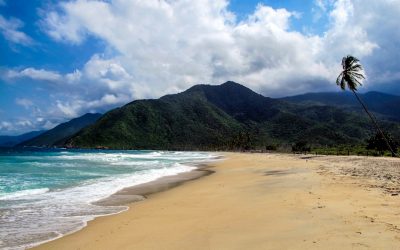
Venezuela’s Turmoil: A Deep Dive into the Country’s Economic and Political Crisis
Venezuela is currently facing one of the most severe crises in its history. The country is plagued by hyperinflation, food and medicine shortages, and political instability. It is important to understand the history and causes of this crisis in order to fully grasp the magnitude of the situation and find possible solutions. Summary Venezuela’s turmoil is a result of a combination of factors, including economic collapse, hyperinflation, humanitarian crisis, corruption, and political unrest. Hugo Chavez’s socialist revolution initially brought hope to the country, but mismanagement and corruption led to its downfall. The economic collapse of Venezuela was caused by a combination of factors, including over-reliance on oil, mismanagement, and corruption. Hyperinflation and the collapse of the Bolivar have had a devastating impact on Venezuelans, leading to food and medicine shortages and widespread poverty. The Maduro government’s corruption and mismanagement have exacerbated the crisis, leading to international sanctions and diplomatic pressure. The Rise and Fall of Hugo Chavez’s Socialist Revolution Hugo Chavez, a charismatic leader, came to power in Venezuela in 1999 with promises of a socialist revolution that would uplift the poor and marginalized. He implemented a series of policies aimed at redistributing wealth, nationalizing industries, and providing social programs for the most vulnerable. While Chavez’s policies initially gained popularity among the lower classes, they soon faced criticism for their impact on the economy. The nationalization of industries led to a decline in productivity and efficiency, while price controls and currency manipulation created distortions in the market. As a result, Venezuela became heavily dependent on oil exports, leaving it vulnerable to fluctuations in oil prices. Chavez’s death in 2013...
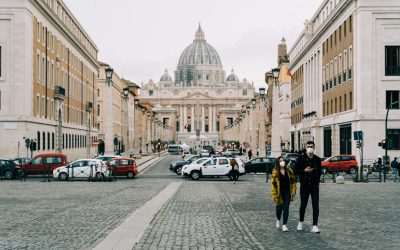
The Wonders of Vatican City: Exploring the Holy See’s Rich History and Culture
Vatican City, the world’s smallest independent state, holds a significant place in the hearts of Catholics worldwide as the spiritual and administrative center of the Roman Catholic Church. Nestled within the city of Rome, Italy, Vatican City is home to iconic landmarks such as St. Peter’s Basilica, the Vatican Museums, and the Sistine Chapel. The city-state’s rich history, art treasures, and religious significance draw millions of visitors each year, making it a must-visit destination for those interested in history, art, and spirituality. Summary Vatican City is the smallest independent state in the world, with a rich history dating back to the 4th century. The Vatican Museums house an impressive collection of art and artifacts, including works by Michelangelo and Raphael. The Sistine Chapel is a must-see for visitors, featuring Michelangelo’s iconic ceiling fresco and Last Judgment painting. St. Peter’s Basilica is the largest church in the world and a symbol of the Catholic faith. The Swiss Guard, established in the 16th century, is responsible for protecting the Pope and the Vatican City State. Vatican City: A Brief History of the Holy See The origins of the Holy See can be traced back to the early days of Christianity when St. Peter, one of Jesus’ apostles, is believed to have been appointed as the first Bishop of Rome. Over the centuries, the Bishop of Rome became known as the Pope, and Rome emerged as a significant center of Christianity. In 1929, with the signing of the Lateran Treaty between the Holy See and Italy, Vatican City was established as an independent city-state, ensuring the Pope’s sovereignty over a small territory...
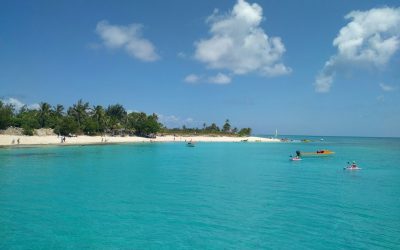
Discovering the Hidden Gems of Vanuatu: A Journey Through the Picturesque Islands
Nestled in the South Pacific Ocean, Vanuatu is an archipelago of 83 stunning islands known for their unspoiled natural beauty, rich cultural heritage, and vibrant local communities. This tropical paradise offers a unique travel experience for those seeking an off-the-beaten-path destination. From lush rainforests and pristine beaches to active volcanoes and vibrant coral reefs, Vanuatu has something to offer every type of traveller. Vanuatu is a great travel destination for those looking to escape the crowds and immerse themselves in a truly authentic island experience. The warm hospitality of the locals, known as Ni-Vanuatu, adds to the charm of this destination, making visitors feel welcome and at home. Whether you’re seeking adventure, relaxation, or cultural immersion, Vanuatu has it all. With a range of activities to suit every interest, from hiking and diving to exploring traditional villages and sampling local cuisine, Vanuatu promises a memorable and enriching travel experience. Summary Vanuatu is an archipelago of hidden gems, offering unspoiled natural beauty, rich cultural heritage, and unique wildlife. Exploring Vanuatu’s natural beauty includes visiting stunning beaches, hiking through lush rainforests, and diving in crystal-clear waters. Vanuatu’s cultural heritage is a journey through time, with traditional villages, ancient rituals, and fascinating stories of the island’s history. The best beaches in Vanuatu offer sun, sand, and serenity, with options for relaxation or adventure, such as surfing, snorkelling, or kayaking. Tasting the flavours of the Pacific is a foodie’s dream, with fresh seafood, tropical fruits, and unique local dishes to try in Vanuatu. Exploring the Unspoiled Natural Beauty of Vanuatu Vanuatu boasts some of the most breathtaking landscapes in the South Pacific, with...
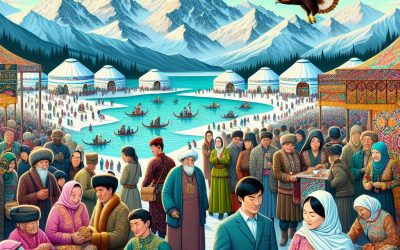
Kazakhstan
Kazakhstan (Kyrgyz Respublikasy (Kyrgyz); Respublika Kirgizstan (Russian) (Kyrgyz Republic)) Capital: Bishkek Population (Estimated July 2012): 5,496,737 Area: 199,945 km2 or 77,199 mi2 Currency: Kyrgyzstan Som (KGS) Official Language: Kyrgyz; Russian Political Information: Parliamentary Republic Official Religion: No Official Religion (approximately 75% of the population are Muslim, 20% are Russian Orthodox and 5% have other religious beliefs). Highest Mountain: Jengish Chokusu (Victory Peak) at 7,439m or 24,406ft GDP Official Exchange Rate (OER is more precise at gauging a countries economic power) (Estimated 2011): $180.1 billion (US$) or (GBP) GDP (OER) Per Capita (per member of the population estimated 2011): (US$) or (GBP) GDP Purchasing Power Parity (PPP is good for gauging living conditions and use of resources but not as accurate as OER. This data has been calculated based on the sum value of all goods and services produced in the country valued at prices prevailing in the United States) (Estimated 2011): $216.4 billion (US$) or (GBP) GDP (PPP) Per Capita (per member of the population estimated 2011): $13,000 (US$) or (GBP) Time Zone (GMT/UTC): +6:00 Wildlife: Counties/Provinces/States: 7 provinces (oblastlar, singular – oblasty) and 1 city* (shaar); Batken Oblasty, Bishkek Shaary*, Chuy Oblasty (Bishkek), Jalal-Abad Oblasty, Naryn Oblasty, Osh Oblasty, Talas Oblasty, Ysyk-Kol Oblasty (Karakol) Leaders: President Almazbek Atambayev, with Prime Minister Omurbek Babanov. Additional: Gained independence from the Soviet Union on the 31st of August 1991. Kazakhstan Kazakhstan, the world’s largest landlocked country, is located in Central Asia and Eastern Europe. It shares borders with Russia, China, Kyrgyzstan, Uzbekistan, and Turkmenistan, as well as the Caspian Sea to the west. The country is known for its diverse landscapes, ranging from the Caspian lowlands to the Altai Mountains and the vast steppes....
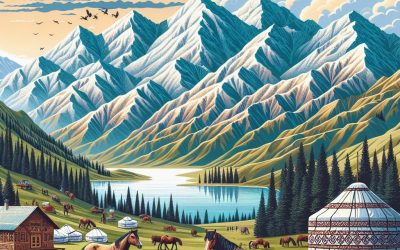
Kyrgyzstan
Kyrgyzstan (Kyrgyz Respublikasy (Kyrgyz); Respublika Kirgizstan (Russian) (Kyrgyz Republic)) Capital: Bishkek Population (Estimated July 2012): 5,496,737 Area: 199,945 km2 or 77,199 mi2 Currency: Kyrgyzstan Som (KGS) Official Language: Kyrgyz; Russian Political Information: Parliamentary Republic Official Religion: No Official Religion (approximately 75% of the population are Muslim, 20% are Russian Orthodox and 5% have other religious beliefs). Highest Mountain: Jengish Chokusu (Victory Peak) at 7,439m or 24,406ft Largest River: Time Zone (GMT/UTC): +6:00 Wildlife: Counties/Provinces/States: 7 provinces (oblastlar, singular – oblasty) and 1 city* (shaar); Batken Oblasty, Bishkek Shaary*, Chuy Oblasty (Bishkek), Jalal-Abad Oblasty, Naryn Oblasty, Osh Oblasty, Talas Oblasty, Ysyk-Kol Oblasty (Karakol) Leaders: President Almazbek Atambayev, with Prime Minister Omurbek Babanov. Additional: Gained independence from the Soviet Union on the 31st of August 1991. Kyrgyzstan Kyrgyzstan, officially the Kyrgyz Republic, is a landlocked nation situated in Central Asia. It shares borders with Kazakhstan to the north, Uzbekistan to the west, Tajikistan to the south, and China to the east. Bishkek serves as the capital and largest city. The country boasts a diverse population comprising Kyrgyz, Uzbeks, Russians, and other ethnic groups, each contributing to its rich history and culture. Following its independence from the Soviet Union in 1991, Kyrgyzstan has endeavoured to establish a stable and prosperous nation. The country is renowned for its breathtaking natural landscapes, including majestic mountains, pristine lakes, and verdant valleys. Kyrgyzstan’s cultural heritage is equally impressive, featuring traditional crafts, music, and cuisine that reflect its multicultural society. Visitors to Kyrgyzstan can partake in a variety of activities, from outdoor pursuits such as trekking and horse riding to exploring ancient historical sites. The warmth and hospitality of the Kyrgyz people further enhance the visitor experience....
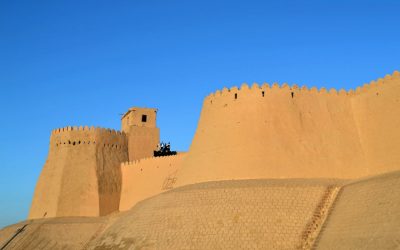
Uncovering the Hidden Gems of Uzbekistan: A Journey Through Central Asia’s Cultural Heartland
Nestled in the heart of Central Asia, Uzbekistan is a land of rich culture and history that beckons travellers from around the world to explore its ancient cities, vibrant bazaars, and stunning architecture. With a history dating back thousands of years, Uzbekistan has been a crossroads of civilizations and a key stop along the legendary Silk Road. This unique blend of influences is evident in the country’s art, architecture, and cuisine, making it a must-visit destination for those seeking to immerse themselves in a world of beauty and wonder. One of the crown jewels of Uzbekistan is the ancient city of Samarkand, a UNESCO World Heritage Site that has captivated visitors for centuries with its magnificent architecture and storied past. Known as the “Pearl of the Orient,” Samarkand was a key trading hub on the Silk Road and boasts a wealth of architectural wonders, including the iconic Registan Square with its stunning madrasas adorned with intricate tile work and the Gur-e-Amir Mausoleum, the final resting place of the great conqueror Tamerlane. Walking through the streets of Samarkand is like stepping back in time to an era of grandeur and splendour. Bukhara, another ancient city along the Silk Road, offers a glimpse into Uzbekistan’s rich history with its historic bazaars and caravanserais that once bustled with merchants from far-flung lands. The city’s labyrinthine streets are lined with traditional craft shops selling everything from silk carpets to hand-painted ceramics, while its well-preserved medieval architecture transports visitors to a bygone era. Must-visit sites in Bukhara include the towering Kalyan Minaret, the bustling Toki Zargaron bazaar, and the ancient Ark fortress, each offering...
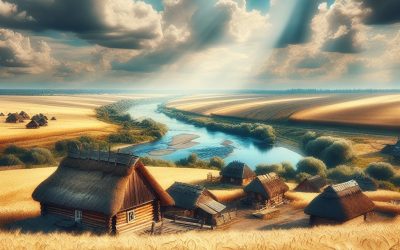
Ukraine (Ukrayina)
Ukraine (Ukrayina) Capital: Kiev (Kyiv) Population (Estimated July 2012): 44,854,065 Area: 603,628km2 or 233,062mi2 Currency: Hryvnya (UAH) Official Language: Ukrainian Political Information: Parliamentary Republic Official Religion: No Official Religion (approximately 50.4% of the population is Ukrainian Orthodox – Kyiv Patriarchate, 26.1% are Ukrainian Orthodox – Moscow Patriarchate, 8% are Ukrainian Greek Catholic, 7% are Ukrainian Autocephalous Orthodox, 2.2% are Roman Catholic, 2.2% are Protestant, 0.6% are Jewish and 3.2% have other religious beliefs) Highest Mountain: Hora Hoverla at 2,061m or 6,762ft Time Zone (GMT/UTC): +2:00 Wildlife: Counties/Provinces/States: 24 provinces (oblasti, singular – oblast’), 1 autonomous republic* (avtonomna respublika), and 2 municipalities (mista, singular – misto) with oblast status**; Cherkasy, Chernihiv, Chernivtsi, Crimea or Avtonomna Respublika Krym* (Simferopol’), Dnipropetrovs’k, Donets’k, Ivano-Frankivs’k, Kharkiv, Kherson, Khmel’nyts’kyy, Kirovohrad, Kyiv**, Kyiv, Luhans’k, L’viv, Mykolayiv, Odesa, Poltava, Rivne, Sevastopol’**, Sumy, Ternopil’, Vinnytsya, Volyn’ (Luts’k), Zakarpattya (Uzhhorod), Zaporizhzhya, Zhytomyr Leaders: President Volodymyr Zelenskyy; Prime Minister Denys Shmyhal Additional: Gained independence from the Soviet Union on the 24th of August 1991. Ukraine Ukraine, the largest country in Europe by land area, is a nation steeped in rich history and cultural diversity. Bordered by Belarus to the north, Russia to the northeast and east, and several Central European nations to the west, Ukraine serves as a bridge between East and West. Its capital, Kyiv, is one of the oldest cities in Eastern Europe, with a history that dates back over 1,400 years. The country is known for its vast landscapes, ranging from the Carpathian Mountains in the west to the expansive steppes in the east, and its fertile plains that have earned it the moniker “the...