World Geography
Geography is the study of the Earth’s landscapes, environments, and the relationships between people and their surroundings. It encompasses both the physical aspects of the Earth, such as its landforms, bodies of water, and climate, as well as the human aspects, including population distribution, cultures, and economies. World geography is a broad field that seeks to understand the complexities of our planet and how humans interact with it. By studying world geography, we can gain a deeper appreciation for the diversity of our planet and the interconnectedness of its various regions.
Geography is a multidisciplinary field that draws on elements of physical science, social science, and humanities. It involves the use of maps, spatial analysis, and geographic information systems (GIS) to understand the Earth’s surface and the processes that shape it. World geography also encompasses the study of human geography, which examines the ways in which people and their activities are distributed across the Earth. By understanding world geography, we can better appreciate the environmental, cultural, and economic challenges facing different regions of the world. This knowledge is crucial for addressing global issues such as climate change, resource management, and international development.
The Five Oceans and Seven Continents
The Earth’s surface is divided into five major oceans: the Pacific, Atlantic, Indian, Southern (or Antarctic), and Arctic Oceans. These vast bodies of water play a crucial role in regulating the Earth’s climate and supporting diverse marine ecosystems. The oceans also serve as important transportation routes and a source of food and other natural resources for human societies around the world.
In addition to the oceans, the Earth’s landmasses are divided into seven continents: Africa, Antarctica, Asia, Europe, North America, Australia (or Oceania), and South America. Each continent has its own unique physical and cultural characteristics, shaped by millions of years of geological processes and human history. From the deserts of Africa to the rainforests of South America, the continents offer a rich tapestry of landscapes and environments for exploration and study.
Major Mountain Ranges and Deserts
The Earth’s surface is also marked by major mountain ranges and deserts that have shaped the planet’s physical and cultural landscapes. The Himalayas, for example, are the highest mountain range in the world and are home to diverse ecosystems and cultures in countries such as India, Nepal, and Bhutan. The Andes in South America, the Rockies in North America, and the Alps in Europe are other prominent mountain ranges that have influenced human settlement patterns and economic activities.
Deserts cover about one-third of the Earth’s land surface and are characterized by low precipitation and extreme temperatures. The Sahara Desert in Africa is the largest hot desert in the world, while the Gobi Desert in Asia is one of the largest cold deserts. Deserts are not only home to unique flora and fauna but have also been important trade routes and cultural crossroads throughout history.
Climate Zones and Biomes
The Earth’s climate is influenced by a variety of factors, including latitude, altitude, ocean currents, and prevailing winds. As a result, the planet is divided into different climate zones, each with its own characteristic weather patterns and ecosystems. The equator, for example, experiences a tropical climate with high temperatures and heavy rainfall, while the polar regions have a cold and dry climate.
These climate zones give rise to different biomes, or large ecological areas characterized by distinct plant and animal communities. The tropical rainforest biome, found near the equator, is home to a diverse array of species and is vital for regulating the Earth’s climate. The grasslands biome, found in regions such as the African savannah and North American prairies, supports grazing animals and has been important for human agriculture throughout history.
Human Geography and Population Distribution
Human geography examines the ways in which people and their activities are distributed across the Earth’s surface. It encompasses topics such as population growth, migration patterns, urbanization, and cultural diversity. Understanding human geography is crucial for addressing global challenges such as poverty, inequality, and environmental degradation.
Population distribution is uneven across the world, with some regions experiencing rapid population growth while others are declining. The majority of the world’s population lives in Asia, particularly in countries such as China and India. Urban areas are also growing rapidly, with more than half of the world’s population now living in cities. This trend has significant implications for infrastructure development, resource management, and social inequality.
Historical and Cultural Geography
Historical geography examines how human activities have shaped the Earth’s landscapes over time. It explores topics such as colonialism, trade routes, and the rise and fall of empires. Cultural geography focuses on how human cultures have developed in different regions of the world and how they interact with their environments.
The Silk Road, for example, was an ancient trade route that connected China with Europe and facilitated the exchange of goods, ideas, and technologies across Eurasia. This historical trade route had a profound impact on the development of cultures and economies along its path. Similarly, cultural geographers study how different societies have adapted to their environments through practices such as agriculture, architecture, and religious beliefs.
The Importance of Geographic Knowledge
Geographic knowledge is crucial for addressing global challenges such as climate change, resource management, and international development. By understanding world geography, we can better appreciate the environmental, cultural, and economic challenges facing different regions of the world. This knowledge is crucial for addressing global issues such as climate change, resource management, and international development.
Geographic knowledge also helps us to understand our interconnectedness with other regions of the world. By studying world geography, we can gain a deeper appreciation for the diversity of our planet and the interconnectedness of its various regions. This understanding can foster a sense of global citizenship and empathy for people from different cultures and backgrounds.
In conclusion, world geography is a complex and multifaceted field that encompasses both physical and human aspects of the Earth’s landscapes. By studying world geography, we can gain a deeper appreciation for the diversity of our planet and the interconnectedness of its various regions. This knowledge is crucial for addressing global challenges such as climate change, resource management, and international development. It also helps us to understand our interconnectedness with other regions of the world and fosters a sense of global citizenship.
FAQs
What is world geography?
World geography is the study of the Earth’s landscapes, environments, and the relationships between people and their environments. It encompasses the physical features of the Earth, as well as the human activity that takes place on it.
Why is world geography important?
World geography is important because it helps us understand the world around us. It provides insights into the physical and human processes that shape our planet, and helps us make informed decisions about how to interact with our environment.
What are the main branches of world geography?
The main branches of world geography include physical geography, which focuses on the Earth’s natural features and processes, and human geography, which examines the relationships between people and their environments.
How does world geography impact our daily lives?
World geography impacts our daily lives in numerous ways, from influencing the weather and climate we experience, to shaping the availability of natural resources and influencing the distribution of populations and cultures around the world.
What are some key concepts in world geography?
Key concepts in world geography include location, place, human-environment interaction, movement, and region. These concepts help geographers understand and interpret the world around them.
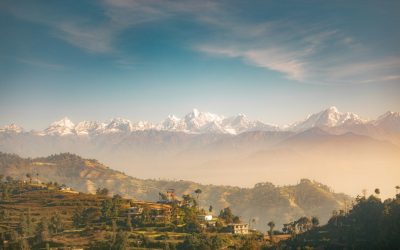
Exploring the Enchanting Landscapes of Nepal: A Journey Through the Himalayan Kingdom
Nepal, a landlocked country nestled in the heart of the Himalayas, is a treasure trove of natural beauty. From its majestic mountains to its lush green valleys, from its mighty rivers to its enchanting lakes, Nepal offers a diverse range of landscapes that are sure to leave visitors in awe. Exploring Nepal’s natural wonders is not only a feast for the eyes but also an opportunity to connect with nature and experience the tranquility and serenity that this country has to offer. The geography of Nepal is truly remarkable. It is home to eight of the world’s ten highest peaks, including Mount Everest, the highest mountain on Earth. The Himalayan mountain range stretches across the northern part of the country, creating awe-inspiring landscapes that are a sight to behold. The valleys of Nepal are equally stunning, with their lush greenery and picturesque landscapes. The rivers that flow through the country add an element of thrill and adventure, while the lakes provide a tranquil retreat for those seeking peace and serenity. Exploring Nepal’s natural beauty is not only a visual delight but also an opportunity to engage in various outdoor activities. Trekking is one of the most popular activities in Nepal, with numerous trekking routes and peaks to explore. From the famous Annapurna Circuit to the challenging Everest Base Camp trek, there is something for everyone. Responsible tourism is crucial in the Himalayas to ensure that these pristine landscapes are preserved for future generations. Summary Nepal’s natural beauty is a must-see for any nature lover. The Himalayan Mountains offer breathtaking landscapes that will leave you in awe. The lush green...
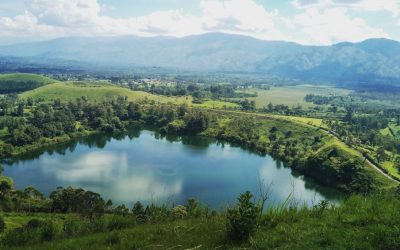
Discovering the Hidden Gems of Uganda: A Journey Through the Heart of East Africa
Uganda, often referred to as the “Pearl of Africa,” is a hidden gem in East Africa that offers a wealth of unique experiences and attractions for travelers. While it may not be as well-known as its neighboring countries, Uganda has so much to offer in terms of natural beauty, cultural heritage, and adventure tourism. From its stunning national parks and wildlife reserves to its vibrant cities and towns, Uganda is a destination that should not be overlooked. One of the main reasons why Uganda is such a special travel destination is its rich cultural heritage and traditions. The country is home to over 50 different ethnic groups, each with their own customs and traditions. From the Baganda in the central region to the Karamojong in the northeast, visitors have the opportunity to immerse themselves in the diverse cultures of Uganda. Traditional dances, music, and festivals are an integral part of Ugandan culture, and attending a performance or participating in a celebration is a must-do experience. Additionally, there are numerous cultural sites and museums throughout the country that provide insight into Uganda’s history and traditions. Summary Uganda is a hidden gem with a rich cultural heritage and stunning natural beauty. The country’s national parks and wildlife reserves offer incredible opportunities for exploration and adventure. Uganda’s cities and towns are vibrant and full of life, with unique cuisine and a thriving arts and crafts scene. The country’s history is fascinating, from colonialism to independence, and its lakes, rivers, and waterfalls are breathtaking. Uganda’s warm and welcoming people make it a must-visit destination in East Africa. Uganda’s Rich Cultural Heritage and Traditions...
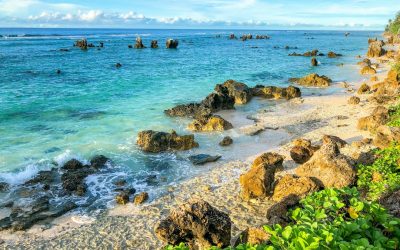
Discovering the Hidden Gems of Nauru: A Journey to the Smallest Island Nation in the South Pacific
Nauru, the smallest island nation in the South Pacific, is a hidden gem waiting to be discovered. With its stunning beaches, crystal-clear lagoons, and unique geological features, Nauru offers a paradise-like experience for visitors. Despite its small size, the island is rich in history and culture, with a vibrant art scene and colorful festivals. In this article, we will explore the wonders and beauty of Nauru, from its natural landscapes to its delicious cuisine and exciting adventure activities. Summary Nauru is the smallest island nation in the South Pacific, with stunning natural wonders and a rich cultural heritage. The indigenous people of Nauru have a unique history and culture, with traditional practices still celebrated today. Nauru’s beaches, caves, and lagoons offer breathtaking scenery and opportunities for exploration. The island’s flora and fauna are diverse and unique, with many species found nowhere else in the world. Nauru’s traditional cuisine is a must-try, and the island offers exciting adventure activities for the more adventurous traveller. History and Culture The indigenous people of Nauru, known as the Nauruans, have a rich heritage that dates back thousands of years. They have a strong connection to their land and sea, which is reflected in their traditional practices and beliefs. The arrival of European colonizers in the late 19th century had a significant impact on Nauruan culture. The island became a German colony before being occupied by the Japanese during World War After the war, Nauru was placed under Australian administration until it gained independence in 1968. Despite the influence of colonization and modernization, Nauruan culture has managed to survive and thrive. Traditional practices such...

Discovering the Hidden Gems of Tuvalu: A Journey Through the Pacific’s Smallest Nation
Tuvalu, a small island nation located in the Pacific Ocean, is often referred to as the Pacific’s best-kept secret. With its pristine beaches, vibrant culture, and warm hospitality, Tuvalu offers a unique and unforgettable travel experience. Despite its small size and remote location, Tuvalu has a lot to offer to adventurous travelers seeking an off-the-beaten-path destination. Tuvalu is made up of nine coral atolls and islands, with a total land area of just 26 square kilometers. It is one of the smallest countries in the world, both in terms of land area and population. However, what it lacks in size, it more than makes up for in natural beauty and cultural richness. Summary Tuvalu is a hidden gem in the Pacific, with pristine beaches and coral reefs. The island nation has a unique culture and traditions, including traditional arts and crafts. Funafuti, Tuvalu’s capital, has a rich history waiting to be uncovered. Sampling the local cuisine is a must-do for any culinary adventurer visiting Tuvalu. The friendly locals and warm hospitality make Tuvalu a welcoming destination for eco-tourism and off-the-beaten-path journeys. The Island Nation’s Unique Culture and Traditions Tuvalu is known for its distinct culture and traditions that have been passed down through generations. The people of Tuvalu take great pride in their cultural heritage and are dedicated to preserving their traditions. One of the most prominent aspects of Tuvaluan culture is music and dance. Traditional songs and dances are an integral part of everyday life in Tuvalu, with performances often taking place during special occasions and celebrations. The music is characterized by rhythmic drumming and melodic singing,...
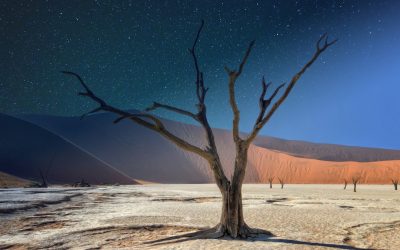
Discovering the Natural Wonders of Namibia: A Journey Through the Land of Endless Horizons
Namibia, located in southwestern Africa, is a country known for its unique geography and diverse wildlife. With its vast deserts, stunning landscapes, and rich cultural heritage, Namibia has become an increasingly popular travel destination for adventurers and nature enthusiasts alike. From the world’s oldest desert to the hauntingly beautiful Skeleton Coast, Namibia offers a truly unforgettable experience. Summary Namibia’s geology is unique and offers a journey through time. The diverse wildlife of Namibia includes desert-adapted lions and elephants. The Namib Desert is the world’s oldest desert and worth exploring. The Skeleton Coast is hauntingly beautiful and a must-see landscape. Etosha National Park offers a safari adventure like no other. Namibia’s Unique Geology: A Journey Through Time Namibia’s geological history is a fascinating journey through time. The country is home to some of the oldest rocks on Earth, dating back billions of years. The most iconic geological formation in Namibia is the Fish River Canyon, the second largest canyon in the world. This natural wonder was formed over millions of years by the erosive power of the Fish River. Another highlight of Namibia’s unique geology is the Etosha Pan, a vast salt pan that covers approximately 25% of Etosha National Park. This ancient lake bed is now a dry, white expanse that shimmers in the sunlight. The pan attracts a wide variety of wildlife, making it one of the best places in Africa for game viewing. The Diverse Wildlife of Namibia: From Elephants to Desert-Adapted Lions Namibia is home to a diverse range of wildlife, adapted to survive in its harsh desert environment. One of the most iconic animals in...

Discovering the Hidden Gems of Turkmenistan: A Journey Through Central Asia’s Best-Kept Secret
Nestled in the heart of Central Asia, Turkmenistan is a hidden gem waiting to be discovered. With its rich cultural heritage, breathtaking natural wonders, and warm hospitality, this country offers a unique and unforgettable travel experience. Despite being relatively unknown to many travellers, Turkmenistan has a lot to offer, from ancient cities and architectural marvels to stunning landscapes and vibrant bazaars. In this article, we will delve into the mysteries of Turkmenistan and explore its hidden treasures. Summary Turkmenistan is a country with a rich cultural heritage and natural wonders to explore. Ashgabat, the capital city, is known for its white marble buildings and golden domes. Ancient cities like Merv, Nisa, and Kunya-Urgench offer a glimpse into Turkmenistan’s past. Turkmen carpets are a fascinating part of the country’s textile traditions. The warm hospitality of the Turkmen people makes for a unique cultural experience. The Rich Cultural Heritage of Turkmenistan: A Glimpse into Central Asia’s Past Turkmenistan’s culture is deeply rooted in its historical connection to the Silk Road. As a major trading route between East and West, the Silk Road brought various influences to the region, shaping Turkmenistan’s unique cultural identity. Traditional music and dance play a significant role in Turkmen culture, with performances often showcasing the country’s rich history and folklore. The traditional clothing of Turkmenistan is also an important aspect of its cultural heritage, with vibrant colours and intricate designs reflecting the country’s nomadic past. Exploring the Natural Wonders of Turkmenistan: From the Karakum Desert to the Caspian Sea Turkmenistan is home to some of the most stunning natural landscapes in Central Asia. The Karakum Desert, one...

Exploring the Enchanting Land of Myanmar: A British Traveller’s Guide
Myanmar, formerly known as Burma, is a country in Southeast Asia that has recently emerged as a popular destination for British travellers. With its rich history, vibrant culture, and stunning landscapes, Myanmar offers a unique and unforgettable travel experience. Myanmar has a long and complex history, with influences from various cultures and civilizations. From the ancient Pyu city-states to the powerful Bagan Empire, Myanmar has been shaped by a diverse range of influences. The country is also home to a rich cultural heritage, with traditions and customs that have been passed down through generations. In recent years, Myanmar has seen a surge in tourism, attracting travellers from all over the world. British travellers, in particular, have been drawn to the country’s unique blend of history, culture, and natural beauty. The warm hospitality of the local people and the opportunity to explore off-the-beaten-path destinations have also contributed to Myanmar’s appeal. Summary Myanmar is a fascinating destination for British travellers, offering a unique blend of culture, history and natural beauty. The best time to visit Myanmar is during the cool and dry season from November to February, when temperatures are mild and rainfall is low. Tourists can get around Myanmar by plane, train, bus, taxi or boat, depending on their budget and itinerary. Top attractions in Myanmar include the ancient city of Bagan, the Shwedagon Pagoda in Yangon, and the Inle Lake region. Myanmar’s rich cultural heritage is reflected in its many temples, pagodas and monasteries, which offer a glimpse into the country’s spiritual traditions. The Best Time to Visit Myanmar: Planning Your Trip When planning a trip to Myanmar, it...
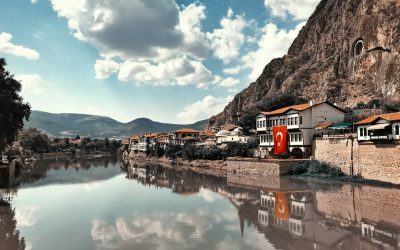
Exploring the Vibrant Culture and Cuisine of Turkey: A Journey Through the Land of the Ottoman Empire
The Ottoman Empire, which lasted from the 14th century to the early 20th century, was one of the most powerful and influential empires in history. It spanned three continents and encompassed a diverse range of cultures and peoples. The empire had a profound impact on the region, particularly on what is now modern-day Turkey. The Ottoman Empire shaped Turkish culture in many ways, from its language and religion to its cuisine and architecture. The Ottoman Empire was founded by Osman I in 1299 and grew to become a vast empire that stretched from southeastern Europe to western Asia and northern Africa. It reached its peak under the rule of Suleiman the Magnificent in the 16th century, when it controlled much of southeastern Europe, western Asia, and northern Africa. The empire was known for its military prowess, administrative efficiency, and cultural achievements. One of the most significant ways in which the Ottoman Empire shaped Turkish culture was through its language. The empire adopted Turkish as its official language, which helped to standardize and spread the language throughout the region. Today, Turkish is spoken by more than 80 million people in Turkey and is an important part of Turkish identity. Summary The Ottoman Empire had a significant cultural impact on Turkey. Turkish cuisine has a rich history and traditions. Istanbul’s markets and bazaars are vibrant and worth exploring. Turkish coffee and tea culture is an art form. Anatolia has regional specialities and delicacies worth trying. The Rich History and Traditions of Turkish Cuisine Turkish cuisine is renowned for its rich flavors and diverse ingredients. It is a fusion of Central Asian,...
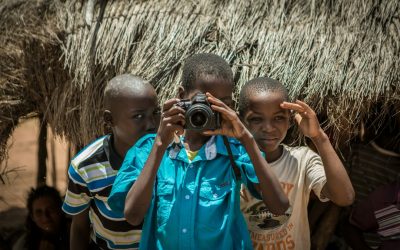
Exploring the Hidden Gems of Mozambique: A Journey Through the Heart of Southern Africa
Mozambique, located on the southeastern coast of Africa, is a country that often goes unnoticed by travelers. However, those who do venture to this hidden gem are rewarded with a wealth of natural beauty, rich history, vibrant culture, and warm hospitality. From its untouched beaches and thriving wildlife to its vibrant cities and unique cuisine, Mozambique offers a diverse range of experiences for every type of traveler. One of the reasons why Mozambique is often overlooked as a travel destination is its turbulent past. The country endured a long and brutal civil war that lasted from 1977 to 1992, which left a lasting impact on its infrastructure and economy. However, in recent years, Mozambique has made significant progress in rebuilding and developing its tourism industry. With its stunning landscapes, friendly locals, and affordable prices, Mozambique is now emerging as a popular destination for adventurous travelers seeking off-the-beaten-path experiences. Summary Mozambique is a land of hidden treasures waiting to be discovered. The country has a rich history and culture that is worth exploring. Mozambique boasts untouched beaches that are perfect for relaxation and adventure. The wildlife and national parks in Mozambique are thriving and offer unique experiences. The vibrant cities of Mozambique are full of life and culture, waiting to be explored. The Rich History and Culture of Mozambique Mozambique’s history is a tapestry woven with influences from various cultures and civilizations. The country was once an important trading hub along the Indian Ocean coast, attracting Arab, Persian, and Indian merchants who brought with them their languages, religions, and customs. In the 15th century, Portuguese explorers arrived in Mozambique and...
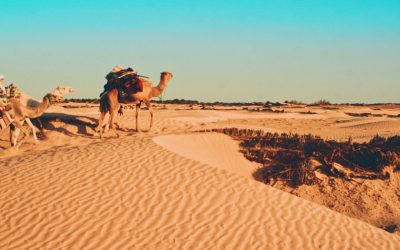
Exploring the Hidden Gems of Tunisia: Uncovering the Rich Culture and History of North Africa
Tunisia, located in North Africa, is a country that often goes unnoticed by travelers. However, this small nation is a treasure trove of hidden gems waiting to be discovered. With its diverse geography, rich history, and vibrant culture, Tunisia offers a unique and unforgettable travel experience. Tunisia is situated on the Mediterranean coast, bordered by Algeria to the west and Libya to the southeast. Its geography is incredibly diverse, ranging from stunning beaches along the coast to the vast Sahara Desert in the south. This diversity allows visitors to experience a wide range of landscapes and activities within a relatively small area. What sets Tunisia apart as a travel destination is its rich history and cultural influences. Over the centuries, Tunisia has been influenced by various civilizations, including the Phoenicians, Romans, Arabs, Ottomans, and French. This blend of cultures has shaped Tunisia into a unique melting pot of traditions, architecture, and cuisine. Summary Tunisia is a land of hidden gems waiting to be discovered. The country boasts a rich culture and history that is worth exploring. The ancient city of Carthage is a must-visit destination for history buffs. The Bardo Museum is a treasure trove of Tunisian art and history. Tunisian cuisine is a fusion of Mediterranean and North African flavours that is sure to delight foodies. The Rich Culture and History of Tunisia: A Brief Overview Tunisia’s history dates back thousands of years, with evidence of human habitation as early as the Paleolithic era. Throughout its history, Tunisia has been ruled by various empires and civilizations, each leaving their mark on the country’s culture and heritage. One of...
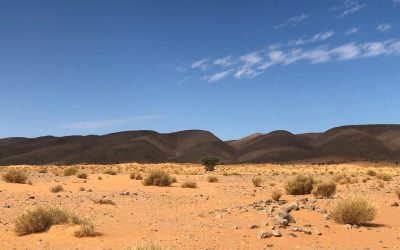
Discovering the Magic of Morocco: A Journey Through the Sights, Sounds and Flavours of North Africa
Morocco, a country located in North Africa, has long been a popular travel destination for adventurers and culture enthusiasts alike. With its vibrant colours, rich history, delicious cuisine, and stunning landscapes, Morocco offers a unique and unforgettable experience for visitors. From the bustling markets of Marrakech to the tranquil beauty of the Sahara Desert, there is something for everyone in this enchanting country. Summary Morocco’s vibrant souks offer a sensory explosion of colours and sounds. The country’s rich history and culture can be explored through its architecture and design. Moroccan cuisine is a delicious blend of spices and flavours. The country’s natural wonders range from the Sahara to the Atlas Mountains. Moroccan hospitality is warm and welcoming, with unique accommodation options like riads and guesthouses. The Vibrant Colours and Sounds of the Moroccan Souks One of the highlights of visiting Morocco is exploring the bustling markets, known as souks, that can be found in cities such as Marrakech and Fez. These markets are a feast for the senses, with their vibrant colours, exotic scents, and lively atmosphere. As you wander through the narrow alleyways, you will be greeted by the sounds of merchants calling out their wares and the clinking of metal as artisans work on their crafts. The souks offer a wide variety of goods for purchase, from traditional Moroccan clothing and textiles to intricate handmade crafts and jewellery. You can find beautifully woven rugs, colourful ceramics, and intricately carved wooden furniture. The souks are also a great place to sample local delicacies such as dried fruits and nuts, spices, and traditional Moroccan sweets. Exploring the Rich History...

Discovering the Hidden Gems of Trinidad and Tobago: A Journey Through the Caribbean’s Best-Kept Secret
Trinidad and Tobago is a vibrant and diverse travel destination located in the southern Caribbean. While it may be known for its lively Carnival celebrations and beautiful beaches, there are many lesser-known attractions and experiences that make this country a hidden gem for travellers. From its rich cultural heritage to its stunning natural wonders, Trinidad and Tobago offers a unique and unforgettable experience for those willing to explore beyond the beaten path. Summary Trinidad and Tobago is a treasure trove of cultural, natural, and historical wonders waiting to be explored. The country’s unique blend of African, Indian, and European influences is reflected in its vibrant festivals, delicious cuisine, and rich heritage. From pristine beaches to lush rainforests, Trinidad and Tobago offers a diverse range of natural wonders for nature lovers to discover. The country’s festivals are a celebration of music, dance, and colour, and offer a glimpse into its rich cultural heritage. Trinidad and Tobago is a paradise for adventure seekers, with activities ranging from hiking to scuba diving. The Cultural Riches of Trinidad and Tobago: A Fusion of African, Indian, and European Influences Trinidad and Tobago’s cultural heritage is a melting pot of African, Indian, and European influences. The country’s history is marked by colonization, slavery, and indentured labour, which brought people from various backgrounds to the islands. This diverse mix of cultures has shaped the music, dance, and art of Trinidad and Tobago. One of the most famous cultural exports from Trinidad and Tobago is calypso music. Originating from African slaves who used music as a form of communication and resistance, calypso has evolved into a vibrant...