World Geography
Geography is the study of the Earth’s landscapes, environments, and the relationships between people and their surroundings. It encompasses both the physical aspects of the Earth, such as its landforms, bodies of water, and climate, as well as the human aspects, including population distribution, cultures, and economies. World geography is a broad field that seeks to understand the complexities of our planet and how humans interact with it. By studying world geography, we can gain a deeper appreciation for the diversity of our planet and the interconnectedness of its various regions.
Geography is a multidisciplinary field that draws on elements of physical science, social science, and humanities. It involves the use of maps, spatial analysis, and geographic information systems (GIS) to understand the Earth’s surface and the processes that shape it. World geography also encompasses the study of human geography, which examines the ways in which people and their activities are distributed across the Earth. By understanding world geography, we can better appreciate the environmental, cultural, and economic challenges facing different regions of the world. This knowledge is crucial for addressing global issues such as climate change, resource management, and international development.
The Five Oceans and Seven Continents
The Earth’s surface is divided into five major oceans: the Pacific, Atlantic, Indian, Southern (or Antarctic), and Arctic Oceans. These vast bodies of water play a crucial role in regulating the Earth’s climate and supporting diverse marine ecosystems. The oceans also serve as important transportation routes and a source of food and other natural resources for human societies around the world.
In addition to the oceans, the Earth’s landmasses are divided into seven continents: Africa, Antarctica, Asia, Europe, North America, Australia (or Oceania), and South America. Each continent has its own unique physical and cultural characteristics, shaped by millions of years of geological processes and human history. From the deserts of Africa to the rainforests of South America, the continents offer a rich tapestry of landscapes and environments for exploration and study.
Major Mountain Ranges and Deserts
The Earth’s surface is also marked by major mountain ranges and deserts that have shaped the planet’s physical and cultural landscapes. The Himalayas, for example, are the highest mountain range in the world and are home to diverse ecosystems and cultures in countries such as India, Nepal, and Bhutan. The Andes in South America, the Rockies in North America, and the Alps in Europe are other prominent mountain ranges that have influenced human settlement patterns and economic activities.
Deserts cover about one-third of the Earth’s land surface and are characterized by low precipitation and extreme temperatures. The Sahara Desert in Africa is the largest hot desert in the world, while the Gobi Desert in Asia is one of the largest cold deserts. Deserts are not only home to unique flora and fauna but have also been important trade routes and cultural crossroads throughout history.
Climate Zones and Biomes
The Earth’s climate is influenced by a variety of factors, including latitude, altitude, ocean currents, and prevailing winds. As a result, the planet is divided into different climate zones, each with its own characteristic weather patterns and ecosystems. The equator, for example, experiences a tropical climate with high temperatures and heavy rainfall, while the polar regions have a cold and dry climate.
These climate zones give rise to different biomes, or large ecological areas characterized by distinct plant and animal communities. The tropical rainforest biome, found near the equator, is home to a diverse array of species and is vital for regulating the Earth’s climate. The grasslands biome, found in regions such as the African savannah and North American prairies, supports grazing animals and has been important for human agriculture throughout history.
Human Geography and Population Distribution
Human geography examines the ways in which people and their activities are distributed across the Earth’s surface. It encompasses topics such as population growth, migration patterns, urbanization, and cultural diversity. Understanding human geography is crucial for addressing global challenges such as poverty, inequality, and environmental degradation.
Population distribution is uneven across the world, with some regions experiencing rapid population growth while others are declining. The majority of the world’s population lives in Asia, particularly in countries such as China and India. Urban areas are also growing rapidly, with more than half of the world’s population now living in cities. This trend has significant implications for infrastructure development, resource management, and social inequality.
Historical and Cultural Geography
Historical geography examines how human activities have shaped the Earth’s landscapes over time. It explores topics such as colonialism, trade routes, and the rise and fall of empires. Cultural geography focuses on how human cultures have developed in different regions of the world and how they interact with their environments.
The Silk Road, for example, was an ancient trade route that connected China with Europe and facilitated the exchange of goods, ideas, and technologies across Eurasia. This historical trade route had a profound impact on the development of cultures and economies along its path. Similarly, cultural geographers study how different societies have adapted to their environments through practices such as agriculture, architecture, and religious beliefs.
The Importance of Geographic Knowledge
Geographic knowledge is crucial for addressing global challenges such as climate change, resource management, and international development. By understanding world geography, we can better appreciate the environmental, cultural, and economic challenges facing different regions of the world. This knowledge is crucial for addressing global issues such as climate change, resource management, and international development.
Geographic knowledge also helps us to understand our interconnectedness with other regions of the world. By studying world geography, we can gain a deeper appreciation for the diversity of our planet and the interconnectedness of its various regions. This understanding can foster a sense of global citizenship and empathy for people from different cultures and backgrounds.
In conclusion, world geography is a complex and multifaceted field that encompasses both physical and human aspects of the Earth’s landscapes. By studying world geography, we can gain a deeper appreciation for the diversity of our planet and the interconnectedness of its various regions. This knowledge is crucial for addressing global challenges such as climate change, resource management, and international development. It also helps us to understand our interconnectedness with other regions of the world and fosters a sense of global citizenship.
FAQs
What is world geography?
World geography is the study of the Earth’s landscapes, environments, and the relationships between people and their environments. It encompasses the physical features of the Earth, as well as the human activity that takes place on it.
Why is world geography important?
World geography is important because it helps us understand the world around us. It provides insights into the physical and human processes that shape our planet, and helps us make informed decisions about how to interact with our environment.
What are the main branches of world geography?
The main branches of world geography include physical geography, which focuses on the Earth’s natural features and processes, and human geography, which examines the relationships between people and their environments.
How does world geography impact our daily lives?
World geography impacts our daily lives in numerous ways, from influencing the weather and climate we experience, to shaping the availability of natural resources and influencing the distribution of populations and cultures around the world.
What are some key concepts in world geography?
Key concepts in world geography include location, place, human-environment interaction, movement, and region. These concepts help geographers understand and interpret the world around them.
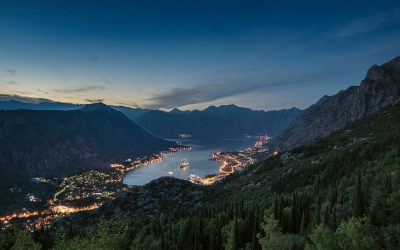
Discover the Hidden Gems of Montenegro: A Journey Through the Jewel of the Adriatic
Nestled in the Balkans, Montenegro is a hidden gem waiting to be discovered. With its stunning coastline, rich cultural heritage, and breathtaking natural wonders, this small country has something to offer every type of traveler. From the charming coastal towns to the rugged mountains and tranquil islands, Montenegro is a destination that will leave you in awe. Whether you’re seeking adventure, relaxation, or a glimpse into history, Montenegro has it all. Summary Montenegro offers a beautiful and diverse travel experience The Adriatic coastline is a must-see for its charming towns and stunning beaches Montenegro’s rich history and cultural heritage are worth exploring National parks offer breathtaking natural wonders for hiking and trekking Sampling local cuisine and experiencing the warmth of the locals are highlights of Montenegro travel The Coastal Charm of Montenegro: Exploring the Adriatic Coastline Montenegro’s coastline stretches along the Adriatic Sea, offering visitors a picturesque setting with crystal-clear waters and rugged cliffs. The coastal towns and cities are filled with charm and character, each with its own unique atmosphere. Kotor, a UNESCO World Heritage Site, is a must-visit destination with its medieval old town and stunning bay views. Budva is another popular coastal town known for its vibrant nightlife and beautiful beaches. Speaking of beaches, Montenegro boasts some of the most stunning beaches in Europe. From the sandy shores of Becici Beach to the secluded coves of Sveti Stefan, there’s a beach for every preference. Water activities such as snorkeling, kayaking, and paddleboarding are also popular along the coast. Whether you’re looking to relax on the beach or explore the underwater world, Montenegro’s coastline has it all....

Exploring the Majestic Beauty of Tonga: A Journey Through the South Pacific
Tonga, officially known as the Kingdom of Tonga, is a Polynesian archipelago located in the South Pacific Ocean. It is made up of 169 islands, with the main island being Tongatapu. Tonga has a rich history and culture, with influences from Polynesia, Melanesia, and Micronesia. The country is known as the “Land of the Friendly Islands” due to the warm and welcoming nature of its people. Tonga has a fascinating history that dates back thousands of years. It was once ruled by powerful chiefs and kings, and evidence of this can be seen in the ancient tombs and archaeological sites that are scattered throughout the islands. The country was also visited by European explorers, including Captain James Cook, who named Tonga the “Friendly Islands” after experiencing the hospitality of the locals. Tonga is a must-visit destination for travelers who are looking for a unique and authentic experience. The country offers a blend of natural beauty, cultural heritage, and warm hospitality that is hard to find elsewhere. Whether you’re interested in exploring historical landmarks, relaxing on pristine beaches, or immersing yourself in local traditions, Tonga has something for everyone. Summary Tonga is known as the Land of the Friendly Islands, and for good reason. The culture and history of Tonga is rich and fascinating, with many unique traditions and customs. Tonga’s beaches are some of the most pristine and beautiful in the world, with crystal-clear waters and soft white sand. Diving and snorkelling in Tonga is a must-do activity, with an abundance of marine life to discover. Hiking and trekking through Tonga’s lush forests and mountains is a great way...

Uncovering the Hidden Treasures of Mongolia: A Journey Through the Land of Eternal Blue Sky
Mongolia, a landlocked country in East Asia, is a destination that is often overlooked by travelers. However, those who venture to this remote and enchanting land are rewarded with a wealth of natural and cultural treasures waiting to be discovered. From its unique geographical phenomenon known as the “Eternal Blue Sky” to its rich nomadic culture and fascinating history, Mongolia offers a truly immersive and unforgettable travel experience. Summary Mongolia is a land of mystery and wonder, waiting to be explored. The unique geographical phenomenon of the Land of Eternal Blue Sky is a must-see for visitors. Nomadic culture is an integral part of Mongolia’s way of life and should be experienced. The Great Mongol Empire has a rich history and heritage that is worth discovering. Mongolia’s natural wonders, including the Gobi Desert and rare wildlife, are hidden treasures waiting to be uncovered. The Land of Eternal Blue Sky: A Unique Geographical Phenomenon One of the most striking features of Mongolia is its “Eternal Blue Sky.” This phenomenon refers to the country’s exceptionally clear and blue skies, which are visible for the majority of the year. The absence of pollution and minimal cloud cover contribute to this unique phenomenon, creating a landscape that seems to stretch endlessly into the horizon. The Eternal Blue Sky has a profound impact on Mongolia’s climate and landscape. The country experiences extreme temperature variations, with scorching hot summers and bitterly cold winters. The clear skies allow for intense sunlight during the summer months, resulting in high temperatures. In contrast, the lack of cloud cover during winter leads to frigid temperatures, often dropping below -40...

Exploring the Untouched Beauty of Togo: A Journey through West Africa’s Hidden Gem
Togo, a small country located in West Africa, may not be on the top of everyone’s travel list, but it is definitely a destination worth exploring. Bordered by Ghana to the west and Benin to the east, Togo offers a unique blend of culture, natural beauty, and adventure. With its rich history and diverse landscapes, Togo is a hidden gem for travelers looking for something off the beaten path. Togo has a fascinating history that dates back centuries. It was once part of the powerful Kingdom of Dahomey and later became a German colony before being divided between France and Britain after World War The country gained independence from France in 1960 and has since developed into a peaceful and stable nation. For travelers seeking an authentic experience, Togo is the perfect destination. Unlike more popular tourist destinations in Africa, Togo remains relatively untouched by mass tourism. This means that visitors can truly immerse themselves in the local culture and traditions without the crowds. From bustling markets to remote villages, Togo offers a glimpse into a way of life that is both fascinating and inspiring. Summary Togo is a hidden gem in West Africa with a rich cultural heritage and natural wonders. The country’s blend of tradition and modernity is reflected in its architecture, cuisine, and festivals. From lush forests to pristine beaches, Togo offers a diverse range of natural attractions for ecotourism. Wildlife enthusiasts can discover the country’s biodiversity through national parks and reserves. Togo’s unique cuisine is a fusion of African and European flavours, reflecting its colonial history. The Rich Cultural Heritage of Togo: A Blend of...
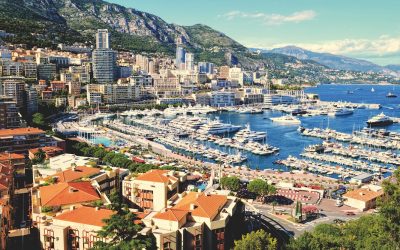
Discovering the Glamorous Charm of Monaco: A British Perspective
Monaco, a small city-state located on the French Riviera, is known as the playground of the rich and famous. With its luxurious lifestyle, stunning architecture, and glamorous events, Monaco has become a popular destination for those seeking a taste of the high life. The city-state is particularly popular among British tourists, who are drawn to its opulence and charm. Monaco offers a unique blend of natural beauty and man-made luxury. From its picturesque coastline to its world-class casinos and high-end shopping boutiques, the city-state has something to offer every visitor. The British have long been captivated by Monaco’s allure, with many choosing to make it their second home or holiday destination. Summary Monaco is a playground for the rich and famous, with a glamorous history and luxurious attractions. Brits have a strong connection to Monaco, with many famous faces and events drawing them to the principality. Monte Carlo is a must-see destination for British tourists, with grand architecture, stunning views, and world-class entertainment. The Monaco Grand Prix is a highlight of the year, with British fans flocking to see the world’s most prestigious race. From high-end shopping to Michelin-starred dining, Monaco offers the ultimate indulgence for British visitors. A Brief History of Monaco: From a Small Fishing Village to a Glamorous Destination Monaco has a rich history that dates back to ancient times. Originally a small fishing village, it was first established by the Phoenicians in the 6th century BC. Over the centuries, Monaco changed hands several times, with various rulers and empires laying claim to the territory. In the 13th century, Monaco came under the rule of the...
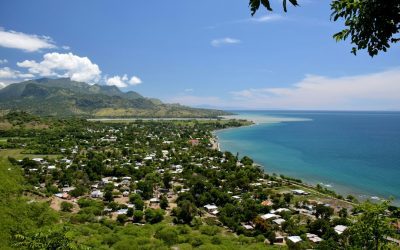
Discovering the Hidden Gems of Timor-Leste: A Journey Through Southeast Asia’s Youngest Nation
Located in Southeast Asia, Timor-Leste is a small nation that offers a unique charm and beauty to its visitors. With a rich history and diverse cultural influences, this country has much to offer in terms of natural wonders, stunning beaches, unique wildlife, adventure activities, delicious cuisine, vibrant festivals, and warm community tourism experiences. Timor-Leste is a hidden gem waiting to be explored. Timor-Leste has a fascinating history that dates back thousands of years. It was colonized by the Portuguese in the 16th century and later occupied by the Japanese during World War After gaining independence from Portugal in 1975, the country endured a long and tumultuous struggle for freedom. Today, Timor-Leste is a young nation that is still recovering from its past but has made significant progress in recent years. The culture of Timor-Leste is a blend of indigenous traditions and Portuguese influences. The people of Timor-Leste are known for their warm hospitality and strong sense of community. Traditional customs and practices are still very much alive in the country, with ceremonies and rituals being an integral part of daily life. Visitors to Timor-Leste can immerse themselves in the local culture by participating in traditional dances, trying traditional food, and learning about the customs and beliefs of the Timorese people. Summary Timor-Leste boasts unique charm and beauty that is worth exploring. The nation has a rich heritage that reflects its history and culture. Timor-Leste’s breathtaking landscapes and coastal destinations are a must-visit. The diverse ecosystem of Timor-Leste offers exciting wildlife and marine life encounters. Adventure activities, local cuisine, festivals, and community tourism are some of the things to look...
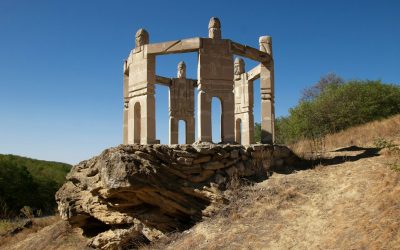
Exploring the Hidden Gems of Moldova: A Journey Through Europe’s Best-Kept Secret
Nestled between Romania and Ukraine, Moldova is a hidden gem waiting to be discovered. This small Eastern European country may not be on everyone’s travel radar, but it is definitely worth a visit. Moldova offers a unique blend of history, culture, natural beauty, and delicious cuisine. From its rich cultural heritage to its vibrant nightlife, there is something for everyone in this enchanting land. Summary Moldova has a rich cultural heritage that is a delight for history buffs. Wine tasting in Moldova is a must-do activity, as it is home to some of the best wines in Europe. Nature lovers will find paradise in Moldova, with its stunning natural beauty. The local cuisine in Moldova is a gastronomical delight, offering a journey through traditional dishes. Moldova’s architecture is a fascinating blend of Eastern and Western influences. The Rich Cultural Heritage of Moldova: A Delight for History Buffs Moldova has a fascinating history that dates back centuries. The country is home to numerous historical landmarks and monuments that tell the story of its past. One such landmark is the Orheiul Vechi Monastery Complex, which is located on a high plateau overlooking the Raut River. This complex includes a cave monastery, ancient fortifications, and a museum that showcases artifacts from the region’s history. In addition to its historical landmarks, Moldova also boasts a number of museums and galleries that are worth exploring. The National Museum of History of Moldova in Chisinau houses an impressive collection of artifacts that span thousands of years. The museum provides visitors with a comprehensive overview of the country’s history, from its ancient origins to its modern-day...
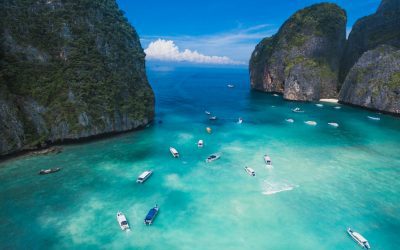
Discovering the Best of Thailand: A Journey Through the Land of Smiles
Thailand, also known as the Land of Smiles, is a country that captivates visitors with its rich culture, delicious cuisine, stunning natural beauty, and warm hospitality. Located in Southeast Asia, Thailand is a must-visit destination for travelers from all over the world. From bustling cities to tranquil beaches and ancient temples to vibrant festivals, Thailand offers a diverse range of experiences that will leave you in awe. Summary Thailand offers a wealth of wonders to explore, from its vibrant culture to its natural beauty and friendly people. The country’s cuisine is a highlight, with delicious dishes to discover and enjoy. Visitors can experience the history of Thailand through its temples, monuments, and more. Festivals and celebrations are a big part of Thai culture, offering a chance to immerse yourself in local traditions. Whether you’re looking for adventure or relaxation, Thailand has plenty to offer, from trekking and rafting to tranquil beaches and islands. Exploring the Vibrant Culture of Thailand Thai culture is deeply rooted in traditions and customs that have been passed down through generations. From the moment you arrive in Thailand, you will be greeted with a warm smile and a friendly “Sawasdee” (hello). Thai people are known for their hospitality and friendliness, making visitors feel welcome and at home. Thai arts and crafts are also an integral part of the country’s culture. From intricate wood carvings to beautiful silk fabrics, Thai craftsmanship is renowned worldwide. You can visit local markets and workshops to see artisans at work and even try your hand at traditional crafts. Thailand is also famous for its festivals and celebrations. One of the...
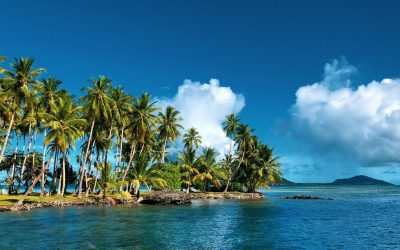
Discovering the Hidden Gems of Micronesia: A Journey Through the Pacific’s Best-Kept Secret
Nestled in the western Pacific Ocean, Micronesia is a hidden gem waiting to be discovered. Comprising thousands of islands spread across the vast expanse of the Pacific, Micronesia is a paradise for those seeking untouched beauty, rich culture, and incredible underwater adventures. Despite its stunning landscapes and unique cultural heritage, Micronesia remains relatively unknown to many travellers, making it the perfect destination for those looking to escape the crowds and explore a truly off-the-beaten-path destination. Summary Micronesia is a hidden gem in the Pacific that offers untouched beauty, rich culture, and warm hospitality. The islands of Micronesia boast some of the best snorkelling and diving spots in the world, with crystal-clear waters and diverse marine life. Micronesia is a nature lover’s paradise, with a unique flora and fauna that includes rare species found nowhere else on earth. The cuisine of Micronesia is a culinary adventure, with a fusion of Asian, Pacific, and European influences that create a delicious and unique dining experience. Micronesia’s festivals and traditions are a celebration of life, with colourful parades, music, and dance that showcase the vibrant culture of the islands. Uncovering the Untouched Beauty of Micronesia’s Islands Micronesia is home to a myriad of islands, each with its own distinct charm and natural beauty. From the lush greenery of Pohnpei to the pristine white sand beaches of Palau, there is something for every type of traveller in Micronesia. What sets these islands apart from other tropical destinations is their untouched nature. Many of the islands have limited infrastructure and are largely undeveloped, allowing visitors to experience a sense of tranquility and seclusion that...
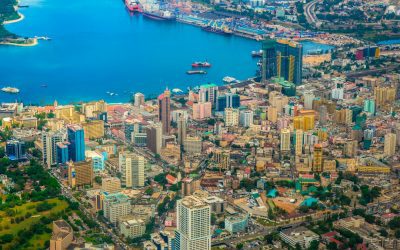
Discovering the Untouched Beauty of Tanzania: A Journey Through its Serengeti and Beyond
Tanzania, located in East Africa, is a country known for its breathtaking landscapes, rich wildlife, and vibrant culture. With a diverse geography that includes the Serengeti plains, Mount Kilimanjaro, and the stunning beaches of Zanzibar, Tanzania offers a wide range of natural wonders and attractions for visitors to explore. The history of Tanzania is deeply rooted in ancient civilizations and colonial influences. From the ancient trade routes that passed through the region to the German and British colonial periods, Tanzania has a fascinating past that has shaped its present-day culture. The country is home to over 120 different ethnic groups, each with their own unique traditions and languages, making it a truly diverse and culturally rich destination. One of the main draws of Tanzania is its natural beauty. From the vast savannahs of the Serengeti to the stunning Ngorongoro Crater, there are countless opportunities to witness wildlife in their natural habitats. The country is also home to Mount Kilimanjaro, the highest peak in Africa, which attracts climbers from around the world. And let’s not forget about Zanzibar, an idyllic island paradise with pristine beaches and crystal-clear waters. Summary Tanzania is a land of untouched beauty, with stunning landscapes and diverse wildlife. The Serengeti is a must-visit destination for wildlife enthusiasts, with the chance to witness the great migration. Beyond the Serengeti, Tanzania has many hidden gems to explore, from pristine beaches to ancient ruins. Tanzania’s cultural diversity is a fascinating exploration, with over 120 different ethnic groups and languages. The best time to visit Tanzania is during the dry season, from June to October, for optimal wildlife viewing. The...
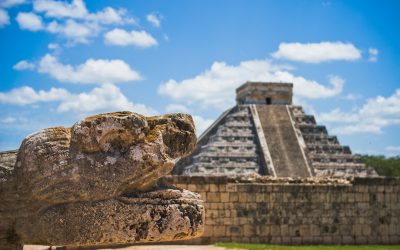
Exploring the Vibrant Culture and Rich History of Mexico: A Journey Through Time
Mexico is a country rich in culture and history, with a vibrant past that has shaped its present. From ancient civilizations to Spanish conquests, from independence struggles to revolutionary movements, Mexico’s history is a tapestry of diverse influences and events. Understanding Mexico’s past is crucial in appreciating its present, as it provides insights into the country’s traditions, customs, and values. In this article, we will explore Mexico’s culture and history, from the pre-Columbian era to modern-day Mexico. Summary Mexico has a vibrant culture and rich history that spans thousands of years. The Pre-Columbian era saw the rise of ancient civilizations like the Maya and Aztecs. The Spanish conquest in the 16th century led to Mexico becoming a colony for over 300 years. Mexican independence was achieved in 1821 after a long struggle for freedom. The Mexican Revolution in the early 20th century brought about significant social and political change. Modern-day Mexico is a blend of old and new, with a thriving economy and diverse population. Mexican cuisine is a delicious journey through time, with influences from indigenous, Spanish, and other cultures. Art and architecture showcase the beauty of Mexico’s cultural heritage, from ancient ruins to modern masterpieces. Celebrations and festivals are a colourful part of Mexican traditions, including Dia de los Muertos and Cinco de Mayo. Exploring Mexico’s natural wonders offers a range of experiences, from relaxing on beaches to hiking in mountains. The Pre-Columbian Era Before the arrival of the Spanish conquistadors, Mexico was home to several advanced civilizations. The most well-known of these civilizations are the Maya, Aztec, and Olmec. Each civilization had its own unique characteristics...
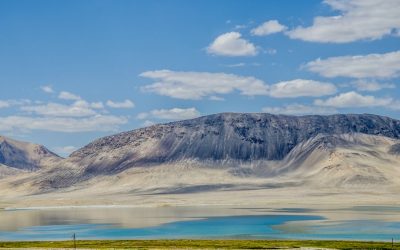
Exploring the Hidden Gems of Tajikistan: A Journey Through the Heart of Central Asia
Tajikistan, located in Central Asia, is a hidden gem that is slowly gaining recognition as a unique travel destination. With its stunning landscapes, rich history, and warm hospitality, Tajikistan offers a truly authentic and off-the-beaten-path experience for adventurous travelers. Often referred to as the “Jewel of Central Asia,” Tajikistan is a country that is still relatively untouched by mass tourism, allowing visitors to immerse themselves in its natural beauty and cultural riches. Summary Tajikistan is a hidden gem in Central Asia with a rich cultural heritage and stunning natural beauty. Dushanbe, the capital city, is a cultural hub with museums, theatres, and traditional bazaars. The Fann Mountains offer breathtaking trekking opportunities with crystal-clear lakes and snow-capped peaks. Tajikistan’s location on the ancient Silk Road provides a glimpse into the country’s fascinating history and culture. Iskanderkul Lake is a must-visit destination with its turquoise waters and picturesque surroundings. The Cultural Riches of Dushanbe: Tajikistan’s Capital City Dushanbe, the capital city of Tajikistan, is a vibrant and bustling metropolis that offers a glimpse into the country’s rich history and culture. The city has a fascinating mix of influences from Persian, Russian, and Central Asian cultures, which can be seen in its architecture, cuisine, and traditions. One of the must-visit cultural attractions in Dushanbe is the National Museum of Tajikistan. This museum houses an impressive collection of artifacts that showcase the country’s history, from ancient times to the present day. Visitors can learn about the region’s ancient civilizations, the Silk Road trade route, and the country’s struggle for independence. Another cultural highlight in Dushanbe is the Gurminj Museum of Musical Instruments. This...