World Geography
Geography is the study of the Earth’s landscapes, environments, and the relationships between people and their surroundings. It encompasses both the physical aspects of the Earth, such as its landforms, bodies of water, and climate, as well as the human aspects, including population distribution, cultures, and economies. World geography is a broad field that seeks to understand the complexities of our planet and how humans interact with it. By studying world geography, we can gain a deeper appreciation for the diversity of our planet and the interconnectedness of its various regions.
Geography is a multidisciplinary field that draws on elements of physical science, social science, and humanities. It involves the use of maps, spatial analysis, and geographic information systems (GIS) to understand the Earth’s surface and the processes that shape it. World geography also encompasses the study of human geography, which examines the ways in which people and their activities are distributed across the Earth. By understanding world geography, we can better appreciate the environmental, cultural, and economic challenges facing different regions of the world. This knowledge is crucial for addressing global issues such as climate change, resource management, and international development.
The Five Oceans and Seven Continents
The Earth’s surface is divided into five major oceans: the Pacific, Atlantic, Indian, Southern (or Antarctic), and Arctic Oceans. These vast bodies of water play a crucial role in regulating the Earth’s climate and supporting diverse marine ecosystems. The oceans also serve as important transportation routes and a source of food and other natural resources for human societies around the world.
In addition to the oceans, the Earth’s landmasses are divided into seven continents: Africa, Antarctica, Asia, Europe, North America, Australia (or Oceania), and South America. Each continent has its own unique physical and cultural characteristics, shaped by millions of years of geological processes and human history. From the deserts of Africa to the rainforests of South America, the continents offer a rich tapestry of landscapes and environments for exploration and study.
Major Mountain Ranges and Deserts
The Earth’s surface is also marked by major mountain ranges and deserts that have shaped the planet’s physical and cultural landscapes. The Himalayas, for example, are the highest mountain range in the world and are home to diverse ecosystems and cultures in countries such as India, Nepal, and Bhutan. The Andes in South America, the Rockies in North America, and the Alps in Europe are other prominent mountain ranges that have influenced human settlement patterns and economic activities.
Deserts cover about one-third of the Earth’s land surface and are characterized by low precipitation and extreme temperatures. The Sahara Desert in Africa is the largest hot desert in the world, while the Gobi Desert in Asia is one of the largest cold deserts. Deserts are not only home to unique flora and fauna but have also been important trade routes and cultural crossroads throughout history.
Climate Zones and Biomes
The Earth’s climate is influenced by a variety of factors, including latitude, altitude, ocean currents, and prevailing winds. As a result, the planet is divided into different climate zones, each with its own characteristic weather patterns and ecosystems. The equator, for example, experiences a tropical climate with high temperatures and heavy rainfall, while the polar regions have a cold and dry climate.
These climate zones give rise to different biomes, or large ecological areas characterized by distinct plant and animal communities. The tropical rainforest biome, found near the equator, is home to a diverse array of species and is vital for regulating the Earth’s climate. The grasslands biome, found in regions such as the African savannah and North American prairies, supports grazing animals and has been important for human agriculture throughout history.
Human Geography and Population Distribution
Human geography examines the ways in which people and their activities are distributed across the Earth’s surface. It encompasses topics such as population growth, migration patterns, urbanization, and cultural diversity. Understanding human geography is crucial for addressing global challenges such as poverty, inequality, and environmental degradation.
Population distribution is uneven across the world, with some regions experiencing rapid population growth while others are declining. The majority of the world’s population lives in Asia, particularly in countries such as China and India. Urban areas are also growing rapidly, with more than half of the world’s population now living in cities. This trend has significant implications for infrastructure development, resource management, and social inequality.
Historical and Cultural Geography
Historical geography examines how human activities have shaped the Earth’s landscapes over time. It explores topics such as colonialism, trade routes, and the rise and fall of empires. Cultural geography focuses on how human cultures have developed in different regions of the world and how they interact with their environments.
The Silk Road, for example, was an ancient trade route that connected China with Europe and facilitated the exchange of goods, ideas, and technologies across Eurasia. This historical trade route had a profound impact on the development of cultures and economies along its path. Similarly, cultural geographers study how different societies have adapted to their environments through practices such as agriculture, architecture, and religious beliefs.
The Importance of Geographic Knowledge
Geographic knowledge is crucial for addressing global challenges such as climate change, resource management, and international development. By understanding world geography, we can better appreciate the environmental, cultural, and economic challenges facing different regions of the world. This knowledge is crucial for addressing global issues such as climate change, resource management, and international development.
Geographic knowledge also helps us to understand our interconnectedness with other regions of the world. By studying world geography, we can gain a deeper appreciation for the diversity of our planet and the interconnectedness of its various regions. This understanding can foster a sense of global citizenship and empathy for people from different cultures and backgrounds.
In conclusion, world geography is a complex and multifaceted field that encompasses both physical and human aspects of the Earth’s landscapes. By studying world geography, we can gain a deeper appreciation for the diversity of our planet and the interconnectedness of its various regions. This knowledge is crucial for addressing global challenges such as climate change, resource management, and international development. It also helps us to understand our interconnectedness with other regions of the world and fosters a sense of global citizenship.
FAQs
What is world geography?
World geography is the study of the Earth’s landscapes, environments, and the relationships between people and their environments. It encompasses the physical features of the Earth, as well as the human activity that takes place on it.
Why is world geography important?
World geography is important because it helps us understand the world around us. It provides insights into the physical and human processes that shape our planet, and helps us make informed decisions about how to interact with our environment.
What are the main branches of world geography?
The main branches of world geography include physical geography, which focuses on the Earth’s natural features and processes, and human geography, which examines the relationships between people and their environments.
How does world geography impact our daily lives?
World geography impacts our daily lives in numerous ways, from influencing the weather and climate we experience, to shaping the availability of natural resources and influencing the distribution of populations and cultures around the world.
What are some key concepts in world geography?
Key concepts in world geography include location, place, human-environment interaction, movement, and region. These concepts help geographers understand and interpret the world around them.
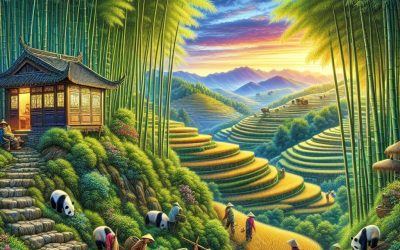
China
China (Zhonghua Renmin Gongheguo (People’s Republic of China)) Capital of China: Beijing (Peking) Population (Estimated July 2012): 1,343,239,923 Area: 9,572,900 km2 or 3,696,100 mi2 Currency: Renminbi (yuan) (Y) Official Language: Mandarin Chinese Political Information: Communist State Official Religion: No Official Religion Highest Mountain: Qowowuyag at 8,188m or 26,864 feet (Everest is partially in China but the peak is in Nepal) GDP Official Exchange Rate (OER is more precise at gauging a countries economic power) (Estimated 2011): $6.989 trillion (US$) or (GBP) GDP (OER) Per Capita (per member of the population estimated 2011): (US$) or (GBP) GDP Purchasing Power Parity (PPP is good for gauging living conditions and use of resources but not as accurate as OER. This data has been calculated based on the sum value of all goods and services produced in the country valued at prices prevailing in the United States) (Estimated 2011): $11.29 trillion (US$) or (GBP) GDP (PPP) Per Capita (per member of the population estimated 2011): $8,400 (US$) or (GBP) Time Zone (GMT/UTC): +8:00 Counties/Provinces/States: 23 provinces (sheng, singular and plural), 5 autonomous regions (zizhiqu, singular and plural), and 4 municipalities (shi, singular and plural) provinces: Anhui, Fujian, Gansu, Guangdong, Guizhou, Hainan, Hebei, Heilongjiang, Henan, Hubei, Hunan, Jiangsu, Jiangxi, Jilin, Liaoning, Qinghai, Shaanxi, Shandong, Shanxi, Sichuan, Yunnan, Zhejiang; (see note on Taiwan) autonomous regions: Guangxi, Nei Mongol (Inner Mongolia), Ningxia, Xinjiang Uygur, Xizang (Tibet) municipalities: Beijing, Chongqing, Shanghai, Tianjin note: China considers Taiwan its 23rd province; see separate entries for the special administrative regions of Hong Kong and Macau Leaders: Premier LI Keqiang (since 16 March 2013); Executive...
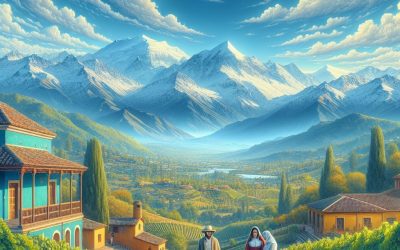
Chile
Chile (República de Chile (Republic of Chile)) Capital of Chile: Santiago Population (Estimated July 2012): 17,067,369 Area: 756,096 km2 or 291,930 mi2 Currency: Peso (Ch$) Official Language: Spanish Political Information: Unitary Presidential Republic Official Religion: No Official Religion (approximately 70% of the population are Roman Catholic, 15.1% are Evangelical, 1.1% are Jehovas Witnesses, 5.6% have other religious beliefs and 8.3% have no religious beliefs) Highest Mountain: Nevado Ojos del Salado at 6,880m or 22,572ft GDP Official Exchange Rate (OER is more precise at gauging a countries economic power) (Estimated 2011): $243 billion (US$) or (GBP) GDP (OER) Per Capita (per member of the population estimated 2011): (US$) or (GBP) GDP Purchasing Power Parity (PPP is good for gauging living conditions and use of resources but not as accurate as OER. This data has been calculated based on the sum value of all goods and services produced in the country valued at prices prevailing in the United States) (Estimated 2011): $281 billion (US$) or (GBP) GDP (PPP) Per Capita (per member of the population estimated 2011): $16,100 (US$) or (GBP) Time Zone (GMT/UTC): Between -4:00 and -6:00 Counties/Provinces/States: 15 regions (regiones, singular – region); Aisen del General Carlos Ibanez del Campo, Antofagasta, Araucania, Arica y Parinacota, Atacama, Biobio, Coquimbo, Libertador General Bernardo O’Higgins, Los Lagos, Los Rios, Magallanes y de la Antartica Chilena, Maule, Region Metropolitana (Santiago), Tarapaca, Valparaiso Leaders: President Sebastian PINERA Echenique (since 11 March 2018); note – the president is both chief of state and head of government. Additional: Declared Independence from Spain the 12th of February 1818 but not recognised until the...
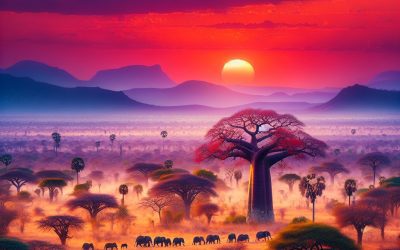
Chad
Chad (Jumhūriyyah Tshad (Arabic); République du Tchad (French) (Republic of Chad)) Capital of Chad: N’Djamena Population (Estimated Jull 2012): 10,975,648 Area: 495,755 km2 or 495,755 mi2 Currency: CFA franc (CFAF) Official Language: Arabic; French Political Information: Presidential Republic Official Religion: No Official Religion (approximately 53.1% of the population are Muslim, 20.1% are Catholic, 14.2% are Protestant, 7.3% are Animist, 2.2% have other religious beliefs and 3.1% have no religious beliefs) Highest Mountain: Emi Koussi at 3,415m or 11,204ft GDP Official Exchange Rate (OER is more precise at gauging a countries economic power) (Estimated 2011): $9.6 billion (US$) or (GBP) GDP (OER) Per Capita (per member of the population estimated 2011): (US$) or (GBP) GDP Purchasing Power Parity (PPP is good for gauging living conditions and use of resources but not as accurate as OER. This data has been calculated based on the sum value of all goods and services produced in the country valued at prices prevailing in the United States) (Estimated 2011): $19.69 billion (US$) or (GBP) GDP (PPP) Per Capita (per member of the population estimated 2011): $1,900 (US$) or (GBP) Time Zone (GMT/UTC): +1:00 Counties/Provinces/States: 22 regions (regions, singular – region); Barh el Gazel, Batha, Borkou, Chari-Baguirmi, Ennedi, Guera, Hadjer-Lamis, Kanem, Lac, Logone Occidental, Logone Oriental, Mandoul, Mayo-Kebbi Est, Mayo-Kebbi Ouest, Moyen-Chari, Ouaddai, Salamat, Sila, Tandjile, Tibesti, Ville de N’Djamena, Wadi Fira Leaders: President Idriss DEBY Itno, Lt. Gen. (since 4 December 1990). Note: prime minister position eliminated under the 2018 constitution with Prime Minister Emmanuel Nadingar. Sources: CIA World Fact Book, Encyclopaedia Britannica. Chad Chad is a landlocked country located in Central...
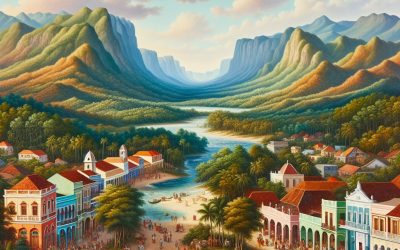
Dominican Republic
Dominican Republic (República Dominicana) Capital: Santo Domingo Population (Estimated July 2012): 10,088,598 Area: 48,671 km2 or 18,792 mi2 Currency: Dominican Peso (RD$) Official Language: Spanish Political Information: Unitary Democratic Republic Official Religion: No Official Religion (approximately 95% of the population are Roman Catholic and 5% have other religious beliefs) Highest Mountain: Pico Duarte 3,175m or 10,417ft GDP Official Exchange Rate (OER is more precise at gauging a countries economic power) (Estimated 2011): $54.4 billion (US$) or (GBP) GDP (OER) Per Capita (per member of the population estimated 2011): (US$) GDP Purchasing Power Parity (PPP is good for gauging living conditions and use of resources but not as accurate as OER. This data has been calculated based on the sum value of all goods and services produced in the country valued at prices prevailing in the United States) (Estimated 2011): $93.23 billion (US$) or (GBP) GDP (PPP) Per Capita (per member of the population estimated 2011): (US$) $9,300 Time Zone (GMT/UTC): -4:00 Counties/Provinces/States: 31 provinces (provincias, singular – provincia) and 1 district* (distrito); Azua, Bahoruco, Barahona, Dajabon, Distrito Nacional*, Duarte, El Seibo, Elias Pina, Espaillat, Hato Mayor, Independencia, La Altagracia, La Romana, La Vega, Maria Trinidad Sanchez, Monsenor Nouel, Monte Cristi, Monte Plata, Pedernales, Peravia, Puerto Plata, Salcedo, Samana, San Cristobal, San Jose de Ocoa, San Juan, San Pedro de Macoris, Sanchez Ramirez, Santiago, Santiago Rodriguez, Santo Domingo, Valverde Leaders: President Danilo MEDINA Sanchez (since 16 August 2012); Vice President Margarita CEDENO DE FERNANDEZ (since 16 August 2012); note – the president is both chief of state and head of government. Additional: The Dominican Republic has been...
Dominica
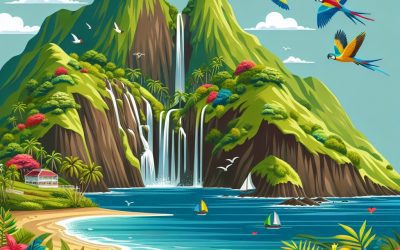
Dominica (Commonwealth of Dominica) Capital: Roseau Population (Estimated July 2012): 73,126 Area: 751 km2 or 290 mi2 Currency: Eastern Caribbean dollar (EC$) Official Language: English Political Information: Parliamentary Republic Official Religion: No Official Religion (approximately 61.4% of the population are Roman Catholic, 20.6% are Protestant, 1.2% Jehovah’s witnesses, 7.7% are other Christian, 1.3% are Rastafarian, 1.6% have other religious beliefs and 6.1% have no religious beliefs) Highest Mountain: Morne Diablotins at 1,447m or 4,747ft GDP Official Exchange Rate (OER is more precise at gauging a countries economic power) (Estimated 2011): $500 million (US$) or (GBP) GDP (OER) Per Capita (per member of the population estimated 2011): (US$) or (GBP) GDP Purchasing Power Parity (PPP is good for gauging living conditions and use of resources but not as accurate as OER. This data has been calculated based on the sum value of all goods and services produced in the country valued at prices prevailing in the United States) (Estimated 2011): $1.02 billion (US$) or (GBP) GDP (PPP) Per Capita (per member of the population estimated 2011): $13,600 (US$) or (GBP) Time Zone (GMT/UTC): -4:00 Counties/Provinces/States: 10 parishes; Saint Andrew, Saint David, Saint George, Saint John, Saint Joseph, Saint Luke, Saint Mark, Saint Patrick, Saint Paul, Saint Peter Leaders: President Charles A. SAVARIN (since 2 October 2013) with Prime Minister Roosevelt SKERRIT (since 8 January 2004). Additional: Gained Independence from the UK on the 3rd of November 1978. Sources: CIA World Fact Book, Encyclopaedia Britannica. Dominica Dominica, also known as the Commonwealth of Dominica, is a small island nation located in the Caribbean Sea. It is part of...
Estonia
Estonia (Eesti Vabariik (Republic of Estonia)) Capital of Estonia: Tallinn Population (Estimated July 2012): 1,274,709 Area: 45,227 km2 or 17,462 mi2 Currency: Euro (€) Official Language: Estonian Political Information: Parliamentary Republic Official Religion: No Official Religion (approximately 13.6% of the population are Evangelical Lutheran, 12.8% Orthodox, 34.1% are unaffiliated, 33.4% have other religious beliefs and 6.1% have no religious beliefs) Highest Mountain: Suur Munamagi at 318m or 1,043ft GDP Official Exchange Rate (OER is more precise at gauging a countries economic power) (Estimated 2011): $22.5 billion (US$) or (GBP) GDP (OER) Per Capita (per member of the population estimated 2011): (US$) or (GBP) GDP Purchasing Power Parity (PPP is good for gauging living conditions and use of resources but not as accurate as OER. This data has been calculated based on the sum value of all goods and services produced in the country valued at prices prevailing in the United States) (Estimated 2011): $27.02 billion (US$) or (GBP) GDP (PPP) Per Capita (per member of the population estimated 2011): $20,200 (US$) or (GBP) Time Zone (GMT/UTC): +2:00 Counties/Provinces/States: 15 counties (maakonnad, singular – maakond); Harjumaa (Tallinn), Hiiumaa (Kardla), Ida-Virumaa (Johvi), Jarvamaa (Paide), Jogevamaa (Jogeva), Laanemaa (Haapsalu), Laane-Virumaa (Rakvere), Parnumaa (Parnu), Polvamaa (Polva), Raplamaa (Rapla), Saaremaa (Kuressaare), Tartumaa (Tartu), Valgamaa (Valga), Viljandimaa (Viljandi), Vorumaa (Voru) note: counties have the administrative center name following in parentheses Leaders: President Toomas Hendrik Ilves with Andrus Ansip as Prime Minister. Additional: Independence from Russia was officially recognised on the 2nd of February 1920 however due to World War II Soviet forces re-occupied Estonia between 1940 and 1941, then by the...
Lithuania
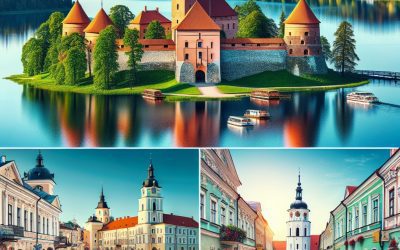
Lithuania (Lietuvos Respublika (Republic of Lithuania)) Capital: Vilnius Population (Estimated July 2012): 3,525,761 Area: 65,300 km2 or 25,212 mi2 Currency: Litas (LTL) Official Language: Lithuanian Political Information: Parliamentary Republic Official Religion: No Official Religion (approximately 79% of the population are Roman Catholic, 4.1% are Russian Orthadox, 1.9% are Protestant, 5.5 % have other religious beliefs and 9.5% have no religious beliefs) Highest Point: Aukštojas Hill at 294m or 964ft GDP Official Exchange Rate (OER is more precise at gauging a countries economic power) (Estimated 2011): $43.2 billion (US$) or (GBP) GDP (OER) Per Capita (per member of the population estimated 2011): (US$) or (GBP) GDP Purchasing Power Parity (PPP is good for gauging living conditions and use of resources but not as accurate as OER. This data has been calculated based on the sum value of all goods and services produced in the country valued at prices prevailing in the United States) (Estimated 2011): $61.3 billion (US$) or (GBP) GDP (PPP) Per Capita (per member of the population estimated 2011): $18,700 (US$) or (GBP) Time Zone (GMT/UTC): +2:00 Counties/Provinces/States: 10 counties (apskritys, singular – apskritis); Alytaus, Kauno, Klaipedos, Marijampoles, Panevezio, Siauliu, Taurages, Telsiu, Utenos, Vilniaus Leaders: President Dalia GRYBAUSKAITE (since 12 July 2009) with Prime Minister Saulius SKVERNELIS (since 13 December 2016). Sources: CIA World Fact Book, Encyclopaedia...
Latvia
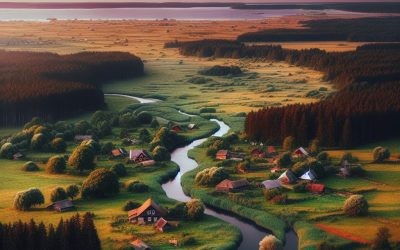
Latvia (Latvijas Republika (Republic of Latvia)) Capital of Latvia: Riga Population (Estimated July 2012): 2,191,580 Area: 64,589 km2 or 24,926 mi2 Currency: Lats (Ls; Plural Lati) Official Language: Latvian Political Information: Parliamentary Republic Official Religion: No Official Religion (approximately 19.6% of the population are Lutheran, 15.3% are Orthodox, 1% have other Christian beliefs, 0.4% have other religious beliefs and 63.7% have unspecified religious beliefs) Highest Mountain: Gaiziņkalns at 312m or 1,024 ft GDP Official Exchange Rate (OER is more precise at gauging a countries economic power) (Estimated 2011): $27.4 billion (US$) or (GBP) GDP (OER) Per Capita (per member of the population estimated 2011): (US$) or (GBP) GDP Purchasing Power Parity (PPP is good for gauging living conditions and use of resources but not as accurate as OER. This data has been calculated based on the sum value of all goods and services produced in the country valued at prices prevailing in the United States) (Estimated 2011): $34.58 billion (US$) or (GBP) GDP (PPP) Per Capita (per member of the population estimated 2011): $15,400 (US$) or (GBP) Time Zone (GMT/UTC): +2:00 Counties/Provinces/States: 110 municipalities (novadi, singular-novads) and 9 cities municipalities: Adazu Novads, Aglonas Novads, Aizkraukles Novads, Aizputes Novads, Aknistes Novads, Alojas Novads, Alsungas Novads, Aluksnes Novads, Amatas Novads, Apes Novads, Auces Novads, Babites Novads, Baldones Novads, Baltinavas Novads, Balvu Novads, Bauskas Novads, Beverinas Novads, Brocenu Novads, Burtnieku Novads, Carnikavas Novads, Cesu Novads, Cesvaines Novads, Ciblas Novads, Dagdas Novads, Daugavpils Novads, Dobeles Novads, Dundagas Novads, Durbes Novads, Engures Novads, Erglu Novads, Garkalnes Novads, Grobinas Novads, Gulbenes Novads, Iecavas Novads, Ikskiles Novads, Ilukstes Novads, Incukalna Novads, Jaunjelgavas Novads, Juanpiebalgas...
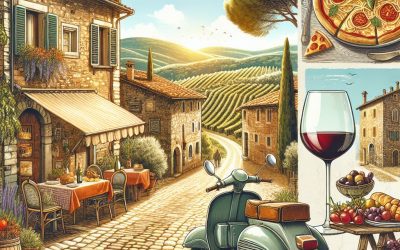
Italy
Italy (Repubblica Italiana (Italian Republic)) Capital of Italy: Rome Population (Estimated July 2012): 61,261,254 Area: 301,336 km2 or 116,346 mi2 Currency: Euro (€) Official Language: Italian Political Information: Parliamentary Constitutional Republic Official Religion: No Official Religion (approximately 80% of the population are Christian and 20% are Agnostic or Athiest) Highest Mountain: Monte Bianco (Monte Blanc in French) at 4,810 m or 15,781 ft GDP Official Exchange Rate (OER is more precise at gauging a countries economic power) (Estimated 2011): $2.246 trillion (US$) or (GBP) GDP (OER) Per Capita (per member of the population estimated 2011): (US$) or (GBP) GDP Purchasing Power Parity (PPP is good for gauging living conditions and use of resources but not as accurate as OER. This data has been calculated based on the sum value of all goods and services produced in the country valued at prices prevailing in the United States) (Estimated 2011): $1.822 trillion (US$) or (GBP) GDP (PPP) Per Capita (per member of the population estimated 2011): $30,100 (US$) or (GBP) Time Zone (GMT/UTC): +1:00 Counties/Provinces/States: 15 regions (regioni, singular – regione) and 5 autonomous regions (regioni autonome, singular – regione autonoma) regions: Abruzzo, Basilicata, Calabria, Campania, Emilia-Romagna, Lazio (Latium), Liguria, Lombardia, Marche, Molise, Piemonte (Piedmont), Puglia (Apulia), Toscana (Tuscany), Umbria, Veneto (Venetia) Autonomous regions: Friuli-Venezia Giulia; Sardegna (Sardinia); Sicilia (Sicily); Trentino-Alto Adige (Trentino-South Tyrol) or Trentino-Suedtirol (German); Valle d’Aosta (Aosta Valley) or Vallee d’Aoste (French) Leaders: President Sergio MATTARELLA (since 3 February 2015) with Prime Minister Giuseppe CONTE (since 1 June 2018); the prime minister’s official title is President of the Council of Ministers Sources: CIA...
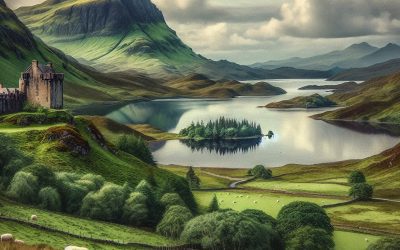
Scotland
Scotland (Latin: Scotia (land of the Scots)) Capital of Scotland: Edinburgh Population (Estimated 2010): 5,220,000 Area: 127,528km²or 49,239mi2 Currency: Pound Sterling (£) Official Language: English Political Information: Constitutional Monarchy and Parliamentary Democracy Official Religion:No Official Religion Highest Mountain: Ben Nevis at 1,343m or 4,406ft GDP Official Exchange Rate (OER is more precise at gauging a countries economic power) (Estimated 2010): (US$) or 105,548 Million (GBP) Time Zone (GMT/UTC): GMT Counties/Provinces/States: 33 Counties; Aberdeenshire, Angus, Argyll, Banffshire, Berwickshire,Caithness, Clackmannanshire, County of Bute, County of Moray, Dumfriesshire, Dunbartonshire, East Lothian, Fife, Inverness-shire, Kincardineshire, Kinross-shire, Kirkcudbrightshire, Lanarkshire, Midlothian, Nairnshire, Orkney, Peeblesshire, Perthshire, Renfrewshire, Ross and Cromarty, Roxburghshire, Selkirkshire, Stirlingshire, Sutherland, West Lothian, Wigtownshire and Zetland (Shetland) Leaders: H.M. Queen Elizabeth II, with First Minister Nicola Sturgeon. Additional: Scotland has 790 islands of which only 130 are inhabited. Sources: CIA World Fact Book, Encyclopaedia Britannica. Scotland Scotland, a nation steeped in rich history and vibrant culture, occupies the northern part of the United Kingdom. Renowned for its breathtaking landscapes, from rugged highlands to serene lochs, Scotland offers a unique blend of natural beauty and historical significance. The country is often celebrated for its distinct identity, which is shaped by its Celtic roots, a legacy of ancient clans, and a profound connection to the arts. With a population of approximately 5.4 million, Scotland is not only a land of stunning vistas but also a hub of innovation and tradition, where the past and present coexist harmoniously. Visitors to Scotland are often captivated by its diverse offerings, ranging from bustling cities like Edinburgh and Glasgow to the tranquil beauty of the Highlands. The capital city,...
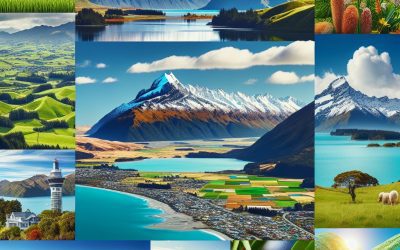
New Zealand
New Zealand (Aotearoa (Maori)) Capital of New Zealand: Wellington Population (Estimated July 2012): 4,327,944 Area: 270,692km2 or 104,515mi2 Currency: New Zealand dollar (NZ$) Official Language: English (91%); Maori; New Zealand Sign Language Political Information: Constitutional Monarchy and Parliamentary Democracy Official Religion: No Official Religion(approximately 38.6% of the population are Protestant, 32.2% have no religion, 12.6% are Roman Catholic, 1.6% are Maori Christian, 1.6% are Hindu, 1.3 are Buddhist and 2.2% follow other religions) Highest Mountain: Mount Cook at 3,754m or 12 316ft GDP Official Exchange Rate (OER is more precise at gauging a countries economic power) (Estimated 2011): $168.8 billion (US$) or (GBP) GDP (OER) Per Capita (per member of the population estimated 2011): (US$) or (GBP) GDP Purchasing Power Parity (PPP is good for gauging living conditions and use of resources but not as accurate as OER. This data has been calculated based on the sum value of all goods and services produced in the country valued at prices prevailing in the United States) (Estimated 2011): $123.3 billion (US$) or (GBP) GDP (PPP) Per Capita (per member of the population estimated 2011): $27,900 (US$) or (GBP) Time Zone (GMT/UTC): +12:00 Counties/Provinces/States: 16 regions and 1 territory*; Auckland, Bay of Plenty, Canterbury, Chatham Islands*, Gisborne, Hawke’s Bay, Manawatu-Wanganui, Marlborough, Nelson, Northland, Otago, Southland, Taranaki, Tasman, Waikato, Wellington, West Coast Leaders: H.M. Queen ELIZABETH II (since 6 February 1952); represented by Governor General Dame Patricia Lee REDDY (since 28 September 2016) and Prime Minister Jacinda ARDERN (since 26 October 2017); Deputy Prime Minister Winston PETERS (since 26 October 2017) Additional: Gained independence from the U.K. on...
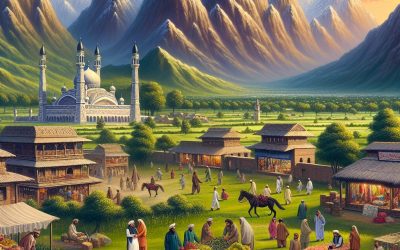
Pakistan
Pakistan (Islamic Republic of Pakistan) Capital of Pakistan: Islamabad Population (Estimated July 2012): 190,291,129 Area: 796,096km2 or 307,374mi2 Currency: Pakistani Rupee (PKR) Official Language: Urdu and English (but 48% of the population speak Punjabi the most spoken language in Pakistan) Political Information: Federal Presidential, Parliamentary Republic Official Religion: Islam (approximately 95% of the population are Muslim and 5% are Christian or Hindu). Highest Mountain: K2 at 8,611m or 28,251ft (worlds 2nd highest) GDP Official Exchange Rate (OER is more precise at gauging a countries economic power) (Estimated 2011): $204.1 billion (US$) or (GBP) GDP (OER) Per Capita (per member of the population estimated 2011): (US$) or (GBP) GDP Purchasing Power Parity (PPP is good for gauging living conditions and use of resources but not as accurate as OER. This data has been calculated based on the sum value of all goods and services produced in the country valued at prices prevailing in the United States) (Estimated 2011): $488 billion (US$) or (GBP) GDP (PPP) Per Capita (per member of the population estimated 2011): $2,800 (US$) or (GBP) Time Zone (GMT/UTC): +5:00 Counties/Provinces/States: 4 provinces, 1 territory*, and 1 capital territory**; Balochistan, Federally Administered Tribal Areas*, Islamabad Capital Territory**, Khyber Pakhtunkhwa (formerly North-West Frontier Province), Punjab, Sindh Leaders: President Mamnoon HUSSAIN (since 9 September 2013) with Interim Prime Minister Nasir-UL-MULK (since 1 June 2018); Imran KHAN to be sworn in as prime minister on 11 August 2018 following his party’s majority win in the 25 July 2018 National Asembly election Additional: Gained independence from British India on the 14th of August 1947. Sources: CIA World Fact Book, Encyclopaedia...