Geography Contents

World Geography

Geography is the study of the Earth’s landscapes, environments, and the relationships between people and their surroundings. It encompasses both the physical aspects of the Earth, such as its landforms, bodies of water, and climate, as well as the human aspects, including population distribution, cultures, and economies. World geography is a broad field that seeks to understand the complexities of our planet and how humans interact with it. By studying world geography, we can gain a deeper appreciation for the diversity of our planet and the interconnectedness of its various regions.

Geography is a multidisciplinary field that draws on elements of physical science, social science, and humanities. It involves the use of maps, spatial analysis, and geographic information systems (GIS) to understand the Earth’s surface and the processes that shape it. World geography also encompasses the study of human geography, which examines the ways in which people and their activities are distributed across the Earth. By understanding world geography, we can better appreciate the environmental, cultural, and economic challenges facing different regions of the world. This knowledge is crucial for addressing global issues such as climate change, resource management, and international development.


Geography


Chapter 1. Geography of Earth


1.2 Land Mass


1.3 Continents


1.4 Six continent of the world


1.5 Seven continents


1.6 Islands


1.7 Lines of Latitude


1.8 Lines of Longitude


1.9 Time Zones


1.10 Interactive map of World Geography


1.11 Earth’s Environment


1.12 Temperature variations


1.13 Topography


1.14 Atmospheric Pressure


1.2 Bodies of Water


1.3 Streams


1.4 Rivers


1.5 Watersheds and Drainage basin


1.6 Ponds


1.7 Lakes


1.8 Lochs


1.9 Is The Caspian Sea a Lake?


1.10 Lagoons


1.11 Water Bodies Interactive Data Map


1.12 Seas


1.13 Oceans


Chapter 2. Land Use


2.1 Urban land


2.2 Advantages of Urbanisation


2.3 Problems with Urbanisation


2.4 Additional Effects of Urbanisation


2.5 Rural Land


2.6 Agricultural Land


2.7 Arable Land


2.8 Woodland


2.9 Deserts


2.10 How Are Deserts Formed?


2.11 Convection Cells


2.12 Coriolis Effect


2.13 Rain Shadow


2.11 Interactive World Map of Land Use


Chapter 3. Global Population


3.2 World Human Population


3.3 Global Population Interactive Data Map


3.4 Origins of Humans


3.5 Extinction Events


3.6 Reaching 7 Billion


3.7 Life expectancy


3.8 Tuberculosis


3.9 Life expectancy Interactive Data Map


3.10 Factors that affect Life Expectancy


3.11 Global Population Demographics


3.12 Global Population Demographics Interactive Map


Chapter 4. World Food Production and Distribution


4.1 Interactive World Map of Food Supply


4.2 Chronic Undernourishment


Chapter 5 World Economies


5.1 The Creation of Money


5.2 Gross Domestic Product


5.3 Official Exchange Rate GDP


5.4 Purchasing Power Parity GDP


5.5 Difference and accuracy of OER and PPP


5.6 Calculating GDP


5.7 Economic Growth


5.8 Calculating Aggregate Demand


5.9 Interactive Map of World Economies


Chapter 6. Countries of the world


6.1 Alphabetically

6.2 Countries of North America

6.3 Countries of South America

6.4 Countries of Europe

6.5 Countries of Africa

6.6 Countries of Asia


6.7 Countries of Oceania


6.8 Countries of Antarctica


Chapter 7. The Commonwealth of Nations


Geology


Chapter 1. Structure of the Earth


1.1 The Inner Core


1.2 The Outer Core


1.3 The Mantle


1.4 The Lower Mantle


1.5 The Upper Mantle


1.6 Asthenosphere


1.7 Lithosphere


1.8 The Mohorovicic discontinuity


1.9 The Crust


1.10 Oceanic Crust


1.11 Continental Crust


Meteorology


Chapter 1 Meteorology


1.1 Temperature variations


1.2 Airflow and Winds


1.3 Rain


1.4 The Water Cycle


1.5 Evaporation


1.6 Sublimation


1.7 Transpiration


1.8 Condensation


1.9 Clouds


The Five Oceans and Seven Continents

The Earth’s surface is divided into five major oceans: the Pacific, Atlantic, Indian, Southern (or Antarctic), and Arctic Oceans. These vast bodies of water play a crucial role in regulating the Earth’s climate and supporting diverse marine ecosystems. The oceans also serve as important transportation routes and a source of food and other natural resources for human societies around the world.

In addition to the oceans, the Earth’s landmasses are divided into seven continents: Africa, Antarctica, Asia, Europe, North America, Australia (or Oceania), and South America. Each continent has its own unique physical and cultural characteristics, shaped by millions of years of geological processes and human history. From the deserts of Africa to the rainforests of South America, the continents offer a rich tapestry of landscapes and environments for exploration and study.

Major Mountain Ranges and Deserts

The Earth’s surface is also marked by major mountain ranges and deserts that have shaped the planet’s physical and cultural landscapes. The Himalayas, for example, are the highest mountain range in the world and are home to diverse ecosystems and cultures in countries such as India, Nepal, and Bhutan. The Andes in South America, the Rockies in North America, and the Alps in Europe are other prominent mountain ranges that have influenced human settlement patterns and economic activities.

Deserts cover about one-third of the Earth’s land surface and are characterized by low precipitation and extreme temperatures. The Sahara Desert in Africa is the largest hot desert in the world, while the Gobi Desert in Asia is one of the largest cold deserts. Deserts are not only home to unique flora and fauna but have also been important trade routes and cultural crossroads throughout history.

Climate Zones and Biomes

The Earth’s climate is influenced by a variety of factors, including latitude, altitude, ocean currents, and prevailing winds. As a result, the planet is divided into different climate zones, each with its own characteristic weather patterns and ecosystems. The equator, for example, experiences a tropical climate with high temperatures and heavy rainfall, while the polar regions have a cold and dry climate.

These climate zones give rise to different biomes, or large ecological areas characterized by distinct plant and animal communities. The tropical rainforest biome, found near the equator, is home to a diverse array of species and is vital for regulating the Earth’s climate. The grasslands biome, found in regions such as the African savannah and North American prairies, supports grazing animals and has been important for human agriculture throughout history.

Human Geography and Population Distribution

Human geography examines the ways in which people and their activities are distributed across the Earth’s surface. It encompasses topics such as population growth, migration patterns, urbanization, and cultural diversity. Understanding human geography is crucial for addressing global challenges such as poverty, inequality, and environmental degradation.

Population distribution is uneven across the world, with some regions experiencing rapid population growth while others are declining. The majority of the world’s population lives in Asia, particularly in countries such as China and India. Urban areas are also growing rapidly, with more than half of the world’s population now living in cities. This trend has significant implications for infrastructure development, resource management, and social inequality.

Historical and Cultural Geography

Historical geography examines how human activities have shaped the Earth’s landscapes over time. It explores topics such as colonialism, trade routes, and the rise and fall of empires. Cultural geography focuses on how human cultures have developed in different regions of the world and how they interact with their environments.

The Silk Road, for example, was an ancient trade route that connected China with Europe and facilitated the exchange of goods, ideas, and technologies across Eurasia. This historical trade route had a profound impact on the development of cultures and economies along its path. Similarly, cultural geographers study how different societies have adapted to their environments through practices such as agriculture, architecture, and religious beliefs.

The Importance of Geographic Knowledge

Geographic knowledge is crucial for addressing global challenges such as climate change, resource management, and international development. By understanding world geography, we can better appreciate the environmental, cultural, and economic challenges facing different regions of the world. This knowledge is crucial for addressing global issues such as climate change, resource management, and international development.

Geographic knowledge also helps us to understand our interconnectedness with other regions of the world. By studying world geography, we can gain a deeper appreciation for the diversity of our planet and the interconnectedness of its various regions. This understanding can foster a sense of global citizenship and empathy for people from different cultures and backgrounds.

In conclusion, world geography is a complex and multifaceted field that encompasses both physical and human aspects of the Earth’s landscapes. By studying world geography, we can gain a deeper appreciation for the diversity of our planet and the interconnectedness of its various regions. This knowledge is crucial for addressing global challenges such as climate change, resource management, and international development. It also helps us to understand our interconnectedness with other regions of the world and fosters a sense of global citizenship.

FAQs


What is world geography?

World geography is the study of the Earth’s landscapes, environments, and the relationships between people and their environments. It encompasses the physical features of the Earth, as well as the human activity that takes place on it.

Why is world geography important?

World geography is important because it helps us understand the world around us. It provides insights into the physical and human processes that shape our planet, and helps us make informed decisions about how to interact with our environment.

What are the main branches of world geography?

The main branches of world geography include physical geography, which focuses on the Earth’s natural features and processes, and human geography, which examines the relationships between people and their environments.

How does world geography impact our daily lives?

World geography impacts our daily lives in numerous ways, from influencing the weather and climate we experience, to shaping the availability of natural resources and influencing the distribution of populations and cultures around the world.

What are some key concepts in world geography?

Key concepts in world geography include location, place, human-environment interaction, movement, and region. These concepts help geographers understand and interpret the world around them.

Exploring the Biodiversity of the Philippines: The Flora and Fauna

Exploring the Biodiversity of the Philippines: The Flora and Fauna

The Philippines, an archipelago comprising over 7,000 islands, is renowned for its extraordinary biodiversity. This nation is situated in the heart of the Coral Triangle, a region celebrated for its marine richness, and is home to a staggering variety of flora and fauna. The geographical isolation of many of its islands has led to the evolution of unique species that are found nowhere else on Earth. The Philippines is often referred to as a biodiversity hotspot, a term that underscores the critical importance of its ecosystems and the urgent need for their preservation. The country’s diverse habitats range from lush tropical rainforests and mountainous terrains to vibrant coral reefs and mangrove forests. Each of these ecosystems supports a myriad of life forms, contributing to the overall ecological balance. The Philippines is not only a sanctuary for numerous endemic species but also plays a vital role in global biodiversity. Understanding the intricate web of life within this archipelago is essential for appreciating its ecological significance and the challenges it faces in the modern world. Summary The Philippines is home to a rich and diverse array of flora and fauna, making it a hotspot for biodiversity in Southeast Asia. The country’s flora includes over 9,000 plant species, with a high percentage of endemic species found only in the Philippines. The diverse fauna of the Philippines includes a wide range of mammals, birds, reptiles, and amphibians, many of which are also endemic to the region. Threats to biodiversity in the Philippines include habitat loss, deforestation, pollution, and overexploitation of natural resources. Conservation efforts in the Philippines are focused on protecting and preserving...

Exploring the Flora and Fauna of Laos

Exploring the Flora and Fauna of Laos

Laos, officially known as the Lao People’s Democratic Republic, is a landlocked country nestled in the heart of Southeast Asia. Bordered by China to the north, Vietnam to the east, Cambodia to the southeast, Thailand to the west, and Myanmar to the northwest, Laos is often overshadowed by its more prominent neighbours. However, this nation boasts a rich tapestry of culture, history, and natural beauty that is both captivating and unique. The capital city, Vientiane, is a blend of French colonial architecture and traditional Lao culture, while the ancient city of Luang Prabang is a UNESCO World Heritage site renowned for its well-preserved temples and vibrant night markets. The geographical landscape of Laos is predominantly mountainous, with the Annamite Range running along its eastern border and the Mekong River serving as a vital artery for trade and transportation. This diverse topography contributes to a variety of ecosystems that are home to an impressive array of flora and fauna. The country’s climate is characterised by a tropical monsoon system, which influences the seasonal growth patterns of its vegetation and the behaviour of its wildlife. As such, Laos presents a fascinating case study for those interested in biodiversity and conservation efforts in Southeast Asia. Summary Laos is a landlocked country in Southeast Asia, known for its stunning natural landscapes and rich biodiversity. The diverse flora of Laos includes over 8,000 species of plants, with a large variety of orchids, bamboo, and medicinal plants. Laos is home to a rich fauna, with over 200 species of mammals, including elephants, tigers, and gibbons, as well as over 700 species of birds. The country...

Exploring the Flora and Fauna of Faroe Islands

Exploring the Flora and Fauna of Faroe Islands

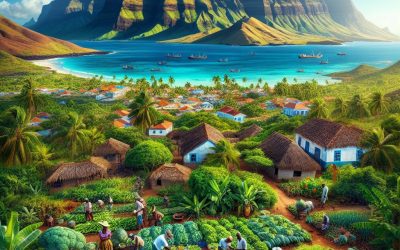
The Faroe Islands, an archipelago nestled in the North Atlantic Ocean, are a territory of Denmark, comprising 18 islands that boast dramatic landscapes and a rich cultural heritage. The islands are situated approximately halfway between Iceland and Norway, making them a unique blend of Nordic and Celtic influences. With a population of around 50,000 inhabitants, the Faroe Islands are known for their rugged terrain, steep cliffs, and picturesque villages, which are often adorned with grass-roofed houses. The islands’ isolation has fostered a distinct identity, with a language and traditions that reflect their Viking ancestry. The geography of the Faroe Islands is characterised by steep mountains, deep fjords, and a coastline that is both jagged and beautiful. The climate is classified as subpolar oceanic, resulting in cool summers and mild winters, with frequent rainfall that contributes to the lush greenery of the islands. This unique environment not only shapes the lifestyle of the Faroese people but also supports a diverse range of flora and fauna. The islands are a haven for nature enthusiasts, offering breathtaking scenery and opportunities for outdoor activities such as hiking, birdwatching, and fishing. The combination of natural beauty and cultural richness makes the Faroe Islands a captivating destination for those seeking adventure and tranquillity. Summary The Faroe Islands are a remote archipelago in the North Atlantic, known for their stunning natural beauty and unique wildlife. The flora of the Faroe Islands is characterized by hardy, low-lying plants that have adapted to the harsh and windy climate. The fauna of the Faroe Islands includes a variety of seabirds, such as puffins and fulmars, as well as seals...

Exploring the Flora and Fauna of Tajikistan

Exploring the Flora and Fauna of Tajikistan

Tajikistan, a landlocked country nestled in Central Asia, is often overlooked in discussions about biodiversity. However, this mountainous nation boasts a rich tapestry of ecosystems that are home to a remarkable variety of flora and fauna. The rugged terrain, which includes the towering Pamir Mountains and expansive valleys, creates a multitude of habitats that support an array of species. The geographical diversity, combined with varying climatic conditions, has resulted in a unique blend of biodiversity that is both fascinating and vital for ecological balance. The country’s biodiversity is not merely a collection of species; it is a complex web of interactions that sustains life. From the arid steppes to the lush river valleys, Tajikistan’s ecosystems are intricately linked to the cultural and economic practices of its people. The preservation of this biodiversity is crucial not only for the environment but also for the livelihoods of local communities who rely on natural resources for their sustenance. As Tajikistan continues to develop, understanding and protecting its biodiversity becomes increasingly important. Summary Tajikistan is home to a rich and diverse range of flora and fauna, making it a hotspot for wildlife enthusiasts and nature lovers. The unique flora of Tajikistan includes rare and endemic species, such as the Tulipa greigii and the Pamir onion, which can be found in the country’s mountainous regions. The diverse fauna of Tajikistan includes iconic species such as the snow leopard, Marco Polo sheep, and the Himalayan brown bear, as well as a wide variety of bird species. Conservation efforts in Tajikistan are focused on protecting and preserving the country’s natural habitats and wildlife, with initiatives aimed...

Exploring the Rich Flora and Fauna of Peru

Exploring the Rich Flora and Fauna of Peru

Peru is a country that boasts an extraordinary wealth of biodiversity, ranking among the most biologically diverse nations on the planet. This South American nation is home to a staggering array of species, many of which are endemic, meaning they are found nowhere else in the world. The unique geographical features of Peru, including the Andes mountain range, the Amazon rainforest, and coastal deserts, contribute to its rich tapestry of life. The interplay of these diverse habitats creates a multitude of ecological niches, allowing for the evolution of a wide variety of organisms. The significance of Peru’s biodiversity extends beyond its borders; it plays a crucial role in global ecological health. The Amazon rainforest, often referred to as the “lungs of the Earth,” is vital for carbon sequestration and oxygen production. Furthermore, Peru’s ecosystems provide essential services such as water purification, soil fertility, and climate regulation. Understanding and appreciating this biodiversity is essential not only for conservation efforts but also for the sustainable development of the region, as it underpins the livelihoods of millions of people who depend on these natural resources. Summary Peru is home to an incredibly diverse range of ecosystems, making it one of the most biodiverse countries in the world. The unique flora of Peru includes over 25,000 species of plants, many of which are endemic to the region. Peru’s fascinating fauna includes iconic species such as the Andean condor, jaguar, and spectacled bear, as well as countless other unique and rare animals. Conservation efforts in Peru are crucial for protecting the country’s rich biodiversity, with initiatives focused on preserving both flora and fauna. Ecotourism...

Exploring the Rich Flora and Fauna of Kazakhstan

Exploring the Rich Flora and Fauna of Kazakhstan

Kazakhstan, the world’s largest landlocked country, is a treasure trove of biodiversity, boasting a rich tapestry of ecosystems that support a wide array of flora and fauna. Spanning over 2.7 million square kilometres, the nation is characterised by its vast steppes, rugged mountains, expansive deserts, and numerous rivers and lakes. This geographical diversity creates a multitude of habitats, each hosting unique species adapted to their specific environments. The country is home to more than 6,000 species of vascular plants, around 180 species of mammals, over 500 species of birds, and a plethora of reptiles and amphibians. Such a wealth of biodiversity is not only vital for ecological balance but also plays a significant role in the cultural and economic fabric of the nation. Kazakhstan’s biodiversity is further enriched by its position at the crossroads of Europe and Asia, which has facilitated the migration and mixing of various species over millennia. The country’s ecosystems are influenced by both continental and oceanic climates, resulting in distinct biomes that range from temperate forests in the north to arid deserts in the south. This climatic variation contributes to the high levels of endemism found in certain regions, where species have evolved in isolation. The preservation of this biodiversity is crucial, not only for maintaining ecological integrity but also for supporting local communities that rely on natural resources for their livelihoods. Summary Kazakhstan is home to a rich and diverse range of flora and fauna, making it a hotspot for biodiversity enthusiasts. The diverse ecosystems of Kazakhstan include deserts, steppes, mountains, and forests, each supporting a unique array of wildlife. The unique flora of...

Exploring the Flora and Fauna of France

Exploring the Flora and Fauna of France

France, a nation renowned for its rich cultural heritage and historical significance, is equally celebrated for its diverse flora and fauna. The country’s varied landscapes, ranging from the snow-capped peaks of the Alps to the sun-drenched beaches of the Mediterranean, provide a multitude of habitats that support an impressive array of plant and animal life. This biodiversity is not merely a backdrop to the French way of life; it is an integral part of the nation’s identity, influencing everything from cuisine to art. The intricate relationships between species and their environments are a testament to the ecological richness that France has to offer. The flora and fauna of France are shaped by its geographical diversity and climatic variations. With over 15,000 species of plants and a wealth of animal life, the country boasts ecosystems that are both unique and vital. From the lush forests of the Vosges to the wetlands of the Camargue, each region presents distinct ecological characteristics. This article delves into the various ecosystems found within France, highlights iconic wildlife, discusses endangered species, and examines conservation efforts aimed at preserving this natural heritage. Summary France is home to a rich and diverse range of flora and fauna, making it a paradise for nature enthusiasts. From the snow-capped Alps to the sun-drenched Mediterranean coast, France boasts a variety of ecosystems, each supporting unique wildlife. Iconic wildlife in France includes the majestic red deer, the elusive lynx, and the charming European hedgehog. Several species in France, such as the European mink and the Corsican red deer, are facing threats to their survival and are classified as endangered. Notable flora...

Exploring the Flora and Fauna of Pitcairn Islands

Exploring the Flora and Fauna of Pitcairn Islands

The Pitcairn Islands, a remote archipelago located in the southern Pacific Ocean, are perhaps best known for their historical significance as the refuge of the mutineers from the HMS Bounty in 1789. This small group of islands, which includes Pitcairn, Henderson, Ducie, and Oeno, is one of the most isolated inhabited places on Earth, situated approximately halfway between South America and New Zealand. The main island, Pitcairn, is home to a population of around fifty residents, descendants of the Bounty mutineers and Tahitians who accompanied them. The islands are governed as a British Overseas Territory, and their unique cultural heritage and natural beauty make them a fascinating subject of study. The geography of the Pitcairn Islands is characterised by rugged terrain, steep cliffs, and lush vegetation. The islands are volcanic in origin, with Pitcairn itself rising dramatically from the ocean. The climate is tropical, with warm temperatures year-round and a wet season that brings heavy rainfall. This environment has fostered a rich biodiversity that is both unique and fragile. The isolation of the islands has allowed for the evolution of distinct species, many of which are found nowhere else on the planet. As such, the Pitcairn Islands represent not only a significant historical site but also an ecological treasure trove that warrants exploration and conservation. Summary The Pitcairn Islands are a group of four volcanic islands in the southern Pacific Ocean, known for their remote location and unique biodiversity. The unique flora of the Pitcairn Islands includes a variety of endemic plant species, such as the rare Henderson Island cabbage tree and the Pitcairn Island pawpaw. The diverse fauna...

Exploring Kuwait’s Flora and Fauna

Exploring Kuwait’s Flora and Fauna

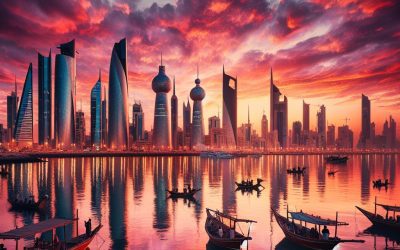
Kuwait, a small yet strategically significant nation located at the northwestern tip of the Arabian Gulf, is often overshadowed by its more prominent neighbours in terms of biodiversity. However, this desert country boasts a unique array of flora and fauna that have adapted to its harsh climatic conditions. The biodiversity of Kuwait is a reflection of its geographical position, which serves as a crossroads for migratory species and a habitat for endemic plants and animals. The arid landscape, characterised by vast deserts, salt flats, and coastal areas, presents a distinctive ecological tapestry that is both fragile and resilient. The country’s biodiversity is not merely a collection of species; it is an intricate web of life that plays a crucial role in maintaining ecological balance. The harsh environment, with its extreme temperatures and limited rainfall, has shaped the evolution of species that can withstand such conditions. As Kuwait continues to develop economically and urbanise rapidly, understanding and preserving its biodiversity has become increasingly important. This article delves into the unique plant species, wildlife, avian diversity, marine life, conservation efforts, ecotourism opportunities, and the challenges facing Kuwait’s rich natural heritage. Summary Kuwait’s biodiversity is unique and diverse, with a variety of plant and animal species adapted to its desert environment. The unique plant species in Kuwait include the desert hyacinth, desert thumb, and the rare Kuwaiti rock daisy. Kuwait is home to a variety of wildlife, including mammals such as the sand cat and the desert hedgehog, as well as reptiles like the spiny-tailed lizard and the sand boa. Bird watching in Kuwait is a popular activity, with the country being...

Exploring the Flora and Fauna of the Falkland Islands

Exploring the Flora and Fauna of the Falkland Islands

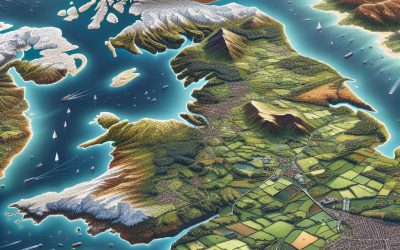
The Falkland Islands, an archipelago located in the South Atlantic Ocean, are a British Overseas Territory that has captured the imagination of adventurers, naturalists, and historians alike. Comprising over 700 islands, with the two main islands being East Falkland and West Falkland, this remote destination is known for its rugged landscapes, rich biodiversity, and a complex history that includes a long-standing territorial dispute with Argentina. The islands are situated approximately 300 miles from the coast of Argentina and about 600 miles from the nearest point in Antarctica, making them a unique blend of temperate and sub-Antarctic ecosystems. The climate of the Falkland Islands is characterised by strong winds, frequent rainfall, and cool temperatures, which contribute to the distinct ecological zones found throughout the archipelago. The islands are home to a variety of habitats, including grasslands, peat bogs, and coastal areas, each supporting a unique array of flora and fauna. The isolation of the Falkland Islands has allowed for the evolution of species that are not found anywhere else in the world, making them a significant area for biological research and conservation efforts. As such, the Falkland Islands offer a fascinating glimpse into the natural world, attracting visitors who seek to explore their unique ecosystems. Summary The Falkland Islands are a remote archipelago in the South Atlantic, known for their unique flora and fauna. The islands are home to a variety of plant species, including tussock grass, cushion plants, and native orchids. The diverse fauna of the Falkland Islands includes penguins, seals, sea lions, and a wide range of bird species. Conservation efforts in the Falkland Islands focus on protecting...

Exploring Colombia’s Rich Flora and Fauna

Exploring Colombia’s Rich Flora and Fauna

Colombia is a country that boasts an extraordinary wealth of biodiversity, ranking as one of the most biologically diverse nations on the planet. With its varied topography, ranging from the Andes mountains to the Amazon rainforest, and its extensive coastlines along both the Caribbean Sea and the Pacific Ocean, Colombia serves as a unique ecological crossroads. This geographical diversity contributes to a multitude of habitats, each supporting a wide array of plant and animal species. The nation is home to approximately 59,000 species of plants, 1,900 species of birds, and over 500 species of mammals, making it a veritable treasure trove for biologists and nature enthusiasts alike. The significance of Colombia’s biodiversity extends beyond mere numbers; it plays a crucial role in the global ecosystem. The country’s rich natural resources provide essential services such as carbon sequestration, water purification, and soil fertility. Furthermore, Colombia’s ecosystems are vital for the livelihoods of millions of people who depend on them for food, medicine, and economic activities. However, this natural wealth is under threat from various human activities, making it imperative to understand and protect Colombia’s unique biodiversity. Summary Colombia is one of the most biodiverse countries in the world, with a wide variety of ecosystems and species. The diverse ecosystems of Colombia include rainforests, mountains, deserts, and coastal areas, each with its own unique flora and fauna. Colombia is home to over 50,000 plant species, many of which are found nowhere else in the world. The fascinating fauna of Colombia includes iconic species such as jaguars, spectacled bears, and colourful birds like the Andean cock-of-the-rock. Threats to Colombia’s biodiversity include deforestation,...

Discovering the Rich Flora and Fauna of Cook Islands

Discovering the Rich Flora and Fauna of Cook Islands

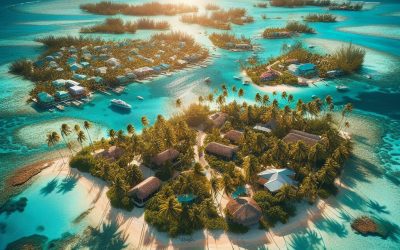
The Cook Islands, a stunning archipelago located in the South Pacific Ocean, is a realm of breathtaking beauty and rich cultural heritage. Comprising 15 islands, the Cook Islands are divided into two groups: the Northern and Southern islands. The capital, Avarua, is situated on Rarotonga, the largest island, which serves as the primary gateway for visitors. The islands are renowned for their pristine beaches, crystal-clear lagoons, and vibrant coral reefs, making them a popular destination for tourists seeking both relaxation and adventure. The unique blend of Polynesian culture and natural splendour creates an enchanting atmosphere that captivates all who visit. The Cook Islands are not only a paradise for beach lovers but also a treasure trove of biodiversity. The islands boast a variety of ecosystems, from lush rainforests to coral reefs teeming with marine life. This ecological diversity is complemented by the rich cultural tapestry woven by the indigenous people, who have inhabited these islands for centuries. The Cook Islands’ flora and fauna are integral to the identity of its inhabitants, who have developed a deep connection with their environment. As we delve into the natural wonders of the Cook Islands, we will uncover the intricate relationships between its ecosystems and the cultural practices of its people. Summary The Cook Islands are a stunning South Pacific nation with a rich biodiversity and unique ecological features. The diverse flora of the Cook Islands includes a wide variety of tropical plants, flowers, and trees, making it a paradise for nature lovers. The fascinating fauna of the Cook Islands includes a range of bird species, marine life, and land animals, offering plenty...

Scroll to Top