World Geography
Geography is the study of the Earth’s landscapes, environments, and the relationships between people and their surroundings. It encompasses both the physical aspects of the Earth, such as its landforms, bodies of water, and climate, as well as the human aspects, including population distribution, cultures, and economies. World geography is a broad field that seeks to understand the complexities of our planet and how humans interact with it. By studying world geography, we can gain a deeper appreciation for the diversity of our planet and the interconnectedness of its various regions.
Geography is a multidisciplinary field that draws on elements of physical science, social science, and humanities. It involves the use of maps, spatial analysis, and geographic information systems (GIS) to understand the Earth’s surface and the processes that shape it. World geography also encompasses the study of human geography, which examines the ways in which people and their activities are distributed across the Earth. By understanding world geography, we can better appreciate the environmental, cultural, and economic challenges facing different regions of the world. This knowledge is crucial for addressing global issues such as climate change, resource management, and international development.
The Five Oceans and Seven Continents
The Earth’s surface is divided into five major oceans: the Pacific, Atlantic, Indian, Southern (or Antarctic), and Arctic Oceans. These vast bodies of water play a crucial role in regulating the Earth’s climate and supporting diverse marine ecosystems. The oceans also serve as important transportation routes and a source of food and other natural resources for human societies around the world.
In addition to the oceans, the Earth’s landmasses are divided into seven continents: Africa, Antarctica, Asia, Europe, North America, Australia (or Oceania), and South America. Each continent has its own unique physical and cultural characteristics, shaped by millions of years of geological processes and human history. From the deserts of Africa to the rainforests of South America, the continents offer a rich tapestry of landscapes and environments for exploration and study.
Major Mountain Ranges and Deserts
The Earth’s surface is also marked by major mountain ranges and deserts that have shaped the planet’s physical and cultural landscapes. The Himalayas, for example, are the highest mountain range in the world and are home to diverse ecosystems and cultures in countries such as India, Nepal, and Bhutan. The Andes in South America, the Rockies in North America, and the Alps in Europe are other prominent mountain ranges that have influenced human settlement patterns and economic activities.
Deserts cover about one-third of the Earth’s land surface and are characterized by low precipitation and extreme temperatures. The Sahara Desert in Africa is the largest hot desert in the world, while the Gobi Desert in Asia is one of the largest cold deserts. Deserts are not only home to unique flora and fauna but have also been important trade routes and cultural crossroads throughout history.
Climate Zones and Biomes
The Earth’s climate is influenced by a variety of factors, including latitude, altitude, ocean currents, and prevailing winds. As a result, the planet is divided into different climate zones, each with its own characteristic weather patterns and ecosystems. The equator, for example, experiences a tropical climate with high temperatures and heavy rainfall, while the polar regions have a cold and dry climate.
These climate zones give rise to different biomes, or large ecological areas characterized by distinct plant and animal communities. The tropical rainforest biome, found near the equator, is home to a diverse array of species and is vital for regulating the Earth’s climate. The grasslands biome, found in regions such as the African savannah and North American prairies, supports grazing animals and has been important for human agriculture throughout history.
Human Geography and Population Distribution
Human geography examines the ways in which people and their activities are distributed across the Earth’s surface. It encompasses topics such as population growth, migration patterns, urbanization, and cultural diversity. Understanding human geography is crucial for addressing global challenges such as poverty, inequality, and environmental degradation.
Population distribution is uneven across the world, with some regions experiencing rapid population growth while others are declining. The majority of the world’s population lives in Asia, particularly in countries such as China and India. Urban areas are also growing rapidly, with more than half of the world’s population now living in cities. This trend has significant implications for infrastructure development, resource management, and social inequality.
Historical and Cultural Geography
Historical geography examines how human activities have shaped the Earth’s landscapes over time. It explores topics such as colonialism, trade routes, and the rise and fall of empires. Cultural geography focuses on how human cultures have developed in different regions of the world and how they interact with their environments.
The Silk Road, for example, was an ancient trade route that connected China with Europe and facilitated the exchange of goods, ideas, and technologies across Eurasia. This historical trade route had a profound impact on the development of cultures and economies along its path. Similarly, cultural geographers study how different societies have adapted to their environments through practices such as agriculture, architecture, and religious beliefs.
The Importance of Geographic Knowledge
Geographic knowledge is crucial for addressing global challenges such as climate change, resource management, and international development. By understanding world geography, we can better appreciate the environmental, cultural, and economic challenges facing different regions of the world. This knowledge is crucial for addressing global issues such as climate change, resource management, and international development.
Geographic knowledge also helps us to understand our interconnectedness with other regions of the world. By studying world geography, we can gain a deeper appreciation for the diversity of our planet and the interconnectedness of its various regions. This understanding can foster a sense of global citizenship and empathy for people from different cultures and backgrounds.
In conclusion, world geography is a complex and multifaceted field that encompasses both physical and human aspects of the Earth’s landscapes. By studying world geography, we can gain a deeper appreciation for the diversity of our planet and the interconnectedness of its various regions. This knowledge is crucial for addressing global challenges such as climate change, resource management, and international development. It also helps us to understand our interconnectedness with other regions of the world and fosters a sense of global citizenship.
FAQs
What is world geography?
World geography is the study of the Earth’s landscapes, environments, and the relationships between people and their environments. It encompasses the physical features of the Earth, as well as the human activity that takes place on it.
Why is world geography important?
World geography is important because it helps us understand the world around us. It provides insights into the physical and human processes that shape our planet, and helps us make informed decisions about how to interact with our environment.
What are the main branches of world geography?
The main branches of world geography include physical geography, which focuses on the Earth’s natural features and processes, and human geography, which examines the relationships between people and their environments.
How does world geography impact our daily lives?
World geography impacts our daily lives in numerous ways, from influencing the weather and climate we experience, to shaping the availability of natural resources and influencing the distribution of populations and cultures around the world.
What are some key concepts in world geography?
Key concepts in world geography include location, place, human-environment interaction, movement, and region. These concepts help geographers understand and interpret the world around them.
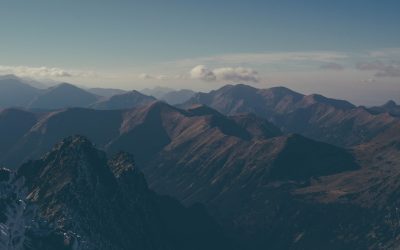
Terrain and Topography of Saint Vincent and the Grenadines: mountains, valleys, and plains.
Saint Vincent and the Grenadines, an enchanting archipelago nestled in the Caribbean Sea, is a nation that boasts a rich tapestry of natural beauty and cultural heritage. Comprising the main island of Saint Vincent and a chain of smaller islands known as the Grenadines, this tropical paradise is renowned for its stunning landscapes, vibrant marine life, and warm, welcoming communities. The islands are characterised by their lush greenery, dramatic coastlines, and a plethora of outdoor activities that attract visitors from around the globe. With a population of approximately 110,000 people, the islands are a melting pot of cultures, influenced by African, European, and indigenous Carib traditions, which are reflected in their music, cuisine, and festivals. The geography...

Political Boundaries of Saint Vincent and the Grenadines: Provinces, Districts, or Historical Boundaries.
Saint Vincent and the Grenadines, an enchanting archipelago located in the Caribbean Sea, is a nation that boasts a rich tapestry of culture, history, and natural beauty. Comprising the main island of Saint Vincent and a chain of smaller islands known as the Grenadines, this country is renowned for its stunning landscapes, including lush rainforests, volcanic mountains, and pristine beaches. The capital city, Kingstown, serves as the political and economic hub of the nation, where vibrant markets and colonial architecture reflect the island’s diverse heritage. With a population of approximately 110,000 people, Saint Vincent and the Grenadines is a melting pot of cultures, influenced by African, European, and indigenous Carib traditions. This unique blend is evident in the local cuisine, music, and festivals that celebrate the island’s rich history. The geographical layout of Saint Vincent and the Grenadines plays a significant role in shaping its identity. The main island of Saint Vincent is characterised by its volcanic origin, with the majestic La Soufrière volcano being a prominent feature. The Grenadines, on the other hand, are a collection of smaller islands that vary in size and character, each offering its own unique charm. From the bustling streets of Bequia to the tranquil shores of Mustique, these islands attract tourists from around the globe seeking both adventure and relaxation. The nation’s economy is heavily reliant on tourism, agriculture, and fishing, which are all influenced by its geographical features. As we delve deeper into the historical evolution of political boundaries in this archipelago, we will uncover how these factors have shaped the governance and identity of Saint Vincent and the Grenadines. Summary...
Climate Zones of Saint Vincent and the Grenadines: Different climate regions Of Saint Vincent and the Grenadines
Saint Vincent and the Grenadines, an enchanting archipelago located in the Caribbean Sea, is renowned for its stunning natural beauty and rich cultural heritage. Comprising the main island of Saint Vincent and a chain of smaller islands known as the Grenadines, this nation is a paradise for nature lovers and adventure seekers alike. The islands are characterised by lush landscapes, pristine beaches, and vibrant marine life, making them a popular destination for tourists from around the globe. The capital city, Kingstown, serves as the cultural and economic hub of the country, where colonial architecture meets modern Caribbean life. The islands’ history is steeped in indigenous culture, colonial influences, and a blend of African, European, and East Indian traditions, which have shaped the unique identity of Saint Vincent and the Grenadines. The geographical diversity of Saint Vincent and the Grenadines contributes significantly to its climate, which varies across different regions of the islands. The archipelago is situated in a tropical zone, where climatic conditions are influenced by trade winds, ocean currents, and topographical features. This results in a variety of microclimates that support diverse ecosystems, ranging from coastal areas to mountainous regions. Understanding the different climate zones within Saint Vincent and the Grenadines is essential for appreciating its ecological richness and the lifestyle of its inhabitants. Each climate zone not only shapes the natural environment but also influences agricultural practices, tourism activities, and the overall quality of life for the local population. Summary Saint Vincent and the Grenadines is a small island country located in the Caribbean, known for its stunning natural beauty and diverse climate zones. The Tropical Rainforest...
Natural Resources of Saint Vincent and the Grenadines: Where Natural Resources are located In Saint Vincent and the Grenadines
Saint Vincent and the Grenadines, an enchanting archipelago located in the Caribbean Sea, is a nation that comprises the main island of Saint Vincent and a chain of smaller islands known as the Grenadines. This picturesque country is part of the Lesser Antilles and is situated to the west of Barbados and to the south of Saint Lucia. With a total land area of approximately 389 square kilometres, it is a relatively small nation, yet it boasts a rich tapestry of cultural heritage, natural beauty, and biodiversity. The capital city, Kingstown, serves as the political and economic hub, where colonial architecture meets vibrant markets and lively street life. The population of around 110,000 people is predominantly of African descent, with a mix of East Indian, European, and indigenous Carib influences, contributing to a diverse cultural landscape. The economy...
Cultural or Historical Sites of Saint Vincent and the Grenadines: Important Cultural Landmarks or Historical Sites In Saint Vincent and the Grenadines
Saint Vincent and the Grenadines, an enchanting archipelago located in the Caribbean Sea, is a nation that boasts a rich tapestry of culture, history, and natural beauty. Comprising the main island of Saint Vincent and a chain of smaller islands, including Bequia, Mustique, and Union Island, this nation is renowned for its stunning landscapes, vibrant marine life, and warm, welcoming communities. The capital city, Kingstown, serves as the cultural and economic hub of the country, where colonial architecture meets modern Caribbean life. Visitors are often captivated by the lush greenery, volcanic mountains, and pristine beaches that characterise the islands, making it a popular destination for those seeking both adventure and relaxation. The history of Saint Vincent and the Grenadines is as diverse as its geography. Originally inhabited by the indigenous Carib people, the islands were later colonised by European powers, including the French and British. This colonial past has left an indelible mark on the culture of the islands, evident in the local dialects, cuisine, and festivals that celebrate both African and European heritage. Today, Saint Vincent and the Grenadines is an independent nation that embraces its multicultural identity while promoting sustainable tourism and environmental conservation. The islands are not only a paradise for beach lovers but also a treasure trove for history enthusiasts and nature lovers alike. Summary Saint Vincent and the Grenadines is a stunning Caribbean destination with a rich history and natural beauty. Fort Charlotte offers breathtaking views of Kingstown and the surrounding area, making it a must-visit attraction. The Botanical Gardens are a peaceful oasis with a diverse collection of tropical plants and beautiful landscapes....
Saint Vincent and the Grenadines
Saint Vincent and the Grenadines Capital: Kingstown Population (Estimated July 2012): 103,537 Area: 389.3 km2 or 150.3 mi2 Currency: Eastern Caribbean dollar (EC$) Official Language: English Political Information: Constitutional Monarchy with a Parliamentary Democracy Official Religion: No Official Religion(approximately 75% of the population are Protestant, 13% are Roman Catholic, and 12% have other religious beliefs ) Highest Mountain: La Soufriere at 1,234m or 4,049ft GDP Official Exchange Rate (OER is more precise at gauging a country’s economic power) (Estimated 2011): $700 million (US$) or (GBP) GDP (OER) Per Capita (per member of the population estimated 2011): (US$) or (GBP) GDP Purchasing Power Parity (PPP is good for gauging living conditions and the use of resources but is not as accurate as OER. This data has been calculated based on the sum value of all goods and services produced in the country valued at prices prevailing in the United States) (Estimated 2011): $1.224 billion (US$) or (GBP) GDP (PPP) Per Capita (per member of the population estimated 2011): $11,700 (US$) or (GBP) Time Zone (GMT/UTC): -4:00 Wildlife: Counties/Provinces/States: 6 parishes; Charlotte, Grenadines, Saint Andrew, Saint David, Saint George, Saint Patrick Leaders: H.M. Queen Elizabeth II, represented by Governor-General Sir Frederick Ballantyne with Prime Minister: Ralph Gonsalves Additional: Gained independence from the U.K. on the 27th of October 1979. Sources: CIA World Fact Book, Encyclopaedia Britannica. Saint Vincent and the Grenadines Saint Vincent and the Grenadines, an enchanting archipelago located in the Caribbean Sea, is a nation that boasts a rich tapestry of culture, history, and natural beauty. Comprising the main island of Saint Vincent and a chain of smaller islands known as the Grenadines, this country...

Population Density of Saint Lucia
Saint Lucia, a picturesque island nation nestled in the eastern Caribbean, is renowned for its stunning landscapes, vibrant culture, and rich history. With its lush rainforests, volcanic beaches, and the iconic Pitons rising majestically from the sea, the island attracts tourists from around the globe. The capital city, Castries, serves as the economic and administrative hub, while the island’s diverse population contributes to a unique blend of cultural influences. The nation has a population of approximately 183,000 people, making it one of the smaller countries in the Caribbean. Despite its size, Saint Lucia boasts a complex social fabric shaped by its colonial past, African heritage, and the influence of various European settlers. The island’s geographical features and climate play a significant role in shaping its demographic patterns. With a total area of about 617 square kilometres, the distribution of the population is uneven, leading to varying levels of population density across different regions. Understanding the dynamics of population density in Saint Lucia is crucial for addressing the challenges and opportunities that arise from it. As the nation continues to develop economically and socially, the implications of population density on infrastructure, resources, and overall quality of life become increasingly significant. This article delves into the concept of population density, its influencing factors in Saint Lucia, and the broader implications for the island’s future. Summary Saint Lucia is a small island nation in the Caribbean with a diverse population and rich cultural heritage. Population density refers to the number of people living per square kilometre and is influenced by factors such as geography, climate, and economic opportunities. In Saint Lucia, population...

History of Saint Lucia
Before the arrival of European powers, the Caribbean was a vibrant tapestry of indigenous cultures and societies. The region was primarily inhabited by the Arawak and Carib peoples, who had established complex social structures and engaged in agriculture, fishing, and trade. The Arawaks, known for their peaceful nature, cultivated crops such as cassava, maize, and sweet potatoes, while the Caribs were more warlike and often engaged in conflict with neighbouring tribes. These indigenous groups had a profound understanding of their environment, utilising the rich biodiversity of the islands to sustain their communities. Their spiritual beliefs were deeply intertwined with nature, and they held ceremonies that celebrated the cycles of life and the spirits of their ancestors. The social organisation of these pre-colonial societies was intricate, with leadership often based on consensus and communal decision-making. The Arawaks lived in large villages governed by chiefs known as caciques, who played a crucial role in maintaining harmony and order within their communities. Trade networks flourished among the islands, facilitating the exchange of goods, ideas, and cultural practices. The arrival of Europeans in the late 15th century would dramatically alter this landscape, leading to the decline of these indigenous populations through disease, warfare, and enslavement. The rich cultural heritage of the Caribbean’s first inhabitants would be overshadowed by the forces of colonisation, yet their legacy continues to influence the region’s identity today. Summary Pre-Colonial Era: Barbados was inhabited by the Arawak and Carib people before the arrival of the Europeans. European Colonization: The Portuguese were the first Europeans to discover Barbados in 1536, followed by the English in 1625 who established a permanent...

Terrain and Topography of Saint Lucia: mountains, valleys, and plains.
Saint Lucia, a jewel nestled in the Caribbean Sea, is renowned for its stunning natural beauty and diverse landscapes. The island’s terrain is a captivating blend of rugged mountains, lush valleys, and pristine coastlines, all of which contribute to its unique charm. With an area of approximately 617 square kilometres, Saint Lucia boasts a topography that varies dramatically from one region to another. The island’s interior is dominated by the majestic Pitons, two volcanic spires that rise sharply from the landscape, while the coastal areas are characterised by sandy beaches and coral reefs. This diverse topography not only shapes the island’s aesthetic appeal but also influences its climate, biodiversity, and human activities. The interplay between the island’s geological history and its current topography creates a rich tapestry of ecosystems. From the dense rainforests that blanket the mountains to the vibrant coral reefs that fringe the shores, Saint Lucia’s terrain supports a wide array of flora and fauna. The elevation changes across the island lead to microclimates that foster unique habitats, making it a hotspot for biodiversity. As we delve deeper into the various aspects of Saint Lucia’s terrain and topography, we will uncover the intricate relationships between its natural features and the life they sustain, as well as the challenges posed by human interaction and environmental changes. Summary Saint Lucia’s terrain is characterized by its diverse topography, including mountains, valleys, coastal plains, and volcanic origins. The iconic Pitons are majestic mountains that are a symbol of Saint Lucia and a popular tourist attraction. The valleys of Saint Lucia are known for their lush and fertile landscapes, making them ideal...

Climate Zones of Saint Lucia: Different Climate Regions Of Saint Lucia
Saint Lucia, a picturesque island nestled in the eastern Caribbean Sea, is renowned for its stunning landscapes, vibrant culture, and diverse ecosystems. The island’s climate is a significant factor that shapes its natural beauty and influences the lifestyle of its inhabitants. Saint Lucia experiences a variety of climate zones, each characterised by distinct weather patterns, vegetation, and ecological features. Understanding these climate zones is essential for appreciating the island’s rich biodiversity and the ways in which its environment supports both human activity and wildlife. The interplay between the island’s geographical features, such as its mountainous terrain and coastal areas, contributes to the complexity of its climate, resulting in a range of microclimates that can vary dramatically over short distances. The classification of Saint Lucia’s climate zones is primarily based on the Köppen climate classification system, which categorises climates according to temperature and precipitation patterns. This system reveals that Saint Lucia is predominantly influenced by tropical climates, with variations that reflect the island’s topography and proximity to the ocean. The island’s climate is characterised by a wet season and a dry season, with temperatures generally remaining warm throughout the year. However, the presence of different climate zones allows for a rich tapestry of flora and fauna, making Saint Lucia not only a paradise for tourists but also a vital area for ecological research and conservation efforts. In this article, we will explore the various climate zones of Saint Lucia in detail, highlighting their unique characteristics and significance. Summary Saint Lucia has diverse climate zones, each with its own unique characteristics and weather patterns. The Tropical Rainforest Climate Zone experiences high...

Political Boundaries of Saint Lucia: Provinces, Districts, or Historical Boundaries.
Saint Lucia, a picturesque island nation nestled in the eastern Caribbean, is renowned for its stunning landscapes, vibrant culture, and rich history. However, beyond its natural beauty lies a complex political framework that governs the island. The political boundaries of Saint Lucia are not merely lines on a map; they represent the historical, social, and economic realities that shape the lives of its citizens. Understanding these boundaries is crucial for grasping the governance and administrative structures that operate within this small yet significant nation. The political landscape of Saint Lucia is characterised by its division into various administrative units, which play a pivotal role in local governance and resource allocation. The island’s political boundaries have evolved over time, influenced by colonial legacies, demographic changes, and socio-economic developments. These boundaries delineate not only the geographical divisions but also the cultural and historical identities of the communities within them. As such, they are integral to understanding the dynamics of power, representation, and local governance in Saint Lucia. This article will delve into the various aspects of Saint Lucia’s political boundaries, exploring its provinces and districts, historical context, evolution over time, and the implications for governance and administration. Additionally, it will address the challenges and controversies that arise from these boundaries and consider the future trajectory of Saint Lucia’s political landscape. Summary Saint Lucia’s political boundaries are defined by its constitution and international agreements The country is divided into 11 administrative regions known as Provinces Each Province is further divided into Districts, each with its own local government Saint Lucia’s historical boundaries have been shaped by colonial rule and international treaties The...

Cultural or Historical Sites of Saint Lucia: Important Cultural Landmarks or Historical Sites In Saint Lucia
Rising majestically from the Caribbean Sea, the Pitons of Saint Lucia are two volcanic spires that have become synonymous with the island’s identity. These twin peaks, Gros Piton and Petit Piton, are not only breathtakingly beautiful but also serve as a testament to the island’s volcanic origins. Gros Piton, the taller of the two, stands at an impressive 798 metres, while Petit Piton reaches a height of 743 metres. Their dramatic silhouettes against the backdrop of lush greenery and azure waters create a striking visual that attracts visitors from around the globe. The Pitons are recognised as a UNESCO World Heritage Site, underscoring their ecological and geological significance. The surrounding area is rich in biodiversity, featuring a variety of flora and fauna that thrive in the unique microclimates created by the peaks. The allure of the Pitons extends beyond their stunning appearance; they are also a hub for adventure and exploration. Hiking enthusiasts flock to the trails that wind around and up these volcanic formations, offering panoramic views of the island and the Caribbean Sea. The ascent to Gros Piton is particularly popular, with guided tours available to ensure safety and provide insights into the local ecology and geology. The experience is not just about reaching the summit; it is also about immersing oneself in the vibrant natural environment that surrounds these iconic landmarks. The Pitons are a symbol...