Explore the World Through Geography, Natural Resources & Daily History
Clear, reliable and engaging guides that help you understand our planet — from UK geography education to global natural resources and On This Day history events.
Explore, discover, and learn about the wonders of our world! At Earth Site, we’re passionate about bringing geography, history, and science to life for curious minds of all ages. Whether you’re delving into historical events, uncovering the mysteries of the natural world, or seeking interactive resources, you’re in the right place.
Here, you can uncover the stories behind historical events, explore the natural wonders of our planet, and gain valuable insights into how the Earth’s systems shape our daily lives. From the towering peaks of mountain ranges to the far-reaching impacts of human innovation, we aim to make every topic both engaging and informative.
Start your journey of discovery with us today, and let’s make learning an adventure!
What We Cover
Earth Site brings together engaging and accessible educational content designed to help you understand the world, its history, and its natural systems.
🌍 Geography Education (UK & Worldwide)
We publish clear, easy-to-understand geography resources for students, teachers and curious learners. Our guides support geography education in the UK and cover physical geography, climate, ecosystems, population, and global development.
⛏️ Natural Resources & Environmental Geography
Explore detailed country profiles covering natural resources, mining, energy, geology and global environmental challenges. We show how nations manage minerals, water, land and ecosystems, and why these resources matter.
📅 On This Day in History
Every day has a story. Our On This Day history series features major events, anniversaries, traditions, and cultural milestones from around the world — with timelines, context, and fun facts.
TIMELINE
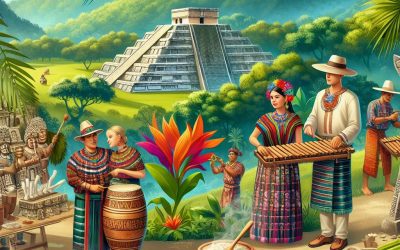
Guatemala
Guatemala (República de Guatemala (Republic of Guatemala)) Capital: Guatemala City Population (Estimated July 2012): 14,099,032 Area: 109,117 km2 or 42,130 mi2 Currency: Quetzal (Q) Official Language: Spanish Political Information: Unitary Presidential Constitutional Republic Official Religion: No Official Religion (Roman Catholic, Protestant and Indigenous Mayan religious beliefs are most common) Highest Mountain: Volcán Tajumulco 4,220m or 13,845 ft GDP Official Exchange Rate (OER is more precise at gauging a country’s economic power) (Estimated 2011): $46.7 billion (US$) or (GBP) GDP (OER) Per Capita (per member of the population estimated 2011): (US$) or (GBP) GDP Purchasing Power Parity (PPP is good for gauging living conditions and the use of resources but is not as accurate as OER. This data has been calculated based on the sum value of all goods and services produced in the country valued at prices prevailing in the United States) (Estimated 2011): $74.64 billion (US$) or (GBP) GDP (PPP) Per Capita (per member of the population estimated 2011): $5,000 (US$) or (GBP) Time Zone (GMT/UTC): -6:00 Wildlife: Counties/Provinces/States: 22 Departments (departamentos, singular – departamento); Alta Verapaz, Baja Verapaz, Chimaltenango, Chiquimula, El Progreso, Escuintla, Guatemala, Huehuetenango, Izabal, Jalapa, Jutiapa, Peten, Quetzaltenango, Quiche, Retalhuleu, Sacatepequez, San Marcos, Santa Rosa, Solola, Suchitepequez, Totonicapan, Zacapa Leaders: President Otto Pérez Molina and Vice President Roxana Baldetti Additional: Gained independence From Spain on the 15th of September 1821. Sources: CIA World Fact Book, Encyclopaedia...

Climate Zones of Grenada: Different climate regions Of Grenada
Grenada, known as the “Spice Isle” due to its production of nutmeg and other spices, is a small island country located in the Caribbean. The country is known for its diverse climate zones, which range from tropical rainforests to semi-arid regions. The climate in Grenada is influenced by its location in the Caribbean Sea, as well as its topography, which includes mountainous terrain and coastal areas. These factors contribute to the variety of climate zones found within the country, each with its own unique characteristics and impact on the environment and agriculture. The diverse climate zones in Grenada play a significant role in shaping the country’s natural environment and agricultural practices. From the lush rainforests in the interior to the arid coastal regions, each climate zone presents its own set of challenges and opportunities for the people and ecosystems of Grenada. Understanding the distinct characteristics of each climate zone is essential for managing natural resources, conserving biodiversity, and sustaining agricultural production in the country. Summary Grenada has diverse climate zones, including tropical rainforest, subtropical highland, semi-arid, and coastal climates. The tropical rainforest climate in Grenada is characterized by high temperatures, heavy rainfall, and lush vegetation. The subtropical highland climate in Grenada features cooler temperatures and is ideal for growing crops such as coffee and cocoa. Grenada’s semi-arid climate experiences low rainfall and high temperatures, making it challenging for agriculture. The coastal climate in Grenada is influenced by the sea, with warm temperatures and moderate rainfall. Tropical Rainforest Climate in Grenada Grenada’s interior regions are characterized by a tropical rainforest climate, with high levels of rainfall and humidity throughout the...

Political Boundaries of Grenada: Provinces, Districts, or Historical Boundaries.
Grenada, a small island country located in the Caribbean, is known for its stunning natural beauty and rich cultural heritage. The political boundaries of Grenada play a crucial role in shaping the governance and administration of the country. The political boundaries of Grenada are defined by its provinces and districts, which are essential for the effective functioning of the government and the delivery of public services. Understanding the political boundaries of Grenada is vital for comprehending the country’s political landscape and the distribution of power and resources within its territory. The political boundaries of Grenada are a reflection of its historical development and the complex interplay of social, economic, and geographical factors. The provinces and districts of Grenada are not just administrative divisions but also represent the diverse cultural and social identities within the country. The political boundaries of Grenada have evolved over time, influenced by colonial legacies, demographic changes, and political considerations. As such, they are a dynamic and contested aspect of the country’s governance, with implications for representation, resource allocation, and local autonomy. Summary Grenada is a small island nation in the Caribbean with distinct political boundaries. The country is divided into six parishes, each with its own unique characteristics and governance. Within the parishes, there are 17 administrative districts that play a crucial role in local governance and development. Grenada’s political boundaries have evolved over time, influenced by colonial history and geopolitical factors. The impact of political boundaries on governance in Grenada has led to challenges and controversies, particularly in terms of resource allocation and representation. Provinces of Grenada Grenada is divided into six administrative regions...

History of Grenada
Grenada, located in the eastern Caribbean, was originally inhabited by the indigenous Arawak and Carib peoples. The Arawaks were the first to settle on the island, followed by the more aggressive Caribs who eventually conquered the Arawaks. The Caribs were skilled in agriculture, fishing, and warfare, and they established a complex society with a hierarchical structure. They were known for their resistance to European colonization and their fierce defense of their homeland. The island’s lush landscape and fertile soil made it an ideal location for agriculture, and the indigenous people cultivated crops such as cassava, sweet potatoes, and yams. They also made good use of the island’s natural resources, including timber, medicinal plants, and fish from the surrounding waters. The Caribs were skilled boat builders and navigators, and they used their canoes to travel between the islands of the Caribbean. Their culture was rich in art, music, and storytelling, and they had a deep spiritual connection to the natural world around them. The arrival of Europeans would drastically alter the course of Grenada’s history, but the legacy of the indigenous peoples would continue to influence the island’s culture and identity. The pre-colonial era of Grenada was marked by the thriving indigenous Arawak and Carib communities. These communities were skilled in agriculture, fishing, and boat building, and they had a rich cultural heritage that was deeply connected to the natural world. The arrival of Europeans would bring significant changes to the island, but the legacy of the indigenous peoples would continue to shape Grenada’s history and culture for centuries to come. Summary Pre-colonial era: Grenada was originally inhabited by the...

Terrain and Topography of Grenada: mountains, valleys, and plains.
Grenada, known as the “Spice Isle,” is a stunning Caribbean island nation that boasts a diverse and captivating terrain. The topography of Grenada is characterised by its mountainous interior, lush valleys, gorges, and coastal plains. The island’s terrain is a result of its volcanic origins, with the landscape shaped by the activity of past eruptions. This has created a unique and varied environment that is a major draw for tourists and a key factor in the island’s agricultural productivity. The terrain and topography of Grenada play a crucial role in shaping the island’s climate, influencing everything from rainfall patterns to temperature variations. Additionally, the diverse terrain of Grenada has a significant impact on the island’s agriculture and tourism industries, making it an essential aspect of the nation’s economy and culture. Summary Grenada’s terrain is characterized by its diverse topography, including mountains, valleys, gorges, and coastal plains. The majestic mountains of Grenada, such as Mount St. Catherine, offer breathtaking views and opportunities for hiking and adventure. The lush valleys and gorges of Grenada, like Grand Etang and the Seven Sisters Waterfalls, are home to rich biodiversity and stunning natural beauty. Exploring the coastal plains of Grenada provides access to beautiful beaches, fishing villages, and important ecosystems like mangroves and coral reefs. Grenada’s terrain and topography play a crucial role in shaping the island’s climate, with varying temperatures and rainfall patterns across different regions. The Majestic Mountains of Grenada Grenada is home to a series of majestic mountains that dominate the island’s interior. The highest peak, Mount St. Catherine, rises to an impressive 840 meters (2,760 feet) above sea level, offering...

Population Density of Grenada
Grenada, a small island nation located in the Caribbean, is known for its stunning natural beauty, rich cultural heritage, and warm, welcoming people. With a total land area of just 344 square kilometers, Grenada is one of the smallest countries in the Western Hemisphere. Despite its small size, Grenada has a relatively high population density, with an estimated population of around 112,000 people. This gives Grenada a population density of approximately 326 people per square kilometer, making it one of the most densely populated countries in the Caribbean region. The high population density in Grenada is largely concentrated in urban areas, particularly in the capital city of St. George’s. The rapid urbanization and population growth in Grenada have led to various social, economic, and environmental challenges for the country. Understanding the factors contributing to Grenada’s population density, comparing it with other countries, and examining its impact on infrastructure are crucial for addressing the challenges and opportunities associated with high population density in Grenada. Summary Grenada has a population density of 331 people per square kilometre, making it one of the most densely populated countries in the Caribbean. Factors contributing to Grenada’s high population density include limited land availability, urbanisation, and inward migration. Compared to other Caribbean countries, Grenada’s population density is higher than the regional average, but lower than some of its neighbours like Barbados and Trinidad and Tobago. High population density in Grenada puts pressure on infrastructure such as housing, transportation, and healthcare, leading to congestion and strain on resources. The challenges of high population density in Grenada include environmental degradation, while opportunities include a diverse and dynamic...

Natural Resources of Grenada: Where Natural Resources are Located in Grenada
Grenada, known as the “Spice Isle,” is a small island country located in the Caribbean. The country is blessed with a rich abundance of natural resources, including fertile soil, lush forests, mineral deposits, and abundant marine life. These natural resources play a vital role in the country’s economy, providing employment opportunities, supporting agriculture and fishing industries, and contributing to the overall well-being of the population. The government of Grenada recognises the importance of sustainable management of these resources to ensure their long-term viability and to protect the environment for future generations. The diverse natural resources of Grenada have shaped the country’s cultural identity and economic development. The fertile soil and tropical climate have made agriculture a cornerstone of the economy, while the lush forests and abundant marine life provide valuable resources for various industries. However, the exploitation of these resources must be carefully managed to prevent depletion and environmental degradation. Through conservation efforts and sustainable practices, Grenada aims to preserve its natural resources for future generations while continuing to benefit from their economic potential. Summary Grenada is rich in natural resources, including fertile land, forests, minerals, water, and marine life. Agriculture is a key industry in Grenada, with a focus on nutmeg, cocoa, and bananas. Grenada’s forestry sector plays a vital role in the country’s economy, providing timber for construction and furniture. The mining industry in Grenada is focused on the extraction of minerals such as limestone and clay for construction purposes. Grenada’s abundant water resources are harnessed for hydroelectric power generation, contributing to the country’s energy needs. Agriculture and Farming in Grenada Agriculture is a vital component of...

Cultural or Historical Sites of Grenada: Important Cultural Landmarks or Historical Sites In Grenada
Grenada, known as the “Spice Isle” due to its production of nutmeg and other spices, is a beautiful island in the Caribbean with a rich cultural and historical heritage. The island is home to a number of fascinating cultural and historical sites that offer visitors a glimpse into Grenada’s past and present. From ancient forts to rum distilleries, Grenada’s cultural and historical sites are a testament to the island’s diverse and vibrant history. Whether you’re interested in learning about the island’s colonial past, exploring its natural beauty, or sampling its famous rum, Grenada has something to offer for everyone. Summary Grenada is rich in cultural and historical sites that offer a glimpse into the island’s vibrant past. The Fort George Historical Site provides stunning views of the capital city, St. George’s, and offers a fascinating look into Grenada’s colonial history. The Grenada National Museum houses a diverse collection of artifacts and exhibits that showcase the island’s history, from pre-Columbian times to the present day. The Dougaldston Estate is a must-visit for those interested in learning about Grenada’s cocoa and spice production, offering an immersive experience in the island’s agricultural heritage. Annandale Falls is a picturesque natural attraction that provides visitors with the opportunity to enjoy the island’s lush tropical landscape and cool off in its refreshing waters. The Fort George Historical Site One of the most iconic historical sites in Grenada is the Fort George Historical Site, located in the capital city of St. George’s. Built by the French in the 17th century and later expanded by the British, Fort George offers stunning panoramic views of the city and...

Grenada
Grenada Capital: St. George’s Population (Estimated July 2012): 109,011 Area: 344 km2 or 133 mi2 Currency: Eastern Caribbean Dollar (EC$) Official Language: English Political Information: Parliamentary Democracy under a Constitutional Monarchy Official Religion: No Official Religion (approximately 53% of the population are Roman Catholic, 13.8% are Anglican and 33.2% have other Protestant religious beliefs) Highest Mountain: Mount Saint Catherine at 840m or 2, 756ft GDP Official Exchange Rate (OER is more precise at gauging a countries economic power) (Estimated 2011): $800 million (US$) or (GBP) GDP (OER) Per Capita (per member of the population estimated 2011): (US$) or (GBP) GDP Purchasing Power Parity (PPP is good for gauging living conditions and use of resources but not as accurate as OER. This data has been calculated based on the sum value of all goods and services produced in the country valued at prices prevailing in the United States) (Estimated 2011): $1.453 billion (US$) or (GBP) GDP (PPP) Per Capita (per member of the population estimated 2011): $13,300 (US$) or (GBP) Time Zone (GMT/UTC): -4:00 Wildlife: Counties/Provinces/States: 6 parishes and 1 dependency*; Carriacou and Petite Martinique*, Saint Andrew, Saint David, Saint George, Saint John, Saint Mark, Saint Patrick Leaders: H.M. Queen Elizabeth II with Carlyle Glean as the Governor General and Tillman Thomas as Prime Minister Sources: CIA World Fact Book, Encyclopaedia Britannica. Grenada Grenada, also known as the “Spice Isle,” is a stunning Caribbean island located in the southeastern part of the Caribbean Sea. It is a part of the Windward Islands and is situated northwest of Trinidad and Tobago and northeast of Venezuela. The island is known for its lush rainforests, beautiful beaches, and vibrant culture. With a population of around...

Terrain and Topography of Greenland: mountains, valleys, and plains.
Greenland, the world’s largest island, is renowned for its stunning and diverse terrain and topography. The landscape of Greenland is characterized by its vast ice sheet, majestic mountains, deep valleys, and spectacular plains. The island’s terrain is a result of millions of years of geological processes, including tectonic activity, glacial erosion, and volcanic eruptions. Greenland’s unique topography has a significant impact on its climate, wildlife, and indigenous communities. As one of the last remaining wilderness areas on Earth, preserving Greenland’s terrain is crucial for the planet’s biodiversity and the well-being of future generations. Greenland’s terrain is dominated by the Greenland Ice Sheet, which covers approximately 80% of the island’s surface. This massive ice sheet is the second-largest in the world, after Antarctica, and plays a crucial role in regulating the Earth’s climate. The ice sheet is up to 3 kilometers thick in some areas and has been shaped by millions of years of snowfall and glacial movement. In addition to the ice sheet, Greenland is also home to a diverse range of mountains, valleys, and plains, each with its own unique characteristics and ecological significance. The island’s terrain is a testament to the power of natural forces and the resilience of the Earth’s ecosystems. Summary Greenland’s terrain is characterized by its diverse topography, including mountains, valleys, and plains. The majestic mountains of Greenland are some of the highest and most impressive in the world, offering breathtaking views and challenging terrain for adventurers. The vast valleys of Greenland are home to stunning glaciers and provide important habitats for wildlife, making them a key area for conservation efforts. The spectacular plains...

History of Greenland
Greenland has a rich history of human habitation dating back over 4,500 years. The first inhabitants of Greenland were the Paleo-Eskimos, who arrived in the region around 2500 BThese early settlers were a nomadic people who relied on hunting and fishing for their sustenance. They lived in small, scattered settlements along the coast and were skilled in the use of stone tools and weapons. The next wave of inhabitants to arrive in Greenland were the Thule people, who migrated from present-day Alaska around 1000 AD. The Thule people were the ancestors of the modern Inuit and were skilled hunters and fishermen. They built more permanent settlements and developed a rich cultural tradition, including the creation of intricate carvings and sculptures. The Thule people thrived in Greenland for centuries, adapting to the harsh Arctic environment and developing a unique way of life. The early inhabitants of Greenland left behind a rich archaeological record, including well-preserved settlements, tools, and artwork. Their legacy can still be seen in the culture and traditions of modern-day Greenlandic society, which has deep roots in the ancient history of the region. Summary Early inhabitants of Greenland were the Paleo-Eskimos, who arrived around 2500 BC and lived a nomadic lifestyle, relying on hunting and fishing for survival. Norse settlements and exploration of Greenland began in the 10th century, with Erik the Red establishing the first Norse settlement in the 980s. Danish colonization of Greenland began in the 18th century, with the establishment of trading posts and missionary activity. Greenland played a strategic role in World War II as a base for the United States military, helping to...

Population Density of Greenland
Greenland, the world’s largest island, is known for its stunning natural landscapes, including vast ice sheets, towering mountains, and deep fjords. Despite its immense size, Greenland has a relatively small population, with just over 56,000 people calling the island home. This results in a low population density, with an average of only 0.14 people per square kilometer. The majority of Greenland’s population is concentrated along the coast, particularly in the southwest, where the capital city of Nuuk is located. The sparse population density is largely due to the island’s harsh Arctic climate and challenging terrain, which make large parts of the island uninhabitable. However, despite these challenges, there are still pockets of higher population density in certain urban areas, presenting unique opportunities and challenges for the people living there. Greenland’s population density is heavily influenced by its unique geographical and environmental factors. The island’s extreme Arctic climate, with long, harsh winters and short, cool summers, presents significant challenges for human habitation. In addition, much of Greenland is covered by a thick ice sheet, leaving only a small portion of the land suitable for settlement and agriculture. As a result, the majority of the population is concentrated in coastal areas where the climate is milder and the terrain more hospitable. Furthermore, the traditional Inuit way of life, which revolves around hunting and fishing, also plays a role in population distribution, as many communities are located near hunting grounds and fishing areas. These factors contribute to the low overall population density in Greenland, with the majority of the island remaining sparsely populated. However, despite these challenges, there are still areas of...