Explore the World Through Geography, Natural Resources & Daily History
Clear, reliable and engaging guides that help you understand our planet — from UK geography education to global natural resources and On This Day history events.
Explore, discover, and learn about the wonders of our world! At Earth Site, we’re passionate about bringing geography, history, and science to life for curious minds of all ages. Whether you’re delving into historical events, uncovering the mysteries of the natural world, or seeking interactive resources, you’re in the right place.
Here, you can uncover the stories behind historical events, explore the natural wonders of our planet, and gain valuable insights into how the Earth’s systems shape our daily lives. From the towering peaks of mountain ranges to the far-reaching impacts of human innovation, we aim to make every topic both engaging and informative.
Start your journey of discovery with us today, and let’s make learning an adventure!
What We Cover
Earth Site brings together engaging and accessible educational content designed to help you understand the world, its history, and its natural systems.
🌍 Geography Education (UK & Worldwide)
We publish clear, easy-to-understand geography resources for students, teachers and curious learners. Our guides support geography education in the UK and cover physical geography, climate, ecosystems, population, and global development.
⛏️ Natural Resources & Environmental Geography
Explore detailed country profiles covering natural resources, mining, energy, geology and global environmental challenges. We show how nations manage minerals, water, land and ecosystems, and why these resources matter.
📅 On This Day in History
Every day has a story. Our On This Day history series features major events, anniversaries, traditions, and cultural milestones from around the world — with timelines, context, and fun facts.
TIMELINE
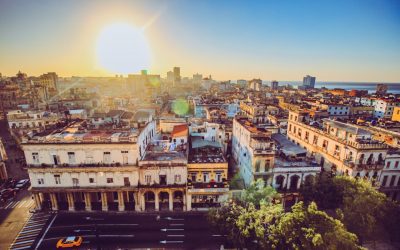
Climate Zones Of Cuba: Different climate regions Of Cuba
Cuba, the largest island in the Caribbean, is known for its diverse geography and climate. The country is located in the tropical region, which means it experiences warm temperatures throughout the year. However, due to its size and topography, Cuba is home to several distinct climate zones. Understanding these climate zones is crucial for various reasons, including agriculture and tourism. Summary Cuba has a diverse range of climate zones due to its location in the Caribbean. The tropical climate zone is the most prevalent in Cuba, with high temperatures and humidity year-round. The subtropical climate zone is characterized by mild winters and hot summers, with occasional hurricanes. The semi-arid climate zone experiences low rainfall and high temperatures, making it difficult for agriculture. The mountainous climate zone has cooler temperatures and higher rainfall, making it ideal for coffee and tobacco production. The coastal climate zone is influenced by sea breezes and has high humidity, while the rainforest climate zone is characterized by heavy rainfall. The seasonal climate zone experiences distinct wet and dry seasons, with hurricanes possible during the wet season. Cuba’s microclimates vary within each climate zone, affecting local agriculture and tourism. The impact of climate zones on Cuba’s agriculture and tourism is significant, with some areas more suitable for certain crops and activities than others. Tropical Climate Zone of Cuba The tropical climate zone is the most dominant in Cuba, covering a significant portion of the island. This zone is characterized by high temperatures and humidity throughout the year. The average temperature in this zone ranges from 24 to 27 degrees Celsius (75 to 81 degrees Fahrenheit). The...
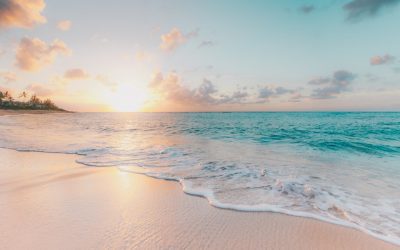
Natural Resources of Cuba: Where Natural Resources are located In Cuba
Cuba is a country rich in natural resources, from its mineral deposits to its vast forests and agricultural lands. These resources play a crucial role in the country’s economy and provide opportunities for sustainable development. However, it is important to manage these resources in a sustainable manner to ensure their long-term availability and to minimize negative environmental impacts. This article will provide an overview of Cuba’s natural resources, their importance to the economy, and the need for sustainable resource management. Summary Cuba has a diverse range of natural resources, including minerals, forests, agriculture, marine life, renewable energy, water, and biodiversity. The country’s mineral deposits are concentrated in the eastern region, with nickel being the most significant resource. Cuba’s forests cover over 25% of the country and provide valuable timber resources, including mahogany and cedar. Agriculture is a vital sector in Cuba, with fertile lands producing crops such as sugar, tobacco, and coffee. Cuba’s coastal waters are rich in marine life, including fish, lobster, and shrimp, making it an important industry for the country. Overview of Cuba’s Natural Resources Cuba is located in the Caribbean Sea, with a tropical climate that supports a diverse range of natural resources. The country is blessed with an abundance of natural resources, including minerals, forests, agricultural lands, coastal waters, renewable energy sources, water resources, biodiversity, and wildlife. The geographical location and climate of Cuba contribute to its natural resource endowment. The country’s tropical climate provides favorable conditions for the growth of forests and agricultural crops. Additionally, Cuba’s location in the Caribbean Sea makes it rich in marine resources. These natural resources are of great...
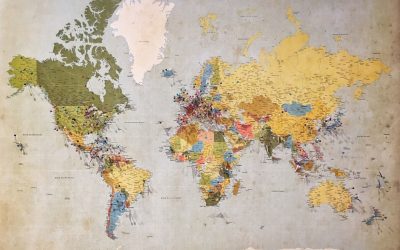
Political Boundaries of Cuba: Provinces, Districts, or Historical Boundaries.
Cuba is a country located in the Caribbean, known for its rich history, vibrant culture, and unique political system. Understanding Cuba’s political boundaries is crucial for anyone interested in studying or visiting the country. The political system in Cuba is a socialist republic, with the Communist Party of Cuba being the only legal political party. The President of Cuba is both the head of state and the head of government, and the National Assembly of People’s Power is the highest legislative body. Understanding political boundaries is important because it helps to provide context and insight into how a country is governed and organized. It allows us to understand the different levels of government and how they interact with each other. Additionally, understanding political boundaries can help us understand the cultural and social differences that exist within a country. Summary Cuba is divided into 15 provinces and one special municipality. Each province is further divided into municipalities and districts. The political boundaries of Cuba have evolved over time, reflecting changes in government and society. Provincial governments in Cuba play a significant role in local administration and economic development. Municipalities in Cuba have their own elected officials and are responsible for providing basic services to their communities. Provinces of Cuba: History and Overview Cuba is divided into 15 provinces and one special municipality, which is the Isle of Youth. The provinces have a long history that dates back to the colonial period when Cuba was under Spanish rule. The provinces were originally established as administrative divisions by the Spanish colonial government. Each province in Cuba has its own unique characteristics and...
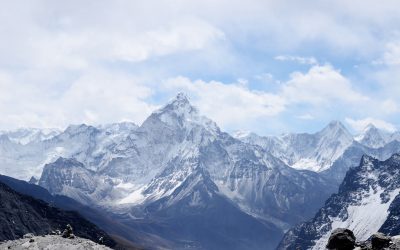
Terrain and Topography of Cuba: mountains, valleys, and plains.
Cuba, the largest island in the Caribbean, is known for its stunning landscapes and diverse terrain. From its mountain ranges to its valleys, plains, coastlines, and unique karst formations, Cuba offers a wealth of natural beauty to explore. Understanding Cuba’s terrain is essential for appreciating its ecological significance, historical importance, and the impact it has on the country’s climate and ecosystems. Cuba’s geography is characterized by a mix of mountains, valleys, plains, and coastal regions. The island is located in the Caribbean Sea, south of the United States and east of Mexico. It stretches over 1,200 kilometers from east to west and covers an area of approximately 110,860 square kilometers. The diverse terrain of Cuba is a result of its geological history, which includes volcanic activity, tectonic movements, and erosion. Understanding Cuba’s terrain is important for several reasons. Firstly, it allows us to appreciate the country’s natural beauty and biodiversity. Cuba is home to a wide range of ecosystems, including forests, wetlands, mangroves, and coral reefs. Each of these ecosystems is influenced by the specific characteristics of the terrain in which they are found. Secondly, understanding Cuba’s terrain helps us understand its history and cultural significance. Many of Cuba’s mountains and valleys have played important roles in historical events and revolutions. By exploring these landscapes, we can gain a deeper understanding of Cuba’s past and its people. Summary Cuba’s terrain and topography is diverse and unique, featuring mountain ranges, valleys, plains, coastal regions, and karst landscapes. The Sierra Maestra and Sierra del Rosario mountain ranges offer stunning views and historical significance. The Viñales and Yumuri valleys are picturesque and...

History of Cuba
Cuba, a Caribbean island nation located just south of the United States, has a rich and complex history that spans centuries. From its indigenous peoples to its colonization by the Spanish, and from its involvement in the transatlantic slave trade to its struggle for independence, Cuba’s past is filled with significant events and influential figures. Understanding Cuba’s history is crucial for comprehending the country’s present challenges and the legacy of its revolutionary past. Summary Indigenous peoples inhabited Cuba before the arrival of Columbus. Spanish colonialism brought conquest and exploitation to Cuba. Cuba played a significant role in the transatlantic slave trade due to the sugar trade. The Ten Years’ War was Cuba’s first attempt at gaining independence from Spain. The Spanish-American War led to the United States’ intervention in Cuba and eventual control over the country. Pre-Columbian era: The indigenous peoples of Cuba Before the arrival of Christopher Columbus in 1492, Cuba was inhabited by indigenous peoples known as the Taíno. The Taíno were part of the larger Arawak-speaking indigenous groups that populated the Caribbean islands. They lived in small villages and practiced agriculture, growing crops such as maize, yucca, and sweet potatoes. The Taíno also had a complex social structure, with chiefs ruling over different territories. The arrival of European colonizers had a devastating impact on the indigenous populations of Cuba. The Spanish brought diseases such as smallpox, measles, and influenza, to which the Taíno had no immunity. This led to a significant decline in their numbers, with many dying from these diseases or being killed by the Spanish in their quest for gold and other resources. By...
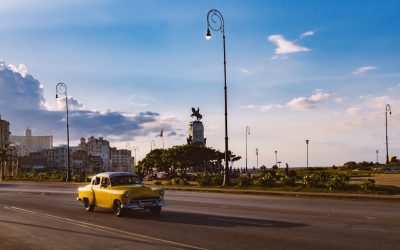
Cultural or Historical Sites of Cuba: Important Cultural Landmarks or Historical Sites in Cuba
Cuba is a country with a rich history and vibrant culture that has captivated the world for centuries. From its colonial past to its revolutionary present, Cuba offers a unique blend of influences that can be seen in its historic sites. Exploring these sites not only allows visitors to delve into the country’s fascinating past, but also provides a deeper understanding of its culture and identity. Summary Havana’s historic centre is a UNESCO World Heritage Site, showcasing the city’s rich history and architecture. The Monumental Cemetery of Havana reflects Cuban history and culture, with elaborate tombs and memorials. Trinidad is a colonial town preserved in time, with colourful buildings and cobblestone streets. The Mausoleum of Che Guevara pays tribute to the revolutionary hero and his legacy. The Museum of the Revolution takes visitors on a journey through Cuba’s revolutionary past, with exhibits and artefacts. The Historic Centre of Havana: A UNESCO World Heritage Site The historic center of Havana, also known as La Habana Vieja, is a UNESCO World Heritage Site that showcases the city’s colonial architecture and rich history. This area is home to numerous landmarks and buildings that date back to the 16th century, including the famous Plaza de la Catedral and Castillo de la Real Fuerza. The cobblestone streets and colorful buildings create a picturesque setting that transports visitors back in time. The UNESCO World Heritage Site designation of the historic center of Havana highlights its cultural and historical significance. It recognizes the importance of preserving and protecting this unique area for future generations to appreciate and enjoy. The designation also brings international attention to Havana’s...
Population Density of Cuba
Cuba, a Caribbean island nation located just south of the United States, is known for its vibrant culture, beautiful beaches, and rich history. However, one aspect of Cuba that often goes unnoticed is its population density. Population density refers to the number of people living in a given area, usually measured in square kilometers or square miles. Understanding Cuba’s population density is important as it can provide insights into the country’s social, economic, and political dynamics. Summary Cuba has a population density of 106 people per square kilometer. Cuba’s population density has been steadily increasing since the 1950s. Havana has the highest population density in Cuba, while the eastern provinces have the lowest. Factors affecting Cuba’s population density include government policies, economic opportunities, and natural disasters. Urbanization has led to higher population density in Cuba, while rural areas have experienced a decline in population. Overview of Cuba’s Population Density Cuba has a population density of approximately 106 people per square kilometer (275 people per square mile). This means that on average, there are 106 individuals living in every square kilometer of land in Cuba. Compared to other countries in the region, Cuba has a relatively high population density. For example, neighboring countries like the Dominican Republic and Haiti have population densities of 222 and 402 people per square kilometer respectively. Historical Trends in Cuba’s Population Density Cuba’s population density has fluctuated over time due to various factors. In the early 20th century, Cuba experienced a period of rapid population growth, fueled by immigration from Spain and other European countries. This led to an increase in population density as more...

Cuba
Cuba (República de Cuba (Republic of Cuba)) Capital: Havana Population (Estimated July 2012): 11,075,244 Area: 109,886 km2 or 42,427 mi2 Currency: Cuban peso (CUP) Official Language: Spanish Political Information: Unitary Republic, Communist State Official Religion: No Official Religion (approximately 85% of the population are Roman Catholic and 15% have other religious beliefs) Highest Mountain: Pico Turquino at 2,005m or 6,578ft GDP Official Exchange Rate (OER is more precise at gauging a countries economic power) (Estimated 2010): $57.49 billion (US$) or (GBP) GDP (OER) Per Capita (per member of the population estimated 2011): (US$) or (GBP) GDP Purchasing Power Parity (PPP is good for gauging living conditions and use of resources but not as accurate as OER. This data has been calculated based on the sum value of all goods and services produced in the country valued at prices prevailing in the United States) (Estimated 2010): $114.1 billion (US$) or (GBP) GDP (PPP) Per Capita (per member of the population estimated 2010): $9,900 (US$) or (GBP) Time Zone (GMT/UTC): -5:00 Wildlife: Counties/Provinces/States: 15 provinces (provincias, singular – provincia) and 1 special municipality* (municipio especial); Artemisa, Camaguey, Ciego de Avila, Cienfuegos, Granma, Guantanamo, Holguin, Isla de la Juventud*, La Habana, Las Tunas, Matanzas, Mayabeque, Pinar del Rio, Sancti Spiritus, Santiago de Cuba, Villa Clara Leaders: Raúl Castro is both the president and Premier with J.R.M. Ventura as 1st Vice President. Additional: Has the highest population and has the largest area of any Island nation in the Caribbean. Sources: CIA World Fact Book, Encyclopaedia Britannica. Cuba Cuba, located in the Caribbean Sea, is the largest island in the Caribbean and is known for its vibrant culture, stunning beaches, and rich...

Climate Zones Of Croatia: Different Climate Regions Of Croatia
Croatia, located in Southeast Europe, is known for its stunning landscapes, diverse ecosystems, and rich cultural heritage. The country’s geography is characterized by a mix of coastal areas, mountains, and plains, which contribute to its varied climate zones. Understanding Croatia’s climate zones is crucial for various reasons, including agriculture, tourism, and overall sustainability. Summary Croatia has a diverse range of climate zones, including Mediterranean, Continental, Mountainous, Coastal, Sub-Mediterranean, and Transitional. The Mediterranean climate region is characterized by hot, dry summers and mild, wet winters. The Continental climate region experiences cold winters and hot summers, with significant temperature variations throughout the year. The Mountainous climate region has cooler temperatures and higher precipitation levels, with snowfall in the winter months. The Coastal climate region has mild winters and hot summers, with high humidity levels and occasional thunderstorms. The Sub-Mediterranean climate region has a mix of Mediterranean and Continental climates, with mild winters and hot summers. The Transitional climate region experiences a mix of Mediterranean and Continental climates, with significant temperature variations throughout the year. Climate variations within Croatia’s regions can impact agriculture and tourism, with some areas more suitable for certain crops or activities. Climate change may lead to changes in Croatia’s climate zones, with potential impacts on agriculture, tourism, and the environment. The Mediterranean Climate Region of Croatia The Mediterranean climate region in Croatia is characterized by hot, dry summers and mild, wet winters. This climate is influenced by the Adriatic Sea, which helps moderate temperatures and provides moisture. Regions such as Dalmatia and parts of Istria fall under this climate zone. In the Mediterranean climate region, you can find...

Political Boundaries of Croatia: Provinces, Districts, or Historical Boundaries.
Political boundaries are defined as the lines that separate one political entity from another. These boundaries are crucial in defining a country’s identity as they determine the extent of its territory and sovereignty. In the case of Croatia, political boundaries play a significant role in shaping its identity as a nation. Summary Croatia is divided into provinces and regions with distinct cultural and historical backgrounds. The country’s political boundaries have evolved over time, with influences from neighboring countries and empires. Political boundaries have played a significant role in shaping Croatia’s culture, society, and economic development. Croatia’s administrative divisions are organized into districts, which have varying levels of autonomy and decision-making power. Border disputes remain a challenge for Croatia, but the country’s political boundaries continue to shape its identity and future. Overview of Croatia’s Provinces and Regions Croatia is divided into 20 counties, which are further divided into municipalities and cities. Each county has its own unique characteristics and cultural heritage. The provinces and regions of Croatia have a rich history that dates back centuries. One of the most well-known provinces in Croatia is Istria, located in the northwest part of the country. Istria is known for its beautiful coastline, picturesque towns, and rich cultural heritage. It has a diverse population with influences from Italian, Slovenian, and Croatian cultures. Another important province is Dalmatia, which stretches along the Adriatic Sea. Dalmatia is famous for its stunning coastline, historic cities such as Split and Dubrovnik, and delicious seafood cuisine. It has a strong maritime tradition and is a popular tourist destination. Historical Boundaries of Croatia: A Brief Overview The historical boundaries...

Terrain and Topography of Croatia: mountains, valleys, and plains.
Croatia is a country known for its stunning natural beauty, and much of this can be attributed to its diverse topography. From towering mountain ranges to picturesque coastal mountains, Croatia offers a wide range of landscapes for visitors to explore. Understanding the geography of a destination is crucial before visiting, as it allows travellers to plan their activities and make the most of their time in the country. In this article, we will delve into the various regions and topography of Croatia, highlighting the unique features and activities that each area has to offer. Summary Croatia’s terrain and topography is diverse and varied, offering a range of landscapes to explore. From the mountain ranges of Velebit and Medvednica to the coastal mountains of Biokovo and Učka, Croatia has plenty of peaks to climb. The Cetina and Sava River Valleys offer a chance to explore Croatia’s lush greenery and natural beauty. The Karst landscape of Croatia is home to fascinating caves, sinkholes, and underground rivers waiting to be explored. The Dinaric Alps are Croatia’s most iconic mountain range, while the Pannonian Plain offers a unique flatland region to explore. Mountain Ranges in Croatia: From Velebit to Medvednica Croatia is home to several mountain ranges, each with its own distinct characteristics. One of the most notable mountain ranges is Velebit, which stretches along the Adriatic coast. Velebit is known for its rugged terrain and diverse flora and fauna. It is a popular destination for hikers and nature enthusiasts, with numerous trails that offer breathtaking views of the surrounding landscape. Another prominent mountain range in Croatia is Medvednica, located near the capital...

History of Croatia
Croatia, located in Southeast Europe, has a rich and diverse cultural heritage that has been shaped by its unique geographical location and historical events. Situated at the crossroads of Central Europe, the Mediterranean, and the Balkans, Croatia has been influenced by various civilizations throughout its history. This has resulted in a vibrant and diverse cultural landscape that is celebrated and cherished by its people. Croatia’s cultural heritage is a reflection of its complex history, which includes influences from the Illyrians, Greeks, Romans, Slavs, Ottomans, Habsburgs, and more. Each of these civilizations has left its mark on the country, contributing to its unique identity. From ancient ruins and medieval castles to traditional folk dances and music, Croatia’s cultural heritage is a testament to its rich history and the resilience of its people. Summary Croatia has a rich cultural heritage that spans thousands of years. Prehistoric settlements in Croatia date back to the Stone Age. Roman rule brought Christianity to Croatia, which became the dominant religion. The arrival of the Slavs led to the formation of the Croatian state. Croatia has a long history of struggle for independence, including during World War II and the breakup of Yugoslavia. Early settlements and prehistoric times in Croatia The history of Croatia dates back to prehistoric times when the region was inhabited by the Illyrians. The Illyrians were an ancient Indo-European people who settled in the Balkans around 2000 BC. They had a significant impact on Croatia’s culture, introducing elements such as pottery making, metalworking, and agriculture. During the Bronze and Iron Ages, Croatia saw the rise of fortified settlements and hillforts. These settlements...