Explore the World Through Geography, Natural Resources & Daily History
Clear, reliable and engaging guides that help you understand our planet — from UK geography education to global natural resources and On This Day history events.
Explore, discover, and learn about the wonders of our world! At Earth Site, we’re passionate about bringing geography, history, and science to life for curious minds of all ages. Whether you’re delving into historical events, uncovering the mysteries of the natural world, or seeking interactive resources, you’re in the right place.
Here, you can uncover the stories behind historical events, explore the natural wonders of our planet, and gain valuable insights into how the Earth’s systems shape our daily lives. From the towering peaks of mountain ranges to the far-reaching impacts of human innovation, we aim to make every topic both engaging and informative.
Start your journey of discovery with us today, and let’s make learning an adventure!
What We Cover
Earth Site brings together engaging and accessible educational content designed to help you understand the world, its history, and its natural systems.
🌍 Geography Education (UK & Worldwide)
We publish clear, easy-to-understand geography resources for students, teachers and curious learners. Our guides support geography education in the UK and cover physical geography, climate, ecosystems, population, and global development.
⛏️ Natural Resources & Environmental Geography
Explore detailed country profiles covering natural resources, mining, energy, geology and global environmental challenges. We show how nations manage minerals, water, land and ecosystems, and why these resources matter.
📅 On This Day in History
Every day has a story. Our On This Day history series features major events, anniversaries, traditions, and cultural milestones from around the world — with timelines, context, and fun facts.
TIMELINE
The Vietnam War Explained: America’s Most Controversial Conflict
Right, let’s get straight to it. The Vietnam War, often called the Second Indochina War, was a long, complex, and incredibly divisive conflict that primarily involved North Vietnam and its communist allies against South Vietnam and its principal ally, the United States. It lasted roughly from 1955 to 1975, though the period of significant US involvement was from the mid-1960s to 1973. The core of it was a fight over the future of Vietnam: would it be a unified communist state or divided, with a non-communist south? For America, it became a battle against the perceived spread of communism, a key aspect of the Cold War. It’s a fair question, given Britain’s historical role and alliance with the US. While the US jumped in with both feet, Britain largely kept its distance, offering moral support rather than military intervention. Post-Colonial Hangover Britain had only recently disentangled itself from its own colonial empire, particularly in Southeast Asia. The Malayan Emergency (1948-1960), a brutal fight against communist insurgents, had been an exhausting and costly affair. The last thing Britain wanted was to get sucked into another protracted jungle war, especially one that mirrored many of the challenges they’d just faced. The political will simply wasn’t there. Economic Constraints The British economy in the 1960s was far from robust. They were grappling with decolonisation and trying to rebuild their domestic economy. Funding a significant military involvement thousands of miles away would have been a massive strain on resources and politically unpopular at home. Priority was given to domestic issues and maintaining a shrinking global presence, not escalating new conflicts. Strategic Differences and...
Greenland’s Rare Earth Minerals: The Resource Battle of the Arctic
Greenland holds a significant, largely untapped reserve of rare earth minerals, and that’s creating a complex situation. These resources, crucial for everything from smartphones to electric vehicles and renewable energy technologies, are becoming increasingly vital on a global scale. The Arctic, once considered too remote and harsh for extensive mining, is now seen as a new frontier. This push for Greenland’s minerals isn’t just about geology; it’s a tangled web of economics, geopolitics, and environmental concerns, making it a pivotal area in the ongoing resource battle. The Lure of the Rare Earth Jackpot Rare earth elements aren’t actually that rare in the Earth’s crust, but they’re rarely found in concentrations high enough to make extraction economically viable. Greenland, however, is a notable exception. Its geology, specifically in areas like Kvanefjeld, boasts some of the largest undeveloped rare earth deposits globally. What Makes Them So Desirable? These 17 elements, including neodymium, praseodymium, dysprosium, and terbium, are essential components in modern technology. Think about the powerful magnets in electric car motors, the miniaturised components in your smartphone, the wind turbines generating clean energy, or the advanced defence systems used by militaries. Without them, much of our current technological landscape simply wouldn’t exist, and the green energy transition would stall. Kvanefjeld: A Case Study in Controversy The Kvanefjeld deposit in southern Greenland is perhaps the most well-known and contentious example. It’s estimated to contain one of the world’s largest non-Chinese rare earth reserves, alongside substantial quantities of uranium. For years, plans to develop Kvanefjeld have been on and off the table, sparking intense debate not just within Greenland, but internationally. The presence...
How China Is Expanding Its Influence Across Europe
China’s growing sway across Europe might feel like a distant, abstract concept, but it’s a lot more tangible than you might think. Essentially, China is broadening its influence by investing heavily in European infrastructure, setting up businesses, and deepening diplomatic ties, all while promoting its vision for global trade and governance. It’s a complex chess game, and Europe, with its diverse interests and existing relationships, is a crucial board. One of the most visible ways China is expanding its influence is through its economic clout. This isn’t just about selling more goods to Europe; it’s increasingly about investing in it. Strategic Acquisitions and Infrastructure Projects China’s Belt and Road Initiative (BRI) isn’t just a terrestrial road project; it has a significant maritime component, and Europe’s ports are central to that. Chinese companies have been snapping up stakes in or outright acquiring major European ports, from Piraeus in Greece to Zeebrugge in Belgium and Valencia in Spain. This gives China significant leverage over vital trade routes and logistics hubs. Port Control and Access: Think about it: if a Chinese company owns a significant slice of a port, it has a say in how that port operates, who uses it, and at what cost. This can subtly direct trade flows and create dependencies. It also grants them direct access to the European market, bypassing some traditional intermediaries. Infrastructure Development: Beyond ports, Chinese investment extends to railways, energy grids, and telecommunications. While these investments can bring much-needed capital and modernization to European infrastructure, they also create vulnerabilities. If China were to withdraw its investment or leverage its control in these sensitive areas,...
Greenland and the Arctic Race: NATO, Russia, and China Compete for Influence
Greenland’s strategic location makes it a hotbed of international competition between NATO, Russia, and China. This isn’t just about territory; it’s about vital resources, shipping routes, and military positioning in a rapidly changing Arctic. For centuries, Greenland was largely frozen in relative obscurity, its vast icy expanse a formidable barrier. But the climate crisis is dramatically altering this picture. As Arctic sea ice recedes at an unprecedented rate, new shipping lanes are opening, and previously inaccessible natural resources are becoming exploitable. This dramatic environmental shift has transformed Greenland from a remote outpost into a focal point of global strategic interest. The Northwest Passage and Northern Sea Route New Trade Arteries: The shrinking ice has made the Northwest Passage (through the Arctic archipelago of Canada) and the Northern Sea Route (along Russia’s Arctic coast) increasingly viable. These routes could significantly shorten shipping times between Asia and Europe, bypassing the Suez Canal. This promises massive economic benefits for nations that can control or access these routes. Economic Incentives: For countries with significant Arctic coastlines or those heavily reliant on global trade, the allure of these faster, cheaper shipping lanes is immense. It’s a race to establish infrastructure, set navigation rules, and secure favourable trade agreements. Resource Rush: Beneath the Ice Untapped Wealth: The Arctic, and particularly Greenland, is believed to hold vast reserves of oil, natural gas, rare earth minerals, and other valuable resources. The melting ice makes exploration and extraction more feasible, sparking a modern-day resource rush. Geopolitical Leverage: Control over these resources translates directly into geopolitical power and economic advantage. Nations are keen to secure access and develop the...
The Algerian War of Independence Against France Explained
So, you’re curious about the Algerian War of Independence and what it was all about? In a nutshell, it was a brutal, complex, and ultimately transformative conflict where Algeria fought to break free from French colonial rule after over a century. It wasn’t a straightforward fight; it involved a lot of difficult choices, immense sacrifice, and had ripples that are still felt today. The Long Shadow of Colonialism For France, Algeria wasn’t just another colony; it was considered an integral part of metropolitan France, divided into administrative departments. This “Algérie française” status meant that French settlers, known as pieds-noirs (black feet), enjoyed significant privileges and held most of the political and economic power, while the vast majority of the indigenous Algerian population, primarily of Arab and Berber descent, were treated as second-class citizens. A Steeped History of Dispossession The French conquest of Algeria began in 1830. It wasn’t a swift affair, taking decades of fierce resistance and immense bloodshed. The process involved the systematic seizure of fertile agricultural land, often displacing Algerian communities and creating a system where land ownership was heavily skewed in favour of the French settlers. This dispossession laid a deep foundation for resentment. The Settler Society: The pieds-noirs, numbering around a million by the mid-20th century, built their lives and fortunes on Algerian soil. They had their own political aspirations and a vested interest in maintaining the status quo, often viewing Algeria as “their” land. This created a power dynamic where the interests of the settlers frequently trumped those of the indigenous population. Limited Rights for Algerians: Despite living under French rule, most Algerians lacked...
Russia’s Economic Pivot to Asia: Trade, Energy, and Strategic Survival
Let’s talk about Russia’s big move eastward. After facing significant sanctions from Western countries, Russia has been forced to look for new economic partners, and Asia, particularly China and India, has become its primary focus. This isn’t just about finding new customers; it’s a strategic reorientation, a matter of economic survival and maintaining its geopolitical influence. A Forced Reorientation, Not a Full Embrace It’s important to understand that this pivot isn’t entirely an enthusiastic embrace of Asian partners. While Russia has historically had ties with some Asian nations, the current intensity of this shift is largely due to Western sanctions following the full-scale invasion of Ukraine. Think of it as making the best of a difficult situation. Energy exports have always been the backbone of Russia’s economy, and this remains true in its pivot to Asia. When European markets largely cut off Russian oil and gas, Asia stepped in, albeit at discounted prices. Oil: The Black Gold Rush to Asia Before the sanctions, Europe was Russia’s biggest oil customer. Now, that trade has largely evaporated, with Asia filling the void. Discounted Barrels and New Buyers India and China, in particular, have become major purchasers of Russian crude oil. They’ve been able to secure these supplies at significant discounts, which is a win for their economies but means less revenue per barrel for Russia. Other Asian nations, while not as large in volume, have also increased their purchases. Logistical Challenges and Adjustments Shipping oil from Russia’s western ports to Asian markets is a longer and more expensive journey than to Europe. This has led to the need for more tankers,...
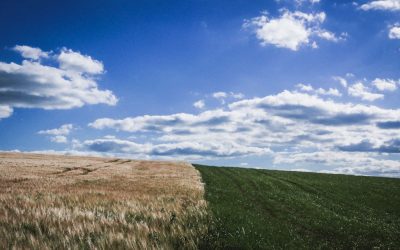
Climate Change and Food Supply: Will the World Face Shortages?
So, will climate change spell doom for our dinner plates with widespread food shortages? It’s a big question, and honestly, the answer isn’t a simple yes or no. Think of it more like a complex equation with a lot of moving parts. Yes, climate change is definitely making things harder for farmers and threatening our food supply. But it’s not a foregone conclusion that we’ll all be starving. We’re already seeing impacts, and it’s crucial to understand what’s happening and what we can do about it. Climate change isn’t just about a bit of extra warmth. It’s about pushing weather patterns to extremes, and that’s a major headache for anyone trying to grow food. Even small shifts can have big ripple effects across vast agricultural systems. Droughts: The Thirsty Fields One of the most obvious ways climate change hits farming is through drought. As temperatures rise, more water evaporates from soil and plants. Plus, rainfall patterns are becoming less predictable. Areas that used to get reliable rain might now face prolonged dry spells, making it impossible for crops to grow or for livestock to find enough to drink. Impact on Staples: Crops like wheat, maize, and rice, which are the backbone of diets for billions, are particularly vulnerable to water stress. Reduced yields mean less food available and higher prices. Water Scarcity for Irrigation: Even in places where water is usually available, prolonged droughts can deplete rivers and reservoirs, meaning irrigation systems that farmers rely on can’t function. This forces difficult choices about which crops get water, or if any can be grown at all. Livestock Suffering: Beyond crops,...
European Elections and Political Shifts: The Rise of Populist Parties
So, you’ve been hearing a lot about the European Elections and all this talk about “populist parties” and “political shifts.” It can frankly feel a bit overwhelming, like trying to follow a football match with the commentary going at ten to the dozen. But at its heart, it’s about how people in different countries across Europe are feeling and what they want their governments, and the EU itself, to focus on. Essentially, yes, there’s been a noticeable rise in support for parties often labelled “populist” in recent European elections, and this is indeed causing some significant political shifts across the continent. It’s a term that gets thrown around a lot, and not always with a clear definition. Generally, when we talk about populist parties in a European context, we’re looking at political movements that tend to position themselves as speaking for “the real people” against a perceived corrupt or out-of-touch elite. The “Us vs. Them” Mentality This is a core characteristic. Populists often create a strong division between the “pure” people and the “corrupt” establishment. This establishment can range from national politicians and established parties to unelected bureaucrats in Brussels, or even global institutions and sometimes specific groups within society like immigrants or the media. Framing the Narrative: They frame complex issues in simple, often emotional, terms. It’s rarely about nuanced policy debates; it’s about identifying a clear enemy and offering a straightforward, often nationalistic, solution. Direct Appeal: Populist leaders frequently bypass traditional media and appeal directly to the public, often through social media, rallies, and a more informal style of communication. Sovereignty and National Identity A strong theme...
The Soviet Famine in Ukraine: Understanding the Holodomor
What Exactly Was the Holodomor? The Holodomor, often translated as “death by hunger,” was a devastating man-made famine that gripped Ukraine during 1932 and 1933. It wasn’t a natural disaster like a drought; it was a deliberate act, engineered by the Soviet government under Joseph Stalin. Millions of Ukrainians perished as the state confiscated grain, livestock, and other foodstuffs, effectively starving the rural population into submission. The Soviet regime deliberately suppressed information about the famine and denied its existence for decades, making it a deeply traumatic and contested event in Ukrainian history. The roots of the Holodomor lie in the Soviet Union’s ambitious and brutal drive to collectivise agriculture. This policy aimed to abolish private land ownership and consolidate individual farms into large, state-controlled collective farms (kolkhozes). The idea was to increase agricultural efficiency, modernise farming, and, crucially, extract grain to fund industrialisation and support the growing industrial workforce. The Ideological Push Stalin and the Communist Party viewed private land ownership and the independent peasant farmer as an obstacle to their socialist vision. The “kulaks,” wealthier peasants who were seen as class enemies, were particularly targeted. The state believed that by breaking the power of the kulaks and forcing everyone onto collective farms, they could exert greater control over food production and distribution, and simultaneously break the backs of rural dissent. Resistance and Retaliation The collectivisation process was met with widespread resistance across the Soviet Union, but perhaps most fiercely in Ukraine. Ukrainian peasants, deeply attached to their land and traditional way of life, often slaughtered their livestock rather than hand them over to the state and sabotaged machinery....
The First Intifada Explained: Palestinian Uprising Against Israel
Right, let’s get into the First Intifada. It was a Palestinian uprising against Israel, kicking off in December 1987 and lasting until roughly 1993, when the Oslo Accords were signed. Essentially, it was a spontaneous, widespread popular revolt born out of decades of occupation and boiling frustrations. Think stones, boycotts, and civil disobedience rather than traditional warfare. The First Intifada didn’t just appear out of nowhere. It was a slow burn, fueled by years of resentment and conditions on the ground. Catalyst for the Uprising The immediate trigger, often cited, is a traffic accident on 8 December 1987 in the Gaza Strip. An Israeli military truck collided with two civilian vans, killing four Palestinian labourers and injuring others. While Israel deemed it an accident, many Palestinians believed it was a deliberate act of retaliation. The funerals for the victims quickly turned into angry demonstrations, escalating into widespread protests across Gaza and then the West Bank. Decades of Occupation But that road accident was just the spark on a very dry pile of tinder. Since 1967, Israel had occupied the West Bank, Gaza Strip, East Jerusalem, and the Golan Heights. For two decades, Palestinians living under occupation experienced: No Political Rights: They had no say in the government that controlled their lives. Economic Hardship: Limited job opportunities, restrictions on movement, and competition from Israeli settlements meant many struggled to make ends meet. Land Confiscation: Israeli settlements were expanding, often on land seized from Palestinians. This was, and remains, a massive point of contention. Movement Restrictions: Checkpoints and permits made daily life a constant hassle. Getting to work, school, or even...
The United Nations and Palestine: Diplomacy, Resolutions, and Global Debate
Right, let’s dive into the rather complex and often contentious relationship between the United Nations and Palestine. In a nutshell, their interaction is a long and winding story of diplomacy, countless resolutions, and a global debate that shows no signs of quieting down. Since its inception, the UN has played a central, albeit sometimes frustrating, role in efforts to resolve the Israeli-Palestinian conflict, consistently advocating for a two-state solution while dealing with the realities of state sovereignty, security concerns, and humanitarian crises. From the very beginning, the United Nations found itself deeply entangled in the question of Palestine. It inherited the problem, essentially, from the departing British Mandate. The Partition Plan and its Aftermath Back in 1947, the UN General Assembly passed Resolution 181, famously known as the Partition Plan. This was a pretty ambitious proposal, aiming to divide British Mandate Palestine into separate Arab and Jewish states, with Jerusalem under international administration. It wasn’t universally accepted, as you can imagine, and ultimately, it didn’t prevent the outbreak of conflict. This resolution, while never fully implemented, laid a significant groundwork and provided an early indicator of the UN’s commitment, or at least its attempt, to find a structured solution. Early Refugee Crisis and UNRWA The 1948 Arab-Israeli War led to a massive displacement of Palestinians, creating what we now refer to as the Palestinian refugee crisis. In response, the UN established the United Nations Relief and Works Agency for Palestine Refugees in the Near East (UNRWA) in 1949. UNRWA’s mandate is to provide assistance and protection to Palestine refugees – a role it continues to fulfill to this day,...
The Rise of the Taliban: How Afghanistan Changed Forever
The Taliban’s return to power in Afghanistan wasn’t a sudden storm but a slow, simmering boil that ultimately reshaped the country’s destiny. After nearly two decades of international intervention, the speed of their takeover in August 2021 surprised many, but the underlying factors had been in play for years. Understanding how the Taliban rose again means looking beyond the immediate collapse of the Afghan government and delving into the complex historical, political, and social dynamics that paved their way back. The Afghan government, propped up by international aid and military support for twenty years, ultimately proved too fragile to withstand the Taliban’s advance. Its collapse wasn’t just about military might; it was about a deep-seated lack of legitimacy, pervasive corruption, and an inability to connect with the everyday struggles of ordinary Afghans. The Illusion of Progress International efforts poured billions into Afghanistan, aiming to build a stable, democratic state. While some tangible improvements were made – in education, healthcare, and infrastructure – these advancements often felt superficial, failing to address the root causes of instability. The focus on nation-building, rather than genuinely empowering local communities, created a disconnect. Corruption as a Cancer Corruption became endemic within the Afghan government and its security forces. It wasn’t just about officials lining their pockets; it was about essential services being siphoned off, basic resources being diverted, and a pervasive sense of injustice that eroded public trust. When people feel cheated by their own government, offering them little in return for their loyalty, they become increasingly disillusioned. The Unraveling of the Security Forces The Afghan National Security Forces (ANSF) were heavily reliant on...