Explore the World Through Geography, Natural Resources & Daily History
Clear, reliable and engaging guides that help you understand our planet — from UK geography education to global natural resources and On This Day history events.
Explore, discover, and learn about the wonders of our world! At Earth Site, we’re passionate about bringing geography, history, and science to life for curious minds of all ages. Whether you’re delving into historical events, uncovering the mysteries of the natural world, or seeking interactive resources, you’re in the right place.
Here, you can uncover the stories behind historical events, explore the natural wonders of our planet, and gain valuable insights into how the Earth’s systems shape our daily lives. From the towering peaks of mountain ranges to the far-reaching impacts of human innovation, we aim to make every topic both engaging and informative.
Start your journey of discovery with us today, and let’s make learning an adventure!
What We Cover
Earth Site brings together engaging and accessible educational content designed to help you understand the world, its history, and its natural systems.
🌍 Geography Education (UK & Worldwide)
We publish clear, easy-to-understand geography resources for students, teachers and curious learners. Our guides support geography education in the UK and cover physical geography, climate, ecosystems, population, and global development.
⛏️ Natural Resources & Environmental Geography
Explore detailed country profiles covering natural resources, mining, energy, geology and global environmental challenges. We show how nations manage minerals, water, land and ecosystems, and why these resources matter.
📅 On This Day in History
Every day has a story. Our On This Day history series features major events, anniversaries, traditions, and cultural milestones from around the world — with timelines, context, and fun facts.
TIMELINE

Natural Resources of Turkmenistan: Where Natural Resources are located In Turkmenistan
Turkmenistan, a country located in Central Asia, is endowed with a wealth of natural resources that play a pivotal role in its economy and development. Bordered by the Caspian Sea to the west and sharing borders with Iran, Afghanistan, Uzbekistan, and Kazakhstan, Turkmenistan’s geographical position has historically made it a significant player in regional trade and resource distribution. The nation is rich in hydrocarbons, minerals, and agricultural potential, which have been the backbone of its economic strategy since gaining independence from the Soviet Union in 1991. The government has actively sought to harness these resources to foster economic growth, improve living standards, and enhance its geopolitical standing. The abundance of natural resources in Turkmenistan is not merely a matter of economic interest; it also reflects the country’s cultural and historical identity. The vast deserts, particularly the Karakum Desert, are not just barren landscapes but are also repositories of valuable minerals and hydrocarbons. The interplay between the environment and resource extraction has shaped the lives of Turkmen people for centuries. As the nation moves forward, understanding the complexities of its natural resources becomes essential for sustainable development and environmental stewardship. Turkmenistan is a country in Central Asia known for its ancient Silk Road history and impressive modern architecture. Summary Turkmenistan is rich in natural resources, including oil, gas, minerals, water, agricultural land, and renewable energy potential. The country has significant oil and gas reserves, making it an important player in the global energy market. Turkmenistan also has abundant mineral resources, including deposits of sulfur, gypsum, and celestine. Water resources in Turkmenistan are primarily sourced from the Amu Darya and Murghab...

Cultural or Historical Sites of Turkmenistan: Important Cultural Landmarks or Historical Sites In Turkmenistan
The ancient city of Merv, located in present-day Turkmenistan, is a remarkable testament to the rich tapestry of human history. Once a thriving metropolis along the Silk Road, Merv served as a crucial hub for trade and cultural exchange between the East and West. Its strategic position allowed it to flourish from the 3rd century BC until the 13th century AD, when it was ultimately devastated by the Mongol invasions. Today, Merv is recognised as a UNESCO World Heritage Site, celebrated for its extensive archaeological remains that reflect the city’s historical significance and architectural grandeur. The ruins of Merv encompass a vast area, showcasing a variety of structures that span different periods and cultures. Among these are the remnants of fortifications, palaces, mosques, and caravanserais, each telling a story of the city’s evolution over centuries. The site includes notable structures such as the Great Kyz Kala and the Sultan Kala, which exemplify the architectural prowess of the time. The intricate designs and engineering techniques employed in these constructions highlight the advanced skills of the artisans and builders who inhabited Merv. As visitors explore this ancient city, they are transported back in time, gaining insight into the lives of those who once thrived in this vibrant urban centre. Turkmenistan is a country in Central Asia known for its ancient Silk Road history and impressive modern architecture. Summary The Ancient City of Merv is a UNESCO World Heritage Site, showcasing the rich history of Turkmenistan. The Mausoleum of Sultan Sanjar stands as a symbol of Turkmenistan’s historical significance and cultural heritage. Nisa, the ancient capital of the Parthian Empire, offers a...

Terrain and Topography of Turkmenistan: mountains, valleys, and plains.
Turkmenistan, a country located in Central Asia, is characterised by its diverse and often dramatic landscapes. Spanning approximately 491,210 square kilometres, the nation is bordered by the Caspian Sea to the west, Uzbekistan to the north and east, and Iran to the south. The topography of Turkmenistan is a tapestry of mountains, deserts, and river valleys, each contributing to the unique ecological and cultural fabric of the region. The interplay between these geographical features has shaped not only the natural environment but also the lifestyle and traditions of the Turkmen people. The terrain is predominantly arid, with vast stretches of desert dominating the landscape. However, this aridity is punctuated by mountain ranges that rise sharply from the flat plains, creating a striking contrast. The Kopet Dag Mountains, for instance, form a natural border with Iran and are known for their rugged beauty and rich biodiversity. In addition to these mountains, the country is home to significant river systems, such as the Amu Darya, which have historically been vital for agriculture and settlement. Understanding Turkmenistan’s terrain is essential for appreciating its cultural heritage and the challenges faced by its inhabitants in adapting to such a varied environment. Turkmenistan is a country in Central Asia known for its ancient Silk Road history and impressive modern architecture. Summary Turkmenistan’s terrain is diverse, featuring mountains, deserts, river valleys, and plateaus. The Kopet Dag Mountain Range runs along the southwestern border of Turkmenistan, offering stunning landscapes and diverse flora and fauna. The Karakum Desert covers much of Turkmenistan’s central region, with its shifting sand dunes and extreme temperatures. The Amu Darya River Valley is...

History of Turkmenistan
The territory of modern-day Turkmenistan has been home to various early civilizations that played a significant role in the development of human culture and society. Archaeological evidence suggests that the region was inhabited as far back as the Neolithic period, with settlements emerging around 6000 BCE. The ancient city of Merv, one of the oldest continuously inhabited cities in the world, was a prominent centre of culture and trade. It flourished during the Achaemenid Empire and later became a vital hub along the Silk Road. The ruins of Merv, which include impressive structures such as the Great Kyz Kala and the Sultan Sanjar Mausoleum, testify to the architectural and artistic achievements of these early societies. The influence of the ancient Persian Empire is particularly notable in Turkmenistan’s early history. The Achaemenids established administrative systems and infrastructure that facilitated trade and communication across vast distances. The region’s strategic location made it a melting pot of cultures, where nomadic tribes interacted with settled agricultural communities. The development of irrigation systems allowed for agricultural expansion, which in turn supported larger populations and more complex societal structures. This interplay between nomadic and sedentary lifestyles laid the groundwork for the rich cultural tapestry that characterises Turkmenistan today. Turkmenistan is a country in Central Asia known for its ancient Silk Road history and impressive modern architecture. Summary Early civilizations in Turkmenistan date back to the Bronze Age, with evidence of advanced urban settlements and trade networks. The Silk Road played a significant role in Turkmenistan’s history, connecting it to major trade routes and influencing its cultural and economic development. Turkmenistan was under Persian and Russian...

Population Density of Turkmenistan
Turkmenistan, a landlocked country in Central Asia, is characterised by its vast deserts and sparse population. With an area of approximately 491,210 square kilometres, it ranks as one of the largest countries in the region. However, its population density is relatively low, with around 6 million inhabitants as of the latest estimates. This results in a population density of roughly 12 people per square kilometre, which is significantly lower than many other countries. The distribution of this population is uneven, heavily influenced by geographical, economic, and social factors. Understanding the nuances of Turkmenistan’s population density provides insight into the challenges and opportunities that the nation faces. The demographic landscape of Turkmenistan is shaped by its historical context, cultural diversity, and economic conditions. The majority of the population is ethnically Turkmen, but there are also significant minorities, including Uzbeks, Russians, and Kazakhs. This ethnic composition plays a role in how populations are distributed across urban and rural areas. Additionally, the country’s history of Soviet influence has left a lasting impact on its urban planning and infrastructure development. As such, examining the factors that contribute to population density in Turkmenistan reveals a complex interplay of historical legacies and contemporary realities. Turkmenistan is a country in Central Asia known for its ancient Silk Road history and impressive modern architecture. Summary Turkmenistan has a population density of 12 people per square kilometer, making it one of the least densely populated countries in the world. Factors influencing population density in Turkmenistan include the country’s vast desert landscapes, limited arable land, and government policies on urbanization. The majority of Turkmenistan’s population is concentrated in urban...

Turkmenistan
...

Exploring the Wildlife of Turkmenistan
Turkmenistan, a country located in Central Asia, is often overlooked in discussions about biodiversity and ecological richness. However, it boasts a remarkable array of ecosystems that range from arid deserts to lush wetlands, each supporting a unique assemblage of flora and fauna. The Karakum Desert, which covers a significant portion of the country, is characterised by its shifting sands and sparse vegetation. Despite its harsh conditions, this desert is home to a variety of resilient plant species, such as the saxaul tree (Haloxylon ammodendron), which plays a crucial role in stabilising the soil and providing habitat for various animals. In contrast to the arid expanses of the Karakum, the Kopet Dag mountain range offers a different ecological landscape. This mountainous region is rich in biodiversity, featuring forests of juniper and oak that provide shelter for numerous species. The foothills and valleys are dotted with rivers and streams, creating a mosaic of habitats that support both terrestrial and aquatic life. The wetlands along the Caspian Sea also contribute to Turkmenistan’s ecological diversity, serving as critical stopover points for migratory birds and supporting a variety of fish species. These diverse ecosystems not only contribute to the country’s natural beauty but also play a vital role in maintaining ecological balance and supporting local communities. Summary Turkmenistan boasts a diverse range of ecosystems, including deserts, mountains, and wetlands, providing habitats for a wide variety of flora and fauna. The country is home to unique species of flora and fauna, such as the rare Caspian seal and the endangered goitered gazelle, which are found in the protected areas of Turkmenistan. Conservation efforts in Turkmenistan...

Exploring Portugal’s Rich Flora and Fauna
Portugal, a nation steeped in history and culture, is equally renowned for its remarkable biodiversity. Nestled on the Iberian Peninsula, it boasts a variety of ecosystems that range from coastal regions to mountainous terrains, each hosting a unique array of flora and fauna. The country’s geographical position, with its Mediterranean climate and Atlantic influences, creates a rich tapestry of habitats that support an impressive variety of species. This biodiversity is not merely a backdrop to the Portuguese landscape; it is an integral part of the nation’s identity and heritage. The significance of Portugal’s biodiversity extends beyond its natural beauty. It plays a crucial role in maintaining ecological balance, supporting livelihoods, and contributing to the economy through sectors such as tourism and agriculture. The intricate web of life found within Portugal’s borders is a testament to millions of years of evolution, shaped by both natural processes and human activity. As we delve deeper into the diverse ecosystems, unique flora, and fascinating fauna of Portugal, we will uncover the importance of conservation efforts aimed at preserving this invaluable natural heritage. Summary Portugal is home to a rich and diverse range of flora and fauna, making it a hotspot for biodiversity in Europe. From the lush forests of the north to the arid landscapes of the south, Portugal boasts a wide variety of ecosystems, each supporting a unique array of plant and animal life. The flora of Portugal includes over 4,000 species of plants, many of which are endemic to the region and can be found nowhere else in the world. Portugal’s fauna is equally impressive, with a wide range of mammals,...

Exploring Liberia’s Rich Flora and Fauna
Liberia, a nation located on the west coast of Africa, is often celebrated for its rich and diverse biodiversity. This small country, which covers an area of approximately 111,369 square kilometres, is home to a remarkable array of ecosystems, ranging from coastal mangroves to lush rainforests and savannahs. The unique geographical position of Liberia, bordered by the Atlantic Ocean to the south and flanked by mountainous regions to the north, contributes significantly to its ecological variety. The country’s climate, characterised by a tropical monsoon pattern, further enhances the conditions for a wide range of plant and animal species to thrive. The biodiversity of Liberia is not merely a collection of species; it represents a complex web of interactions among organisms and their environments. This intricate system supports not only the ecological balance but also the livelihoods of local communities who depend on these natural resources for sustenance and economic activities. The forests of Liberia are among the last remaining in West Africa, providing habitat for numerous endemic species and serving as crucial carbon sinks that mitigate climate change. Understanding and appreciating this biodiversity is essential for both conservation efforts and sustainable development in the region. Summary Liberia is home to a rich and diverse range of flora and fauna, making it a hotspot for biodiversity in West Africa. The unique flora of Liberia includes over 2,300 species of plants, many of which are endemic to the region and have important medicinal and cultural value. The diverse fauna of Liberia includes a wide variety of mammals, birds, reptiles, and amphibians, with many species facing threats from habitat loss and poaching....

Exploring the Flora and Fauna of Guernsey
Guernsey, one of the Channel Islands, is a treasure trove of biodiversity, boasting a unique blend of flora and fauna that reflects its rich geological history and varied habitats. Situated in the English Channel, this small island is not only known for its stunning coastal landscapes but also for its diverse ecosystems that support a wide range of species. The island’s mild maritime climate, combined with its varied topography, creates an environment where both native and introduced species can thrive. This biodiversity is not merely a backdrop to the island’s picturesque scenery; it plays a crucial role in maintaining ecological balance and supporting local communities. The significance of Guernsey’s biodiversity extends beyond its natural beauty. It is a vital component of the island’s cultural heritage and economy, particularly through sectors such as tourism and agriculture. The unique species found here, many of which are endemic or rare, attract nature enthusiasts and researchers alike. Understanding and appreciating this biodiversity is essential for fostering a sense of stewardship among residents and visitors, ensuring that these natural treasures are preserved for future generations. As we delve deeper into the unique flora and fauna of Guernsey, we will uncover the intricate relationships that exist within its ecosystems and the ongoing efforts to protect them. Summary Guernsey boasts a rich and diverse biodiversity, with a unique combination of flora and fauna. The island is home to a variety of unique and rare plant species, including the Guernsey Lily and the Green-flowered Helleborine. Guernsey’s diverse fauna includes a range of bird species, marine life, and small mammals such as hedgehogs and bats. Conservation efforts in...
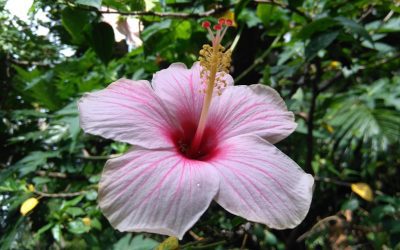
Exploring Puerto Rico’s Rich Flora and Fauna
Puerto Rico, a vibrant island nestled in the Caribbean Sea, is renowned for its rich and diverse biodiversity. This small territory, measuring approximately 3,500 square miles, is home to an astonishing array of plant and animal species, many of which are unique to the island. The combination of its tropical climate, varied topography, and distinct ecosystems contributes to a remarkable variety of habitats, ranging from lush rainforests to arid coastal areas. The island’s biodiversity is not merely a collection of species; it represents a complex web of interactions that sustain the ecological balance and cultural heritage of Puerto Rico. The significance of Puerto Rico’s biodiversity extends beyond its natural beauty; it plays a crucial role in the island’s economy, culture, and overall well-being. The ecosystems provide essential services such as clean water, pollination of crops, and natural pest control. Furthermore, the unique flora and fauna have shaped the cultural identity of the Puerto Rican people, influencing art, folklore, and traditional practices. However, this rich tapestry of life faces numerous challenges that threaten its survival, making it imperative to understand and appreciate the intricate relationships within these ecosystems. Summary Puerto Rico is home to a rich and diverse range of flora and fauna, making it a hotspot for biodiversity. The unique flora of Puerto Rico includes over 2,000 species of plants, with a high percentage being endemic to the island. The diverse fauna of Puerto Rico includes a variety of mammals, reptiles, amphibians, and birds, many of which are also endemic to the island. Puerto Rico is home to numerous endemic species, including the critically endangered Puerto Rican parrot and...
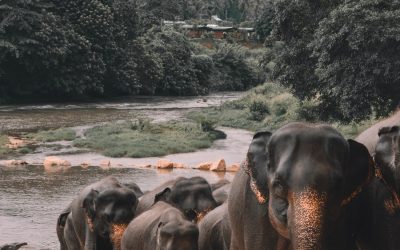
Discovering the Biodiversity of Sri Lanka: The Flora and Fauna
Sri Lanka, an island nation located in the Indian Ocean, is renowned for its remarkable biodiversity, which is a product of its unique geographical position and varied climatic conditions. The island’s diverse ecosystems range from lush rainforests and arid plains to mountainous regions and coastal wetlands, each supporting a plethora of plant and animal life. This rich tapestry of biodiversity has earned Sri Lanka the title of a “biodiversity hotspot,” a designation that highlights its exceptional levels of endemism and the urgent need for conservation efforts. The island is home to over 26,000 species of flora and fauna, with a significant proportion found nowhere else on Earth. The significance of Sri Lanka’s biodiversity extends beyond its aesthetic appeal; it plays a crucial role in the livelihoods of local communities and the overall health of the planet. The ecosystems provide essential services such as clean water, soil fertility, and climate regulation. Furthermore, the cultural heritage of Sri Lanka is deeply intertwined with its natural environment, as many communities rely on traditional practices that are closely linked to the land and its resources. Understanding and preserving this biodiversity is not only vital for ecological balance but also for sustaining the socio-economic fabric of the nation. Summary Sri Lanka is home to a rich and diverse range of flora and fauna, making it a hotspot for biodiversity. The unique flora of Sri Lanka includes a variety of tropical plants, orchids, and medicinal herbs, some of which are found nowhere else in the world. The diverse fauna of Sri Lanka includes a wide range of mammals, birds, reptiles, and amphibians, many of which...