Explore the World Through Geography, Natural Resources & Daily History
Clear, reliable and engaging guides that help you understand our planet — from UK geography education to global natural resources and On This Day history events.
Explore, discover, and learn about the wonders of our world! At Earth Site, we’re passionate about bringing geography, history, and science to life for curious minds of all ages. Whether you’re delving into historical events, uncovering the mysteries of the natural world, or seeking interactive resources, you’re in the right place.
Here, you can uncover the stories behind historical events, explore the natural wonders of our planet, and gain valuable insights into how the Earth’s systems shape our daily lives. From the towering peaks of mountain ranges to the far-reaching impacts of human innovation, we aim to make every topic both engaging and informative.
Start your journey of discovery with us today, and let’s make learning an adventure!
What We Cover
Earth Site brings together engaging and accessible educational content designed to help you understand the world, its history, and its natural systems.
🌍 Geography Education (UK & Worldwide)
We publish clear, easy-to-understand geography resources for students, teachers and curious learners. Our guides support geography education in the UK and cover physical geography, climate, ecosystems, population, and global development.
⛏️ Natural Resources & Environmental Geography
Explore detailed country profiles covering natural resources, mining, energy, geology and global environmental challenges. We show how nations manage minerals, water, land and ecosystems, and why these resources matter.
📅 On This Day in History
Every day has a story. Our On This Day history series features major events, anniversaries, traditions, and cultural milestones from around the world — with timelines, context, and fun facts.
TIMELINE
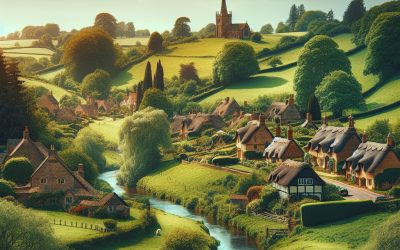
Warwickshire, England
Warwickshire, located in the heart of England, is a county steeped in history and natural beauty. From its rich cultural heritage to its stunning countryside, Warwickshire offers a wide range of attractions and activities for visitors to enjoy. In this blog post, we will explore the history of Warwickshire, its beautiful countryside, its cultural heritage, famous landmarks, festivals and events, culinary delights, sporting scene, shopping and entertainment options, education opportunities, and transport links. Whether you are a history buff, nature lover, foodie, sports enthusiast, or simply looking for a great place to shop and be entertained, Warwickshire has something for everyone. Summary Warwickshire has a rich history dating back to Roman times, with many historic sites to explore. The county boasts beautiful countryside, including parks, gardens, and nature reserves. Cultural heritage is abundant in Warwickshire, with museums, art galleries, and historic sites to discover. Famous landmarks such as castles, cathedrals, and stately homes are a must-see for visitors. Warwickshire celebrates its local traditions and culture through festivals and events throughout the year. The History of Warwickshire: From Roman Times to the Present Day Warwickshire has a long and fascinating history that dates back to Roman times. The county was once part of the Roman province of Britannia and was home to several important Roman settlements. The most famous of these is the town of Alcester, which was an important trading center during Roman times. Throughout its history, Warwickshire has been the site of many key historical events and has been home to several influential figures. One such figure is William Shakespeare, who was born in Stratford-upon-Avon in 1564....

The Rare Earth Elements: Exploring the Lanthanides from Cerium (Ce) to Lutetium (Lu) in British English
Rare Earth Elements (REEs) are a group of 17 chemical elements that are essential in the production of various modern technologies. Despite their name, REEs are not actually rare in terms of abundance in the Earth’s crust, but they are difficult to extract and separate from other minerals. These elements have unique properties that make them indispensable in a wide range of applications, including electronics, renewable energy, and healthcare. The importance of REEs in modern technology cannot be overstated. They are used in the production of smartphones, computers, electric vehicles, wind turbines, and many other high-tech devices. Without REEs, many of these technologies would not exist or would be significantly less efficient. The demand for REEs has been steadily increasing over the years, driven by the rapid growth of the electronics and renewable energy industries. The history of REEs dates back to the late 18th century when Swedish chemist Carl Axel Arrhenius discovered a new mineral called cerite, which contained a previously unknown element. This element was later named cerium after the mineral. Since then, more and more REEs have been discovered and studied, leading to a better understanding of their properties and applications. Summary Rare Earth Elements (REEs) are a group of 17 elements with unique properties and applications. Lanthanides are a subset of REEs that have similar chemical and physical properties. Cerium (Ce) is a versatile element used in catalytic converters, glass polishing, and fuel cells. Praseodymium (Pr) has unique magnetic and optical properties, making it useful in lasers and magnets. Neodymium (Nd) is the most commonly used REE, found in magnets, wind turbines, and headphones. Understanding...
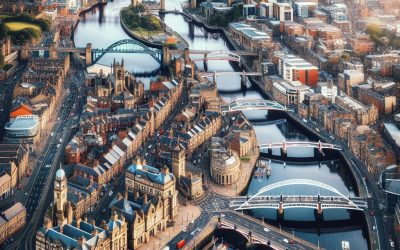
Tyne and Wear, England
Tyne and Wear is a metropolitan county located in the northeast of England. It is made up of five boroughs: Newcastle upon Tyne, Gateshead, North Tyneside, South Tyneside, and Sunderland. The region is known for its rich history, vibrant culture, and stunning landscapes. Tyne and Wear holds great importance in the UK due to its economic significance and cultural contributions. The region has a strong industrial heritage and has played a crucial role in the country’s history. It is also home to several prestigious universities and has a thriving arts and music scene. With its diverse range of attractions and landmarks, Tyne and Wear attracts visitors from all over the world. Summary Tyne and Wear is a metropolitan county in North East England, consisting of five boroughs. The area has a rich history dating back to Roman times, with notable landmarks such as Hadrian’s Wall. Tyne and Wear boasts a diverse range of geographical features, including rivers, coastline, and landscapes. The economy and industry in the area have evolved over time, with a focus on shipbuilding, coal mining, and now service industries. Tyne and Wear has a vibrant culture and society, with a thriving arts and music scene, as well as numerous festivals throughout the year. History of Tyne and Wear – From Roman Times to Modern-Day The history of Tyne and Wear dates back to Roman times when the area was occupied by the Romans who built a fort on the banks of the River Tyne. The region flourished during the medieval period with the growth of trade and the establishment of Newcastle as a major port....
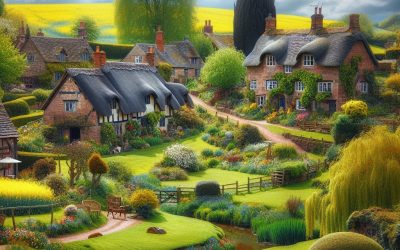
Shropshire, England
Shropshire, located in the West Midlands region of England, is a county steeped in history and natural beauty. It is bordered by Wales to the west and several other counties including Staffordshire, Cheshire, and Worcestershire. The county has a rich history dating back to Roman times, and its picturesque landscapes have inspired many artists and writers over the years. Shropshire is often referred to as “the quietest county in England” due to its peaceful and tranquil atmosphere. It is a place where you can escape the hustle and bustle of city life and immerse yourself in the beauty of the countryside. With its charming market towns, rolling hills, and meandering rivers, Shropshire offers a unique blend of history, culture, and natural beauty that is worth exploring. Summary Shropshire is a county located in the heart of England, known for its natural beauty and rich history. Visitors can explore the hills, valleys, and countryside of Shropshire, as well as its castles, museums, and heritage sites. Adventure sports, walking, and cycling are popular activities in Shropshire, and visitors can also enjoy local produce and fine dining. Shopping, entertainment, and accommodation options are plentiful in Shropshire, from quaint cottages to luxury hotels. Families can enjoy zoos, theme parks, and playgrounds, while art galleries, music venues, and literary festivals cater to the cultural scene. Discovering the Natural Beauty of Shropshire: From Hills to Valleys One of the highlights of Shropshire is the Shropshire Hills Area of Outstanding Natural Beauty. This stunning landscape covers a quarter of the county and is home to some of the most breathtaking views in England. From the...
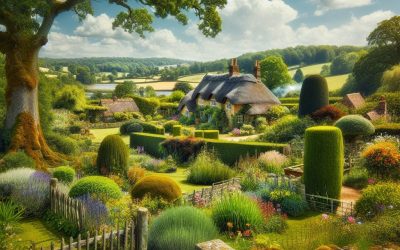
Surrey, England
Surrey, located in the South East of England, is a county known for its stunning landscapes, rich history, and vibrant culture. With a population of over 1.1 million people, Surrey is one of the most populous counties in England. It is bordered by Greater London to the north, Kent to the east, Sussex to the south, and Hampshire to the west. Surrey has gained a reputation as a desirable place to live and visit due to its proximity to London, excellent transport links, and high quality of life. The county offers a perfect balance between urban and rural living, with bustling towns and cities coexisting with picturesque countryside and charming villages. Summary Surrey is a beautiful county located in the South East of England. The history of Surrey dates back to Roman times and has a rich cultural heritage. Surrey’s landscape is characterized by rolling hills, woodland, and waterways. The county has a vibrant culture and traditions, with festivals, food and drink, and local customs. Surrey is home to charming towns and cities such as Guildford, Woking, and Epsom, as well as picturesque villages and countryside. History of Surrey: From Roman Times to the Present Day Surrey has a rich history that dates back to Roman times. The Romans occupied the area in the 1st century AD and established settlements such as Southwark and Staines. During medieval times, Surrey became an important center for trade and agriculture. The county was home to several royal palaces, including Guildford Castle and Farnham Castle. In more recent history, Surrey has seen significant developments and growth. The Industrial Revolution brought about changes...

Kyiv City, Ukraine
Kyiv City, also known as Kiev, is the capital and largest city of Ukraine. It is located in the north-central part of the country along the Dnieper River. With a population of over 3 million people, Kyiv City is not only the political and administrative center of Ukraine but also its cultural and economic hub. The city has a rich history that dates back centuries and is known for its stunning architecture, vibrant arts scene, and warm hospitality. Summary Kyiv City is the capital and largest city of Ukraine, located in the north-central part of the country. The city has a rich history dating back to the 5th century, with influences from various cultures and empires. Kyiv City has a humid continental climate with hot summers and cold winters, making it a popular destination for winter sports enthusiasts. The population of Kyiv City is around 3 million people, with a diverse mix of ethnicities and languages spoken. The economy of Kyiv City is driven by industries such as finance, IT, and manufacturing, with a growing startup scene. Historical Overview of Kyiv City Kyiv City has a long and storied history that spans over 1,500 years. It was founded in the 5th century by the East Slavic tribe known as the Polans. In the 9th century, it became the capital of the powerful Kyivan Rus’ state, which was one of the largest and most influential medieval states in Europe. During this time, Kyiv City flourished as a center of trade, culture, and religion. In the 13th century, Kyiv City was invaded and destroyed by the Mongols. It then fell...
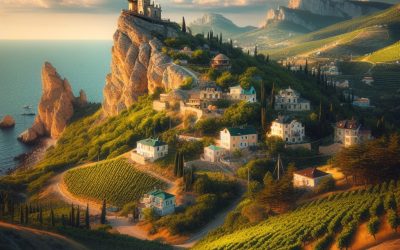
Crimea, Ukraine
The Crimean Peninsula, located on the northern coast of the Black Sea, has a rich and complex history that has shaped its significance in both global politics and current events. From ancient Greek and Roman settlements to Mongol invasions and Soviet rule, Crimea has been at the center of conflicts and power struggles throughout history. In recent years, the annexation of Crimea by Russia in 2014 has further heightened tensions in the region and sparked international controversy. This article will explore the history of Crimea, the annexation by Russia, the struggles of the Crimean Tatars, the impact of the conflict on Crimean society, the challenges and opportunities facing the region’s economy, the impact on tourism, the international response to the annexation, the future prospects for Crimea, and the humanitarian situation in the region. Summary Crimea has a rich history dating back to ancient times, with various empires and cultures leaving their mark on the peninsula. Russia’s annexation of Crimea in 2014 was a controversial move that sparked international condemnation and sanctions. The Crimean Tatars, a minority group native to the region, have faced discrimination and persecution throughout history and continue to struggle for their rights and recognition. The conflict in Ukraine has had a significant impact on Crimean society, with many facing economic hardship and political repression. The economy of Crimea faces challenges due to sanctions and isolation, but also presents opportunities for development in tourism and agriculture. The History of Crimea: From Ancient Times to Modern Day The history of Crimea dates back to ancient times when it was inhabited by Greek colonies such as Chersonesus and...
Herefordshire, England
Herefordshire, located in the West Midlands region of England, is a county known for its natural beauty and rich history. Nestled between the Welsh border to the west and the counties of Shropshire, Worcestershire, and Gloucestershire, Herefordshire offers visitors a unique blend of stunning countryside, charming market towns, and fascinating historical sites. The county has a long and storied history, with evidence of human habitation dating back thousands of years. From the ancient hill forts and burial mounds that dot the landscape to the medieval castles and churches that still stand today, Herefordshire is a treasure trove of historical sites and landmarks. In addition to its historical significance, Herefordshire is also renowned for its natural beauty. The county is home to the picturesque Wye Valley, an Area of Outstanding Natural Beauty that offers breathtaking views of rolling hills, meandering rivers, and lush green countryside. With its abundance of walking trails, cycling routes, and outdoor activities, Herefordshire is a paradise for nature lovers and outdoor enthusiasts. Summary Herefordshire is a county with natural beauty and rich history. The picturesque countryside and charming market towns are worth exploring. Herefordshire has a fascinating history and heritage to discover. The local cuisine and traditional dishes are delicious. There are plenty of activities and attractions for families and children in Herefordshire. Exploring Herefordshire’s picturesque countryside and charming market towns One of the main attractions of Herefordshire is its picturesque countryside. The county is characterized by rolling hills, meandering rivers, and lush green fields, making it a haven for nature lovers and outdoor enthusiasts. Whether you enjoy hiking, cycling, or simply taking in the...
Rutland, England
Rutland, located in the East Midlands of England, is the country’s smallest county. With an area of just 147 square miles, it may be small in size, but it is big on charm and natural beauty. Despite its small size, Rutland has a lot to offer visitors, from its picturesque countryside and historic market towns to its vibrant arts and culture scene. Whether you’re a nature lover, history enthusiast, or simply looking for a peaceful getaway, Rutland is definitely worth a visit. Summary Rutland is England’s smallest county, located in the East Midlands. The county has a rich history dating back to Roman times, with evidence of settlements and battles throughout the centuries. Rutland’s countryside offers some of the best walks and hikes in the country, with stunning views and diverse wildlife. Rutland Water is a must-visit destination, offering a range of activities including water sports, cycling, and birdwatching. The county is home to rare species and natural wonders, making it a haven for nature lovers. The History of Rutland: From Roman Times to the Present Day Rutland has a rich and fascinating history that dates back to Roman times. The area was once home to a Roman fort and was an important trading hub during the Roman occupation of Britain. Over the centuries, Rutland has seen its fair share of historical events and figures. During the Middle Ages, it was a thriving agricultural region and was home to several castles and manor houses. In more recent history, Rutland played a significant role in the Industrial Revolution, with the development of the railway and the growth of industry...
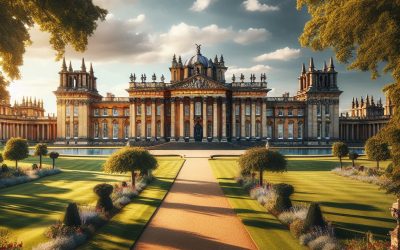
Exploring the Grandeur of Blenheim Palace: A Stately Home Fit for Royalty
Blenheim Palace, located in Woodstock, Oxfordshire, is one of the most iconic stately homes in the United Kingdom. It is a masterpiece of Baroque architecture and is renowned for its stunning grounds and rich history. Built in the early 18th century, Blenheim Palace has been the ancestral home of the Churchill family for over 300 years. It is a UNESCO World Heritage Site and attracts thousands of visitors each year. Blenheim Palace holds great importance in British history and culture. It was built as a gift to John Churchill, the 1st Duke of Marlborough, by Queen Anne for his victory at the Battle of Blenheim in 1704. The palace has since been passed down through generations of the Churchill family and has played a significant role in shaping British politics and society. It is also closely associated with Sir Winston Churchill, one of Britain’s greatest leaders, who was born at Blenheim Palace in 1874. Summary Blenheim Palace is a stunning example of British architecture, located in Oxfordshire. The palace has a rich history, having been built as a gift to the first Duke of Marlborough in the early 18th century. The palace’s baroque architecture is a sight to behold, with intricate details and grandeur throughout. The grounds of Blenheim Palace are equally impressive, with a picturesque landscape and beautiful gardens. Visitors can explore the state rooms of the palace, which are filled with opulence and elegance, as well as a Churchill exhibition. The History of Blenheim Palace: A Legacy of the Churchill Family The history of Blenheim Palace is deeply intertwined with that of the Churchill family. John...
Uncovering the Wonders of Barium: A British Perspective
Barium is a chemical element with the symbol Ba and atomic number 56. It is a soft, silvery-white metal that is highly reactive and found in various minerals. Barium has a wide range of applications in different industries, including medicine, agriculture, and the chemical industry. In this article, we will explore the discovery of barium, its role in the human body, its importance in industrial applications, its environmental impact, and its future potential. Summary Barium was discovered in 1774 by Carl Wilhelm Scheele and was named after the Greek word “barys” meaning heavy. Barium plays a crucial role in the human body, particularly in nerve and muscle function, and is commonly used in medical diagnostic tests. Barium is widely used in industrial applications, including the production of glass, ceramics, and electronics. The environmental impact of barium is a concern, particularly in areas where it is heavily mined or used in industrial processes. Barium has potential for emerging applications in fields such as energy storage and catalysis, but safe handling and disposal are crucial for protecting human health and the environment. The Discovery of Barium: A Brief History Barium was first discovered in the late 18th century by Swedish chemist Carl Wilhelm Scheele and English chemist Humphry Davy. Scheele initially identified a new mineral called “barytes” which he believed contained a new element. Davy later isolated barium metal through the electrolysis of molten barium salts. The name “barium” was derived from the Greek word “barys,” meaning heavy, due to its high density. Historically, barium compounds were used in various applications. For example, barium sulfate was used as a white pigment...
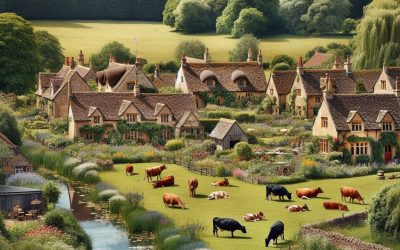
Oxfordshire, England
Oxfordshire, located in the heart of England, is a county known for its rich history, stunning natural landscapes, prestigious universities, and vibrant arts and culture scene. This blog post will provide a comprehensive guide to exploring Oxfordshire, highlighting its historical sites, natural beauty, famous universities, top tourist attractions, local cuisine, arts and culture scene, sporting traditions, accommodation options, festivals and events, and charming towns and villages. Whether you are a history buff, nature lover, foodie, art enthusiast, sports fan, or simply looking for a relaxing getaway, Oxfordshire has something to offer for everyone. Summary Oxfordshire has a rich history and heritage, with landmarks such as Blenheim Palace and the Ashmolean Museum. The county boasts stunning natural beauty, including the Cotswolds and the Chiltern Hills. Oxfordshire is home to world-renowned universities, including Oxford and the University of Reading. Visitors should check out popular attractions like Bicester Village and the Oxford Botanic Garden. Oxfordshire’s food culture is unique, with local specialities like Banbury cakes and Oxford sausages. The History and Heritage of Oxfordshire Oxfordshire has a fascinating history that dates back thousands of years. The county is home to several key historical sites and landmarks that are worth visiting. One of the most iconic landmarks in Oxfordshire is the University of Oxford, which was founded in the 12th century and is one of the oldest universities in the world. The university’s stunning architecture and rich history make it a must-visit attraction. Another historical site in Oxfordshire is Blenheim Palace, a UNESCO World Heritage Site and the birthplace of Sir Winston Churchill. This magnificent palace is surrounded by beautiful gardens and...