Explore the World Through Geography, Natural Resources & Daily History


Clear, reliable and engaging guides that help you understand our planet — from UK geography education to global natural resources and On This Day history events.

Explore, discover, and learn about the wonders of our world! At Earth Site, we’re passionate about bringing geography, history, and science to life for curious minds of all ages. Whether you’re delving into historical events, uncovering the mysteries of the natural world, or seeking interactive resources, you’re in the right place.

Here, you can uncover the stories behind historical events, explore the natural wonders of our planet, and gain valuable insights into how the Earth’s systems shape our daily lives. From the towering peaks of mountain ranges to the far-reaching impacts of human innovation, we aim to make every topic both engaging and informative.

Start your journey of discovery with us today, and let’s make learning an adventure!

What We Cover

Earth Site brings together engaging and accessible educational content designed to help you understand the world, its history, and its natural systems.

🌍 Geography Education (UK & Worldwide)

We publish clear, easy-to-understand geography resources for students, teachers and curious learners. Our guides support geography education in the UK and cover physical geography, climate, ecosystems, population, and global development.

⛏️ Natural Resources & Environmental Geography

Explore detailed country profiles covering natural resources, mining, energy, geology and global environmental challenges. We show how nations manage minerals, water, land and ecosystems, and why these resources matter.

📅 On This Day in History

Every day has a story. Our On This Day history series features major events, anniversaries, traditions, and cultural milestones from around the world — with timelines, context, and fun facts.

TIMELINE

Thailand

Thailand

Thailand, often referred to as the “Land of Smiles,” boasts a rich tapestry of culture and history that has evolved over centuries.

World War I

World War I

The origins of World War I are complex and multifaceted, rooted in a web of political, social, and economic factors that had been developing over decades. One of the primary causes was the intricate system of alliances that had formed in Europe by the early 20th century. The Triple Alliance, consisting of Germany, Austria-Hungary, and Italy, stood in opposition to the Triple Entente, which included France, Russia, and Great Britain. This division created an environment ripe for conflict, as any regional dispute had the potential to escalate into a full-scale war involving multiple nations. The assassination of Archduke Franz Ferdinand of Austria in June 1914 acted as a catalyst, igniting tensions that had been simmering beneath the surface. Nationalism also played a significant role in the lead-up to the war. Various ethnic groups within the empires of Austria-Hungary and the Ottoman Empire sought independence or greater autonomy, leading to internal strife and external pressures. The Balkans, often referred to as the “powder keg of Europe,” were particularly volatile, with Serbia’s aspirations for a greater Slavic state clashing with Austro-Hungarian interests. Additionally, militarism was on the rise; nations were expanding their armies and navies, fostering an atmosphere where military solutions were increasingly seen as viable. This arms race not only heightened tensions but also created a culture that glorified warfare, making it seem inevitable that disputes would be settled on the battlefield rather than through diplomacy. Summary Imperialism, militarism, alliances, and nationalism were the main causes of World War I The assassination of Archduke Franz Ferdinand of Austria-Hungary triggered the outbreak of war The Battle of the Somme and the...

World War II

World War II

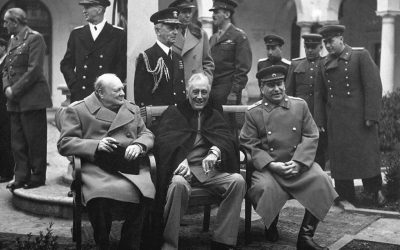
The origins of World War II are complex and multifaceted, rooted in a series of political, economic, and social factors that emerged in the aftermath of World War The Treaty of Versailles, signed in 1919, imposed harsh reparations and territorial losses on Germany, fostering a sense of humiliation and resentment among the German populace. This treaty not only dismantled the German Empire but also redrew the map of Europe, creating new nations and altering borders in ways that sowed discord. The economic turmoil that followed, particularly during the Great Depression of the 1930s, exacerbated these tensions. Unemployment soared, and hyperinflation devastated the German economy, leading to widespread discontent and a yearning for radical solutions. In this volatile environment, extremist ideologies gained traction. The failure of the League of Nations to maintain peace and resolve conflicts further eroded faith in diplomatic solutions. Countries like Italy and Japan also harboured grievances stemming from the post-World War I settlement, leading them to pursue aggressive expansionist policies. The rise of militaristic regimes in these nations was a direct response to perceived injustices and a desire for national rejuvenation. Thus, the stage was set for a global conflict as nations began to pursue their interests through military means rather than diplomatic negotiations. Summary The Treaty of Versailles and economic instability in Europe were key causes of World War II. The rise of fascism and Nazism in Germany and Italy contributed to the outbreak of the war. The invasion of Poland by Germany and the subsequent declaration of war by Britain and France marked the beginning of World War II. Major battles such as Stalingrad...

Climate Zones of Ukraine: Different Climate Regions Of Ukraine

Climate Zones of Ukraine: Different Climate Regions Of Ukraine

Ukraine, a country located in Eastern Europe, is characterised by a diverse array of climate zones that reflect its geographical position and topographical variations. Spanning from the temperate continental climate in the east to the more maritime influences in the west, Ukraine‘s climate is shaped by a multitude of factors, including latitude, altitude, and proximity to bodies of water. This climatic diversity not only influences the natural environment but also plays a significant role in the agricultural practices, economic activities, and lifestyle of its inhabitants. The climate zones of Ukraine can be broadly categorised into several distinct types, each with its own unique characteristics. These include the continental climate of Eastern Ukraine, the maritime climate of Western Ukraine, the Mediterranean climate of Southern Ukraine, the mountain climate of the Carpathian region, the steppe climate of Central Ukraine, and the subarctic climate of Northern Ukraine. Understanding these various climates is essential for appreciating the ecological richness of the country and the adaptations of its flora and fauna. Furthermore, this climatic diversity has implications for human activities, including agriculture, industry, and tourism, making it a vital aspect of Ukraine’s identity. Summary Ukraine has a diverse range of climate zones, each with its own unique characteristics and influences. Eastern Ukraine experiences a continental climate, with hot summers and cold winters, influenced by its inland location. Western Ukraine has a maritime climate, with mild winters and relatively cool summers, influenced by its proximity to the Black Sea. Southern Ukraine enjoys a Mediterranean climate, with hot, dry summers and mild, wet winters, influenced by its southern location and proximity to the Black Sea. The...

Political Boundaries of Ukraine: Provinces, Districts, or Historical Boundaries.

Political Boundaries of Ukraine: Provinces, Districts, or Historical Boundaries.

Ukraine, a nation steeped in a rich tapestry of history and culture, occupies a strategic position in Eastern Europe. Its political boundaries have been shaped by centuries of conflict, shifting allegiances, and the aspirations of its people. The current borders of Ukraine were established following the dissolution of the Soviet Union in 1991, marking a significant moment in the country’s quest for sovereignty and independence. These boundaries not only delineate the geographical extent of the state but also encapsulate the diverse ethnic, linguistic, and cultural identities that exist within its confines. The political boundaries of Ukraine are not merely lines on a map; they represent the culmination of historical events, territorial disputes, and the aspirations of various groups. The complexity of these boundaries is further exacerbated by ongoing geopolitical tensions, particularly with Russia, which has sought to assert its influence over Ukraine through annexation and military intervention. Understanding Ukraine’s political boundaries requires an examination of both the historical context that shaped them and the contemporary challenges that arise from their existence. Summary Ukraine’s political boundaries are complex and have evolved over time, influenced by historical, geographical, and cultural factors. The administrative divisions of Ukraine are divided into provinces, each with its own unique characteristics and governance structure. Within the provinces, there are districts that further subdivide the territory and play a role in local governance and administration. The historical boundaries of Ukraine have had a significant impact on the modern political structure, shaping the country’s identity and political landscape. The debate over Ukraine’s political boundaries continues to be a contentious issue, with various stakeholders advocating for different approaches to...

Natural Resources of Ukraine: Where Natural Resources are Located in Ukraine

Natural Resources of Ukraine: Where Natural Resources are Located in Ukraine

Ukraine is endowed with a wealth of natural resources that play a pivotal role in its economy and the livelihoods of its citizens. The country is often referred to as the “breadbasket of Europe” due to its fertile soil and extensive agricultural lands. This agricultural prowess is complemented by a diverse array of mineral resources, energy reserves, and rich biodiversity. The strategic location of Ukraine, situated at the crossroads of Europe and Asia, further enhances its significance in the global resource landscape. The interplay between these natural resources and the socio-economic fabric of Ukraine is profound, influencing everything from local economies to international trade dynamics. The management and sustainable utilisation of these resources are critical, especially in light of environmental challenges and geopolitical tensions. Ukraine’s natural wealth has historically attracted both domestic and foreign interest, leading to various exploitation practices that have raised concerns about sustainability and environmental degradation. As the country navigates its path towards economic development, the balance between resource extraction and conservation becomes increasingly important. Understanding the distribution and significance of these resources is essential for formulating effective policies that promote sustainable development while ensuring economic growth. Summary Ukraine is rich in natural resources, including agricultural, mineral, energy, water, forest, wildlife, and biodiversity resources. The agricultural resources in Ukraine are mainly located in the fertile plains of the country, particularly in the central and southern regions. Ukraine has a diverse distribution of mineral resources, with significant deposits of iron ore, coal, natural gas, and oil. The exploration of energy resources in Ukraine is focused on increasing domestic production of oil and gas, as well as developing...

Terrain and Topography of Ukraine: mountains, valleys, and plains.

Terrain and Topography of Ukraine: mountains, valleys, and plains.

Ukraine, the largest country in Europe by land area, boasts a remarkably diverse terrain and topography that reflects its rich geological history and climatic variations. Spanning approximately 603,500 square kilometres, the country is characterised by a mosaic of landscapes, ranging from the rugged Carpathian Mountains in the west to the expansive steppes in the east. This geographical diversity not only shapes the natural beauty of Ukraine but also influences its agricultural practices, biodiversity, and cultural heritage. The country’s topography is marked by a series of distinct regions, each with its own unique features. The interplay between mountains, rivers, plains, and plateaus creates a dynamic environment that has been shaped over millennia by natural forces such as erosion, glaciation, and sedimentation. Understanding Ukraine’s terrain is essential for appreciating its ecological richness and the ways in which its landscapes have influenced human settlement and activity throughout history. Summary Ukraine’s terrain and topography are diverse and varied, ranging from mountains to plains and coastal lowlands. The Carpathian Mountains are home to Ukraine’s highest peaks, offering stunning natural beauty and opportunities for outdoor activities. The Dnieper River Valley is known as Ukraine’s breadbasket, providing fertile land for agriculture and a vital source of water and transportation. The Crimean Peninsula is a unique topographical feature, with its own distinct landscape and climate, including mountains, plateaus, and coastal areas. The Ukrainian Steppe is characterized by vast plains and grasslands, playing a significant role in the country’s history and culture. The Carpathian Mountains: Ukraine’s Highest Peaks The Carpathian Mountains, which stretch across several Central and Eastern European countries, form a significant part of Ukraine’s western border....

History of Ukraine

History of Ukraine

The history of Ukraine is deeply rooted in the early settlement patterns that emerged in the region thousands of years ago. Archaeological evidence suggests that the territory now known as Ukraine was inhabited as far back as the Paleolithic era, with various tribes and cultures leaving their mark on the land. The Trypillian culture, which flourished between 5500 and 2750 BCE, is particularly notable for its advanced agricultural practices and large settlements. These early inhabitants developed sophisticated pottery and engaged in trade with neighbouring regions, laying the groundwork for future civilisations. As time progressed, the area saw the arrival of various nomadic tribes, including the Scythians and Sarmatians, who roamed the steppes and contributed to the cultural tapestry of Ukraine. The fertile lands attracted these groups, who relied on both agriculture and animal husbandry. The interactions between these nomadic tribes and settled agricultural communities fostered a dynamic exchange of ideas, technologies, and customs. This early period set the stage for the emergence of more complex societies, ultimately leading to the formation of powerful states in the region. Summary The early settlement of Ukraine dates back to ancient times, with evidence of human habitation as early as 32,000 BC. The Kievan Rus‘ period marked a golden age for Ukraine, with the city of Kiev becoming a major center of trade, culture, and Christianity. The Mongol invasion in the 13th century led to the rise of the Cossacks, who played a significant role in Ukrainian history and culture. The partitions of Poland in the 18th century and the emergence of Ukrainian nationalism set the stage for future struggles for independence. Ukraine...

Population Density of Ukraine

Population Density of Ukraine

Population density, defined as the number of individuals living per unit area, serves as a critical indicator of demographic trends and socio-economic conditions within a country. In Ukraine, a nation with a rich history and diverse geography, population density varies significantly across its regions. As of the latest estimates, Ukraine has a population density of approximately 73 people per square kilometre, which places it in the mid-range compared to other European countries. This figure, however, masks considerable disparities between urban and rural areas, as well as among different regions of the country. The implications of population density in Ukraine are profound, influencing everything from economic development to social services and environmental sustainability. Urban centres like Kyiv, Kharkiv, and Odesa exhibit high population densities, leading to vibrant economic activities but also presenting challenges such as congestion and pollution. Conversely, rural areas often face depopulation and underdevelopment, raising questions about resource allocation and infrastructure investment. Understanding the dynamics of population density in Ukraine is essential for policymakers, urban planners, and social scientists alike, as it provides insights into the country’s demographic challenges and opportunities. Summary Ukraine has a population density of 75 people per square kilometre, making it one of the most densely populated countries in Europe. Factors affecting population density in Ukraine include historical migration patterns, economic opportunities, and natural resources. Urban areas in Ukraine have higher population density compared to rural areas, with over two-thirds of the population living in cities. High population density in Ukraine puts pressure on infrastructure and resources, leading to challenges in providing adequate services and amenities. Historical trends show fluctuations in population density, with...

Cultural or Historical Sites of Ukraine: Important Cultural Landmarks or Historical Sites In Ukraine

Cultural or Historical Sites of Ukraine: Important Cultural Landmarks or Historical Sites In Ukraine

Ukraine, a nation steeped in a rich tapestry of history and culture, boasts an array of cultural and historical sites that reflect its diverse heritage. From ancient ruins to grand architectural marvels, the country is a treasure trove for those interested in exploring the past. The geographical location of Ukraine, situated at the crossroads of Europe and Asia, has made it a melting pot of various cultures, traditions, and influences over the centuries. This unique blend is evident in its historical landmarks, which tell the story of the nation’s evolution through time. The significance of these sites extends beyond mere aesthetics; they embody the spirit and resilience of the Ukrainian people. Many of these locations have witnessed pivotal moments in history, serving as silent witnesses to the trials and triumphs of the nation. As Ukraine continues to navigate its path in the modern world, these cultural and historical sites remain vital in preserving national identity and fostering a sense of pride among its citizens. The following sections will delve into some of the most notable sites that encapsulate Ukraine’s rich heritage, each with its own unique story to tell. Summary Ukraine is home to a wealth of cultural and historical sites, each with its own unique story to tell. The country boasts several UNESCO World Heritage Sites, showcasing its rich and diverse heritage. Kyiv Pechersk Lavra is a significant religious site, revered as Ukraine’s holiest monastery. Lviv Old Town is a stunning architectural gem, recognised by UNESCO for its historical significance and beauty. Chernivtsi University stands as a remarkable example of European architecture, drawing visitors from around the world....

Climate Zones of The United States of America: Different climate regions Of The United States of America

Climate Zones of The United States of America: Different climate regions Of The United States of America

The United States is a vast country characterised by a remarkable diversity of climate zones, each contributing to the unique environmental tapestry of the nation. Spanning from the frigid Arctic conditions of Alaska to the tropical warmth of Hawaii, the climatic variations are influenced by a multitude of factors, including latitude, elevation, and proximity to bodies of water. This diversity not only shapes the natural landscapes but also affects the lifestyles, economies, and cultures of the regions within the country. Understanding these climate zones is essential for grasping how weather patterns influence agriculture, urban development, and even social dynamics across the United States. The classification of climate zones in the U.S. can be broadly categorised into several distinct regions, each with its own characteristics and seasonal variations. The Köppen climate classification system is often employed to delineate these zones, which include temperate, arid, tropical, and polar climates. Each region experiences its own unique weather patterns, temperature ranges, and precipitation levels, which in turn dictate the types of flora and fauna that thrive there. As we delve into the specifics of each climate region, it becomes evident how these environmental factors intertwine with human activity and ecological systems. Summary The United States has a diverse range of climate zones, each with its own unique characteristics and weather patterns. The Northeastern Climate Region experiences four distinct seasons, with cold winters and hot summers. The Southeastern Climate Region is known for its high humidity and frequent thunderstorms, with mild winters and hot summers. The Midwestern Climate Region has a continental climate with cold winters and hot summers, and experiences a wide range...

Terrain and Topography of The United States of America: mountains, valleys, and plains.

Terrain and Topography of The United States of America: mountains, valleys, and plains.

The United States boasts an incredibly diverse terrain and topography, shaped by a multitude of geological processes over millions of years. Spanning approximately 3. 8 million square miles, the country features a wide array of landscapes, from towering mountain ranges to expansive plains, rolling hills, and intricate coastlines. This geographical diversity not only contributes to the stunning natural beauty of the nation but also plays a significant role in its climate, ecosystems, and human activities. The interplay of these various landforms has influenced settlement patterns, agriculture, and even cultural development throughout American history. The topography of the United States can be broadly categorised into several distinct regions, each with its own unique characteristics. The Rocky Mountains dominate the western landscape, while the Great Plains stretch across the central part of the country. The Appalachian Mountains provide a contrasting backdrop in the east, and the coastal plains along both the Atlantic and Pacific Oceans offer a different perspective on the relationship between land and water. Each of these regions contributes to the overall tapestry of the United States, creating a rich mosaic of environments that support a wide range of flora and fauna, as well as diverse human experiences. Summary The United States boasts a diverse and spectacular terrain, ranging from majestic mountain ranges to vast and flat landscapes. The Rocky Mountains stand as a majestic range, offering breathtaking views and challenging terrain for outdoor enthusiasts. The Great Plains feature vast and flat landscapes, providing a unique and expansive backdrop to the central region of the United States. The Appalachian Mountains are a historic and diverse range, offering a rich...

Scroll to Top