Explore the World Through Geography, Natural Resources & Daily History
Clear, reliable and engaging guides that help you understand our planet — from UK geography education to global natural resources and On This Day history events.
Explore, discover, and learn about the wonders of our world! At Earth Site, we’re passionate about bringing geography, history, and science to life for curious minds of all ages. Whether you’re delving into historical events, uncovering the mysteries of the natural world, or seeking interactive resources, you’re in the right place.
Here, you can uncover the stories behind historical events, explore the natural wonders of our planet, and gain valuable insights into how the Earth’s systems shape our daily lives. From the towering peaks of mountain ranges to the far-reaching impacts of human innovation, we aim to make every topic both engaging and informative.
Start your journey of discovery with us today, and let’s make learning an adventure!
What We Cover
Earth Site brings together engaging and accessible educational content designed to help you understand the world, its history, and its natural systems.
🌍 Geography Education (UK & Worldwide)
We publish clear, easy-to-understand geography resources for students, teachers and curious learners. Our guides support geography education in the UK and cover physical geography, climate, ecosystems, population, and global development.
⛏️ Natural Resources & Environmental Geography
Explore detailed country profiles covering natural resources, mining, energy, geology and global environmental challenges. We show how nations manage minerals, water, land and ecosystems, and why these resources matter.
📅 On This Day in History
Every day has a story. Our On This Day history series features major events, anniversaries, traditions, and cultural milestones from around the world — with timelines, context, and fun facts.
TIMELINE
Russia’s Wartime Economy Explained: Military Spending, Industry, and Inflation
Right, let’s talk about Russia’s economy during this war. The short answer is: it’s morphed into a wartime machine, with huge military spending driving a lot of what you see – both good and bad. It’s a fascinating, if grim, case study. Essentially, Russia has pivoted its economy to support its military efforts. This isn’t just about defence factories humming; it’s affected everything from government budgets to the availability of consumer goods. This shift has allowed them to continue the conflict, despite sanctions, but it comes with significant internal costs. How Spending Has Skyrocketed Moscow isn’t shy about pumping money into its military. We’re talking about a dramatic increase in defence expenditure, which now accounts for a hefty chunk of GDP. This isn’t just buying new tanks; it’s also about maintaining existing equipment, paying soldiers, and funding the logistics of a prolonged war. The Role of Oil and Gas Proceeds Despite sanctions, Russia’s oil and gas exports have remained a crucial lifeline. While European markets have largely closed, new buyers have emerged, particularly in Asia. This revenue stream, albeit sometimes discounted, has been instrumental in financing the military buildup and stabilising the rouble. Industry on a War Footing The transformation of Russian industry is perhaps one of the most visible signs of the wartime economy. Factories that once produced civilian goods are now churning out military equipment, and defence plants are working around the clock. Amplified Defence Production It’s clear that Russian defence factories are working flat out. Production lines have been reoriented, and in some cases, expanded, to meet the demands of the war. This includes everything from...
Climate Change and Ocean Warming: The Hidden Crisis Beneath the Surface
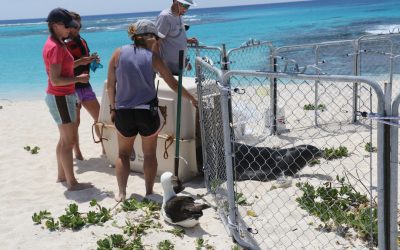
Alright, let’s dive into something that quite literally affects us all, even if we don’t often see it: the warming of our oceans due to climate change. This isn’t some distant, abstract problem; it’s a profound shift happening right beneath the surface that has significant consequences for both marine life and human societies. Think of it as a hidden crisis, slowly but surely altering the very heart of our planet’s climate system. More Than Just Hot Flushes: What Ocean Warming Really Means When we talk about ocean warming, we’re not just discussing a few degrees here and there. We’re talking about the absorption of a staggering amount of heat – over 90% of the excess heat trapped by greenhouse gases produced by human activities. This isn’t just about tropical waters getting a bit toastier; it’s a global phenomenon affecting every ocean basin, from the surface down to the deepest trenches. This absorbed heat fundamentally changes ocean chemistry and physics, leading to a cascade of impacts that are only just beginning to be fully understood. The Thermal Expansion Problem One of the most direct and undeniable consequences of ocean warming is thermal expansion. As water heats up, it expands in volume, and because our oceans are immense, even tiny expansions per unit of water add up to a significant rise in sea levels. Swollen Seas and Coastal Woes This isn’t some hypothetical future; it’s happening now. Coastal communities around the world are already grappling with higher tides, more frequent flooding, and increased erosion. Imagine your local beachfront property gradually being encroached upon. It’s not just big storms that cause problems;...
The Atomic Bombings of Hiroshima and Nagasaki Explained
So, you’re curious about the atomic bombings of Hiroshima and Nagasaki. It’s a heavy topic, no doubt about it, but understanding it is important. In a nutshell, these bombings were the events that led to Japan’s surrender at the end of World War II. Think of them as the devastating, final acts that brought a brutal global conflict to a close, albeit at an unimaginable cost. This article aims to break down what happened, why it happened, and what the immediate aftermath looked like, steering clear of jargon and focusing on the facts. By the summer of 1945, World War II had been raging for six long years. Europe was largely in ruins, with Germany having surrendered in May. However, the fight in the Pacific against Japan was far from over. While the Allied forces had made significant progress, pushing Japan back across the vast ocean, the Japanese military showed no signs of giving up. The fighting was notoriously fierce, with battles like Okinawa resulting in horrific casualties on both sides. The prospect of a full-scale invasion of the Japanese mainland loomed, and military planners were already estimating millions of potential casualties for both Allied soldiers and Japanese civilians caught in the crossfire. This bleak outlook was a major factor driving the search for an alternative to invasion. The Manhattan Project: A Secret Race Behind the scenes, a top-secret project, codenamed the Manhattan Project, had been underway for years. This monumental undertaking involved scientists from various Allied nations, with the United States at its forefront, pooling their knowledge with one singular goal: to develop an atomic weapon. The motivation...
The Collapse of the Soviet Union and the Birth of Modern Ukraine
So, you’re wondering how the Soviet Union ending up dissolving actually paved the way for the Ukraine we know today? It’s a pretty seismic shift, really. Essentially, up until 1991, Ukraine was a Soviet republic, meaning Moscow held the reins. When the USSR finally crumbled, it opened the door for Ukraine to declare its independence and start charting its own course. This wasn’t a sudden event, though. It was a culmination of decades of simmering national identity, economic strains within the Soviet system, and a growing desire for self-determination. The collapse wasn’t just a whimper; it was a full-blown, albeit largely peaceful, transformation that fundamentally reshaped Eastern Europe and, of course, created modern Ukraine. Ukraine’s story isn’t one of being a passive participant in Soviet history. For centuries, there’s been a distinct Ukrainian identity, a sense of culture, language, and heritage that often felt at odds with the overarching Russian or Soviet narrative. Even during periods of intense Soviet control, these cultural threads persisted, sometimes openly, sometimes more subtly. Cossack Traditions and the Idea of a Free Ukraine The legacy of the Zaporizhian Cossacks, those semi-legendary warriors of the steppes, looms large in the Ukrainian psyche. They represent a period of relative autonomy and a fierce independent spirit. This historical memory, of a time when Ukraine wasn’t dictated to by external powers, served as a powerful undercurrent, a reminder of what could be. It wasn’t just about fighting; it was about establishing a society based on self-governance and community. This narrative was carefully preserved and passed down, fostering a long-standing aspiration for freedom. The Echoes of the Ukrainian People’s...
Can Russia Replace Trade With Europe Through China and Asia?
Let’s dive right into the question: can Russia effectively replace its deep-rooted trade ties with Europe by pivoting towards China and the wider Asian market? The short answer is, not entirely, and certainly not easily or quickly. While trade with Asian countries, particularly China, has undoubtedly grown in importance for Russia, it’s a complicated and lengthy process with significant challenges. Europe and Russia’s economies were intertwined for decades, built on established infrastructure, legal frameworks, and mutual needs. Replicating that scale and complexity with new partners is a monumental task. Before we explore the future, it’s crucial to understand the sheer scale of the trade relationship Russia had with Europe. This wasn’t just about selling oil and gas; it was a intricate web of imports, exports, and shared supply chains. Energy Dependence: The Backbone For decades, Europe was Russia’s primary customer for oil and gas. Pipelines crisscrossed the continent, and long-term contracts cemented these relationships. This provided Russia with substantial revenue and Europe with a relatively stable and affordable energy supply. Oil and Gas Exports: A significant portion of Russia’s state budget relied on hydrocarbon sales to European nations. Pipeline Infrastructure: Years of investment in pipelines like Nord Stream and Brotherhood demonstrated the commitment to this energy partnership. Beyond Energy: A Broader Economic Link The relationship extended well beyond fossil fuels. Europe supplied Russia with a vast array of goods and services essential for its economy. Machinery and Technology: European businesses were key providers of advanced machinery, industrial equipment, and sophisticated technology crucial for various Russian sectors, from manufacturing to agriculture. Automotive and Consumer Goods: Many European brands had a...
Can Russia Survive Western Sanctions? The Reality of the Russian Economy Today
So, can Russia actually survive Western sanctions? In short, yes, it seems to be. While the initial barrage of sanctions after the 2022 invasion of Ukraine aimed to cripple the Russian economy, what we’ve seen since is a more resilient and adaptable nation than many expected. It’s not to say there haven’t been impacts – far from it – but the idea of a complete economic collapse hasn’t materialised. Instead, Russia has recalibrated, finding new markets and relying on existing strengths, albeit at a cost. Let’s dig into the details of what’s really happening. It’s tempting to think of sanctions as a magic bullet, but their effects are often more nuanced and slow-burning. While Russia hasn’t crumbled, certain sectors and aspects of daily life have certainly felt the pinch. Technology and High-Tech Imports Perhaps the most immediate and visible impact has been on Russia’s access to Western technology. From microchips for advanced weaponry to consumer electronics and sophisticated machinery, the taps were largely turned off. This has implications across the board: Defence Industry Challenges: While Russia has domestic production capabilities, they’ve often relied on Western components for precision and advanced features. This has forced them to look towards China and other non-Western suppliers, or to try and ramp up their own, often less efficient, manufacturing. Civilian Sector Squeeze: High-tech equipment for industries like aviation, automotive manufacturing, and even oil and gas extraction has become harder to acquire. Companies like Airbus and Boeing withdrawing support has forced airlines to scramble for parts, often resorting to cannibalisation or sourcing from less regulated markets. Software and IT Services: Major Western software providers...
How Much Does the Ukraine War Cost Russia?
Right then, let’s get straight to it. The million-dollar question, or rather, the trillion-rouble question, is how much is this whole Ukraine war business actually costing Russia? It’s a hefty price tag, that’s for sure, and pinning down an exact number is like trying to catch smoke. It’s massive, multi-faceted, and constantly changing. But we’re not going to just wave our hands and say “a lot.” We’ll break down the major areas where Russia is bleeding money and resources. Think of it as a grim accounting exercise, looking at the direct military spending, the economic fallout, the human cost (which has a financial dimension, sadly), and the long-term implications. The Military Price Tag This is the most obvious chunk of the bill, and it’s astronomical. We’re talking about the sheer cost of running a full-scale invasion. Ammunition and Equipment Expenditure Every tank that rolls, every shell that’s fired, every drone that flies – they all cost money to produce, maintain, and deploy. Russia has had to churn out vast quantities of ammunition, missiles, and artillery shells, often at a pace that strains its industrial capacity. Artillery Shells: The sheer volume of artillery duels on the front lines means Russia is burning through shells at an unprecedented rate. Estimates vary wildly, but it’s in the millions, perhaps tens of millions. These aren’t cheap to manufacture. Missiles: Cruise missiles, ballistic missiles, anti-ship missiles – these are high-tech and expensive. Russia has been using them extensively for strikes on infrastructure and military targets deep within Ukraine, as well as on the front. Replacing these lost or expended missiles adds up to billions....
Arctic Ice Melt Explained: What Happens If It Disappears?
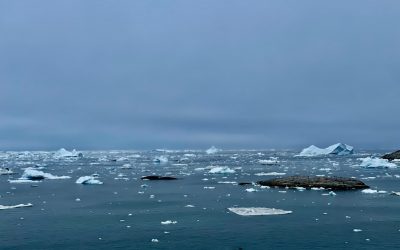
The short answer to what happens if Arctic ice disappears is this: it would drastically reshape our planet, leading to significant sea level rise, extreme weather events, and profound ecological shifts. It wouldn’t just be a regional issue; it would touch every corner of the globe, affecting economies, societies, and the very air we breathe. Beyond the Polar Bears: Why Arctic Ice Matters So Much When we talk about “Arctic ice,” we’re not just referring to the iconic polar bear’s habitat. We’re talking about a complex system of sea ice (frozen ocean water that floats) and land ice (glaciers and ice caps on land, primarily Greenland, which is technically in the Arctic). Both play crucial, yet distinct, roles in regulating Earth’s climate. Sea ice acts like a gigantic white shield, reflecting sunlight back into space and helping to keep the planet cool. Land ice stores vast amounts of freshwater, with its melt directly contributing to global sea level rise. Their combined presence has buffered our climate for millennia. The Mechanisms of Arctic Ice Melt The Arctic is warming at a rate two to three times faster than the global average, a phenomenon often called “Arctic Amplification.” This isn’t just a minor temperature tweak; it’s a fundamental shift in one of the planet’s most sensitive regions. Why is the Arctic Heating Up So Fast? Several factors contribute to this accelerated warming: Ice-Albedo Feedback: This is a big one. As reflective ice melts, it exposes darker ocean water or land. Darker surfaces absorb more solar radiation, which in turn warms the area further, causing even more ice to melt. It’s a...
Why Did Japan Attack Pearl Harbor?
Right, so you’re probably here because you’re wondering, “Why on earth did Japan attack Pearl Harbor?” It’s a big question, and the simple answer is: Japan saw it as a desperate measure to secure its regional dominance and resource needs in the face of escalating pressure from the United States and other Western powers. They believed a swift, decisive strike against the US Pacific Fleet would cripple America’s ability to intervene, buying Japan precious time to solidify its gains across Asia. It wasn’t a sudden, unprovoked act of aggression, but rather the culmination of years of growing tensions, strategic calculations, and a fundamental clash of empires. To truly understand Pearl Harbor, we need to rewind a bit and look at Japan’s own historical trajectory and its rapidly growing imperial ambitions in the early 20th century. A Rapidly Modernising Nation Japan, having undergone the Meiji Restoration in the mid-19th century, transformed itself from an isolated feudal society into a modern, industrialised power at an astonishing pace. This rapid modernisation, however, came with a significant drawback: a severe lack of natural resources. The Search for Resources Unlike resource-rich nations, Japan had to import most of the raw materials vital for its burgeoning industries and military – coal, iron, oil, rubber, and much more. This dependence on external sources was a constant source of anxiety and a major driving force behind its expansionist foreign policy. They looked to nearby regions for these crucial supplies. Expansion into Asia Japan began to carve out its own sphere of influence in East Asia. This started with its victory over China in the First Sino-Japanese War...
The Complete History of Russia: From the Tsars to Today
So, you’re curious about Russia’s massive history, eh? From the days of fancy tsars in ornate palaces to the complex world we see today, it’s quite a journey. In a nutshell, Russia has gone from a loose collection of East Slavic tribes to a vast empire ruled by autocrats, weathered a world-changing revolution, survived the Cold War as a superpower, and is now navigating its place in the 21st century. It’s a story packed with expansion, rebellion, innovation, and immense changes that have shaped not just Russia, but the entire planet. Before there were even whispers of tsars, the land we now know as Russia was home to various East Slavic tribes. These weren’t unified nations in the modern sense, but rather communities with shared languages and customs, often living along the major river systems that would become crucial arteries of trade. The Arrival of the Varangians: A Founding Myth? A significant part of the early narrative involves the arrival of Rurik and his Varangian (often interpreted as Viking) kin around the 9th century. Legend has it that the Slavic tribes, tired of internal squabbles, invited them to rule. Whether this was a true invitation or a conquest is debated, but it’s seen as a pivotal moment, marking the establishment of leadership and the name “Rus’,” which is thought to derive from these newcomers. Governing the Early Rus’ The Rurikid dynasty, descended from Rurik, became the ruling elite. They established centres of power, most famously in Novgorod and later Kyiv, creating what is often referred to as Kievan Rus’. This wasn’t a centralised state as we understand it today,...
Why Did Russia Invade Ukraine? Causes of the War Explained
So, you’re wondering why Russia invaded Ukraine? It’s a question a lot of us have been grappling with, and frankly, there’s no single, simple answer. It’s a really complex situation, built up over years, even decades, with a tangle of historical grievances, political ambitions, and security concerns on both sides. Think of it like a really old, festering wound rather than a sudden injury. On one hand, Russia, and specifically its leader Vladimir Putin, has framed the invasion as a defence against NATO expansion and a way to protect Russian speakers in Ukraine. On the other, Ukraine and much of the international community see it as an unprovoked act of aggression, a blatant violation of international law and Ukraine’s sovereignty. We’re going to break down some of the main threads that have led to where we are today. The idea that Ukraine and Russia are somehow intrinsically linked, or even part of the same historical entity, is a cornerstone of Putin’s worldview. He often talks about “Novorossiya” – ‘New Russia’ – and a shared cultural and spiritual heritage stretching back to Kyivan Rus’. This isn’t just about nostalgia; it’s a political tool. The ‘Brotherly Nations’ Narrative Putin frequently refers to Russians and Ukrainians as “one people,” a notion that many Ukrainians strongly reject. They see themselves as distinct. This narrative aims to undermine Ukraine’s independent national identity, suggesting it’s an artificial state or a Western puppet. It taps into a historical idea that the lands of Ukraine were historically part of a greater Russian sphere of influence. Ukraine’s Post-Soviet Identity Struggle Since gaining independence from the Soviet Union in...
Why Hasn’t the Russian Economy Collapsed?
We’ve all seen the news: sanctions, isolated from the global financial system, a war requiring immense resources. So, why hasn’t Russia’s economy simply cratered? The short answer is a combination of foresight, financial gymnastics, robust resource revenue, and a level of economic resilience that many underestimated. It wasn’t about luck; it was about preparation and adaptation. While the country certainly faces challenges, a full-blown collapse has been averted through a series of tactical decisions and structural advantages. When the West unleashed its arsenal of sanctions, the expectation was a swift and devastating blow to the Russian economy. While certainly impactful, these measures didn’t deliver the knockout punch many anticipated. The Phased Approach and Anticipatory Measures Russia wasn’t caught entirely off guard. Following the 2014 annexation of Crimea, Moscow had already begun to “sanction-proof” parts of its economy. This involved a gradual shift away from dollar-denominated assets and building up substantial foreign exchange reserves. They weren’t starting from scratch when the 2022 sanctions hit. This long-term strategy allowed them to absorb some of the initial shocks. The Limits of Unilateral Action The West’s sanctions, while broad, were not universally adopted. Many significant economies, such as China, India, and various countries in the Global South, either maintained or even increased their economic ties with Russia. This provided alternative markets for Russian exports and alternative sources for imports, blunting the impact of Western restrictions. It’s hard to isolate a G20 economy when a large chunk of the globe isn’t participating in the isolation. Loopholes and Workarounds Let’s be frank, sanctions are complex, and loopholes often emerge. The initial “shock and awe” of...