Right, so what’s the deal with deforestation and climate change? Simply put, when we cut down forests, we’re not just losing trees; we’re actively contributing to a warmer planet. Forests are fantastic at soaking up carbon dioxide, a major greenhouse gas, and keeping it out of the atmosphere. When they’re gone, that carbon gets released, and it also means there are fewer trees left to do the soaking up in the future. It’s a double whammy, really, and it’s a growing global concern for good reason.
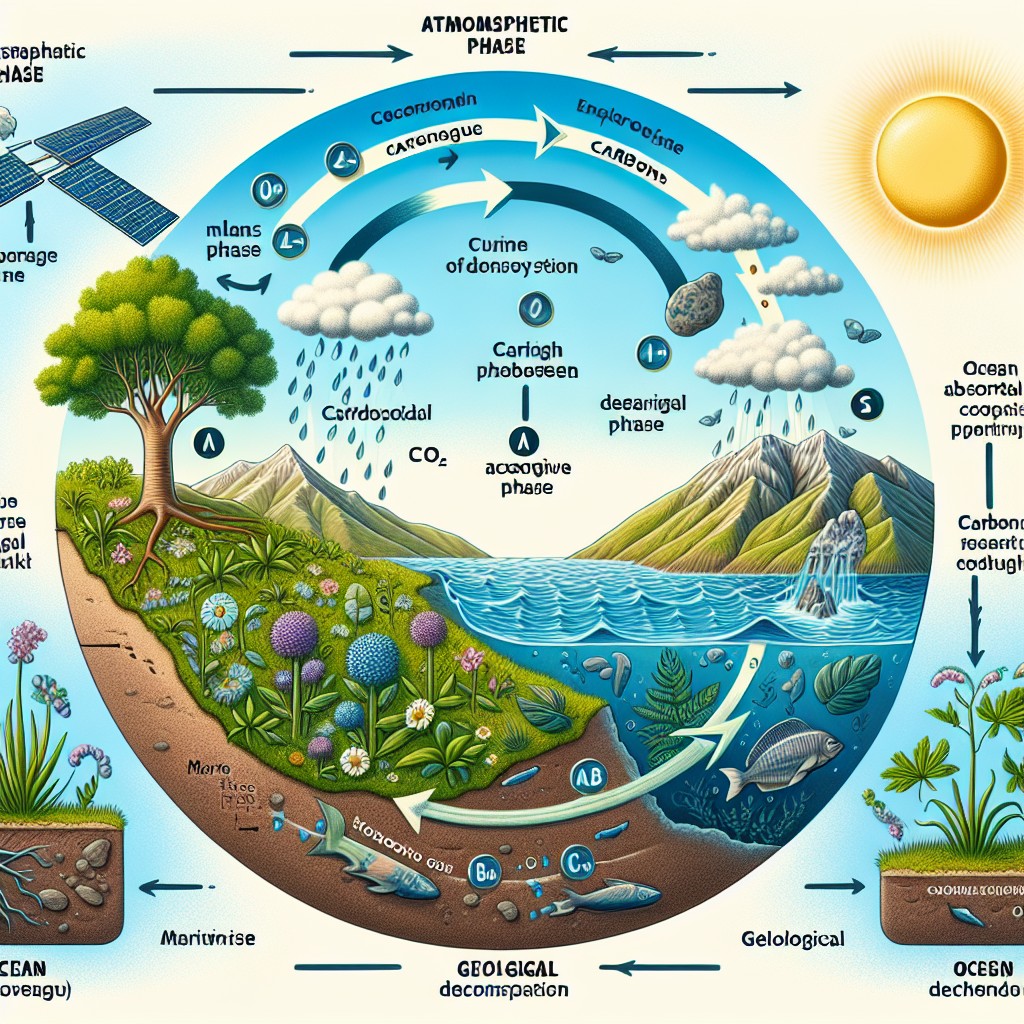
Imagine forests as Earth’s big, green lungs. They’re constantly taking in carbon dioxide from the air through photosynthesis. This process essentially turns CO2 into wood, leaves, and roots, storing the carbon safely away. This stored carbon is a massive carbon sink, helping to regulate the Earth’s temperature. When these trees are standing and growing, they’re actively reducing the amount of greenhouse gases in the atmosphere.
Photosynthesis: The Magic Behind the Shield
At its core, photosynthesis is the engine that drives forests’ climate-regulating power. Sunlight, water, and carbon dioxide are all the ingredients. Plants use these to create their own food (sugars) and, as a byproduct, they release oxygen. Crucially, during this process, a significant amount of carbon is incorporated into the plant’s biomass. The older and larger a tree gets, the more carbon it has stored over its lifetime. It’s a slow, natural process that’s been happening for millennia, keeping our climate relatively stable.
Carbon Sequestration: More Than Just Storing
It’s not just about the living trees. The soil beneath the forest also plays a vital role. Forest soils are rich in organic matter, the decomposed remains of leaves, branches, and roots. This organic matter is packed with carbon. When forests are healthy, this carbon remains locked in the soil, further contributing to the overall carbon sink. This underground storage is just as important as the carbon held within the trees themselves.
The Immediate Impact: Releasing Stored Carbon
When forests are cleared, especially through burning, all that stored carbon doesn’t just vanish. Wood, leaves, and the soil itself release their stored carbon back into the atmosphere, primarily as carbon dioxide, but also as methane in some cases, which is an even more potent greenhouse gas. This isn’t a gradual leak; it’s often a rapid and significant release of carbon that has been locked away for decades or even centuries.
Burning Forests: A Recipe for Disaster
One of the most common methods of deforestation is clearing land for agriculture or development by setting fire to the vegetation. This method is quick and efficient in clearing land, but it’s a carbon catastrophe. The burning process oxidises the organic matter, releasing vast quantities of CO2 directly into the atmosphere. Think of it like unzipping a massive carbon storage unit and letting it all fly out.
Logging and Decomposition: A Slower Burn
Even if forests aren’t burned, the process of logging still has a significant impact. When trees are felled and their wood is transported, decomposed, or processed, the carbon they stored is eventually released. While this might be a slower release compared to burning, it’s still a net addition of greenhouse gases to the atmosphere. The carbon cycle is disrupted, and the forest’s ability to absorb CO2 is diminished.
Tropical Rainforests: The Lungs of the Planet Under Threat
Tropical rainforests, in particular, are incredibly dense ecosystems that store vast amounts of carbon. They are often referred to as the “lungs of the planet” because of their immense capacity for carbon sequestration and oxygen production. Their destruction, therefore, has disproportionately large effects on global climate.
The Scale of Destruction: A Worrying Trend
The rates at which we’re losing tropical rainforests are alarming. Large areas are cleared for cattle ranching, soy cultivation, palm oil plantations, logging, and mining. These activities often involve systematic clearing of vast swathes of land, leading to substantial carbon emissions and habitat loss. The Amazon, the Congo Basin, and the rainforests of Southeast Asia are particularly vulnerable.
Biodiversity Loss: A Climate Knock-On Effect
Beyond the direct carbon impact, the destruction of rainforests leads to a massive loss of biodiversity. These diverse ecosystems contain millions of species, many of which have undiscovered ecological roles. When an ecosystem collapses, these intricate webs of life are broken, and the overall resilience of the planet to climate change is weakened. A less biodiverse planet is a less stable planet.
Beyond Carbon: Other Climate Impacts of Deforestation
While carbon release is the most direct climate link, deforestation has a ripple effect on the climate system in other ways too. These changes can alter local weather patterns, affect rainfall, and even influence ocean currents.
Albedo Effect: Changing How the Earth Reflects Sunlight
Forests, with their dark green canopy, absorb a lot of sunlight. This is known as a low albedo. When forests are replaced by lighter-coloured surfaces like pastures or bare soil, more sunlight is reflected back into space. This is the albedo effect. While this might sound like it could cool things down, the net effect of deforestation, especially in tropical regions, is warming. This is because the loss of evaporative cooling from trees and the massive release of greenhouse gases outweigh the increased reflectivity.
Water Cycles and Rainfall Patterns: Thirsty Planet
Trees play a crucial role in the water cycle. They draw water up from the soil and release it back into the atmosphere through transpiration. This process contributes significantly to cloud formation and rainfall, not just locally but also in distant regions, as atmospheric moisture can be transported over long distances. When forests are removed, this natural “rainfall machine” is disrupted, leading to drier conditions, reduced rainfall, and increased vulnerability to droughts.
Soil Erosion and Desertification: A Vicious Cycle
The tree roots bind the soil together, preventing erosion by wind and rain. Without tree cover, the fertile topsoil is easily washed away. This not only reduces the land’s ability to support vegetation but can also lead to sediment pollution in rivers and coastal areas. In drier regions, this erosion can contribute to desertification, turning once productive land into barren desert, further exacerbating climate change by releasing stored soil carbon and reducing the land’s capacity to absorb CO2.
Addressing Deforestation: Solutions and Challenges
| Country | Deforestation Rate (per year) | CO2 Emissions (tonnes per year) |
|---|---|---|
| Brazil | 1.3 million hectares | 1.2 billion |
| Indonesia | 0.6 million hectares | 0.5 billion |
| Russia | 0.5 million hectares | 0.4 billion |
| China | 0.4 million hectares | 0.3 billion |
Tackling deforestation requires a multi-faceted approach involving governments, corporations, communities, and individuals. It’s not an easy fix, but there are promising strategies and ongoing challenges.
Sustainable Land Management: Working With Nature
One key solution is to promote sustainable land management practices. This means finding ways to meet human needs for food and resources without destroying forests. This can include agroforestry (integrating trees into farming systems), improved agricultural techniques that increase yields on existing land, and responsible forestry practices that allow for harvesting without causing irreversible damage.
Policy and Enforcement: The Role of Governments
Governments have a critical role to play in enacting and enforcing policies that protect forests. This includes establishing protected areas, implementing laws against illegal logging, land grabbing, and deforestation for unsustainable purposes. International agreements and cooperation are also vital to address a problem that transcends national borders. However, enforcement can be challenging, especially in regions with weak governance or where economic pressures are immense.
Consumer Choices and Corporate Responsibility: Your Part in the Story
As consumers, we also have a role. Understanding where our products come from and the impact of our purchasing decisions can make a difference. Supporting companies with clear commitments to sustainable sourcing, avoiding products linked to deforestation (like certain palm oil or beef), and advocating for stronger corporate responsibility can drive positive change. Businesses need to be held accountable for their supply chains and ensure they are not contributing to forest destruction.
Reforestation and Afforestation: Planting the Future
While preventing deforestation is paramount, actively restoring degraded lands through reforestation (planting trees on land that was formerly forested) and afforestation (planting trees on land that was not previously forested) can help to some extent. These efforts can help to recapture lost carbon, restore ecosystems, and improve the climate’s resilience. However, it’s important to remember that newly planted forests do not immediately replicate the carbon stores and ecological complexity of ancient forests. It’s a long-term commitment.
In conclusion, the connection between deforestation and climate change is undeniable and deeply concerning. By understanding the vital role forests play in regulating our planet’s climate and the significant impact of their destruction, we can begin to appreciate the urgency of the global effort needed to protect and restore these invaluable ecosystems. It’s a complex challenge, but one that is absolutely essential for a stable climate and a healthy planet for generations to come.
FAQs
What is deforestation?
Deforestation is the process of clearing or removing forests or trees from a land area, often for agricultural or commercial purposes.
How does deforestation contribute to climate change?
Deforestation contributes to climate change by releasing carbon dioxide into the atmosphere. Trees absorb carbon dioxide, so when they are cut down or burned, the carbon they store is released, adding to the greenhouse effect and global warming.
What are the other environmental impacts of deforestation?
In addition to contributing to climate change, deforestation also leads to loss of biodiversity, soil erosion, disruption of water cycles, and increased greenhouse gas emissions.
Which regions are most affected by deforestation?
Tropical regions, such as the Amazon rainforest, Southeast Asia, and parts of Africa, are most affected by deforestation due to the high demand for agricultural land and timber.
What are some solutions to address deforestation and its impact on climate change?
Solutions to address deforestation and its impact on climate change include sustainable forest management, reforestation efforts, promoting alternative land uses, and implementing policies to reduce illegal logging and forest degradation.