Ukraine (Ukrayina)

Ukraine 

(Ukrayina)

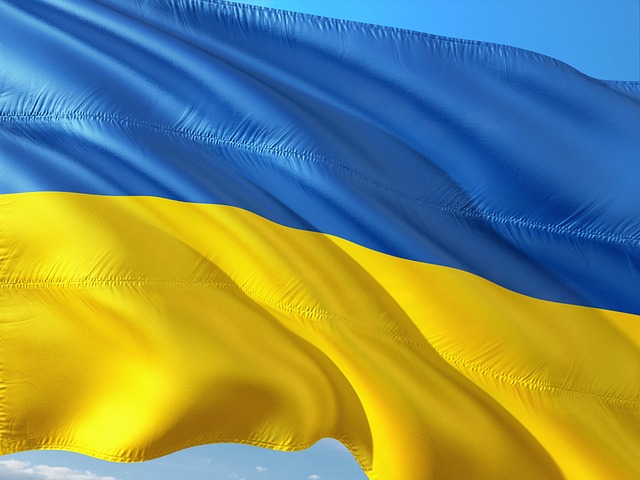
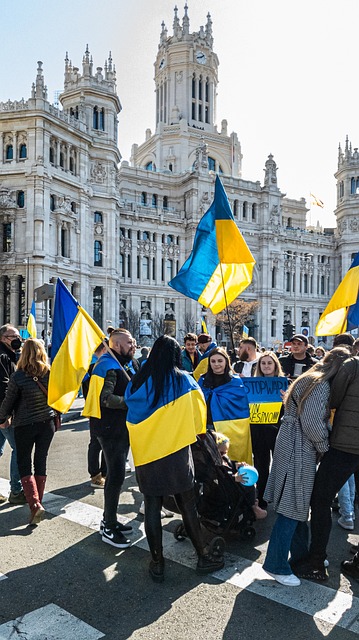
Ukrainian Flag
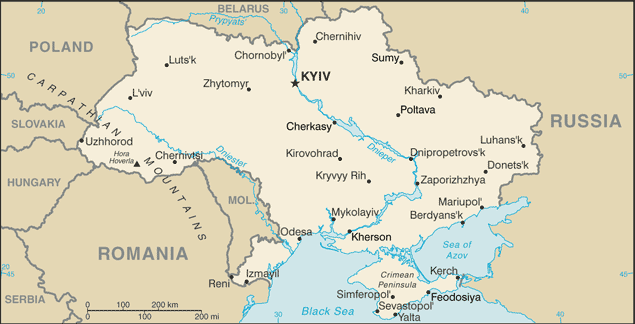
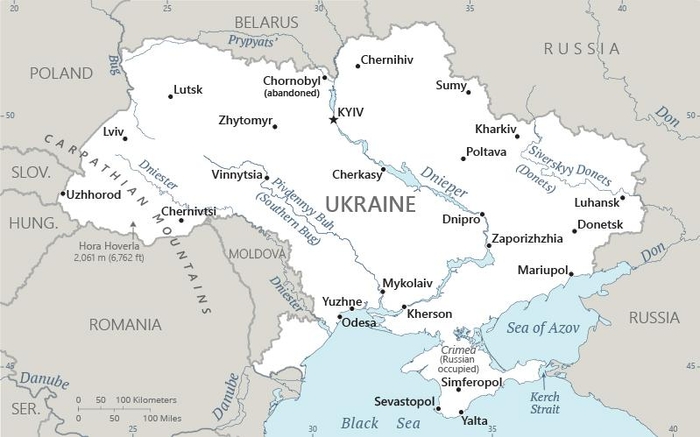
Map of Ukraine
Illustration showing the continent of Africa on a 3D globe, with a red outline highlighting Europe; the Moon appears in the background. Text reads Earth Site © MMXIV.
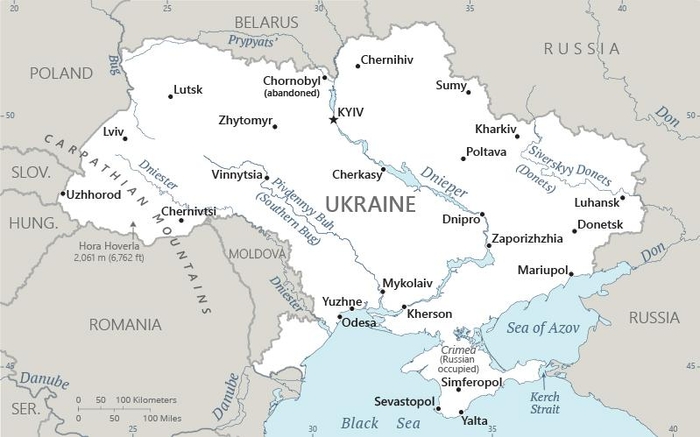
Map of Ukraine showing major cities, rivers, neighbouring countries, the Carpathian Mountains, and the Black Sea and Sea of Azov to the south. Crimea is labelled with “Crimea (Russian Occupied)” and Sevastopol is marked.
People gather in front of an ornate building, holding and waving Ukrainian flags during a public demonstration. Some carry placards and banners, with sunlight illuminating the scene.
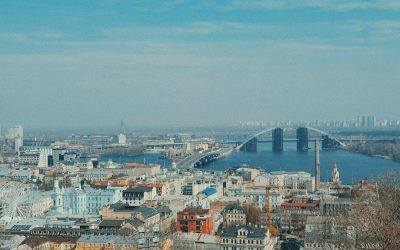
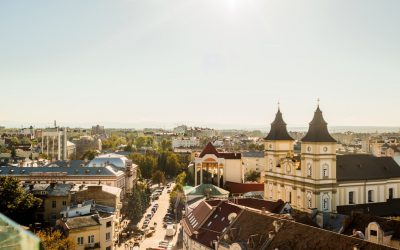
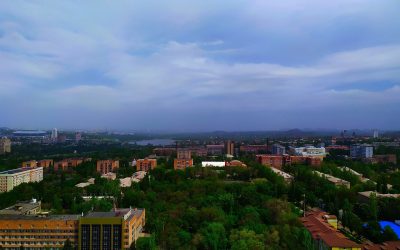
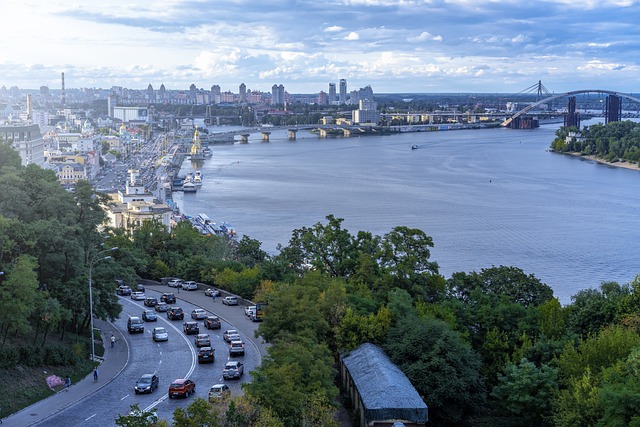
Aerial view of a city with a river, several bridges, and a busy road with cars, surrounded by green trees and buildings under a partly cloudy blue sky.

Capital: Kiev (Kyiv)

Population (Estimated July 2012): 44,854,065

Area: 603,628km2 or 233,062mi2

Currency: Hryvnya (UAH)

Official Language: Ukrainian

Political Information: Parliamentary Republic

Official Religion: No Official Religion (approximately 50.4% of the population is Ukrainian Orthodox – Kyiv Patriarchate, 26.1% are Ukrainian Orthodox – Moscow Patriarchate, 8% are Ukrainian Greek Catholic, 7% are Ukrainian Autocephalous Orthodox, 2.2% are Roman Catholic, 2.2% are Protestant, 0.6% are Jewish and 3.2% have other religious beliefs)

Highest Mountain: Hora Hoverla at 2,061m or 6,762ft

Time Zone (GMT/UTC): +2:00


Wildlife:


Counties/Provinces/States: 24 provinces (oblasti, singular – oblast’), 1 autonomous republic* (avtonomna respublika), and 2 municipalities (mista, singular – misto) with oblast status**; Cherkasy, Chernihiv, Chernivtsi, Crimea or Avtonomna Respublika Krym* (Simferopol’), Dnipropetrovs’k, Donets’k, Ivano-Frankivs’k, Kharkiv, Kherson, Khmel’nyts’kyy, Kirovohrad, Kyiv**, Kyiv, Luhans’k, L’viv, Mykolayiv, Odesa, Poltava, Rivne, Sevastopol’**, Sumy, Ternopil’, Vinnytsya, Volyn’ (Luts’k), Zakarpattya (Uzhhorod), Zaporizhzhya, Zhytomyr


Leaders: President Volodymyr Zelenskyy; Prime Minister Denys Shmyhal


Additional: Gained independence from the Soviet Union on the 24th of August 1991.
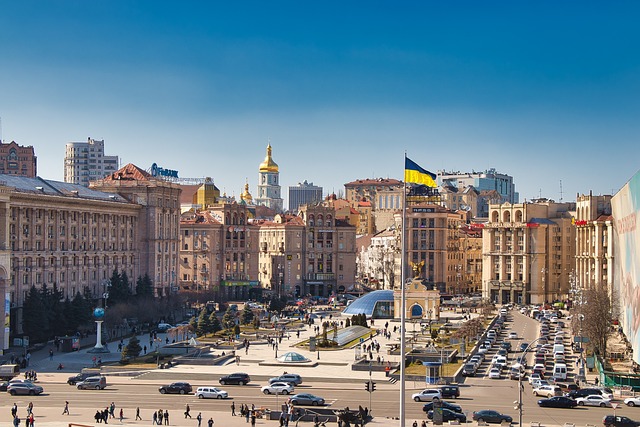
Ukraine

Ukraine, the largest country in Europe by land area, is a nation steeped in rich history and cultural diversity. Bordered by Belarus to the north, Russia to the northeast and east, and several Central European nations to the west, Ukraine serves as a bridge between East and West. Its capital, Kyiv, is one of the oldest cities in Eastern Europe, with a history that dates back over 1,400 years.

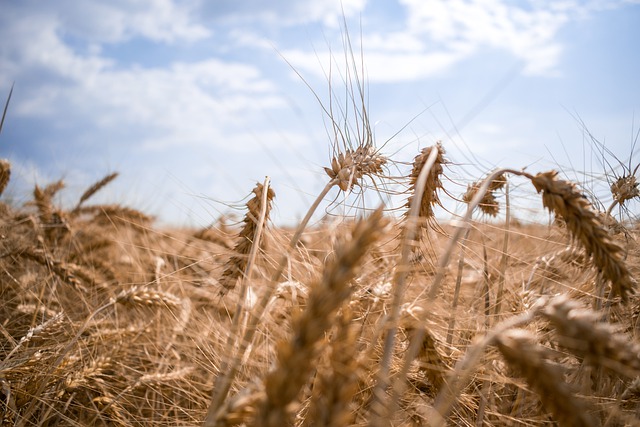
The country is known for its vast landscapes, ranging from the Carpathian Mountains in the west to the expansive steppes in the east, and its fertile plains that have earned it the moniker “the breadbasket of Europe.” The population of Ukraine is approximately 41 million people, making it one of the most populous countries in Europe. The nation is home to a variety of ethnic groups, with Ukrainians being the predominant group, followed by Russians, Belarusians, and Crimean Tatars.

The official language is Ukrainian, although Russian is widely spoken, particularly in the eastern regions.

This linguistic diversity reflects the complex historical influences that have shaped Ukraine’s identity over centuries.

Summary

  • Ukraine is a country located in Eastern Europe, known for its rich history and diverse culture.
  • The history of Ukraine is marked by periods of independence, foreign rule, and conflict, shaping the country’s identity and resilience.
  • Ukraine’s geography includes diverse landscapes such as the Carpathian Mountains, fertile plains, and the Black Sea coast, with a continental climate.
  • The economy of Ukraine is driven by agriculture, heavy industry, and natural resources, with a focus on steel production and energy.
  • Ukrainian culture is influenced by its folklore, music, dance, and religious traditions, reflecting a strong sense of national identity.


History of Ukraine

The history of Ukraine is marked by a series of significant events that have shaped its national identity and territorial boundaries. The region has been inhabited since prehistoric times, with evidence of early human settlements dating back to the Paleolithic era. The establishment of Kievan Rus’ in the 9th century is often regarded as a pivotal moment in Ukrainian history.

This federation of Slavic tribes laid the foundation for Ukrainian statehood and culture, with Kyiv emerging as a major political and cultural centre. Throughout the centuries, Ukraine has experienced numerous invasions and occupations by foreign powers. The Mongol invasion in the 13th century devastated Kievan Rus’, leading to a period of fragmentation and decline.

In the 14th century, much of Ukraine fell under Polish-Lithuanian control, which introduced Catholicism and Western European influences. The Cossack Hetmanate emerged in the 17th century as a response to foreign domination, asserting a degree of autonomy and fostering a sense of national identity. However, by the late 18th century, much of Ukraine was absorbed into the Russian Empire, leading to further cultural suppression and Russification.

The 20th century was particularly tumultuous for Ukraine. Following the Russian Revolution in 1917, Ukraine briefly declared independence but was soon engulfed in civil war and subsequently became part of the Soviet Union. The Holodomor, a man-made famine in the early 1930s, resulted in the deaths of millions of Ukrainians and remains a deeply painful chapter in the nation’s history.

Ukraine regained independence in 1991 following the dissolution of the Soviet Union, marking a new era for the country as it sought to establish its sovereignty and navigate its post-Soviet identity.

Holodomor

Holodomor, a term derived from the Ukrainian words “holod” (hunger) and “moryty” (to kill), refers to the catastrophic famine that struck Soviet Ukraine between 1932 and 1933. This man-made disaster resulted in the deaths of millions of Ukrainians, with estimates ranging from 3.5 to 7 million people. The famine was not merely a natural occurrence; it was exacerbated by the policies of the Soviet government under Joseph Stalin, which aimed to enforce collectivisation and suppress Ukrainian nationalism.

The Holodomor is often regarded as a genocide against the Ukrainian people, as it was characterised by the deliberate actions of the state to extract grain and resources from Ukraine while denying food aid to its starving population. The famine’s origins can be traced back to the Soviet regime’s aggressive agricultural policies, which sought to consolidate individual farms into collective ones. This transition was met with resistance from many Ukrainian peasants, who were unwilling to relinquish their land and livestock.

In response, the government implemented harsh measures, including confiscating grain and other foodstuffs, which left rural communities destitute. The situation was further compounded by a series of poor harvests and adverse weather conditions, but it was the state’s ruthless enforcement of grain quotas that ultimately led to widespread starvation. The Holodomor remains a deeply painful chapter in Ukrainian history, symbolising the struggle for identity and autonomy in the face of oppressive governance.

The recognition of Holodomor as a genocide has been a contentious issue both within Ukraine and internationally. For decades, the Soviet government denied that a famine had occurred, portraying reports of starvation as exaggerated or fabricated by hostile foreign powers. This denial persisted even after Ukraine gained independence in 1991, with some factions within Russia continuing to downplay or dismiss the events as a natural disaster rather than a deliberate act of genocide.

Such denialism has often been rooted in political motivations, as acknowledging Holodomor as genocide would implicate the Soviet regime in crimes against humanity. In contrast, many countries and international organisations have taken steps to formally recognise Holodomor as a genocide. In 2006, Ukraine’s parliament passed a law declaring Holodomor a genocide against the Ukrainian people, and numerous nations have followed suit by recognising it officially.

This recognition is crucial not only for historical accuracy but also for acknowledging the suffering endured by millions. It serves as an important step towards healing and reconciliation for survivors and their descendants, allowing them to confront their past while advocating for justice and remembrance.

Geography and Climate of Ukraine

Ukraine’s geography is characterised by its diverse landscapes, which include vast plains, rolling hills, mountains, and rivers. The Carpathian Mountains in the west are home to some of the highest peaks in Eastern Europe, providing opportunities for hiking and winter sports. The Crimean Peninsula, located on the northern coast of the Black Sea, boasts stunning coastal scenery and unique ecosystems.

The Dnieper River, one of Europe’s major rivers, flows through the heart of Ukraine, serving as a vital waterway for trade and transportation. The climate of Ukraine varies significantly across its regions. The western part experiences a humid continental climate with warm summers and cold winters, while the southern regions near the Black Sea enjoy a more temperate climate with milder winters.

The eastern part of Ukraine has a more continental climate with greater temperature extremes. This climatic diversity supports a wide range of agricultural activities, making Ukraine one of the world’s leading producers of grains and other crops.

Economy and Industry in Ukraine

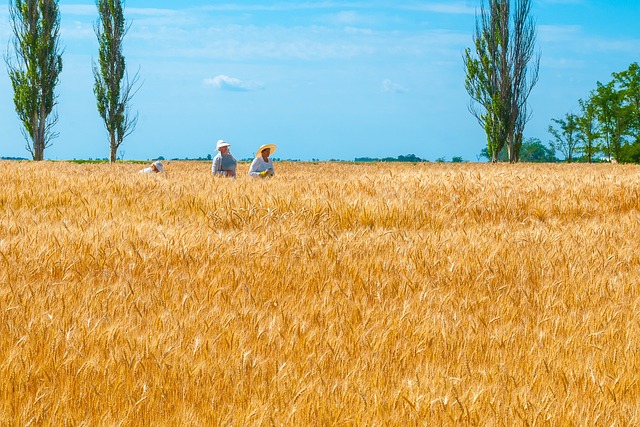
Ukraine’s economy is diverse and resource-rich, with agriculture playing a central role. The country’s fertile soil, known as chernozem or black earth, is among the most productive in the world. Ukraine is one of the largest exporters of grain globally, particularly wheat and corn.

In addition to agriculture, Ukraine has a well-developed industrial sector that includes heavy machinery manufacturing, metallurgy, and chemical production. The country is also known for its aerospace industry and has a long-standing tradition of producing aircraft and space technology. Despite its potential, Ukraine’s economy has faced significant challenges since gaining independence.

Political instability, corruption, and external conflicts have hindered economic growth and foreign investment. The annexation of Crimea by Russia in 2014 and ongoing conflict in Eastern Ukraine have further complicated economic recovery efforts. However, recent reforms aimed at improving governance and transparency have begun to yield positive results, attracting renewed interest from international investors.


Ukrainian Culture and Traditions


Ukrainian culture is a vibrant tapestry woven from centuries of history, folklore, and artistic expression.
Traditional music plays an essential role in Ukrainian culture, with folk songs often accompanied by instruments such as the bandura and kobza. Dance is also an integral part of cultural celebrations; traditional dances like the hopak are performed during festivals and gatherings.

The rich oral tradition includes epic poetry known as “duma,” which recounts historical events and heroic tales. Festivals are an important aspect of Ukrainian life, reflecting both religious and seasonal themes. One of the most significant celebrations is Ivan Kupala Night, which marks the summer solstice with rituals involving fire and water to honour fertility and love.

Christmas and Easter are celebrated with unique customs that vary by region; for instance, Easter eggs (pysanky) are intricately decorated using traditional techniques that have been passed down through generations. These cultural practices not only preserve Ukrainian heritage but also foster community bonds.

Ukrainian Cuisine and Food

Ukrainian cuisine is hearty and diverse, reflecting the agricultural abundance of the country. One of the most iconic dishes is borscht, a beetroot soup that can be served hot or cold and often includes ingredients such as cabbage, potatoes, carrots, and meat. It is typically garnished with sour cream and fresh herbs.

Another staple is varenyky (dumplings), which can be filled with various ingredients ranging from potatoes to cherries and are often served with sour cream or fried onions. Bread holds a special place in Ukrainian culture; it is often referred to as “the staff of life.” Traditional rye bread (palyanytsya) is commonly served at meals and during celebrations. Additionally, Ukrainian cuisine features an array of pickled vegetables, meats such as salo (cured pork fat), and dairy products like cheese and sour cream.

Meals are often accompanied by horilka (vodka), which plays a significant role in social gatherings.

Political Situation in Ukraine

The political landscape in Ukraine has been marked by significant upheaval since independence. The Orange Revolution in 2004 was a pivotal moment when mass protests erupted against electoral fraud during presidential elections. This movement led to a re-run of the elections and ultimately brought Viktor Yushchenko to power.

However, political divisions persisted between pro-European western regions and pro-Russian eastern areas. The situation escalated dramatically in 2014 when protests against President Viktor Yanukovych’s decision to suspend an association agreement with the European Union led to his ousting. This period also saw Russia’s annexation of Crimea and the outbreak of conflict in Eastern Ukraine involving Russian-backed separatists.

The ongoing war has resulted in thousands of casualties and has displaced millions from their homes. International efforts to mediate peace have been complicated by geopolitical tensions between Russia and Western nations.

Ukraine: A Country at a Crossroads

Ukraine, the largest country in Europe by land area, is a nation steeped in a rich tapestry of history and culture. Geographically, it is strategically positioned at the crossroads of Eastern Europe, bordered by Belarus to the north, Russia to the northeast and east, and the Black Sea to the south. This location has made Ukraine a focal point for various civilisations throughout history, from the ancient Scythians and Sarmatians to the powerful Kyivan Rus, which laid the foundations for modern Ukrainian identity.

The Carpathian Mountains in the west and the vast steppes in the east contribute to its diverse landscape, which has been both a blessing and a curse, providing fertile land for agriculture while also making it a target for invasions. Historically, Ukraine has experienced a tumultuous past marked by periods of independence and foreign domination. The Mongol invasion in the 13th century, followed by centuries of Polish-Lithuanian and Russian rule, shaped its national identity.

The 20th century brought further upheaval, with Ukraine suffering immensely during the Holodomor, a man-made famine in the 1930s that claimed millions of lives. Following World War II, Ukraine became one of the founding republics of the Soviet Union, enduring significant industrialisation and urbanisation but also repression. The dissolution of the Soviet Union in 1991 marked a pivotal moment in Ukraine’s history, as it declared independence and sought to forge its own path in a rapidly changing world.

Summary

  • Ukraine has a rich history and diverse geography, with influences from various empires and cultures.
  • Political challenges and divisions within Ukraine have led to instability and conflict, particularly in the ongoing conflict in with Russia.
  • Ukraine faces economic struggles but also has opportunities for growth, particularly in its agricultural and IT sectors.
  • Ukraine’s relationship with Russia and the European Union is complex, with tensions and competing influences.
  • Ukraine is culturally and linguistically diverse, with a mix of Ukrainian, Russian, and other ethnic groups.

Ukraine’s role in international relations and geopolitics

Ukraine occupies a pivotal position in international relations due to its geographical location and historical ties with both Western Europe and Russia. As tensions between NATO and Russia have escalated in recent years, Ukraine has become increasingly central to discussions about security in Eastern Europe. The country’s aspirations for NATO membership have been met with mixed responses from member states; while some support Ukraine’s bid for closer integration into Western security structures, others remain cautious about provoking further Russian aggression.

Moreover, Ukraine’s relationship with international organisations such as the United Nations and the Organisation for Security and Co-operation in Europe (OSCE) underscores its commitment to multilateralism. By engaging with these bodies, Ukraine seeks to garner support for its territorial integrity while advocating for human rights and democratic governance. The ongoing conflict has drawn attention from global powers, prompting discussions about sanctions against Russia and humanitarian assistance for affected populations.

As geopolitical dynamics continue to evolve, Ukraine’s role as a key player in regional stability remains critical.

The future of Ukraine: prospects and challenges

Looking ahead, Ukraine faces both significant prospects and formidable challenges as it navigates its path forward. The potential for economic growth exists through continued reforms aimed at combating corruption and enhancing transparency within government institutions. Strengthening ties with the European Union could provide access to vital markets and investment opportunities that would bolster economic resilience.

Additionally, harnessing its technological capabilities could position Ukraine as a leader in innovation within Eastern Europe. However, these prospects are tempered by ongoing political instability and external threats. The unresolved conflict in Eastern Ukraine poses a significant barrier to national unity and development efforts.

Furthermore, internal divisions based on language and culture may hinder progress towards a cohesive national identity that embraces diversity while fostering solidarity. As Ukraine strives for stability amidst these challenges, the international community’s support will be crucial in ensuring that it can realise its aspirations for democracy, prosperity, and peace on its own terms.

Tourism in Ukraine

Tourism in Ukraine offers a wealth of experiences for visitors seeking to explore its rich heritage and natural beauty. Kyiv stands out as a major destination with its stunning architecture, including Saint Sophia Cathedral and Kyiv Pechersk Lavra (Monastery of the Caves), both UNESCO World Heritage Sites. The city’s vibrant arts scene includes theatres, galleries, and music festivals that showcase contemporary Ukrainian culture.

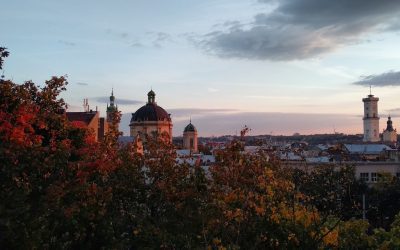
Beyond Kyiv, Lviv enchants visitors with its well-preserved medieval architecture and charming cobblestone streets. Known for its coffee culture and vibrant nightlife, Lviv has become increasingly popular among tourists seeking an authentic experience. The Carpathian Mountains attract outdoor enthusiasts year-round for hiking in summer and skiing in winter.

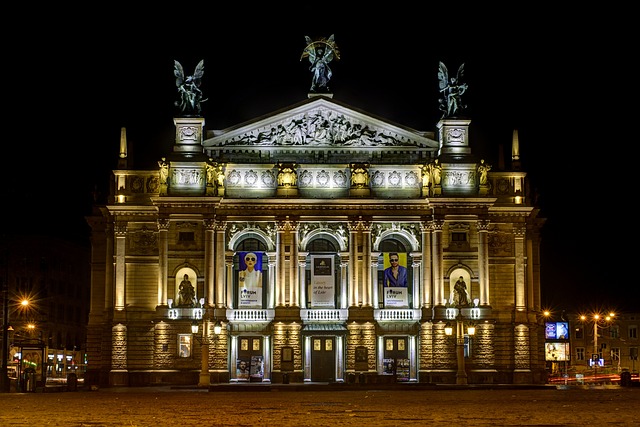
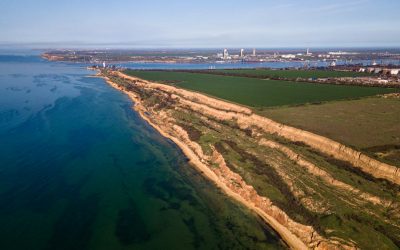
Odesa on the Black Sea coast offers beautiful beaches alongside a rich cultural scene influenced by its history as a major port city. Visitors can explore its famous Potemkin Stairs or enjoy performances at the Odesa Opera House. As Ukraine continues to develop its tourism infrastructure amidst ongoing challenges, it remains an intriguing destination for those looking to discover its unique blend of history, culture, and natural beauty.


FAQs


What is the capital of Ukraine?

The capital of Ukraine is Kyiv.

What is the population of Ukraine?

As of 2021, the population of Ukraine is estimated to be around 41 million people.

What is the official language of Ukraine?

The official language of Ukraine is Ukrainian.

What is the currency of Ukraine?

The currency of Ukraine is the Ukrainian hryvnia (UAH).

What are some popular tourist attractions in Ukraine?

Some popular tourist attractions in Ukraine include the city of Lviv, the Carpathian Mountains, the historic city of Chernivtsi, and the coastal city of Odesa.

What is the climate like in Ukraine?

Ukraine has a temperate continental climate, with hot summers and cold winters. The climate can vary depending on the region, with more moderate temperatures in the coastal areas and mountainous regions.

What are some traditional Ukrainian dishes?

Traditional Ukrainian dishes include borscht (beet soup), varenyky (dumplings), holubtsi (stuffed cabbage rolls), and salo (cured pork fat).

What are some major industries in Ukraine?

Some major industries in Ukraine include agriculture, manufacturing, energy production, and technology. Ukraine is also known for its rich natural resources, including coal, iron ore, and natural gas.

Exploring the Hidden Gems of Volyn: Discovering the Charms of Luts’k

Exploring the Hidden Gems of Volyn: Discovering the Charms of Luts’k

Volyn is a region in western Ukraine known for its natural beauty and rich culture. It is home to picturesque landscapes, charming towns, and a wealth of historical and cultural sites. One of the most notable cities in Volyn is Luts’k, the capital city of the region. Luts’k is steeped in history and culture, with a fascinating past that dates back centuries. In this article, we will explore the hidden gems of Luts’k and the surrounding region of Volyn, uncovering its historical sites, cultural landmarks, and natural wonders. Summary Volyn is a region of natural beauty and rich culture. Luts’k is a city with a deep history and culture. Tourists can uncover hidden gems in Luts’k with a guide. The Castle of Luts’k is a symbol of the city’s rich history. The Holy Trinity Cathedral is a spiritual haven in the heart of Luts’k. Luts’k: A City Steeped in History and Culture Luts’k is a city with a rich history and cultural significance. It has been inhabited since ancient times and has been ruled by various powers throughout its history, including the Lithuanians, Poles, and Russians. This diverse history has left its mark on the city, with architectural styles ranging from Gothic to Renaissance to Baroque. The city is also known for its literary heritage, with many famous writers and poets hailing from Luts’k. It has been a center of education and culture for centuries, with numerous schools, libraries, and museums. Uncovering the Hidden Gems of Luts’k: A Tourist’s Guide When visiting Luts’k as a tourist, there are several must-see attractions and hidden gems that should not be missed....

Exploring the Hidden Gems of Vinnytsya: A Journey Through Central Ukraine’s Cultural Hub

Exploring the Hidden Gems of Vinnytsya: A Journey Through Central Ukraine’s Cultural Hub

Vinnytsya, located in central Ukraine, is a city with a rich history and vibrant culture. Situated on the banks of the Southern Bug River, Vinnytsya has been an important center of trade and commerce since ancient times. The city’s history dates back to the 14th century, and it has witnessed the rise and fall of various empires and civilizations. Vinnytsya is known for its cultural significance in Ukraine. It is home to numerous historical landmarks, museums, art galleries, and cultural events that showcase the country’s heritage and artistic talent. The city has a thriving arts and culture scene, with a wide range of performances, exhibitions, and festivals taking place throughout the year. Summary Vinnytsya is a cultural hub in central Ukraine with a rich history and vibrant arts scene. Lesser-known attractions in Vinnytsya include serene parks and gardens, fascinating folklore, and delicious local cuisine. Vinnytsya’s landmarks offer a glimpse into the city’s past, including the historic Pirogov Estate and the impressive Water Tower. The city’s arts and culture scene is thriving, with numerous museums, galleries, and theatres to explore. Vinnytsya’s nightlife and entertainment options are diverse, with everything from trendy bars to traditional folk music performances. Uncovering the Lesser-Known Attractions of Vinnytsya While Vinnytsya may not be as well-known as other cities in Ukraine, it is filled with hidden gems waiting to be discovered. One such gem is the Pirogov Estate, a beautiful complex that was once the residence of the famous Russian surgeon Nikolay Pirogov. The estate features a museum dedicated to Pirogov’s life and work, as well as stunning gardens and architecture. Another hidden gem in Vinnytsya...

Discovering the Hidden Gems of Ternopil’: A Journey Through Ukraine’s Charming City

Discovering the Hidden Gems of Ternopil’: A Journey Through Ukraine’s Charming City

Ternopil, a city located in western Ukraine, is often overlooked by tourists in favor of more well-known destinations like Kyiv or Lviv. However, this hidden gem is worth exploring for its rich history, stunning architecture, delicious cuisine, and vibrant arts scene. Ternopil offers a unique blend of Ukrainian heritage and modern charm, making it an ideal destination for those seeking an authentic cultural experience. Summary Ternopil is Ukraine’s best-kept secret, offering a unique blend of history, culture, and natural beauty. The city boasts a rich tapestry of Ukrainian heritage, with stunning architecture and landmarks to explore. Foodies will love savoring the flavors of Ternopil’s cuisine, while nature lovers can discover the city’s serene landscapes. The vibrant arts scene and unique shopping experiences make Ternopil a must-visit destination. With comfortable accommodation and travel tips, Ternopil is a hidden gem worth exploring in Ukraine. History and Culture: A Rich Tapestry of Ukrainian Heritage Ternopil’s history dates back to the 13th century when it was founded as a fortress town. Over the centuries, the city has been influenced by various cultures and empires, including Polish, Austrian, and Soviet. This diverse history has shaped Ternopil’s culture and created a unique blend of traditions and customs. Ukrainian traditions are deeply rooted in Ternopil’s culture, and visitors can experience them through various activities and events. Folk dances, traditional music performances, and craft workshops are just a few examples of the cultural experiences available in Ternopil. The city also boasts several museums that showcase the region’s history and heritage, including the Ternopil Regional Museum and the Museum of Ukrainian Pottery. Architecture and Landmarks: Exploring Ternopil’s Stunning...

Exploring Sumy: A Hidden Gem in Ukraine’s Countryside

Exploring Sumy: A Hidden Gem in Ukraine’s Countryside

Nestled in the rural heartland of Ukraine, Sumy is a lesser-known travel destination that offers a unique and authentic experience for visitors. While it may not be as well-known as cities like Kyiv or Lviv, Sumy has its own charm and allure that make it worth a visit. With its rich history, vibrant culture, and stunning natural landscapes, Sumy has something to offer every type of traveler. Sumy is located in northeastern Ukraine, near the border with Russia. It is the administrative center of the Sumy Oblast and has a population of around 250,000 people. The city is known for its picturesque parks, tree-lined streets, and beautiful architecture. It is also home to several universities and colleges, giving it a youthful and vibrant atmosphere. Why should you visit Sumy? Firstly, Sumy offers a break from the hustle and bustle of larger cities. It is a peaceful and tranquil destination where you can truly relax and unwind. The city’s natural beauty, with its parks, gardens, and reservoirs, provides the perfect backdrop for outdoor activities such as hiking and cycling. Additionally, Sumy’s rich history and cultural heritage make it an interesting place to explore. From its historic landmarks to its traditional cuisine, there is much to discover in this hidden gem of Ukraine. Summary Sumy is a lesser-known destination in Ukraine’s rural heartland with a rich history and culture dating back to the 17th century. Top attractions in Sumy include historic landmarks and natural wonders, such as the Sumy State University Botanical Garden and the Holy Trinity Monastery. Visitors can sample traditional Ukrainian dishes in Sumy, including borscht, varenyky, and salo....

Exploring the Rich History and Stunning Scenery of Sevastopol: A Journey Through the Jewel of the Black Sea

Exploring the Rich History and Stunning Scenery of Sevastopol: A Journey Through the Jewel of the Black Sea

Sevastopol is a city with a rich history and culture located on the Crimean Peninsula in Ukraine. It is known for its stunning scenery, ancient Greek and Roman roots, and its role in significant historical events such as the Crimean War and the Cold War. Sevastopol is also home to the Black Sea Fleet, which has played a crucial role in the city’s maritime heritage. In addition to its historical significance, Sevastopol offers visitors a range of outdoor attractions, museums, monuments, and a diverse culinary scene. Whether you are interested in history, nature, or simply enjoying the beauty of the city, Sevastopol has something to offer everyone. Summary Sevastopol is a city with a rich history and culture. The city has ancient Greek and Roman roots, and played a significant role in the Crimean War. Sevastopol was also a key location during the Soviet era and the Cold War. The city has a strong maritime heritage, with the Black Sea Fleet being based there. Sevastopol boasts stunning scenery, museums, monuments, art, architecture, and a diverse food and drink scene. The Ancient Greek and Roman Roots of Sevastopol Sevastopol has its origins as a Greek colony known as Chersonesus. Founded in the 5th century BC by settlers from Heraclea Pontica, Chersonesus quickly became an important trading center in the region. The city was strategically located on the southwestern coast of the Crimean Peninsula, providing easy access to trade routes in the Black Sea. During the Roman period, Chersonesus became an important outpost of the Roman Empire. The city was fortified with defensive walls and towers, some of which can still...

Exploring the Hidden Gems of Rivne: A Journey Through the Heart of Western Ukraine

Exploring the Hidden Gems of Rivne: A Journey Through the Heart of Western Ukraine

Rivne, located in western Ukraine, is a city that often gets overlooked by tourists in favor of more well-known destinations like Kyiv or Lviv. However, this hidden gem has a rich history and a vibrant culture that make it well worth a visit. Founded in the 13th century, Rivne has seen its fair share of historical events and has managed to preserve its unique charm throughout the years. Rivne is situated in the Rivne Oblast, which is known for its picturesque landscapes and natural beauty. The city itself is located on the banks of the Ustya River and is surrounded by lush forests and rolling hills. This makes it an ideal destination for nature lovers and outdoor enthusiasts. Summary Rivne is a lesser-known city in Western Ukraine with a rich cultural and historical heritage. The city boasts a variety of museums, theatres, galleries, parks, lakes, forests, castles, churches, and monuments. Visitors can also indulge in the local cuisine, shop at markets and boutiques, and experience the nightlife at bars, clubs, and music venues. Festivals and events celebrate local culture and traditions, while day trips allow for exploration of the surrounding countryside and towns. When planning a trip to Rivne, it’s important to consider practical information and recommendations for a smooth and enjoyable experience. Discovering the Cultural Treasures of Rivne: Museums, Theatres, and Galleries Rivne is home to a number of cultural attractions that showcase the city’s rich history and artistic heritage. One of the must-visit museums in Rivne is the Rivne Regional Museum, which houses a vast collection of artifacts and exhibits that tell the story of the region’s...

A Historic Journey Through Poltava: Exploring the Rich Cultural Heritage of Ukraine’s Hidden Gem

A Historic Journey Through Poltava: Exploring the Rich Cultural Heritage of Ukraine’s Hidden Gem

Poltava, a hidden gem in Ukraine’s cultural landscape, is a city that often goes unnoticed by tourists. However, this lesser-known destination is brimming with rich history, architectural heritage, cultural treasures, and natural wonders. In this blog post, we aim to shed light on the beauty and significance of Poltava, encouraging travellers to explore off the beaten path and support local communities. By delving into Poltava’s past, experiencing its vibrant present, and preserving its heritage for future generations, we can truly appreciate the value of this remarkable city. Summary Poltava is a hidden gem in Ukraine’s cultural landscape. The city has a rich history that can be traced through its landmarks and architecture. Poltava has a variety of museums and galleries to explore. Visitors can sample traditional cuisine and experience the city’s music and arts scene. Poltava’s festivals and traditions offer a vibrant celebration of local culture. Discovering Poltava’s Rich History Poltava’s history dates back to ancient times, with evidence of human settlement in the area as early as the 9th century. Over the centuries, the city has witnessed significant events and been home to influential figures. One of the most notable events in Poltava’s history is the Battle of Poltava in 1709, where Peter the Great’s Russian forces defeated Charles XII of Sweden’s army. This battle marked a turning point in European history and solidified Russia’s position as a major power. Understanding Poltava’s past is crucial in appreciating its present. By exploring the city’s historical sites and museums, visitors can gain insight into the events that shaped Poltava and Ukraine as a whole. From ancient ruins to grand palaces,...

Exploring the Charms of Odesa: A Journey Through Ukraine’s Coastal Gem

Exploring the Charms of Odesa: A Journey Through Ukraine’s Coastal Gem

Located on the Black Sea coast in southern Ukraine, Odesa is a hidden gem waiting to be discovered. With its rich history, stunning architecture, vibrant culture, and picturesque beaches, Odesa offers a unique and unforgettable experience for visitors. Whether you’re a history buff, a lover of art and culture, or simply seeking a relaxing beach getaway, Odesa has something for everyone. Odesa has a fascinating history that dates back to the late 18th century when it was founded as a Russian naval fortress. Over the years, it grew into a major port city and became an important cultural and economic center in the region. Odesa’s strategic location on the Black Sea made it a hub for trade and commerce, attracting merchants and settlers from all over Europe. Today, the city still retains its cosmopolitan charm and is known for its diverse population and vibrant cultural scene. Summary Odesa is a hidden coastal gem in Ukraine worth exploring The city has a rich history and cultural heritage, with numerous museums and art galleries to visit Odesa’s architecture is a wonder to behold, with stunning buildings and landmarks to discover The local cuisine and bustling markets are a must-try for foodies and shoppers alike Odesa’s beaches and seaside promenades offer picturesque views and relaxation opportunities Discovering the Rich History of Odesa Odesa played a significant role in Ukraine’s history, particularly during the 19th century when it was part of the Russian Empire. The city was known as the “Pearl of the Black Sea” and became a melting pot of different cultures and nationalities. Odesa’s historic center is a UNESCO World Heritage...

Exploring the Hidden Gems of Mykolayiv: A Journey Through Ukraine’s Charming Southern City

Exploring the Hidden Gems of Mykolayiv: A Journey Through Ukraine’s Charming Southern City

Mykolayiv, located in southern Ukraine, is a city with a rich history and cultural heritage. Founded in 1789, the city was named after Saint Nicholas, the patron saint of sailors. Throughout its history, Mykolayiv has played a significant role in Ukraine’s maritime industry and has been an important center for shipbuilding and trade. Today, Mykolayiv is a vibrant city that offers visitors a unique blend of historical landmarks, cultural attractions, and natural beauty. From its charming neighborhoods to its architectural marvels, there is something for everyone to explore and discover in this southern Ukrainian gem. Summary Mykolayiv is a southern Ukrainian city with a rich history. The city’s quaint neighbourhoods are home to hidden gems waiting to be uncovered. Mykolayiv’s historic buildings and landmarks are architectural marvels worth exploring. The city’s cultural scene boasts museums, galleries, and theatres that are worth a visit. Mykolayiv’s parks, gardens, and waterfronts offer natural wonders waiting to be discovered. Uncovering Mykolayiv’s Hidden Gems: A Journey Through the City’s Quaint Neighborhoods While Mykolayiv may not be as well-known as other Ukrainian cities like Kyiv or Lviv, it is home to several hidden gems that are worth exploring. One such neighborhood is the Old Town, which is filled with narrow cobblestone streets, colorful buildings, and quaint cafes. Here, visitors can wander through the winding streets and soak up the atmosphere of this historic part of the city. Another neighborhood worth visiting is Sovetskaya Street, which is known for its unique shops, cafes, and street art. This vibrant street is lined with boutique stores selling locally-made crafts and clothing, as well as trendy cafes where visitors...

Discovering the Charm of L’viv: A Journey Through Ukraine’s Cultural Capital

Discovering the Charm of L’viv: A Journey Through Ukraine’s Cultural Capital

L’viv, located in western Ukraine, is a city that is rich in history, culture, and architectural beauty. Known as the cultural capital of Ukraine, L’viv is a vibrant and lively city that offers visitors a unique and immersive experience. With its charming cobblestone streets, stunning architecture, and thriving arts scene, L’viv has become a popular destination for tourists from all over the world. L’viv holds great importance in Ukrainian culture, as it is considered the birthplace of Ukrainian national identity. The city has played a significant role in the country’s history and has been a center for intellectual and artistic pursuits. L’viv is known for its strong sense of community and pride in its cultural heritage. From its numerous museums and galleries to its lively festivals and events, L’viv offers visitors a chance to immerse themselves in Ukrainian culture and history. Summary L’viv is the cultural capital of Ukraine, known for its rich history and artistic heritage. The city’s architecture is a marvel, showcasing a glimpse into its past. L’viv is a food lover’s paradise, with a vibrant nightlife that never sleeps. The city hosts numerous festivals and events, celebrating life and its traditions. L’viv is a welcoming city, known for its warm hospitality and local customs. The Historical Significance of L’viv: A Journey Through Time L’viv has a rich and diverse history that spans over several centuries. The city was founded in the 13th century by King Daniel of Galicia and quickly became an important center of trade and commerce. Throughout its history, L’viv has been influenced by various cultures and empires, including Polish, Austrian, and Soviet rule....

Exploring the Hidden Gems of Luhans’k: A Journey Through Eastern Ukraine

Exploring the Hidden Gems of Luhans’k: A Journey Through Eastern Ukraine

Luhans’k, located in eastern Ukraine, is a city that is often overlooked by tourists. However, this hidden gem is filled with surprises and is definitely worth a visit. With its rich history, stunning natural landscapes, unique local cuisine, vibrant art and culture scene, and warm hospitality, Luhans’k has something to offer for every type of traveler. Summary Luhans’k is a city full of surprises, with a rich history and unique local cuisine. The city boasts stunning natural landscapes and a vibrant art and culture scene. Hidden gems can be found throughout Luhans’k, including religious sites and lesser-known attractions. Festivals and celebrations in Luhans’k are a colourful and exciting experience. Outdoor activities and sports are plentiful, and visitors can expect warm hospitality and a rich cultural experience. Discovering the Rich History of Luhans’k: From Ancient Times to Modern Day Luhans’k has a fascinating history that dates back to ancient times. The city has been inhabited since the 5th century BC and has seen the rise and fall of various civilizations. From the Scythians to the Slavs, Luhans’k has been influenced by different cultures throughout the centuries. One of the must-visit historical landmarks in Luhans’k is the Luhansk Regional Museum. This museum showcases the history and culture of the region through its extensive collection of artifacts and exhibits. Another notable site is the Luhansk Taras Shevchenko National University, which was founded in 1921 and is one of the oldest universities in Ukraine. A Culinary Adventure: Exploring Luhans’k’s Unique Local Cuisine Luhans’k’s cuisine is a delightful blend of Ukrainian, Russian, and Eastern European flavors. The city is known for its hearty and...

Discovering the Charm of Kyiv: A British Perspective

Discovering the Charm of Kyiv: A British Perspective

Kyiv, the capital city of Ukraine, may not be the first destination that comes to mind for British travelers, but it is a hidden gem waiting to be discovered. With its rich history, vibrant culture, and warm hospitality, Kyiv offers a unique and unforgettable experience for visitors. As a British traveler who has had the pleasure of exploring this beautiful city, I can attest to its charm and allure. Summary Kyiv has a rich history and culture that is worth exploring. The architecture of Kyiv is impressive and can be appreciated from a British perspective. Ukrainian cuisine is a delicious surprise that should not be missed. Kyiv’s vibrant nightlife scene offers a unique experience for visitors. The people of Kyiv are warm and welcoming, making it a must-visit destination for Brits. Exploring Kyiv’s Rich History and Culture Kyiv is a city steeped in history, with a heritage that dates back over a thousand years. From the iconic Saint Sophia Cathedral to the majestic Kyiv Pechersk Lavra, there are numerous landmarks that showcase the city’s historical significance. These architectural marvels are not only visually stunning but also provide a glimpse into the past and the cultural heritage of Ukraine. In addition to its historical landmarks, Kyiv is home to a plethora of museums and galleries that showcase Ukrainian culture. The National Museum of Ukrainian History and the National Art Museum of Ukraine are just a few examples of the institutions that offer a deeper understanding of the country’s art, history, and traditions. From ancient artifacts to contemporary art exhibitions, these cultural institutions provide a comprehensive overview of Ukrainian culture. Furthermore,...

Leave a Comment

Your email address will not be published. Required fields are marked *

Scroll to Top