So, what exactly is physical geography? At its heart, it’s the study of our planet’s natural systems and the processes that shape it. Think of it as the science behind the mountains, rivers, weather, and life forms that make up the Earth’s surface. It’s all about understanding how these elements interact and how they’ve changed over time, and crucially, how they impact us.
Physical geography isn’t just about looking at pretty landscapes; it’s about understanding the fundamental systems that underpin them. These systems are constantly at work, shaping and reshaping our world.
The Geosphere: Rocks, Soil, and the Crust Beneath Our Feet
This is the solid part of the Earth, the ground we stand on. It includes everything from the deepest ocean trenches to the highest mountain peaks.
Plate Tectonics: The Slow-Motion Dance of Continents
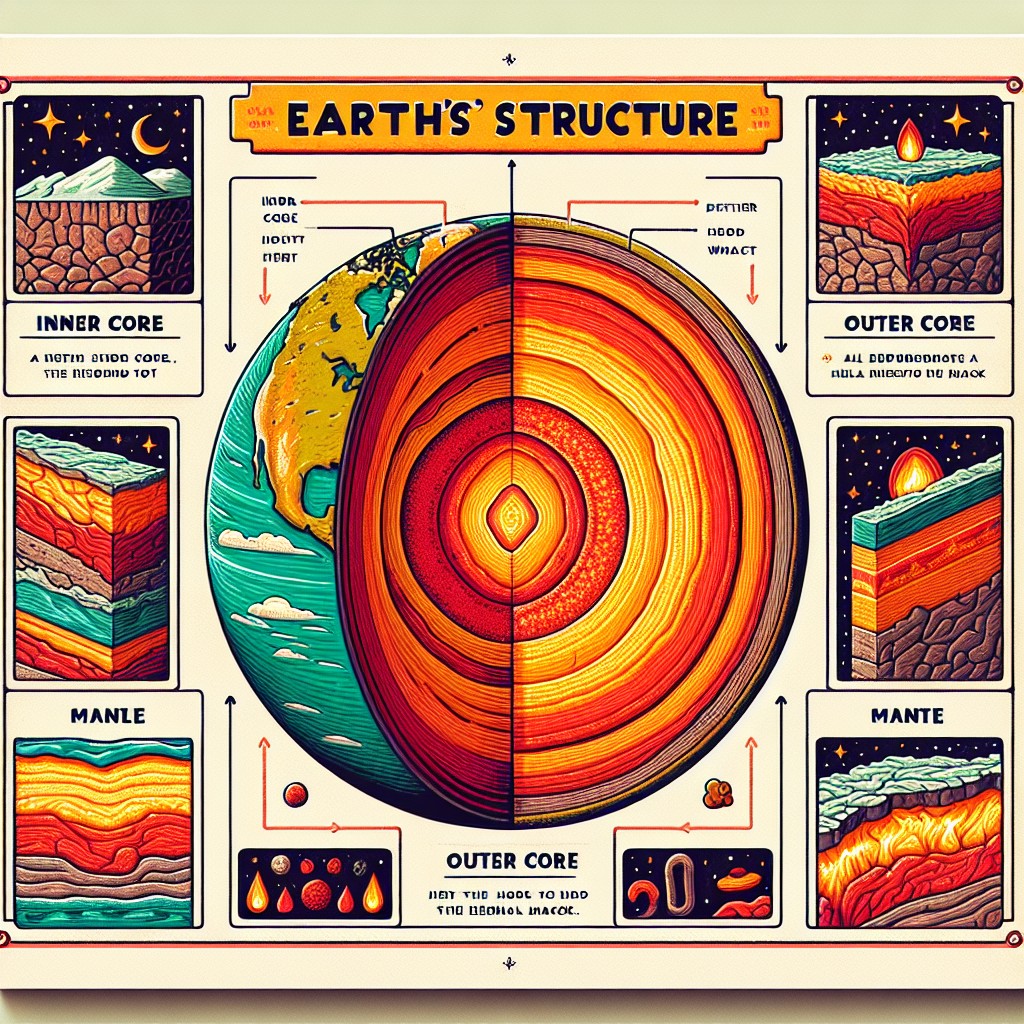
You’ve probably heard of tectonic plates. These are massive slabs of the Earth’s crust that float on the semi-fluid mantle beneath. Their slow, constant movement is responsible for earthquakes, volcanic eruptions, and the formation of mountain ranges. It’s a slow-motion dance that has been going on for billions of years, constantly rearranging the planet’s geography.
Landforms: Mountains, Valleys, and Coasts
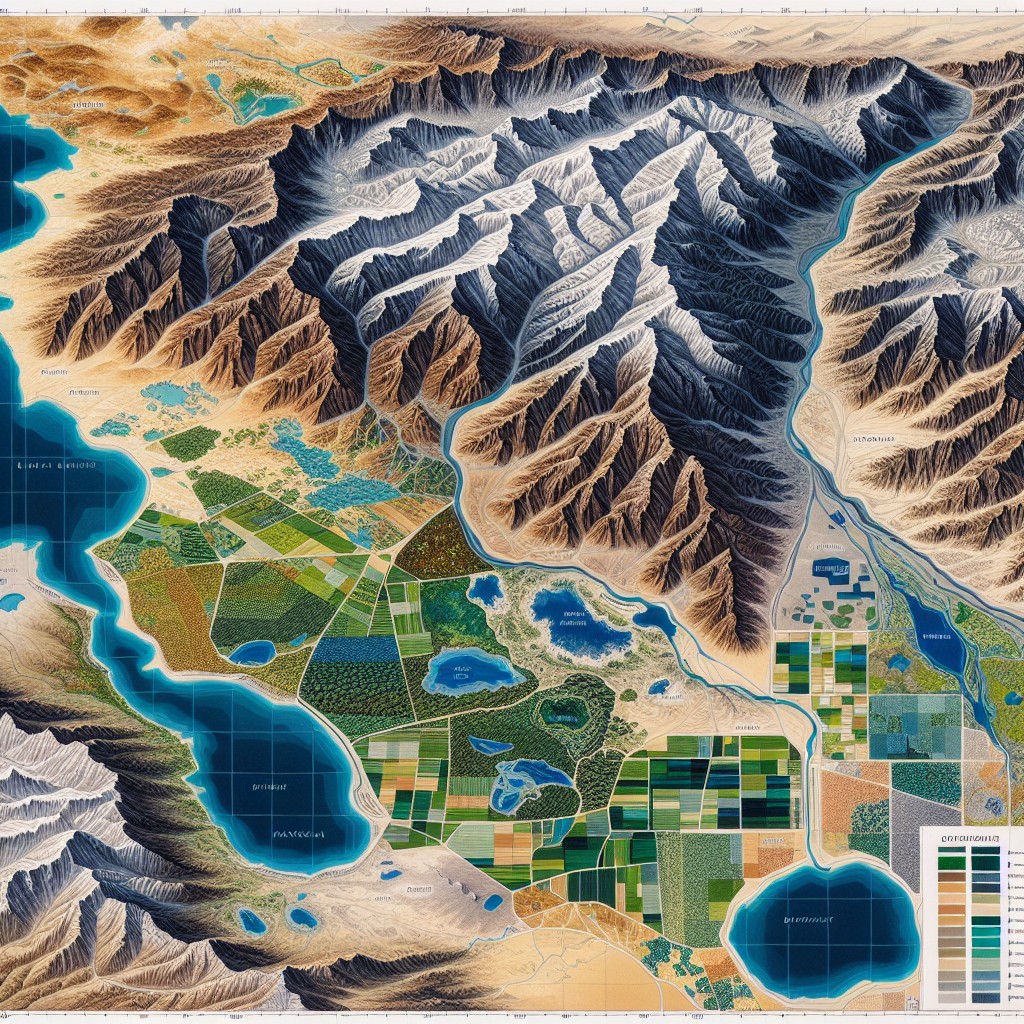
Physical geographers examine how these plates interact. When plates collide, they can buckle and fold, creating majestic mountain ranges like the Himalayas. When they pull apart, they can form rift valleys. The coastlines are also dynamic, shaped by the constant interplay of land and sea, erosion, and deposition.
Soil Formation: The Unsung Hero of Agriculture
Soil might seem simple, but it’s a complex mix of weathered rock, organic matter, water, and air. Its formation is a slow process, influenced by climate, parent rock material, and the activity of living organisms. Healthy soils are vital for agriculture and ecosystems, and physical geographers study how they form and degrade.
The Hydrosphere: The Watery World
Water, in all its forms, is a critical component of physical geography. It’s not just the oceans; it’s rivers, lakes, glaciers, groundwater, and even the water vapour in the atmosphere.
The Water Cycle: A Never-Ending Journey
The water cycle is a fundamental concept. Water evaporates from oceans and land, forms clouds, precipitates as rain or snow, and then flows back into rivers and oceans. This continuous movement is essential for life and plays a huge role in shaping landscapes through erosion and deposition.
Rivers and Drainage Basins: The Arteries of the Land
Rivers are powerful agents of erosion and transport. Physical geographers study how river systems develop, how they carve out valleys, and how they carry sediment to the sea. Drainage basins, the areas of land that drain into a particular river system, are also important for understanding water resources and flood patterns.
Glaciers and Ice Sheets: Sculptors of the Landscape
Glaciers are massive bodies of ice that move slowly downhill. As they move, they exert immense erosive power, carving out U-shaped valleys, fjords, and leaving behind features like moraines. Ice sheets, like those covering Antarctica and Greenland, are also crucial for understanding global sea levels and climate.
Oceans and Seas: The Great Regulators
Oceans cover over 70% of the Earth’s surface and are vital for regulating global climate. Ocean currents transport heat around the planet, and waves and tides constantly reshape coastlines. Physical geographers study oceanography, including tides, currents, and the impact of sea-level rise.
The Atmosphere: Our Gaseous Shield
This is the layer of gases that surrounds the Earth. It’s responsible for our weather, our climate, and protects us from harmful solar radiation.
Weather vs. Climate: A Crucial Distinction
Weather refers to the day-to-day conditions in the atmosphere – temperature, precipitation, wind. Climate, on the other hand, is the long-term average of weather patterns in a particular region. Physical geographers study both, understanding the processes that drive them and how they vary across the globe.
Atmospheric Circulation: Driving Winds and Weather Patterns
The uneven heating of the Earth’s surface creates pressure differences, which in turn drive global wind patterns. These patterns are responsible for transporting heat and moisture around the planet, influencing weather systems in different regions.
Weather Phenomena: Storms, Clouds, and Precipitation
From gentle rain showers to violent thunderstorms and hurricanes, weather phenomena are fascinating and powerful. Physical geographers study the formation of clouds, the development of storms, and the distribution of precipitation, all of which have significant impacts on human activities and natural environments.
The Ozone Layer and Greenhouse Gases: Protecting and Warming
The atmosphere also plays a vital role in protecting life. The ozone layer shields us from harmful ultraviolet radiation. However, changes in the composition of the atmosphere, particularly the increase in greenhouse gases, are leading to global warming and climate change, a major focus of contemporary physical geography.
The Biosphere: Life on Earth
This encompasses all living organisms on Earth, from the smallest microbes to the largest whales, and their interactions with the physical environment.
Ecosystems: Where Life and Environment Meet
An ecosystem is a community of living organisms interacting with their physical environment. Physical geographers study how different climates and landforms support different types of ecosystems, from lush rainforests to arid deserts and polar tundras.
Biogeography: The Study of Life’s Distribution
Biogeography is the branch of physical geography that focuses on the spatial distribution of plants and animals. It explores why certain species are found in particular regions, often linking their distribution to factors like climate, soil type, and historical geological events.
Human Impact on the Biosphere: A Growing Concern
Our activities, from deforestation and agriculture to pollution and urbanization, have a profound impact on the biosphere. Physical geographers are increasingly studying these impacts, looking at how human actions alter natural processes and the consequences for biodiversity and ecosystem health.
The Dynamics of Change: Processes and Interactions
Physical geography isn’t static; it’s a constantly evolving field because the Earth itself is always changing. Understanding these processes is key to grasping the bigger picture.
Geomorphology: The Science of Landform Creation
This is the study of how landforms are created and modified. It’s about understanding the forces that shape mountains, valleys, coastlines, and all the features we see on the Earth’s surface.
Erosion: The Wearing Away of the Land
Erosion is the process by which natural forces like water, wind, and ice wear away and transport soil, rock, and dissolved material from one location on the Earth’s surface to another. It’s a powerful force that can sculpt dramatic landscapes over millions of years. Think of the Grand Canyon – a prime example of river erosion at work.
Weathering: Breaking Down Rocks
Before erosion can carry material away, it often needs to be broken down. Weathering is the disintegration and decomposition of rocks and minerals at the Earth’s surface. This can be physical (like frost wedging, where water seeps into cracks, freezes, and expands, breaking the rock) or chemical (where chemical reactions break down the rock).
Deposition: Building Up New Landscapes
Once eroded material is transported, it eventually gets deposited. This can happen in riverbeds, deltas, coastlines, or even in the form of glacial till. These depositional processes build up new landforms, like sand dunes, beaches, and alluvial fans.
Climatology: Understanding Our Planet’s Weather Patterns
Climatology is a core component of physical geography, focusing on the long-term patterns of weather. It’s about understanding not just what the weather is like today, but what it’s typically like over decades and centuries, and why.
Koppen Climate Classification: A Global Framework
A widely used system for classifying climates is the Koppen classification. It categorizes climates based on temperature and precipitation patterns, helping geographers to understand the distribution of different climates around the world and the vegetation they support.
El Niño-Southern Oscillation (ENSO): A Global Weather Driver
ENSO is a naturally occurring climate phenomenon that involves variations in sea surface temperatures across the equatorial Pacific Ocean. It has far-reaching impacts on weather patterns globally, leading to droughts in some regions and heavy rainfall in others. Understanding ENSO is crucial for predicting climate anomalies.
Climate Change: A Modern Challenge
The study of climate change has become an increasingly important part of physical geography. This involves analyzing historical climate data, understanding the role of greenhouse gases, and predicting future climate scenarios. It’s a complex issue with profound implications for both natural systems and human societies.
The Interconnectedness of Systems: A Holistic View
Perhaps the most crucial aspect of physical geography is recognizing that these systems don’t operate in isolation. They are all deeply interconnected, and changes in one system can have ripple effects throughout others.
Feedback Loops: The Domino Effect in Nature
Nature is full of feedback loops. For example, as ice melts due to warming temperatures, it exposes darker land or ocean surfaces, which absorb more solar radiation, leading to further warming. These positive feedback loops can amplify changes, while negative feedback loops can help to stabilize systems.
Human-Environment Interaction: Our Place in the System
We are not separate from these natural systems; we are a part of them. Our actions have significant impacts on the physical world, and in turn, the environment shapes our lives. Physical geographers study this complex relationship, from how we manage natural resources to how we adapt to environmental hazards.
Natural Hazards: Living with the Earth’s Power
Earthquakes, volcanic eruptions, floods, and hurricanes are powerful natural events. Physical geographers study the causes and patterns of these hazards, helping us to understand the risks and develop mitigation strategies. It’s about learning to coexist with the earth’s inherent dynamism.
Resource Management: Sustaining Our Planet
Our planet provides us with essential resources like water, food, and energy. Physical geographers play a role in understanding how these resources are distributed, how they are used, and how we can manage them sustainably for future generations.
Why Does Physical Geography Matter?
Understanding physical geography isn’t just an academic exercise. It has practical implications for our daily lives and for the future of our planet.
Informing Environmental Policy
The scientific understanding provided by physical geography is crucial for developing effective environmental policies. Whether it’s managing water resources, mitigating climate change, or protecting biodiversity, the evidence and analysis from physical geographers are essential.
Understanding Our World
At a basic level, physical geography helps us to understand the world around us. It explains why places are the way they are, why certain events happen, and how the natural forces that shape our planet operate. This knowledge fosters a deeper appreciation and respect for the environment.
Preparing for the Future
As the Earth’s systems continue to change, understanding physical geography becomes even more vital. It equips us to anticipate potential challenges, adapt to new environmental conditions, and make informed decisions that can help to create a more sustainable future for ourselves and for the planet. It’s about being prepared for what’s next.
FAQs
What is physical geography?
Physical geography is the branch of geography that deals with the study of natural features and processes of the Earth, such as landforms, climate, and ecosystems.
What are the main subfields of physical geography?
The main subfields of physical geography include geomorphology (study of landforms), climatology (study of climate), biogeography (study of ecosystems and biodiversity), hydrology (study of water), and pedology (study of soils).
What are some key concepts in physical geography?
Key concepts in physical geography include the water cycle, plate tectonics, weathering and erosion, climate change, and the distribution of flora and fauna across the Earth’s surface.
How does physical geography differ from human geography?
Physical geography focuses on the natural environment and its processes, while human geography focuses on the relationship between humans and their environment, including topics such as population, urbanization, and cultural landscapes.
What are the practical applications of physical geography?
Physical geography has practical applications in fields such as environmental management, natural hazard assessment, land use planning, and conservation efforts. It also contributes to our understanding of the Earth’s systems and how they are impacted by human activities.