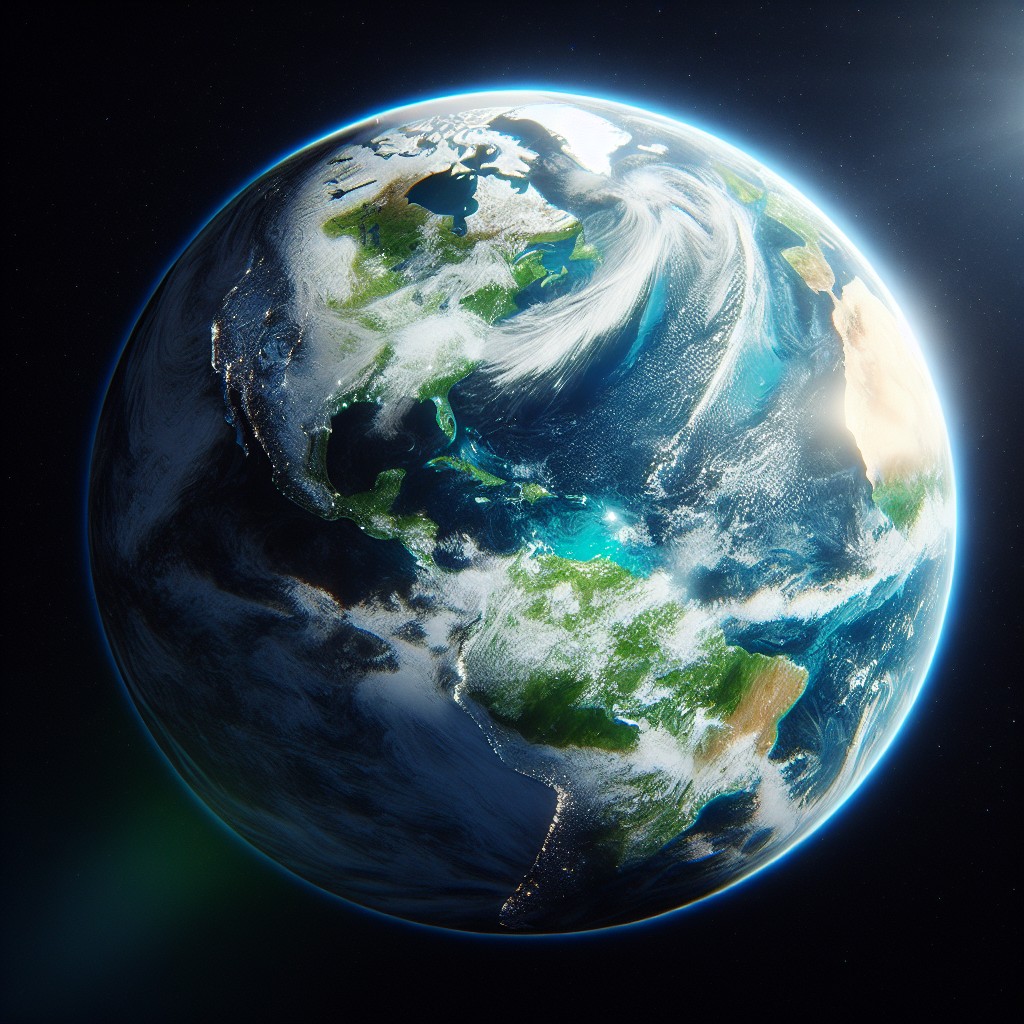
Planet Uranus
Planet Uranus is unique in our solar system in that its Obliquity or axil tilt is more than a right
Planet Uranus is unique in our solar system in that its Obliquity or axil tilt is more than a right

Planet Jupiter is 2.5 times more massive than all the other planets in our solar system combined, and is believed

Planet Mars is the second smallest planet in our solar system, with a radius that is approximately half of Earth’s.
Planet Mars – The Red Planet Read More »

Planet Venus: Facts about Venus and Future Missions to Venus Venus, the glowing gem in our sky, is one of
Planet Venus – The Mysterious Fiery Sister of Earth Read More »

Mercury: The Smallest Planet With a Big Story to Tell Mercury, the smallest planet in our solar system, is often

The Sun’s Rotation Sections of the Sun The Core The Radioactive Zone The Convection Zone The Photosphere The Chromosphere The

Radioactive dating is a process whereby a person can calculate the age of an object by measuring its rate of
Radioactive Dating Read More »

Isotopes are the variations of elements. An element is defined by the amount of its protons while an isotope of
Isotopes – what are they? Read More »

Shortly after the formation of our moon by the Great Impact event our neighbour would have been much closer to
Nuclear reactions are reactions that change the nucleus of atoms and are caused by special circumstances, such as Nuclear Fusion
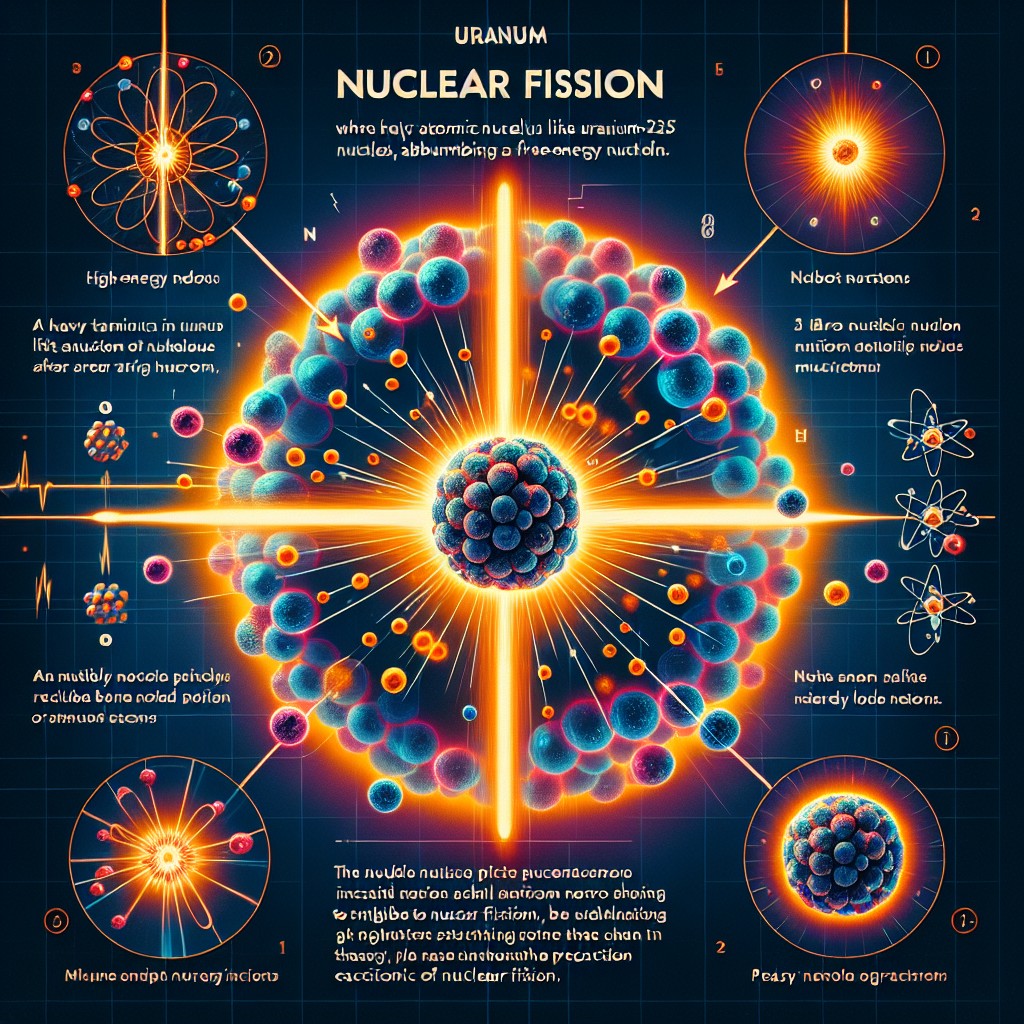
Nuclear fission occurs when a large atomic nucleus is split by means of neutron bobardment into smaller nuclei. Nuclear Fission