World Geography
Geography is the study of the Earth’s landscapes, environments, and the relationships between people and their surroundings. It encompasses both the physical aspects of the Earth, such as its landforms, bodies of water, and climate, as well as the human aspects, including population distribution, cultures, and economies. World geography is a broad field that seeks to understand the complexities of our planet and how humans interact with it. By studying world geography, we can gain a deeper appreciation for the diversity of our planet and the interconnectedness of its various regions.
Geography is a multidisciplinary field that draws on elements of physical science, social science, and humanities. It involves the use of maps, spatial analysis, and geographic information systems (GIS) to understand the Earth’s surface and the processes that shape it. World geography also encompasses the study of human geography, which examines the ways in which people and their activities are distributed across the Earth. By understanding world geography, we can better appreciate the environmental, cultural, and economic challenges facing different regions of the world. This knowledge is crucial for addressing global issues such as climate change, resource management, and international development.
The Five Oceans and Seven Continents
The Earth’s surface is divided into five major oceans: the Pacific, Atlantic, Indian, Southern (or Antarctic), and Arctic Oceans. These vast bodies of water play a crucial role in regulating the Earth’s climate and supporting diverse marine ecosystems. The oceans also serve as important transportation routes and a source of food and other natural resources for human societies around the world.
In addition to the oceans, the Earth’s landmasses are divided into seven continents: Africa, Antarctica, Asia, Europe, North America, Australia (or Oceania), and South America. Each continent has its own unique physical and cultural characteristics, shaped by millions of years of geological processes and human history. From the deserts of Africa to the rainforests of South America, the continents offer a rich tapestry of landscapes and environments for exploration and study.
Major Mountain Ranges and Deserts
The Earth’s surface is also marked by major mountain ranges and deserts that have shaped the planet’s physical and cultural landscapes. The Himalayas, for example, are the highest mountain range in the world and are home to diverse ecosystems and cultures in countries such as India, Nepal, and Bhutan. The Andes in South America, the Rockies in North America, and the Alps in Europe are other prominent mountain ranges that have influenced human settlement patterns and economic activities.
Deserts cover about one-third of the Earth’s land surface and are characterized by low precipitation and extreme temperatures. The Sahara Desert in Africa is the largest hot desert in the world, while the Gobi Desert in Asia is one of the largest cold deserts. Deserts are not only home to unique flora and fauna but have also been important trade routes and cultural crossroads throughout history.
Climate Zones and Biomes
The Earth’s climate is influenced by a variety of factors, including latitude, altitude, ocean currents, and prevailing winds. As a result, the planet is divided into different climate zones, each with its own characteristic weather patterns and ecosystems. The equator, for example, experiences a tropical climate with high temperatures and heavy rainfall, while the polar regions have a cold and dry climate.
These climate zones give rise to different biomes, or large ecological areas characterized by distinct plant and animal communities. The tropical rainforest biome, found near the equator, is home to a diverse array of species and is vital for regulating the Earth’s climate. The grasslands biome, found in regions such as the African savannah and North American prairies, supports grazing animals and has been important for human agriculture throughout history.
Human Geography and Population Distribution
Human geography examines the ways in which people and their activities are distributed across the Earth’s surface. It encompasses topics such as population growth, migration patterns, urbanization, and cultural diversity. Understanding human geography is crucial for addressing global challenges such as poverty, inequality, and environmental degradation.
Population distribution is uneven across the world, with some regions experiencing rapid population growth while others are declining. The majority of the world’s population lives in Asia, particularly in countries such as China and India. Urban areas are also growing rapidly, with more than half of the world’s population now living in cities. This trend has significant implications for infrastructure development, resource management, and social inequality.
Historical and Cultural Geography
Historical geography examines how human activities have shaped the Earth’s landscapes over time. It explores topics such as colonialism, trade routes, and the rise and fall of empires. Cultural geography focuses on how human cultures have developed in different regions of the world and how they interact with their environments.
The Silk Road, for example, was an ancient trade route that connected China with Europe and facilitated the exchange of goods, ideas, and technologies across Eurasia. This historical trade route had a profound impact on the development of cultures and economies along its path. Similarly, cultural geographers study how different societies have adapted to their environments through practices such as agriculture, architecture, and religious beliefs.
The Importance of Geographic Knowledge
Geographic knowledge is crucial for addressing global challenges such as climate change, resource management, and international development. By understanding world geography, we can better appreciate the environmental, cultural, and economic challenges facing different regions of the world. This knowledge is crucial for addressing global issues such as climate change, resource management, and international development.
Geographic knowledge also helps us to understand our interconnectedness with other regions of the world. By studying world geography, we can gain a deeper appreciation for the diversity of our planet and the interconnectedness of its various regions. This understanding can foster a sense of global citizenship and empathy for people from different cultures and backgrounds.
In conclusion, world geography is a complex and multifaceted field that encompasses both physical and human aspects of the Earth’s landscapes. By studying world geography, we can gain a deeper appreciation for the diversity of our planet and the interconnectedness of its various regions. This knowledge is crucial for addressing global challenges such as climate change, resource management, and international development. It also helps us to understand our interconnectedness with other regions of the world and fosters a sense of global citizenship.
FAQs
What is world geography?
World geography is the study of the Earth’s landscapes, environments, and the relationships between people and their environments. It encompasses the physical features of the Earth, as well as the human activity that takes place on it.
Why is world geography important?
World geography is important because it helps us understand the world around us. It provides insights into the physical and human processes that shape our planet, and helps us make informed decisions about how to interact with our environment.
What are the main branches of world geography?
The main branches of world geography include physical geography, which focuses on the Earth’s natural features and processes, and human geography, which examines the relationships between people and their environments.
How does world geography impact our daily lives?
World geography impacts our daily lives in numerous ways, from influencing the weather and climate we experience, to shaping the availability of natural resources and influencing the distribution of populations and cultures around the world.
What are some key concepts in world geography?
Key concepts in world geography include location, place, human-environment interaction, movement, and region. These concepts help geographers understand and interpret the world around them.

Political Boundaries of Morocco: Provinces, Districts, or Historical Boundaries.
Morocco, situated in North Africa, boasts a rich history and diverse cultural heritage. The political boundaries of Morocco have evolved throughout the centuries, influenced by historical events, colonial rule, and internal administrative reforms. The nation is bounded by the Atlantic Ocean to the west and the Mediterranean Sea to the north, whilst sharing land borders with Algeria to the east and southeast, and Western Sahara to the south. Morocco’s political boundaries are not solely defined by its international borders but also by its internal administrative divisions, comprising regions, provinces, and prefectures. A thorough understanding of Morocco’s political boundaries is crucial for comprehending the country’s governance structure, historical legacy, and present-day challenges. The Kingdom’s territorial claims, particularly regarding Western Sahara, remain a subject of international debate and have significant implications for regional geopolitics. Summary Morocco’s political boundaries have evolved over time, influenced by historical, administrative, and local governance factors. The administrative divisions of Morocco are organized into provinces, each with its own local governance structure. The historical boundaries of Morocco have left a lasting influence and legacy on the country’s political landscape. The evolution of Morocco’s political boundaries reflects the country’s changing geopolitical and administrative needs. Challenges and controversies surrounding Morocco’s political boundaries highlight the significance and complexity of the country’s territorial integrity. Provinces of Morocco: Administrative Divisions Decentralising Governance The administrative divisions of Morocco play a crucial role in decentralising governance and ensuring effective public administration across the country. The provinces vary in size, population, and economic activity, reflecting the diverse geographical and social landscape of Morocco. From the bustling urban centres of Casablanca and Rabat to the rural...

Climate Zones of Morocco: Different climate regions Of Morocco
Morocco, situated in North Africa, is renowned for its diverse climate zones. The nation’s climate is influenced by its proximity to the Atlantic Ocean and Mediterranean Sea, as well as its mountainous terrain and desert landscapes. These factors contribute to the formation of several distinct climate zones across the country, each with its own unique characteristics and impact on the local environment, culture and agriculture. The various climate zones in Morocco comprise the Mediterranean climate of Northern Morocco, the arid climate of Central and Southern Morocco, the highland climate of the Atlas Mountains, the coastal climate of Western Morocco and the desert climate of Eastern Morocco. Each of these climate zones plays a crucial role in shaping the country’s natural landscape, biodiversity and way of life for its inhabitants. Understanding these climate zones is essential for appreciating the diversity and richness of Morocco’s environment and culture. Summary Northern Morocco has a Mediterranean climate with mild, wet winters and hot, dry summers. Central and Southern Morocco experience an arid climate with very little rainfall and high temperatures. The Atlas Mountains have a highland climate with cooler temperatures and more precipitation, making it suitable for agriculture. Western Morocco has a coastal climate with moderate temperatures and high humidity, influenced by the Atlantic Ocean. Eastern Morocco has a desert climate with extremely high temperatures and very little rainfall. The Mediterranean Climate of Northern Morocco Climate Characteristics The average annual rainfall in this area ranges from 600 to 1000 millimetres, with most of it falling during the winter months. Flora and Fauna The Mediterranean climate of Northern Morocco supports a diverse range of...

Natural Resources of Morocco: Where Natural Resources are located In Morocco
Morocco, situated in North Africa, is renowned for its diverse and plentiful natural resources. The nation’s wealth encompasses mineral deposits, agricultural lands, water sources, energy reserves, forests and marine resources. This varied natural landscape has significantly influenced Morocco‘s economic growth and development. The country’s strategic position, with coastlines along both the Atlantic Ocean and Mediterranean Sea, has contributed to its abundant marine resources. Furthermore, Morocco’s diverse climate and topography have enabled the exploitation of a wide array of natural resources. This text shall examine the various natural resources present in Morocco and their impact on the nation’s economy and development. Summary Morocco is rich in natural resources, including minerals, agriculture, water, energy, forests, and marine resources. The country is a leading producer of phosphates and also has significant reserves of other minerals such as zinc, lead, and copper. Morocco’s agricultural resources are diverse, with the country being a major producer of cereals, fruits, and vegetables. Water resources in Morocco are limited, leading to challenges in water management and conservation. Morocco has been investing in renewable energy sources such as solar and wind power to reduce its dependence on imported fossil fuels. The country’s forest resources are important for biodiversity, carbon sequestration, and providing livelihoods for local communities. Morocco’s marine resources include a rich variety of fish and seafood, supporting the country’s important fishing industry. Mineral Resources in Morocco Phosphates: A Key Export The mining industry in Morocco has been a major contributor to the country’s economy, providing employment opportunities and generating revenue through exports. Diverse Mineral Reserves In addition to phosphates, Morocco also has substantial reserves of lead, zinc,...

Cultural or Historical Sites of Morocco: Important Cultural Landmarks or Historical Sites In Morocco
Morocco boasts a rich tapestry of history and culture, evidenced by its diverse array of cultural and historical sites that showcase its unique heritage. From ancient cities to remarkable architectural wonders, Morocco‘s cultural and historical sites offer visitors a glimpse into the nation’s fascinating past and vibrant present. The country’s blend of Berber, Arab and European influences is reflected in these sites, serving as a testament to Morocco’s multifaceted heritage. The cultural and historical sites of Morocco mirror the nation’s long and complex history, which has been moulded by various cultures and civilisations. From the ancient Roman ruins of Volubilis to the bustling medinas of cities such as Fez and Marrakech, these sites provide a captivating insight into Morocco’s past. With their impressive architecture, vibrant culture and rich history, Morocco’s cultural and historical sites are essential destinations for any traveller seeking to explore the nation’s distinctive heritage. Summary Morocco is home to a rich tapestry of cultural and historical sites, offering visitors a glimpse into its diverse heritage. The ancient city of Fez, a UNESCO World Heritage Site, is a treasure trove of historical and architectural wonders. The Kasbah of Ait Benhaddou showcases the stunning beauty of Moroccan architecture and has been featured in numerous films and TV shows. The vibrant hub of culture and history, the Medina of Marrakech, is a must-visit for those seeking an authentic Moroccan experience. The Roman ruins of Volubilis provide a fascinating insight into Morocco’s ancient past, with well-preserved mosaics and structures. The Ancient City of Fez: A UNESCO World Heritage Site A Blend of Old and New The ancient city of Fez...

Terrain and Topography of Morocco: mountains, valleys, and plains.
The Atlas Mountains are a formidable range spanning Morocco, Algeria and Tunisia, extending over 2,500 kilometres. This mountain range comprises three principal sections: the High Atlas, the Middle Atlas and the Anti-Atlas. The High Atlas is the most renowned and loftiest section, with summits exceeding 4,000 metres in elevation. The Middle Atlas is notable for its dense woodlands and fertile valleys, whilst the Anti-Atlas is characterised by its arid and rocky terrain. The Atlas Mountains are not only a remarkable natural feature but also a crucial component of the region’s ecosystem. The mountains serve as a barrier to the Sahara Desert, impeding its advancement towards the fertile plains to the north. They also play a vital role in regulating the region’s climate, capturing moisture from the Atlantic Ocean and creating a unique microclimate that supports diverse flora and fauna. The Atlas Mountains are also home to several Berber communities, who have adapted to the challenging terrain and continue to maintain their traditional way of life. The mountains are a popular destination for ramblers and nature enthusiasts, offering a range of outdoor activities such as trekking, mountain biking and birdwatching. With its striking landscapes, rich biodiversity and cultural significance, the Atlas Mountains are a truly impressive range that captivates all who visit. Summary The Atlas Mountains are a majestic range that stretches across North Africa, offering stunning views and diverse landscapes. The Rif Mountains in the north of Morocco are known for their beauty and unique flora and fauna. The High Plateaus of Morocco are vast and diverse, offering a range of ecosystems and natural beauty. The Draa Valley is...

History of Morocco
Morocco possesses a rich and diverse history dating back to antiquity. The region was originally inhabited by the Berber people, renowned for their nomadic lifestyle and skilled craftsmanship. The Berbers were the indigenous inhabitants of North Africa and exerted a significant influence on the culture and traditions of the region. They were adept in agriculture, metalworking and pottery, and their legacy remains evident in contemporary Moroccan society. In addition to the Berbers, Morocco was also influenced by the Phoenicians, a seafaring civilisation from the eastern Mediterranean. The Phoenicians established trading posts along the Moroccan coast and had a substantial impact on the region’s economy and culture. They introduced new crops, such as olives and grapes, and contributed to the development of the region’s maritime trade. The Phoenicians also founded the city of Carthage, which became a major centre of trade and commerce in the ancient world. The influence of the Phoenicians remains visible in the architecture and language of present-day Morocco. Summary Ancient Morocco was inhabited by Berbers and later influenced by the Phoenicians. The Islamic conquest led to the establishment of the Idrisid Dynasty in Morocco. The Almoravid and Almohad Empires were influential in shaping the history and culture of Morocco. The Marinid and Wattasid Dynasties were significant in the medieval history of Morocco. European influence and the Barbary Coast played a major role in shaping Morocco’s history and culture. Islamic Conquest and the Idrisid Dynasty The Founding of the Idrisid Dynasty The Idrisid Dynasty was founded by Idris I, who is considered to be the first ruler of Morocco. He established his capital in the city of...

Population Density of Morocco
Population density refers to the number of people living in a specific area, typically measured per square kilometre or square mile. It is a crucial demographic indicator that provides insights into the distribution of people within a country or region. Understanding population density is essential for urban planning, resource allocation and the development of infrastructure. In Morocco, population density varies significantly across different regions, with the majority of the population concentrated in urban areas. This concentration has implications for social, economic and environmental factors, making it imperative to examine the factors affecting population density in Morocco, the distribution of population in urban and rural areas, and the impact of population density on infrastructure and resources. Summary Population density refers to the number of people living in a specific area, usually measured in square kilometres or square miles. Factors affecting population density in Morocco include natural resources, climate, economic opportunities, and government policies. The distribution of population in Morocco is uneven, with the majority of people living in urban areas compared to rural areas. High population density can put a strain on infrastructure and resources, leading to challenges in providing adequate services and amenities. Government policies and initiatives in Morocco aim to manage population density through urban planning, resource management, and sustainable development strategies. Factors Affecting Population Density in Morocco Urbanisation and Economic Opportunities Urbanisation is a significant driver of population density, with people migrating from rural areas to cities in search of better economic opportunities and improved living standards. The coastal regions, such as Casablanca and Rabat, attract a large number of migrants due to their economic activities and...
Morocco
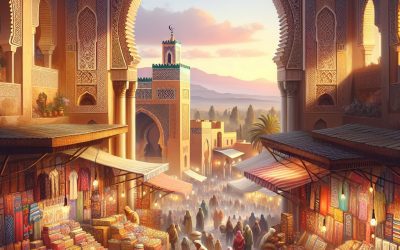
Morocco (Al-Mamlakah al-Maghribiyyah (Kingdom of Morocco)) Capital: Rabat Population (Estimated July 2012): 32,309,239 Area: 442,300km2 or 170,773mi2 Currency: Moroccan Dirham (DH) Official Language: Arabic and Tamazight Political Information: Constitutional Monarchy and Parliamentary Democracy Official Religion: Muslim(with approximately 99% of the population Muslim and 1% Christian) Highest Mountain: Jebel Toubkal at 4,167m or 13 671ft GDP Official Exchange Rate (OER is more precise at gauging a country’s economic power) (Estimated 2011): $101.8 billion (US$) or (GBP) GDP (OER) Per Capita (per member of the population estimated 2011): (US$) or (GBP) GDP Purchasing Power Parity (PPP is good for gauging living conditions and the use of resources but is not as accurate as OER. This data has been calculated based on the sum value of all goods and services produced in the country valued at prices prevailing in the United States) (Estimated 2011): $163 billion (US$) or (GBP) GDP (PPP) Per Capita (per member of the population estimated 2011): $5,100 (US$) or (GBP) Time Zone (GMT/UTC): GMT Wildlife: Counties/Provinces/States: 15 regions; Grand Casablanca, Chaouia-Ouardigha, Doukkala-Abda, Fes-Boulemane, Gharb-Chrarda-Beni Hssen, Guelmim-Es Smara, Laayoune-Boujdour-Sakia El Hamra, Marrakech-Tensift-Al Haouz, Meknes-Tafilalet, Oriental, Rabat-Sale-Zemmour-Zaer, Souss-Massa-Draa, Tadla-Azilal, Tanger-Tetouan, Taza-Al Hoceima-Taounate Leaders: King Muhammad VI with Prime Minister Abdelilah Benkirane. Additional: Gained Independence from France on the 2nd of March 1956. Sources: CIA World Fact Book, Encyclopaedia Britannica. Morocco Morocco, situated in North Africa, is a nation renowned for its rich history, diverse culture and striking landscapes. It is a land of contrasts, where ancient traditions meld seamlessly with modern influences. The country is a fusion of different cultures, with influences from Arab, Berber and European civilisations. From the bustling souks of Marrakech to the tranquil beaches of Essaouira, Morocco offers a unique and...

Natural Resources of Montenegro: Where Natural Resources are located In Montenegro
Montenegro, a small country situated in the Balkans, possesses a diverse array of natural resources. Its landscape encompasses verdant forests and woodlands, as well as mineral-rich mountains, which play a crucial role in the nation’s economy and environment. The country’s abundant water resources, including rivers, lakes and coastal areas, provide essential support for agriculture, tourism and energy production. Moreover, Montenegro boasts various renewable energy sources, such as wind and solar power, which contribute to the country’s sustainable development. With its rich biodiversity and protected areas, Montenegro’s natural resources hold significant value for both its economy and ecological importance. Montenegro’s natural resources are an integral part of the country’s landscape and make a substantial contribution to its economy. The forests and woodlands supply timber for construction and furniture, whilst also providing habitats for diverse wildlife. The mineral resources, including coal, bauxite and lead, are vital for the country’s industrial development and export sector. Water resources, such as the Tara River and Skadar Lake, support agriculture, fishing and tourism, whilst also providing hydropower for energy production. The agricultural resources, comprising fertile soil and a favourable climate, enable the cultivation of various crops and livestock. Furthermore, Montenegro’s renewable energy sources, including wind and solar power, contribute to the nation’s efforts towards sustainable energy production. With its protected areas and rich biodiversity, Montenegro’s natural resources hold significant value for both its economy and ecological importance. Summary Montenegro is rich in natural resources, including forests, minerals, water, agriculture, renewable energy sources, and protected areas. The country’s forests and woodlands cover a significant portion of its land, providing valuable resources for timber, wildlife, and biodiversity....

Political Boundaries of Montenegro: Provinces, Districts, or Historical Boundaries.
Montenegro, a small nation situated in the Balkans, is renowned for its rich history and diverse culture. The political boundaries of Montenegro play a crucial role in shaping the administrative and governance structure of the country. These boundaries are essential for defining the territorial jurisdiction of the government and ensuring effective management of resources and services for the citizens. Montenegro’s political boundaries consist of municipalities and regions, each with its own unique functions and responsibilities. Furthermore, the historical boundaries of Montenegro hold significant cultural and historical importance, shaping the identity and heritage of the country. Understanding the political boundaries of Montenegro is essential for comprehending the country’s administrative framework and its historical evolution. Summary Montenegro’s political boundaries have evolved over time, influenced by historical, cultural, and geopolitical factors. The provinces of Montenegro play a key role in the country’s administrative and governance structure, with each province having its own distinct functions and responsibilities. The districts of Montenegro are important administrative units that oversee local governance and public services within the country. The historical boundaries of Montenegro hold significant cultural and historical importance, reflecting the country’s rich heritage and evolution over time. A comparison of provinces, districts, and historical boundaries provides insight into the complex and interconnected nature of Montenegro’s political landscape. Provinces of Montenegro: Structure and Function Administrative Roles and Responsibilities The provinces serve as regional administrative units responsible for coordinating and implementing government policies and programmes at the local level. They play a crucial role in ensuring the delivery of public services, infrastructure development, and economic growth within their respective regions. Additionally, the provinces have their own legislative...

Climate Zones of Montenegro: Different climate regions Of Montenegro
Montenegro, a small nation situated in the Balkans, is characterised by diverse climate zones. The country’s distinctive geographical position, featuring an Adriatic Sea coastline and mountainous interior, contributes to the formation of several distinct climate regions. These climate zones significantly influence the country’s natural landscapes, flora and fauna, whilst also shaping the lifestyle and activities of its inhabitants. A comprehensive understanding of Montenegro‘s varied climate zones is crucial for those wishing to explore the country’s natural beauty and partake in outdoor pursuits. Each climate zone, from the coastal region to the mountainous areas, presents its own unique characteristics and experiences. Summary Montenegro has diverse climate zones, including coastal, mountain, subtropical, continental, and Mediterranean regions. The coastal climate region experiences hot, dry summers and mild, rainy winters, making it a popular tourist destination. The mountain climate region is characterized by cold winters, heavy snowfall, and mild summers, attracting outdoor enthusiasts for skiing and hiking. The subtropical climate region features warm temperatures, high humidity, and lush vegetation, creating a unique microclimate for exotic plants and fruits. The continental climate region has hot summers and cold winters with significant temperature variations, influencing agriculture and outdoor activities. Coastal Climate Region Flora and Fauna The coastal region is home to a diverse range of flora and fauna, including olive trees, citrus fruits, and various species of fish and marine life. The mild winters in this region make it an ideal destination for winter sun seekers, as well as for exploring historic towns and cultural sites without the crowds of the summer months. Overall, the coastal climate region of Montenegro offers a perfect blend of...

Terrain and Topography of Montenegro: mountains, valleys, and plains.
Montenegro, a small country in South-eastern Europe, is renowned for its diverse and striking terrain and topography. The nation shares borders with Croatia, Bosnia and Herzegovina, Serbia, Kosovo, and Albania, and boasts a varied landscape encompassing rugged mountains, deep valleys, and scenic plains. The terrain and topography of Montenegro have significantly influenced the country’s culture, history, and natural splendour. From the lofty peaks of the Dinaric Alps to the serene waters of the Adriatic Sea, Montenegro’s terrain and topography offer a wealth of natural wonders to explore and appreciate. The diverse terrain and topography of Montenegro present a rich tapestry of natural beauty that attracts visitors from across the globe. The country’s landscape is characterised by its dramatic contrasts, with steep mountains giving way to lush valleys and fertile plains. Montenegro’s terrain is also shaped by its proximity to the Adriatic Sea, which has carved out a stunning coastline adorned with picturesque bays and sandy beaches. The country’s topography is a testament to the forces of nature, with rugged cliffs, deep gorges, and crystal-clear rivers contributing to its allure. Montenegro’s terrain and topography are not only a source of natural beauty but also a reflection of the country’s rich history and cultural heritage. Summary Montenegro’s terrain and topography are diverse and varied, with mountains, valleys, and plains. The majestic mountains of Montenegro offer stunning views and opportunities for outdoor activities such as hiking and mountaineering. Exploring the valleys of Montenegro provides a chance to discover hidden villages and lush, fertile landscapes. The scenic plains of Montenegro are home to agricultural activities and offer a different perspective of the country’s...