World Geography
Geography is the study of the Earth’s landscapes, environments, and the relationships between people and their surroundings. It encompasses both the physical aspects of the Earth, such as its landforms, bodies of water, and climate, as well as the human aspects, including population distribution, cultures, and economies. World geography is a broad field that seeks to understand the complexities of our planet and how humans interact with it. By studying world geography, we can gain a deeper appreciation for the diversity of our planet and the interconnectedness of its various regions.
Geography is a multidisciplinary field that draws on elements of physical science, social science, and humanities. It involves the use of maps, spatial analysis, and geographic information systems (GIS) to understand the Earth’s surface and the processes that shape it. World geography also encompasses the study of human geography, which examines the ways in which people and their activities are distributed across the Earth. By understanding world geography, we can better appreciate the environmental, cultural, and economic challenges facing different regions of the world. This knowledge is crucial for addressing global issues such as climate change, resource management, and international development.
The Five Oceans and Seven Continents
The Earth’s surface is divided into five major oceans: the Pacific, Atlantic, Indian, Southern (or Antarctic), and Arctic Oceans. These vast bodies of water play a crucial role in regulating the Earth’s climate and supporting diverse marine ecosystems. The oceans also serve as important transportation routes and a source of food and other natural resources for human societies around the world.
In addition to the oceans, the Earth’s landmasses are divided into seven continents: Africa, Antarctica, Asia, Europe, North America, Australia (or Oceania), and South America. Each continent has its own unique physical and cultural characteristics, shaped by millions of years of geological processes and human history. From the deserts of Africa to the rainforests of South America, the continents offer a rich tapestry of landscapes and environments for exploration and study.
Major Mountain Ranges and Deserts
The Earth’s surface is also marked by major mountain ranges and deserts that have shaped the planet’s physical and cultural landscapes. The Himalayas, for example, are the highest mountain range in the world and are home to diverse ecosystems and cultures in countries such as India, Nepal, and Bhutan. The Andes in South America, the Rockies in North America, and the Alps in Europe are other prominent mountain ranges that have influenced human settlement patterns and economic activities.
Deserts cover about one-third of the Earth’s land surface and are characterized by low precipitation and extreme temperatures. The Sahara Desert in Africa is the largest hot desert in the world, while the Gobi Desert in Asia is one of the largest cold deserts. Deserts are not only home to unique flora and fauna but have also been important trade routes and cultural crossroads throughout history.
Climate Zones and Biomes
The Earth’s climate is influenced by a variety of factors, including latitude, altitude, ocean currents, and prevailing winds. As a result, the planet is divided into different climate zones, each with its own characteristic weather patterns and ecosystems. The equator, for example, experiences a tropical climate with high temperatures and heavy rainfall, while the polar regions have a cold and dry climate.
These climate zones give rise to different biomes, or large ecological areas characterized by distinct plant and animal communities. The tropical rainforest biome, found near the equator, is home to a diverse array of species and is vital for regulating the Earth’s climate. The grasslands biome, found in regions such as the African savannah and North American prairies, supports grazing animals and has been important for human agriculture throughout history.
Human Geography and Population Distribution
Human geography examines the ways in which people and their activities are distributed across the Earth’s surface. It encompasses topics such as population growth, migration patterns, urbanization, and cultural diversity. Understanding human geography is crucial for addressing global challenges such as poverty, inequality, and environmental degradation.
Population distribution is uneven across the world, with some regions experiencing rapid population growth while others are declining. The majority of the world’s population lives in Asia, particularly in countries such as China and India. Urban areas are also growing rapidly, with more than half of the world’s population now living in cities. This trend has significant implications for infrastructure development, resource management, and social inequality.
Historical and Cultural Geography
Historical geography examines how human activities have shaped the Earth’s landscapes over time. It explores topics such as colonialism, trade routes, and the rise and fall of empires. Cultural geography focuses on how human cultures have developed in different regions of the world and how they interact with their environments.
The Silk Road, for example, was an ancient trade route that connected China with Europe and facilitated the exchange of goods, ideas, and technologies across Eurasia. This historical trade route had a profound impact on the development of cultures and economies along its path. Similarly, cultural geographers study how different societies have adapted to their environments through practices such as agriculture, architecture, and religious beliefs.
The Importance of Geographic Knowledge
Geographic knowledge is crucial for addressing global challenges such as climate change, resource management, and international development. By understanding world geography, we can better appreciate the environmental, cultural, and economic challenges facing different regions of the world. This knowledge is crucial for addressing global issues such as climate change, resource management, and international development.
Geographic knowledge also helps us to understand our interconnectedness with other regions of the world. By studying world geography, we can gain a deeper appreciation for the diversity of our planet and the interconnectedness of its various regions. This understanding can foster a sense of global citizenship and empathy for people from different cultures and backgrounds.
In conclusion, world geography is a complex and multifaceted field that encompasses both physical and human aspects of the Earth’s landscapes. By studying world geography, we can gain a deeper appreciation for the diversity of our planet and the interconnectedness of its various regions. This knowledge is crucial for addressing global challenges such as climate change, resource management, and international development. It also helps us to understand our interconnectedness with other regions of the world and fosters a sense of global citizenship.
FAQs
What is world geography?
World geography is the study of the Earth’s landscapes, environments, and the relationships between people and their environments. It encompasses the physical features of the Earth, as well as the human activity that takes place on it.
Why is world geography important?
World geography is important because it helps us understand the world around us. It provides insights into the physical and human processes that shape our planet, and helps us make informed decisions about how to interact with our environment.
What are the main branches of world geography?
The main branches of world geography include physical geography, which focuses on the Earth’s natural features and processes, and human geography, which examines the relationships between people and their environments.
How does world geography impact our daily lives?
World geography impacts our daily lives in numerous ways, from influencing the weather and climate we experience, to shaping the availability of natural resources and influencing the distribution of populations and cultures around the world.
What are some key concepts in world geography?
Key concepts in world geography include location, place, human-environment interaction, movement, and region. These concepts help geographers understand and interpret the world around them.

History of Kiribati
Kiribati, an island nation situated in the central Pacific Ocean, possesses a rich history of early settlement and colonisation. The initial settlers are thought to have arrived in the region circa 3000 BCE, and over the centuries, the islands were inhabited by people of Micronesian descent. These early settlers were adept navigators and fishermen, dependent on the ocean for their sustenance. The islands were divided into chiefdoms, each with its own leader and distinct cultural practices. European exploration of the region commenced in the 16th century, with Spanish explorers being the first to arrive in the area. However, it was not until the 18th century that European colonisation of Kiribati began in earnest. The islands were first visited by British explorers in the late 18th century, and in the 19th century, British and American whalers and traders began to establish a presence in the region. This led to increased contact between the islanders and European traders, and eventually, the islands came under British colonial rule. Summary Early settlement in Kiribati dates back over 2,000 years, with the first inhabitants believed to have migrated from Southeast Asia. European exploration and colonization in the 19th century had a significant impact on Kiribati, leading to the introduction of Christianity and the establishment of British and Gilbertese colonies. Kiribati gained independence from the United Kingdom in 1979 and has since faced challenges such as overpopulation and the threat of rising sea levels due to climate change. During World War II, Kiribati played a crucial role as a base for Allied forces in the Pacific, particularly in the Battle of Tarawa. Kiribati’s cultural and...

Population Density of Kiribati
Kiribati, officially the Republic of Kiribati, is a small island nation situated in the central Pacific Ocean. Comprising 33 atolls and reef islands, Kiribati spans a vast area of the Pacific, rendering it one of the largest countries in terms of exclusive economic zone. The country’s population is estimated at approximately 120,000, with the majority residing in the capital city of South Tarawa. Kiribati is renowned for its stunning natural beauty, boasting pristine beaches, crystal-clear waters, and a rich marine ecosystem. The country’s economy relies heavily on fishing and copra production, and it faces considerable challenges due to its vulnerability to climate change and rising sea levels. Kiribati’s unique geographical location and limited land area render it particularly susceptible to the impacts of climate change, including rising sea levels, coastal erosion, and extreme weather events. These factors significantly influence the population density in Kiribati, as well as the distribution of urban and rural populations. The high population density in urban areas, coupled with limited resources and infrastructure, presents both challenges and opportunities for the country’s development. The government of Kiribati has implemented various policies and initiatives to manage population density and address the associated challenges, whilst also seeking to harness the potential opportunities for sustainable development. Summary Kiribati is a small island nation in the Pacific with a unique culture and way of life. Factors influencing population density in Kiribati include limited land availability, climate change, and economic opportunities. The majority of the population in Kiribati resides in rural areas, with only a small percentage living in urban centres. High population density in Kiribati puts a strain on infrastructure...
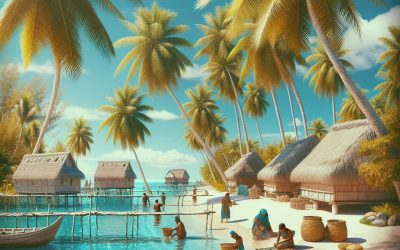
Kiribati
Kiribati (Republic of Kiribati) Capital: Tarawa Population (Estimated July 2012): 101,998 Area: 811km2 or 313mi2 Currency: Australian Dollar ($A) Official Language: English Political Information: Parliamentary Republic Official Religion: No Official Religion(approximately 55% of the population is Roman Catholic, and 36% are Protestant. 7.2% have other Christian beliefs and 1.8% have other religious beliefs) Highest Point: unnamed area on Banaba at 81m or 266ft GDP Official Exchange Rate (OER is more precise at gauging a country’s economic power) (Estimated 2011): $200 million (US$) or (GBP) GDP (OER) Per Capita (per member of the population estimated 2011): (US$) or (GBP) GDP Purchasing Power Parity (PPP is good for gauging living conditions and the use of resources but is not as accurate as OER. This data has been calculated based on the sum value of all goods and services produced in the country valued at prices prevailing in the United States) (Estimated 2011): $612 million (US$) or (GBP) GDP (PPP) Per Capita (per member of the population estimated 2011): $6,200 (US$) or (GBP) Time Zone (GMT/UTC): Between +12:00 to +14:00 Wildlife: Counties/Provinces/States: 3 units; Gilbert Islands, Line Islands, Phoenix Islands; note – in addition, there are 6 districts (Banaba, Central Gilberts, Line Islands, Northern Gilberts, Southern Gilberts, Tarawa) and 21 island councils – one for each of the inhabited islands (Abaiang, Abemama, Aranuka, Arorae, Banaba, Beru, Butaritari, Kanton, Kiritimati, Kuria, Maiana, Makin, Marakei, Nikunau, Nonouti, Onotoa, Tabiteuea, Tabuaeran, Tamana, Tarawa, Teraina) Leaders: President Anote Tong with Vice President Teima Onorio. Additional: Gained Independence from the UK on the 12th of July 1979. Sources: CIA World Fact Book, Encyclopaedia Britannica. Kiribati Kiribati, officially the Republic of Kiribati, is a small island nation situated in the...

Political Boundaries of Kenya: Provinces, Districts, or Historical Boundaries.
Kenya, a nation situated in East Africa, is renowned for its varied landscapes, wildlife and rich cultural heritage. The political boundaries of Kenya play a vital role in shaping the country’s governance, development and identity. These boundaries delineate the territorial limits within which the government exercises its authority and provide a framework for administrative divisions, resource allocation and representation. Understanding the historical evolution, current structure and challenges surrounding Kenya’s political boundaries is essential for comprehending the country’s political landscape and its impact on governance and development. Summary Kenya’s political boundaries have evolved over time, shaping the country’s governance and development. The historical boundaries of Kenya have been influenced by colonialism and post-independence restructuring. Kenya is divided into provinces and districts, each with its own administrative and political significance. The evolution of Kenya’s political boundaries has been marked by challenges and controversies, including disputes over land and resource allocation. The impact of political boundaries on governance and development in Kenya is significant, affecting issues such as representation and resource distribution. Historical Boundaries of Kenya Colonial Era Boundaries During the colonial era, Kenya was under British rule, and the boundaries were demarcated to serve the interests of the colonial administration, often disregarding the traditional territories and ethnic divisions of the indigenous communities. The arbitrary drawing of boundaries led to the fragmentation of ethnic groups and the creation of artificial divisions that continue to influence Kenya’s political dynamics to this day. Post-Independence Administrative Reforms After gaining independence in 1963, Kenya inherited the colonial boundaries, which were further consolidated through administrative reforms and the creation of provinces and districts. Legacy of Historical Boundaries...

Climate Zones Of Kenya: Different climate regions Of Kenya
Kenya, situated in East Africa, is renowned for its varied landscapes and abundant wildlife. The nation is partitioned into several distinct climatic zones, each possessing unique characteristics and meteorological patterns. These climatic zones play a crucial role in shaping the country’s ecosystems, agriculture and overall lifestyle of its inhabitants. A thorough understanding of Kenya‘s diverse climatic zones is essential for visitors and business entities alike, as it significantly influences travel itineraries, agricultural practices and the distribution of flora and fauna across different regions. Summary Kenya has diverse climate zones, each with its own unique characteristics and weather patterns. The Equatorial Climate Zone in Kenya experiences high temperatures and heavy rainfall throughout the year. The Arid and Semi-Arid Climate Zone in Kenya is characterized by low rainfall and high temperatures, making it prone to droughts. The Highlands Climate Zone in Kenya has cooler temperatures and moderate rainfall, making it suitable for agriculture. The Coastal Climate Zone in Kenya experiences high temperatures and high humidity, with two distinct rainy seasons. The Equatorial Climate Zone Location and Characteristics This climate zone is situated near the equator and encompasses regions such as the western part of the country and the coastal areas. The equatorial climate zone experiences little variation in temperature, with average temperatures ranging from 24°C to 30°C. Vegetation and Wildlife The high levels of rainfall in this region support lush vegetation and dense forests, making it an ideal habitat for a wide variety of plant and animal species. National Parks and Landscapes The equatorial climate zone is also home to some of Kenya’s most famous national parks, such as the Maasai...

History of Kenya
Kenya boasts a rich and diverse history dating back to prehistoric times. The region now known as Kenya has been inhabited by various indigenous communities for millennia. The earliest evidence of human habitation in Kenya dates to the Lower Palaeolithic period, approximately 2.5 million years ago. The Rift Valley region of Kenya is particularly significant in the study of human evolution, as it is home to some of the earliest known human ancestors, such as the Turkana Boy and the famous fossilised footprints at Laetoli. The Bantu migration from West Africa around 2,000 years ago introduced new agricultural techniques and ironworking to the region, leading to the establishment of various Bantu-speaking communities in what is now Kenya. These communities formed the basis of many of the modern ethnic groups in Kenya, such as the Kikuyu, Luhya, and Kamba. The coastal region of Kenya also has a long history of trade and interaction with other cultures, including Arab and Persian traders who established trading settlements along the coast. This early history laid the foundation for the diverse cultural landscape that is present in Kenya today. During the pre-colonial period, various kingdoms and chiefdoms emerged in different parts of Kenya, each with its own unique social and political structures. The most well-known of these kingdoms were the Swahili city-states along the coast, which were heavily influenced by Arab and Persian traders and played a key role in the Indian Ocean trade network. Inland, the Maasai and other pastoralist communities developed their own distinct way of life, based on cattle herding and a semi-nomadic lifestyle. These early societies had complex social hierarchies...

Natural Resources of Kenya: Where Natural Resources are located In Kenya
Kenya boasts a diverse array of natural resources that are integral to its economy and the well-being of its citizens. The country’s assets include fertile agricultural land, mineral deposits, plentiful water resources, potential for renewable energy, and a wealth of wildlife and forests. These natural resources are not only a source of national pride but also present significant economic opportunities. However, the sustainable management of these assets is paramount to ensure their long-term availability. This article shall examine the varied natural resources found in Kenya, their importance to the nation, and the challenges and prospects for their sustainable utilisation. Summary Kenya is rich in natural resources, including land, minerals, water, renewable energy potential, and biodiversity. Agriculture and livestock play a significant role in Kenya’s economy, with a diverse range of crops and livestock being produced. Kenya has a wealth of mineral resources, including soda ash, fluorspar, and titanium, which are extracted through mining activities. The country is blessed with abundant water resources, including rivers, lakes, and aquifers, which are crucial for agriculture, industry, and domestic use. Kenya has great potential for renewable energy, particularly geothermal, solar, and wind power, which can help meet the country’s energy needs in a sustainable way. The country’s rich biodiversity, including iconic wildlife and diverse forests, presents both conservation challenges and opportunities for sustainable management. Kenya faces challenges in managing its natural resources sustainably, but there are also opportunities for economic development and environmental conservation through responsible resource management. The Riches of Kenya’s Land: Agriculture and Livestock Agriculture and Livestock: The Backbone of Kenya’s Economy The agricultural and livestock sectors are vital to Kenya’s...

Cultural or Historical Sites of Kenya: Important Cultural Landmarks or Historical Sites in Kenya
Kenya boasts a rich cultural and historical heritage, encompassing a diverse array of sites that provide insight into the nation’s past. From ancient ruins to colonial fortifications, Kenya‘s cultural and historical landmarks serve as a testament to the country’s multifaceted history. These sites not only offer a window into Kenya’s past but also provide visitors with the opportunity to learn about the nation’s traditions, customs and way of life. Notable examples include the ancient ruins of Gedi and the colonial-era Fort Jesus in Mombasa, both of which are essential visits for those interested in Kenya’s rich heritage. Kenya’s cultural and historical sites play a crucial role in preserving the nation’s past and promoting tourism and economic development. Many of these locations are UNESCO World Heritage Sites, attracting visitors from across the globe. By maintaining and promoting these sites, Kenya showcases its rich cultural heritage and draws tourists keen to explore the country’s history. Furthermore, these sites serve an important educational function for the local population, fostering a sense of pride and identity among Kenyans. In essence, Kenya’s cultural and historical sites form an integral part of the nation’s identity and are vital in promoting tourism and preserving the country’s rich heritage. Summary Kenya is home to a rich tapestry of cultural and historical sites that offer a glimpse into the country’s diverse heritage. The Great Rift Valley is a geological wonder that stretches across Kenya, offering breathtaking landscapes and unique wildlife viewing opportunities. Fort Jesus in Mombasa is a UNESCO World Heritage Site that bears witness to the region’s tumultuous history and the influence of Portuguese colonialism. Lamu Old...

Population Density of Kenya
Population density refers to the number of people living per square kilometre in a given area. In Kenya, population density varies significantly across different regions, with some areas being densely populated whilst others are sparsely populated. The country’s population density is influenced by various factors such as geographical features, economic activities, and government policies. Understanding population density in Kenya is crucial for planning and development, as it directly impacts infrastructure, resources, and the overall well-being of the population. Kenya is a country situated in East Africa, with a population exceeding 50 million people. The population density in Kenya is unevenly distributed, with the majority of the population concentrated in urban areas such as Nairobi, Mombasa, and Kisumu. The rural areas also have varying population densities, with some regions being densely populated due to agricultural activities, whilst others are sparsely populated due to harsh climatic conditions or limited economic opportunities. The distribution of population density in Kenya has implications for resource allocation, service delivery, and environmental sustainability. It is essential to understand the factors influencing population density in Kenya to effectively address the challenges and opportunities associated with high population density. Summary Kenya has a high population density, with an average of 94 people per square kilometre, making it one of the most densely populated countries in Africa. Factors influencing population density in Kenya include urbanization, economic opportunities, and natural resources, leading to uneven distribution across the country. Regional variations in population density in Kenya are evident, with higher densities in urban areas like Nairobi and Mombasa, and lower densities in rural regions. High population density in Kenya puts pressure...
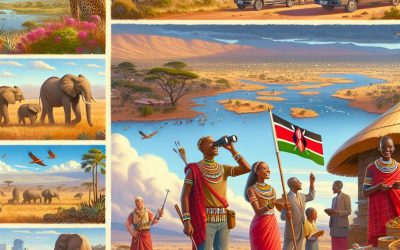
Kenya
Kenya (Jamhuri ya Kenya (Swahili); Republic of Kenya (English)) Capital: Nairobi Population (Estimated July 2012): 43,013,341 Area: 582,646 km2 or 224,961 mi2 Currency: Kenyan Shilling (KSh) Official Language: Swahili; English Political Information: Semi-Presidential Republic Official Religion: No Official Religion(approximately 45% of the population is Protestant and 33% Roman Catholic, 10% are Muslim and 12% have other religious beliefs) Highest Mountain: Mount Kenya at 5,199m or 17,057 ft GDP Official Exchange Rate (OER is more precise at gauging a country’s economic power) (Estimated 2011): $36.1 billion (US$) or (GBP) GDP (OER) Per Capita (per member of the population estimated 2011): (US$) or (GBP) GDP Purchasing Power Parity (PPP is good for gauging living conditions and use of resources but is not as accurate as OER. This data has been calculated based on the sum value of all goods and services produced in the country valued at prices prevailing in the United States) (Estimated 2011): $70.85 billion (US$) or (GBP) GDP (PPP) Per Capita (per member of the population estimated 2011): $1,700 (US$) or (GBP) Time Zone (GMT/UTC): +3:00 WildlifeBig Five Mammals African Elephant, African Lion, African Leopard, African Buffalo, Rhinoceros (both Black and White). Other Large Mammals Giraffe (Masai and Reticulated), Hippopotamus, Cheetah, Zebra (Common and Grevy’s), Wildebeest. Primates Olive Baboon, Vervet Monkey, Colobus Monkey (Black and White), Patas Monkey, Sykes’ Monkey. Antelopes and Other Herbivores Impala, Grant’s Gazelle, Thomson’s Gazelle, Waterbuck, Dik-dik, Eland, Hartebeest, Kudu. Carnivores Hyena (Spotted and Striped), African Wild Dog, Serval, Caracal, Genet, Jackal (Black-backed, Side-striped, and Golden). Birds of Prey Martial Eagle, Crowned Eagle, Secretary Bird, Vultures (White-backed, Rüppell’s, Hooded, and Lappet-faced). Other Notable Birds Flamingo (Greater and Lesser), Ostrich, Marabou Stork, Hornbills, Kingfishers, African Fish...
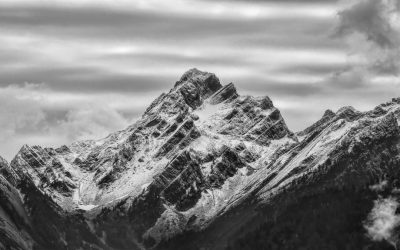
Terrain and Topography of Kazakhstan: mountains, valleys, and plains.
Kazakhstan, the ninth largest country in the world, is situated in Central Asia and is renowned for its diverse terrain and topography. The nation shares borders with Russia to the north, China to the east, Kyrgyzstan, Uzbekistan, and Turkmenistan to the south, and the Caspian Sea to the west. Kazakhstan’s landscape is remarkably varied, comprising mountains, valleys, and expansive plains. The country’s topography is the result of millions of years of geological processes, including tectonic movements, erosion, and glaciation, which have shaped its distinctive features. The terrain of Kazakhstan offers a wide range of geographical elements, from the Tian Shan mountains in the southeast to the vast steppes that cover much of the country. The Kazakh Uplands, a region of low mountains and hilly plains, dominate the central and eastern parts of the country. In the west, the Caspian Depression, which includes areas below sea level, presents a unique topographical feature. Kazakhstan’s diverse landscapes support a rich variety of flora and fauna, contributing to the country’s biodiversity. The terrain provides opportunities for various outdoor activities, including hiking, mountaineering, and wildlife observation. The country’s natural features also play a significant role in its economy, influencing agriculture, mineral extraction, and energy production. The topography of Kazakhstan has had a profound impact on the nation’s history, culture, and development. It has shaped traditional nomadic lifestyles, influenced trade routes, and continues to affect modern infrastructure and urban planning. As Kazakhstan continues to develop, the preservation and sustainable use of its varied terrain remain important considerations for environmental and economic policies. Summary Kazakhstan’s terrain and topography are incredibly diverse, ranging from majestic mountains to...
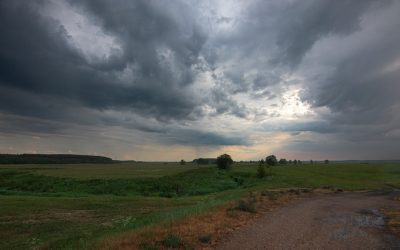
Climate Zones of Kazakhstan: Different climate regions Of Kazakhstan
Kazakhstan, the ninth largest country in the world, is situated in Central Asia and is characterised by diverse climate zones. The nation’s expansive territory extends from the Caspian Sea in the west to the Altai Mountains in the east, and from the Siberian taiga in the north to the deserts of Central Asia in the south. This geographical diversity results in a wide range of climate zones, each with its own distinct characteristics and challenges. Understanding Kazakhstan’s climate zones is essential for both residents and visitors, as it influences various aspects of life, including agriculture, industry, daily activities and travel. Kazakhstan’s climate can be broadly categorised into six main zones: the continental climate of northern Kazakhstan, the arid climate of central Kazakhstan, the mountainous climate of eastern Kazakhstan, the semi-arid climate of southern Kazakhstan, and the steppe climate of western Kazakhstan. Each of these zones exhibits unique weather patterns, temperature ranges and precipitation levels, making them suitable for different types of flora, fauna and human activities. As global climate change continues, Kazakhstan’s climate zones are also experiencing shifts, which may have significant implications for the country’s environment, economy and society. This article will examine each of Kazakhstan’s climate zones in detail, exploring their unique characteristics and the potential impact of climate change on these regions. Summary Kazakhstan has diverse climate zones, including continental, arid, mountainous, semi-arid, and steppe climates. Northern Kazakhstan experiences a continental climate with cold winters and hot summers. Central Kazakhstan has an arid climate with low precipitation and extreme temperature variations. Eastern Kazakhstan is characterised by mountainous climate with cold winters and mild summers. Southern Kazakhstan...