World Geography
Geography is the study of the Earth’s landscapes, environments, and the relationships between people and their surroundings. It encompasses both the physical aspects of the Earth, such as its landforms, bodies of water, and climate, as well as the human aspects, including population distribution, cultures, and economies. World geography is a broad field that seeks to understand the complexities of our planet and how humans interact with it. By studying world geography, we can gain a deeper appreciation for the diversity of our planet and the interconnectedness of its various regions.
Geography is a multidisciplinary field that draws on elements of physical science, social science, and humanities. It involves the use of maps, spatial analysis, and geographic information systems (GIS) to understand the Earth’s surface and the processes that shape it. World geography also encompasses the study of human geography, which examines the ways in which people and their activities are distributed across the Earth. By understanding world geography, we can better appreciate the environmental, cultural, and economic challenges facing different regions of the world. This knowledge is crucial for addressing global issues such as climate change, resource management, and international development.
The Five Oceans and Seven Continents
The Earth’s surface is divided into five major oceans: the Pacific, Atlantic, Indian, Southern (or Antarctic), and Arctic Oceans. These vast bodies of water play a crucial role in regulating the Earth’s climate and supporting diverse marine ecosystems. The oceans also serve as important transportation routes and a source of food and other natural resources for human societies around the world.
In addition to the oceans, the Earth’s landmasses are divided into seven continents: Africa, Antarctica, Asia, Europe, North America, Australia (or Oceania), and South America. Each continent has its own unique physical and cultural characteristics, shaped by millions of years of geological processes and human history. From the deserts of Africa to the rainforests of South America, the continents offer a rich tapestry of landscapes and environments for exploration and study.
Major Mountain Ranges and Deserts
The Earth’s surface is also marked by major mountain ranges and deserts that have shaped the planet’s physical and cultural landscapes. The Himalayas, for example, are the highest mountain range in the world and are home to diverse ecosystems and cultures in countries such as India, Nepal, and Bhutan. The Andes in South America, the Rockies in North America, and the Alps in Europe are other prominent mountain ranges that have influenced human settlement patterns and economic activities.
Deserts cover about one-third of the Earth’s land surface and are characterized by low precipitation and extreme temperatures. The Sahara Desert in Africa is the largest hot desert in the world, while the Gobi Desert in Asia is one of the largest cold deserts. Deserts are not only home to unique flora and fauna but have also been important trade routes and cultural crossroads throughout history.
Climate Zones and Biomes
The Earth’s climate is influenced by a variety of factors, including latitude, altitude, ocean currents, and prevailing winds. As a result, the planet is divided into different climate zones, each with its own characteristic weather patterns and ecosystems. The equator, for example, experiences a tropical climate with high temperatures and heavy rainfall, while the polar regions have a cold and dry climate.
These climate zones give rise to different biomes, or large ecological areas characterized by distinct plant and animal communities. The tropical rainforest biome, found near the equator, is home to a diverse array of species and is vital for regulating the Earth’s climate. The grasslands biome, found in regions such as the African savannah and North American prairies, supports grazing animals and has been important for human agriculture throughout history.
Human Geography and Population Distribution
Human geography examines the ways in which people and their activities are distributed across the Earth’s surface. It encompasses topics such as population growth, migration patterns, urbanization, and cultural diversity. Understanding human geography is crucial for addressing global challenges such as poverty, inequality, and environmental degradation.
Population distribution is uneven across the world, with some regions experiencing rapid population growth while others are declining. The majority of the world’s population lives in Asia, particularly in countries such as China and India. Urban areas are also growing rapidly, with more than half of the world’s population now living in cities. This trend has significant implications for infrastructure development, resource management, and social inequality.
Historical and Cultural Geography
Historical geography examines how human activities have shaped the Earth’s landscapes over time. It explores topics such as colonialism, trade routes, and the rise and fall of empires. Cultural geography focuses on how human cultures have developed in different regions of the world and how they interact with their environments.
The Silk Road, for example, was an ancient trade route that connected China with Europe and facilitated the exchange of goods, ideas, and technologies across Eurasia. This historical trade route had a profound impact on the development of cultures and economies along its path. Similarly, cultural geographers study how different societies have adapted to their environments through practices such as agriculture, architecture, and religious beliefs.
The Importance of Geographic Knowledge
Geographic knowledge is crucial for addressing global challenges such as climate change, resource management, and international development. By understanding world geography, we can better appreciate the environmental, cultural, and economic challenges facing different regions of the world. This knowledge is crucial for addressing global issues such as climate change, resource management, and international development.
Geographic knowledge also helps us to understand our interconnectedness with other regions of the world. By studying world geography, we can gain a deeper appreciation for the diversity of our planet and the interconnectedness of its various regions. This understanding can foster a sense of global citizenship and empathy for people from different cultures and backgrounds.
In conclusion, world geography is a complex and multifaceted field that encompasses both physical and human aspects of the Earth’s landscapes. By studying world geography, we can gain a deeper appreciation for the diversity of our planet and the interconnectedness of its various regions. This knowledge is crucial for addressing global challenges such as climate change, resource management, and international development. It also helps us to understand our interconnectedness with other regions of the world and fosters a sense of global citizenship.
FAQs
What is world geography?
World geography is the study of the Earth’s landscapes, environments, and the relationships between people and their environments. It encompasses the physical features of the Earth, as well as the human activity that takes place on it.
Why is world geography important?
World geography is important because it helps us understand the world around us. It provides insights into the physical and human processes that shape our planet, and helps us make informed decisions about how to interact with our environment.
What are the main branches of world geography?
The main branches of world geography include physical geography, which focuses on the Earth’s natural features and processes, and human geography, which examines the relationships between people and their environments.
How does world geography impact our daily lives?
World geography impacts our daily lives in numerous ways, from influencing the weather and climate we experience, to shaping the availability of natural resources and influencing the distribution of populations and cultures around the world.
What are some key concepts in world geography?
Key concepts in world geography include location, place, human-environment interaction, movement, and region. These concepts help geographers understand and interpret the world around them.

Discovering the Hidden Gems of El Salvador: A Journey Through Central America’s Best-Kept Secret
El Salvador, a small country in Central America, is often overlooked as a travel destination. However, this hidden gem has so much to offer to adventurous travelers. From its rich cultural heritage to its stunning natural wonders, El Salvador has something for everyone. In this article, we will uncover the beauty and charm of this often underrated country and explore why it should be on your travel bucket list. Summary El Salvador is a hidden gem in Central America with rich cultural heritage and natural wonders to explore. The country’s cuisine is unique and delicious, with plenty of local flavours to sample. There are many great places to stay in El Salvador, from beachfront resorts to eco-friendly lodges. Adventure tourism is a big draw, with thrilling activities like surfing, hiking, and zip-lining on offer. Sustainable tourism is important in El Salvador, and visitors can support local communities by choosing responsible travel options. Uncovering the Rich Cultural Heritage of El Salvador El Salvador is a country with a deep and diverse cultural heritage. The influence of indigenous cultures can be seen in its traditions and customs. The indigenous people of El Salvador, such as the Pipil and Lenca, have left their mark on the country’s art, music, and language. Visitors can immerse themselves in the vibrant indigenous culture by visiting local markets, attending traditional ceremonies, and exploring archaeological sites. The impact of Spanish colonization is also evident in El Salvador’s culture. The Spanish brought their language, religion, and architecture to the country, which still have a significant influence today. Spanish colonial buildings can be found throughout the country, particularly in...
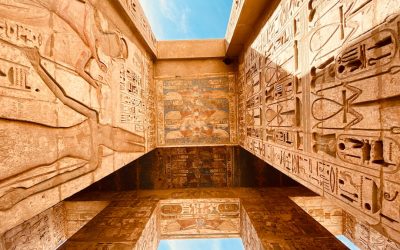
Uncovering the Mysteries of Ancient Egypt: A Journey Through Time
Ancient Egypt is a civilization that has captivated the world for centuries. With its rich history, unique culture, and incredible achievements, studying ancient Egypt provides us with a glimpse into a world that existed thousands of years ago. From the rise of the pharaohs to the construction of the great pyramids, from the art and architecture to the mysterious hieroglyphics, ancient Egypt offers a wealth of knowledge and fascination. Studying ancient Egypt is important for several reasons. Firstly, it allows us to understand the origins of one of the world’s oldest civilizations and how it shaped the development of human society. Secondly, it provides insights into the political, social, and religious structures of ancient Egypt, giving us a deeper understanding of their way of life. Lastly, studying ancient Egypt helps us appreciate the incredible achievements and advancements made by this civilization, such as their architectural marvels and advancements in medicine and mathematics. Summary Ancient Egypt was a fascinating civilization with a rich history and culture. The early dynasties saw the rise of the pharaohs and the establishment of a centralized government. The construction of the Great Pyramids remains a mystery, but they were likely built as tombs for pharaohs. The art and architecture of ancient Egypt provide valuable insights into their daily life and beliefs. Hieroglyphics were the written language of ancient Egypt and have been deciphered to reveal their history and culture. The Rise of the Pharaohs: A Look at the Early Dynasties The early dynasties of ancient Egypt marked the rise of the pharaohs and the establishment of a centralized government. The first dynasty, which began around...
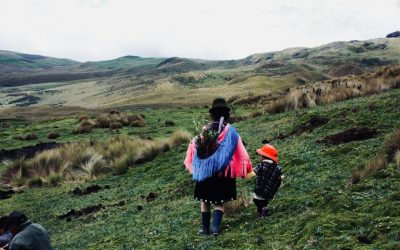
Exploring the Breathtaking Beauty of Ecuador: A Journey Through South America’s Hidden Gem
Ecuador, a small country located on the western coast of South America, is a hidden gem for travelers seeking diverse natural wonders. Despite its size, Ecuador boasts an incredible array of landscapes, from the pristine Galapagos Islands to the majestic peaks of the Andes Mountains and the lush Amazon Rainforest. In addition to its natural beauty, Ecuador is also rich in cultural heritage, with vibrant indigenous communities and charming colonial cities. Whether you’re an adventure seeker, a nature lover, or a history enthusiast, Ecuador has something to offer for everyone. Summary Ecuador boasts natural wonders such as the Galapagos Islands, Andes Mountains, Amazon Rainforest, coastline, and more. The Galapagos Islands offer a unique and pristine ecosystem with diverse wildlife. The Andes Mountains showcase majestic peaks and vibrant culture. The Amazon Rainforest provides a thrilling adventure into the wild. Ecuador’s cities, such as Quito, Cuenca, Otavalo, and Baños, offer a mix of history, art, adventure, and indigenous culture. The Galapagos Islands: A Unique and Pristine Ecosystem One of Ecuador’s most famous natural attractions is the Galapagos Islands, a group of volcanic islands located in the Pacific Ocean. The islands are renowned for their unique and diverse wildlife, which inspired Charles Darwin’s theory of evolution. Visitors to the Galapagos can witness up-close encounters with giant tortoises, marine iguanas, blue-footed boobies, and many other species found nowhere else on earth. In addition to wildlife spotting, there are plenty of activities and attractions to enjoy on the islands. Snorkeling and diving are popular activities, allowing visitors to explore the vibrant underwater world teeming with marine life. Hiking trails offer breathtaking views of volcanic...
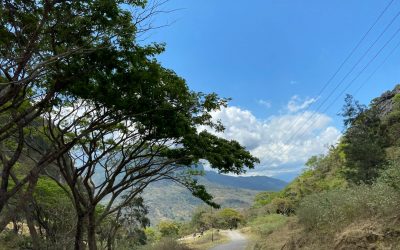
Exploring the Hidden Gems of East Timor: A Journey Through the Culture and Beauty of Timor-Leste
East Timor, officially known as the Democratic Republic of Timor-Leste, is a small island nation located in Southeast Asia. Despite its size, East Timor is a hidden gem that is worth exploring for its rich history, diverse culture, natural wonders, delicious cuisine, warm and welcoming people, traditional arts and crafts, adventure activities, and commitment to sustainable tourism. East Timor has a fascinating history and unique geography. It was colonized by the Portuguese in the 16th century and later occupied by Indonesia for over two decades. The country gained its independence in 2002 and has since been working towards building a stable and prosperous nation. East Timor is located on the eastern half of the island of Timor, with Indonesia occupying the western half. The country also includes the islands of Atauro and Jaco. There are several reasons why East Timor is worth visiting. Firstly, it offers a unique blend of cultures and traditions. The Timorese culture is influenced by both Portuguese and Indonesian cultures, resulting in a vibrant and diverse society. Secondly, East Timor is home to stunning natural attractions, including mountains, beaches, and marine life. Whether you enjoy hiking through lush forests or diving in crystal-clear waters, East Timor has something for everyone. Lastly, the people of East Timor are known for their warm hospitality and friendliness, making visitors feel welcome and at home. Summary East Timor is a hidden gem worth exploring for its rich culture, natural wonders, history, cuisine, people, arts and crafts, and adventure opportunities. Timor-Leste’s culture is a blend of traditions, reflecting its diverse history and influences from Portugal, Indonesia, and other neighbouring countries....

The Maastricht Treaties: The Birth of the European Union
Capital: Brussels Population (Estimated July 2012): 503,824,373 Area: 4,324,782km2 or 1,669,808mi2 Currency: Euro (€) Official Language: Bulgarian, Czech, Danish, Dutch, English, Estonian, Finnish, French, Gaelic, German, Greek, Hungarian, Italian, Latvian, Lithuanian, Maltese, Polish, Portuguese, Romanian, Slovak, Slovene, Spanish, Swedish Political Information: Official Religion: No Official Religion (Predominantly Christian, Muslim and Jewish population) Highest Mountain: Mont Blanc at 4,807m 15,770ft Largest River: Divisions: 26 countries: Austria, Belgium, Bulgaria, Cyprus, Czech Republic, Denmark, Estonia, Finland, France, Germany, Greece, Hungary, Ireland, Italy, Latvia, Lithuania, Luxembourg, Malta, Netherlands, Poland, Portugal, Romania, Slovakia, Slovenia, Spain, Sweden Introduction The Maastricht Treaties, signed in 1992, marked a significant turning point in European history. These treaties laid the foundation for the European Union, fostering increased economic integration, political cooperation, and the establishment of the euro as a common currency. In this article, we will delve into the key aspects and implications of the Maastricht Treaties, exploring how they have shaped the modern European Union. The Maastricht Treaties: A Path to Unity What were the goals of the Maastricht Treaties? The primary aim of the Maastricht Treaties was to create a framework for closer European integration, both economically and politically. These treaties sought to establish a single market, a common foreign and security policy, and ultimately introduce a single currency. With these objectives in mind, the Maastricht Treaties laid the groundwork for a union that transcended economic boundaries. Economic Integration: The Single Market One of the most significant outcomes of the Maastricht Treaties was the creation of the single market. This involved the removal of trade barriers, such as tariffs and quotas, between member states. As a result, goods, services, capital, and labor could flow freely throughout the European Union, stimulating economic growth and job creation. Political Cooperation: The European Union The Maastricht Treaties also marked the...
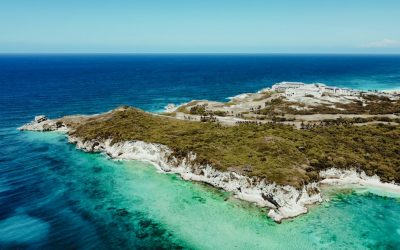
Discovering the Hidden Gems of the Dominican Republic: A Journey Through the Caribbean’s Best-Kept Secret
The Dominican Republic is a popular travel destination known for its stunning beaches, vibrant culture, and warm hospitality. However, beyond the well-known tourist spots lies a treasure trove of hidden gems waiting to be discovered. From its rich history and culture to its diverse landscapes and delicious cuisine, the Dominican Republic offers a wealth of experiences for adventurous travelers. Summary The Dominican Republic is home to hidden treasures waiting to be discovered. The country boasts a rich history and culture that is worth exploring. Natural wonders such as waterfalls and national parks are must-visit destinations. The Dominican Republic has some of the best beaches in the world. The local cuisine is delicious and should not be missed. The Rich History and Culture of the Dominican Republic The Dominican Republic has a fascinating history that dates back centuries. It was the first European settlement in the Americas and played a crucial role in the colonization of the New World. The country’s history is shaped by a mix of indigenous Taíno culture, Spanish colonialism, African influences from the slave trade, and more recent waves of immigration from Europe and the Middle East. One of the best ways to immerse yourself in the country’s culture is by visiting its many cultural attractions and events. The capital city of Santo Domingo is home to the Colonial Zone, a UNESCO World Heritage site that showcases the country’s colonial past. Here, you can explore historic buildings, cobblestone streets, and beautiful plazas. The Alcázar de Colón, once home to Christopher Columbus’ son Diego, is a must-visit for history buffs. Another cultural highlight is the annual Carnival...
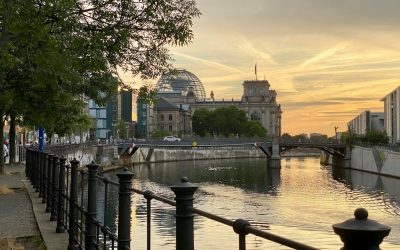
Brexit and Beyond: The Future of the European Union
Brexit, short for “British exit,” refers to the United Kingdom’s decision to leave the European Union. This historic event, which took place on June 23, 2016, has had far-reaching implications for both the UK and the EU. Understanding Brexit and its impact on the EU is crucial for anyone interested in European politics and economics. The European Union is a political and economic union of 27 member states located primarily in Europe. It was established with the aim of promoting peace, stability, and economic prosperity in the region. The EU has evolved over time, expanding its membership and deepening its integration through various treaties and agreements. Summary Brexit has significant implications for the EU, including challenges and opportunities. The history of the EU dates back to its origins and has evolved over time. The future of the EU involves a vision for a united Europe and the role of member states in shaping it. Economic integration is crucial for the success of the EU, but challenges such as migration and security must also be addressed. The EU has a role in promoting democracy, human rights, and tackling climate change and environmental issues. The History of the European Union: From its Origins to Today The European Union has its roots in the aftermath of World War The devastation caused by the war led European leaders to seek ways to prevent future conflicts and promote cooperation among nations. The first step towards European integration was taken with the creation of the European Coal and Steel Community (ECSC) in 1951. Over the years, the EU has grown in size and scope. The...

Remembering King Hussein Bin Talal of Jordan: A Legacy of Leadership and Humanity
Introduction King Hussein Bin Talal of Jordan, a revered statesman and a symbol of unity, passed away on February 7, 1999. His demise marked the end of an era and left a profound impact on both the people of Jordan and the international community. This article aims to honor his memory and highlight the incredible legacy he left behind. King Hussein Bin Talal of Jordan: A Remarkable Journey King Hussein Bin Talal’s remarkable journey began on November 14, 1935, when he was born in Amman, Jordan. Crowned as the king at the tender age of 17, he ruled the Hashemite Kingdom of Jordan for an unprecedented 46 years until his passing. Passionate Leadership and Political Influence As a leader, King Hussein possessed an unparalleled passion for his country and its people. He dedicated his life to safeguarding Jordan’s sovereignty, promoting regional stability, and advocating for peace in the Middle East. Under his reign, Jordan experienced significant political stability and economic growth, becoming an influential voice in regional affairs. A Bridgebuilder and Peacemaker King Hussein played a pivotal role in mediating conflicts and fostering dialogue between nations. His commitment to peaceful coexistence led to the signing of the historic peace treaty with Israel in 1994, which transformed the region’s geopolitical landscape. His efforts in nurturing diplomatic ties have earned him immense respect and acclaim worldwide. A Beacon of Humanity Beyond his political achievements, King Hussein stood as a beacon of humanity. He championed numerous causes, including education, healthcare, and the empowerment of women. His charitable initiatives, such as the establishment of the King Hussein Cancer Foundation, continue to positively impact...
Discovering the Hidden Gems of Dominica: A British Explorer’s Journey
Nestled in the eastern Caribbean, the island of Dominica is a hidden gem waiting to be discovered. Known as the “Nature Isle of the Caribbean,” Dominica boasts an unspoiled beauty that sets it apart from other tourist destinations in the region. With its lush rainforests, pristine beaches, and diverse wildlife, Dominica is a must-visit destination for nature lovers and adventure seekers alike. Dominica is located between the French islands of Guadeloupe and Martinique. Its unique geographical position has shaped its landscape, making it a haven for natural wonders. The island is volcanic in origin, resulting in dramatic peaks, deep valleys, and hot springs. This volcanic activity has also given rise to some of Dominica’s most famous attractions, such as the Boiling Lake and Trafalgar Falls. Summary Dominica boasts unspoiled natural beauty and cultural heritage worth exploring. Natural wonders like Boiling Lake and Trafalgar Falls are must-see attractions. Meeting the Kalinago people offers a unique cultural experience. Hiking trails like Morne Trois Pitons and Segment 11 offer stunning views. Champagne Beach and Victoria Falls are among the top beaches and waterfalls to visit. The Natural Wonders of Dominica: From Boiling Lake to Trafalgar Falls Dominica’s volcanic landscape has created a playground for nature enthusiasts. One of the island’s most iconic attractions is the Boiling Lake, located in Morne Trois Pitons National Park. This natural wonder is the second-largest boiling lake in the world and is surrounded by steam vents and hot springs. Hiking to the Boiling Lake is a challenging but rewarding experience, offering breathtaking views along the way. Another popular natural attraction in Dominica is Trafalgar Falls. Located near...
Discovering the Hidden Gems of Djibouti: A British Traveller’s Guide
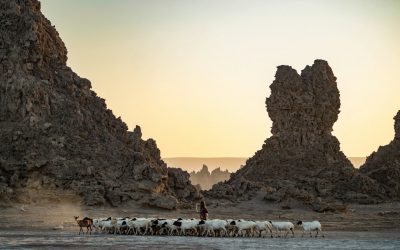
Djibouti, located in the Horn of Africa, is a small country that often gets overlooked by travellers. However, this hidden gem is worth exploring for its unique blend of history, culture, and natural beauty. Djibouti has a rich history, with influences from Arab, African, and French cultures. The country’s strategic location on the Red Sea has made it a hub for trade and commerce throughout history. One of the main reasons why Djibouti is a fascinating destination is its diverse landscapes. From stunning beaches to rugged mountains and volcanic formations, Djibouti offers a range of outdoor activities for adventure enthusiasts. The country is also home to several wildlife reserves, where visitors can spot rare species such as the Somali ostrich and the Grevy’s zebra. Summary Djibouti is a hidden gem worth exploring for its unique landscapes and cultural experiences. The best time to visit Djibouti is during the cooler months of November to February. Transportation options to Djibouti include flights and ferries, with visa requirements varying by nationality. Top attractions in Djibouti include the stunning beaches of the Gulf of Tadjoura and the otherworldly landscapes of Lake Assal and Ardoukoba volcano. Cultural experiences in Djibouti include meeting the friendly locals and learning about their traditions, such as the nomadic lifestyle of the Afar people. The Best Time to Visit Djibouti: Seasonal Considerations Djibouti has a hot desert climate, with high temperatures throughout the year. The best time to visit Djibouti is during the cooler months of November to February when temperatures are more bearable for outdoor activities. This is also the peak tourist season, so it’s advisable to book...
Discovering Denmark: A Journey Through the Charming Land of Vikings and Hygge
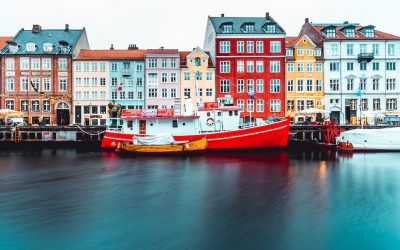
Denmark, located in Northern Europe, is a country known for its rich history and vibrant culture. With a population of approximately 5.8 million people, Denmark is a small but significant country. The country is made up of the Jutland Peninsula and numerous islands, including Zealand, where the capital city of Copenhagen is located. Denmark has a fascinating history that dates back thousands of years. It was once home to the Vikings, a seafaring people who played a significant role in European history. Today, Denmark is known for its modern and progressive society, but it still retains its historical charm. The Danish culture is deeply rooted in traditions and customs that have been passed down through generations. The Danish people are known for their friendliness, hospitality, and love for nature. They take pride in their heritage and are eager to share it with visitors. Summary Denmark is a country with a rich history and culture. The Viking heritage of Denmark is worth exploring. Hygge, the Danish concept of coziness and comfort, is a must-experience. Denmark boasts beautiful landscapes and hidden gems in its capital city, Copenhagen. Danish cuisine, art and design, royal legacy, sustainable lifestyle, and festivals are all worth discovering. Exploring the Viking Heritage of Denmark Denmark has a rich Viking heritage that can be traced back to the 8th century. The Viking Age in Denmark was a time of exploration, trade, and conquest. The Vikings were skilled seafarers who traveled far and wide, leaving their mark on the lands they encountered. Visitors to Denmark can explore this Viking heritage by visiting museums and historical sites dedicated to the...
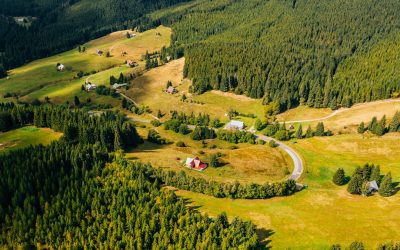
Exploring the Hidden Gems of the Czech Republic: A Journey Through Bohemia and Beyond
The Czech Republic is a country that is often overlooked as a travel destination, overshadowed by its more popular neighbors such as Germany and Austria. However, this Central European gem has so much to offer to the intrepid traveler. From its stunning architecture and rich history to its picturesque countryside and delicious cuisine, the Czech Republic is a destination that should not be missed. When most people think of the Czech Republic, they immediately think of Prague, the country’s capital and most popular tourist destination. While Prague is undoubtedly a must-visit city with its beautiful Old Town Square, Prague Castle, and Charles Bridge, there is so much more to explore beyond the capital. The country is dotted with charming towns and villages, enchanting castles and chateaus, and breathtaking natural landscapes. In this article, we will uncover the lesser-known treasures of the Czech Republic and take you on a journey through its hidden gems. Summary The Czech Republic is home to many hidden treasures waiting to be discovered. Bohemia is a must-visit destination for those seeking a journey through time and hidden gems. The countryside is dotted with enchanting castles and chateaus that are worth exploring. Quaint towns and villages offer a glimpse into the rich history and culture of the Czech Republic. The natural wonders of the country, from forests to mountains, are breathtaking and not to be missed. Uncovering the Lesser-Known Treasures of the Czech Republic While popular tourist attractions are undoubtedly worth visiting, there is something special about discovering lesser-known destinations. These hidden gems often offer a more authentic experience, away from the crowds of tourists. They...