World Geography
Geography is the study of the Earth’s landscapes, environments, and the relationships between people and their surroundings. It encompasses both the physical aspects of the Earth, such as its landforms, bodies of water, and climate, as well as the human aspects, including population distribution, cultures, and economies. World geography is a broad field that seeks to understand the complexities of our planet and how humans interact with it. By studying world geography, we can gain a deeper appreciation for the diversity of our planet and the interconnectedness of its various regions.
Geography is a multidisciplinary field that draws on elements of physical science, social science, and humanities. It involves the use of maps, spatial analysis, and geographic information systems (GIS) to understand the Earth’s surface and the processes that shape it. World geography also encompasses the study of human geography, which examines the ways in which people and their activities are distributed across the Earth. By understanding world geography, we can better appreciate the environmental, cultural, and economic challenges facing different regions of the world. This knowledge is crucial for addressing global issues such as climate change, resource management, and international development.
The Five Oceans and Seven Continents
The Earth’s surface is divided into five major oceans: the Pacific, Atlantic, Indian, Southern (or Antarctic), and Arctic Oceans. These vast bodies of water play a crucial role in regulating the Earth’s climate and supporting diverse marine ecosystems. The oceans also serve as important transportation routes and a source of food and other natural resources for human societies around the world.
In addition to the oceans, the Earth’s landmasses are divided into seven continents: Africa, Antarctica, Asia, Europe, North America, Australia (or Oceania), and South America. Each continent has its own unique physical and cultural characteristics, shaped by millions of years of geological processes and human history. From the deserts of Africa to the rainforests of South America, the continents offer a rich tapestry of landscapes and environments for exploration and study.
Major Mountain Ranges and Deserts
The Earth’s surface is also marked by major mountain ranges and deserts that have shaped the planet’s physical and cultural landscapes. The Himalayas, for example, are the highest mountain range in the world and are home to diverse ecosystems and cultures in countries such as India, Nepal, and Bhutan. The Andes in South America, the Rockies in North America, and the Alps in Europe are other prominent mountain ranges that have influenced human settlement patterns and economic activities.
Deserts cover about one-third of the Earth’s land surface and are characterized by low precipitation and extreme temperatures. The Sahara Desert in Africa is the largest hot desert in the world, while the Gobi Desert in Asia is one of the largest cold deserts. Deserts are not only home to unique flora and fauna but have also been important trade routes and cultural crossroads throughout history.
Climate Zones and Biomes
The Earth’s climate is influenced by a variety of factors, including latitude, altitude, ocean currents, and prevailing winds. As a result, the planet is divided into different climate zones, each with its own characteristic weather patterns and ecosystems. The equator, for example, experiences a tropical climate with high temperatures and heavy rainfall, while the polar regions have a cold and dry climate.
These climate zones give rise to different biomes, or large ecological areas characterized by distinct plant and animal communities. The tropical rainforest biome, found near the equator, is home to a diverse array of species and is vital for regulating the Earth’s climate. The grasslands biome, found in regions such as the African savannah and North American prairies, supports grazing animals and has been important for human agriculture throughout history.
Human Geography and Population Distribution
Human geography examines the ways in which people and their activities are distributed across the Earth’s surface. It encompasses topics such as population growth, migration patterns, urbanization, and cultural diversity. Understanding human geography is crucial for addressing global challenges such as poverty, inequality, and environmental degradation.
Population distribution is uneven across the world, with some regions experiencing rapid population growth while others are declining. The majority of the world’s population lives in Asia, particularly in countries such as China and India. Urban areas are also growing rapidly, with more than half of the world’s population now living in cities. This trend has significant implications for infrastructure development, resource management, and social inequality.
Historical and Cultural Geography
Historical geography examines how human activities have shaped the Earth’s landscapes over time. It explores topics such as colonialism, trade routes, and the rise and fall of empires. Cultural geography focuses on how human cultures have developed in different regions of the world and how they interact with their environments.
The Silk Road, for example, was an ancient trade route that connected China with Europe and facilitated the exchange of goods, ideas, and technologies across Eurasia. This historical trade route had a profound impact on the development of cultures and economies along its path. Similarly, cultural geographers study how different societies have adapted to their environments through practices such as agriculture, architecture, and religious beliefs.
The Importance of Geographic Knowledge
Geographic knowledge is crucial for addressing global challenges such as climate change, resource management, and international development. By understanding world geography, we can better appreciate the environmental, cultural, and economic challenges facing different regions of the world. This knowledge is crucial for addressing global issues such as climate change, resource management, and international development.
Geographic knowledge also helps us to understand our interconnectedness with other regions of the world. By studying world geography, we can gain a deeper appreciation for the diversity of our planet and the interconnectedness of its various regions. This understanding can foster a sense of global citizenship and empathy for people from different cultures and backgrounds.
In conclusion, world geography is a complex and multifaceted field that encompasses both physical and human aspects of the Earth’s landscapes. By studying world geography, we can gain a deeper appreciation for the diversity of our planet and the interconnectedness of its various regions. This knowledge is crucial for addressing global challenges such as climate change, resource management, and international development. It also helps us to understand our interconnectedness with other regions of the world and fosters a sense of global citizenship.
FAQs
What is world geography?
World geography is the study of the Earth’s landscapes, environments, and the relationships between people and their environments. It encompasses the physical features of the Earth, as well as the human activity that takes place on it.
Why is world geography important?
World geography is important because it helps us understand the world around us. It provides insights into the physical and human processes that shape our planet, and helps us make informed decisions about how to interact with our environment.
What are the main branches of world geography?
The main branches of world geography include physical geography, which focuses on the Earth’s natural features and processes, and human geography, which examines the relationships between people and their environments.
How does world geography impact our daily lives?
World geography impacts our daily lives in numerous ways, from influencing the weather and climate we experience, to shaping the availability of natural resources and influencing the distribution of populations and cultures around the world.
What are some key concepts in world geography?
Key concepts in world geography include location, place, human-environment interaction, movement, and region. These concepts help geographers understand and interpret the world around them.

Map Projections: How Maps Distort the Earth
Map projections are essential tools in cartography, serving as the bridge between the three-dimensional reality of our planet and the two-dimensional representations we use for navigation, education, and exploration. At its core, a map projection is a systematic method of transforming the curved surface of the Earth onto a flat plane. This transformation is not merely a technical challenge; it embodies a complex interplay of mathematics, geography, and artistic interpretation. The Earth, being an oblate spheroid, presents unique challenges for cartographers who strive to depict its features accurately while maintaining usability for various applications. Understanding map projections requires an appreciation of the underlying principles that govern how we represent spatial relationships and geographical features. The significance of map projections extends beyond mere aesthetics; they influence how we perceive the world around us. Each projection offers a different perspective, highlighting certain areas while diminishing others. For instance, a projection that preserves area may distort shapes, while one that maintains shape may compromise area accuracy. This inherent trade-off is crucial for users to grasp, as it shapes their understanding of global geography. Furthermore, the choice of projection can reflect cultural and political biases, subtly influencing how regions are viewed and understood. Thus, delving into the realm of map projections is not just an academic exercise; it is an exploration of how we interpret and interact with our world. Summary Map projections are methods used to represent the 3D surface of the earth on a 2D map. There are various types of map projections, each with its own set of advantages and disadvantages. Distortions in map projections can occur in terms of...

The Smallest Countries in the World: Geography and History
The world is a vast tapestry of nations, each with its own unique identity, culture, and history. Among these nations, a select few stand out not for their size or population, but rather for their diminutive stature. The smallest countries in the world, often overlooked in discussions about global influence and power, offer a fascinating glimpse into the complexities of nationhood. These microstates, which include the likes of Vatican City, Monaco, and Nauru, challenge conventional notions of what it means to be a country. Their limited geographical footprint belies their rich histories and vibrant cultures, making them intriguing subjects for exploration. Despite their small size, these countries often wield a surprising amount of influence on the global stage. They serve as important hubs for diplomacy, finance, and tourism, showcasing how even the tiniest nations can play significant roles in international affairs. The unique characteristics of these microstates—ranging from their governance structures to their economic models—provide valuable insights into the diverse ways in which societies can organise themselves. As we delve deeper into the geography, history, culture, and challenges faced by these small nations, we will uncover the remarkable stories that define them and highlight their contributions to the global community. Summary The smallest countries in the world are often overlooked but hold unique significance. Despite their small size, these countries boast diverse geography, from tropical islands to urban city-states. The history and culture of the smallest countries are rich and varied, influenced by their unique position in the world. Economically and politically, these countries may be small, but they often punch above their weight on the global stage. Challenges...

The Art and Science of Creating a World Map
The history of cartography is a fascinating journey that reflects humanity’s evolving understanding of the world. From the earliest days of human civilization, maps have served as essential tools for navigation, exploration, and territorial claims. The ancient Babylonians, for instance, created some of the earliest known maps on clay tablets, depicting their surroundings with a remarkable degree of accuracy for their time. These early representations were not merely practical; they were also imbued with cultural significance, often reflecting the beliefs and values of the societies that produced them. As civilisations advanced, so too did their mapping techniques. The Greeks made significant contributions to cartography, with figures like Ptolemy laying the groundwork for future mapmakers by introducing concepts such as latitude and longitude. His work, “Geographia,” compiled knowledge from various sources and established a framework that would influence cartographers for centuries. As the Middle Ages unfolded, the art of mapmaking experienced a transformation, particularly in Europe. Maps became more decorative and symbolic, often serving religious or political purposes rather than strictly geographical ones. The T-O maps of the medieval period, for example, depicted the world as a circle divided into three parts: Asia, Europe, and Africa, with Jerusalem at the centre. This representation was less about geographical accuracy and more about conveying a worldview shaped by faith and cultural narratives. The Age of Exploration in the 15th and 16th centuries marked a pivotal moment in cartography, as explorers like Columbus and Magellan ventured into uncharted territories. Their discoveries prompted a surge in map production, leading to more accurate depictions of the world. The advent of printing technology further revolutionised cartography,...
What Are Topographic Maps and How Are They Used?
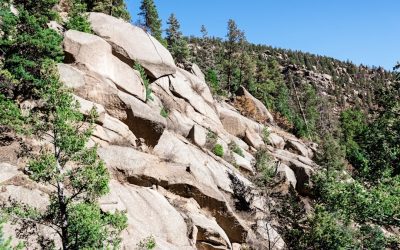
Topographic maps are intricate representations of the Earth’s surface, capturing the three-dimensional features of terrain in a two-dimensional format. These maps are distinguished by their use of contour lines, which connect points of equal elevation, thereby illustrating the undulating nature of landscapes. Unlike standard road maps that primarily focus on transportation routes and urban areas, topographic maps provide a wealth of information about the physical characteristics of a region, including hills, valleys, rivers, and forests. This detailed portrayal allows users to visualise the topography of an area, making them invaluable tools for a variety of applications, from outdoor recreation to scientific research. The significance of topographic maps extends beyond mere aesthetics; they serve as essential resources for understanding geographical features and their implications on human activity. For instance, hikers and climbers rely on these maps to navigate challenging terrains, while environmental scientists utilise them to study ecosystems and landforms. The intricate details captured in topographic maps can reveal patterns in land use, hydrology, and even climate variations. As such, they are not only a reflection of the physical world but also a crucial element in the interplay between nature and human development. Summary Topographic maps are detailed representations of the Earth’s surface, showing the shape and elevation of the land. These maps are created using a combination of aerial photography, satellite imagery, and ground surveys to accurately depict the terrain. Understanding the symbols and legends on topographic maps is crucial for interpreting features such as contour lines, vegetation, water bodies, and man-made structures. Topographic maps are essential tools for geographers and cartographers, providing valuable information for land use planning,...
Understanding Latitude and Longitude
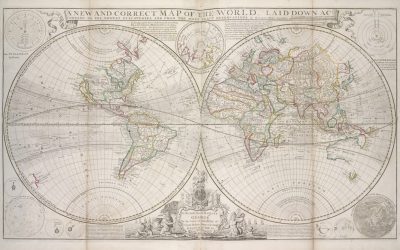
Latitude and longitude are fundamental concepts in the realm of geography, serving as the backbone of our understanding of the Earth’s surface. These two coordinates allow us to pinpoint any location on the globe with remarkable precision, facilitating navigation, mapping, and a myriad of other applications. The system of latitude and longitude is not merely a modern invention; it has evolved over centuries, drawing from the observations of ancient astronomers and navigators who sought to make sense of the vastness of the Earth. By establishing a grid that divides the planet into measurable sections, latitude and longitude provide a universal language for identifying locations, transcending linguistic and cultural barriers. The significance of latitude and longitude extends beyond mere navigation; they are integral to various fields such as meteorology, environmental science, and urban planning. For instance, understanding the geographical coordinates of a location can help in predicting weather patterns or assessing climate change impacts. Furthermore, in an increasingly globalised world, these coordinates play a crucial role in international relations, trade, and even military strategy. As we delve deeper into the intricacies of latitude and longitude, we will uncover their measurement, application in navigation, and their overarching importance in geography. Summary Latitude and longitude are geographical coordinates used to pinpoint a location on the Earth’s surface. Latitude measures the distance north or south of the equator, while longitude measures the distance east or west of the Prime Meridian. Latitude is measured in degrees, with the equator at 0° and the poles at 90°, while longitude is measured in degrees, with the Prime Meridian at 0° and the International Date Line at...
Types of Maps and Their Uses
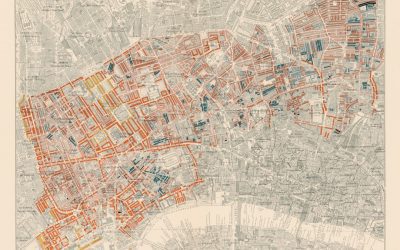
Maps have long served as essential tools for navigation, exploration, and understanding the world around us. From ancient times, when early cartographers painstakingly sketched the contours of known lands, to the sophisticated digital maps we rely on today, the evolution of mapping has been a testament to humanity’s quest for knowledge and orientation. Maps are not merely representations of geographical spaces; they encapsulate cultural, historical, and political narratives, providing insights into how societies perceive their environment. The art and science of cartography have transformed significantly over the centuries, with advances in technology allowing for increasingly detailed and interactive representations of our planet. In contemporary society, maps are ubiquitous, appearing in various forms and serving multiple purposes. They can be found in textbooks, on smartphones, and even as decorative art pieces. The significance of maps extends beyond mere navigation; they are vital in fields such as urban planning, environmental science, and education. Understanding the different types of maps and their specific uses is crucial for anyone seeking to navigate the complexities of our world. This article will delve into various categories of maps, exploring their unique characteristics and applications, ultimately guiding readers in selecting the most appropriate map for their needs. Summary Maps are visual representations of the Earth’s surface, showing various features and information. Political maps display boundaries, cities, and countries, and are used for understanding political divisions and locations. Physical maps show natural features such as mountains, rivers, and deserts, and are used for understanding the physical landscape of an area. Topographic maps display elevation and terrain, and are used for hiking, camping, and other outdoor activities. Climate...
How Geography Influences World Records
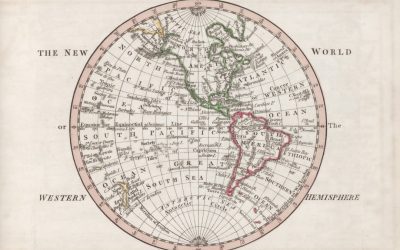
Altitude plays a pivotal role in shaping athletic performance, particularly in endurance sports. As athletes ascend to higher elevations, the air pressure decreases, leading to a reduction in the availability of oxygen. This phenomenon can significantly affect an athlete’s ability to perform at their peak. For instance, elite runners and cyclists often train at high altitudes to acclimatise their bodies to lower oxygen levels, which can enhance their performance when they return to sea level. The physiological adaptations that occur during this acclimatisation process include increased red blood cell production and improved oxygen transport efficiency. Consequently, athletes who effectively harness the benefits of altitude training can experience marked improvements in their endurance capabilities, allowing them to push the boundaries of their performance. However, the impact of altitude is not universally beneficial; it can also present formidable challenges. Athletes competing at high altitudes may experience symptoms of altitude sickness, which can include headaches, nausea, and fatigue. These symptoms can hinder performance and may even lead to disqualification in extreme cases. Moreover, the psychological aspect of competing in such conditions cannot be overlooked. The mental fortitude required to overcome the discomfort associated with high-altitude events is immense. Athletes must not only contend with the physical demands but also maintain focus and determination amidst the challenges posed by their environment. Thus, while altitude can serve as a double-edged sword, it remains a critical factor in the realm of athletic performance, influencing both training regimens and competitive outcomes. Summary Altitude can significantly impact athletic performance, with higher altitudes leading to decreased oxygen levels and reduced performance. Climate plays a crucial role in breaking...
The History of Cartography: From Ancient Maps to Google Earth
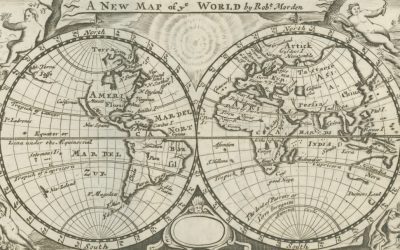
Cartography, the art and science of map-making, has been an integral part of human history, serving as a vital tool for navigation, exploration, and understanding our world. From the earliest depictions of land and sea to the sophisticated digital maps we rely on today, cartography has evolved dramatically over the centuries. It is not merely a technical discipline; it embodies a rich tapestry of cultural, political, and scientific narratives that reflect humanity’s quest for knowledge and connection. Maps have the power to shape perceptions, influence decisions, and even alter the course of history, making the study of cartography both fascinating and essential. The significance of cartography extends beyond its practical applications; it is a reflection of the societies that create them. Each map tells a story, revealing the priorities, beliefs, and limitations of its time. As we delve into the history of cartography, we uncover the interplay between geography and culture, as well as the technological advancements that have propelled this field forward. The journey through cartography’s past not only highlights the ingenuity of early map-makers but also sets the stage for understanding contemporary mapping practices and their implications for our future. Summary Cartography is the art and science of map-making, and it has evolved significantly over time. Ancient maps and pioneering cartographers laid the foundation for early cartography, shaping the way we view the world. The Age of Exploration and the Golden Age of Cartography saw a surge in map-making and exploration, leading to more accurate and detailed maps. Modern cartography and Geographic Information Systems (GIS) have revolutionised the way we collect, analyse, and present geographic data. The...
How to Read a Map: The Basics of Map Interpretation
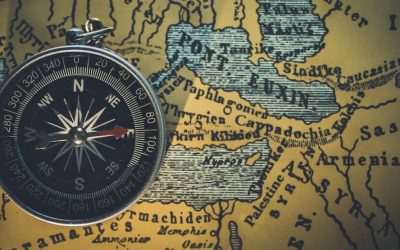
The key, or legend, of a map serves as an essential guide, providing the necessary information to decode the symbols and colours that represent various features of the landscape. It is a crucial component that allows users to interpret the map accurately, transforming abstract symbols into tangible real-world elements. For instance, a blue line may signify a river, while a green area could indicate a forest or park. Without this vital tool, navigating through unfamiliar terrain would be akin to deciphering a foreign language without a dictionary. The key not only clarifies what each symbol represents but also often includes information about the scale of the map, which is indispensable for understanding distances and dimensions. Moreover, the key can vary significantly from one map to another, reflecting the specific focus and purpose of each cartographic representation. A topographical map may include intricate details such as elevation changes and land use, while a road map might prioritise transportation routes and urban areas. This diversity in mapping styles necessitates a thorough examination of the key before embarking on any journey. By familiarising oneself with the symbols and their meanings, one can enhance their navigational skills and ensure a more efficient exploration of the environment. Thus, understanding the key is not merely an academic exercise; it is a practical necessity for anyone seeking to traverse new landscapes with confidence and clarity. Summary Understanding the key is essential for interpreting symbols and colours on a map Using coordinates and grid references helps pinpoint specific locations on a map Orienting the map correctly ensures the right direction is always known Identifying landmarks and features...

Cartography and Maps
The history of cartography is a fascinating chronicle that traces humanity’s quest to understand and represent the world around us. From the earliest cave drawings to the sophisticated digital maps of today, the evolution of map-making reflects not only advancements in technology but also shifts in cultural perspectives and scientific understanding. Ancient civilisations, such as the Babylonians and Greeks, laid the groundwork for cartographic practices, producing rudimentary maps that depicted their known world. The Greeks, particularly figures like Ptolemy, introduced concepts of latitude and longitude, which provided a framework for more accurate representations of geographical features. These early maps were often imbued with mythological elements, revealing how societies interpreted their surroundings through a blend of observation and imagination. As the centuries progressed, cartography underwent significant transformations, particularly during the Age of Exploration in the 15th and 16th centuries. This period marked a surge in maritime exploration, leading to the creation of more detailed and expansive maps that reflected newfound knowledge of distant lands. The advent of printing technology allowed for the mass production of maps, making them more accessible to the public and fostering a greater interest in geography. Notable cartographers such as Gerardus Mercator developed innovative projection techniques that enabled sailors to navigate more effectively across vast oceans. The interplay between exploration, science, and art during this era not only enriched cartographic practices but also shaped global perceptions of geography, influencing trade routes, colonisation efforts, and cultural exchanges. Summary Cartography has a rich history dating back to ancient times, with maps evolving from simple drawings to sophisticated digital representations. Maps play a crucial role in modern society, aiding...

The Geography of Waste Management and Recycling
Geography plays a pivotal role in shaping the strategies and effectiveness of waste management systems across the globe. The physical characteristics of a region, including its terrain, climate, and population density, significantly influence how waste is collected, processed, and disposed of. For instance, densely populated urban areas often face unique challenges due to the sheer volume of waste generated, necessitating sophisticated collection and recycling systems. In contrast, rural regions may struggle with limited infrastructure and resources, leading to different waste management practices. The geographical layout can also dictate the types of waste produced; coastal areas may generate more marine debris, while industrial zones might produce hazardous waste that requires specialised handling. Moreover, the availability of land for waste disposal is heavily influenced by geography. In regions where land is scarce or expensive, such as in many metropolitan areas, the pressure to develop efficient waste management systems becomes even more pronounced. This can lead to innovative solutions such as vertical landfills or waste-to-energy plants that convert refuse into usable energy. Conversely, in areas with abundant land, there may be a tendency to rely on traditional landfill methods, which can have long-term environmental consequences. Thus, geography not only dictates the immediate logistics of waste management but also shapes the broader environmental policies and practices that govern how societies deal with their refuse. Summary Geography plays a significant role in waste management, affecting access to recycling facilities and waste disposal options. Regional differences in recycling initiatives can be influenced by factors such as population density, economic resources, and government policies. Urban areas face unique waste management challenges, including limited space for landfill...
Terrain and Topography of Saint Kitts and Nevis: mountains, valleys, and plains.
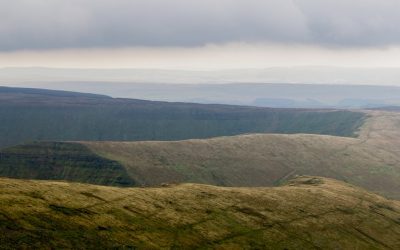
Saint Kitts and Nevis, a twin-island nation nestled in the Caribbean Sea, is a veritable gem that boasts a rich tapestry of natural beauty, cultural heritage, and historical significance. This enchanting archipelago, the smallest country in the Western Hemisphere, is renowned for its stunning landscapes, which range from majestic mountains to lush valleys and serene plains. The islands are not only a paradise for tourists seeking sun-soaked beaches and vibrant marine life but also a treasure trove of biodiversity and ecological wonders. The unique geographical features of Saint Kitts and Nevis have played a pivotal role in shaping the islands’ ecosystems, influencing both the flora and fauna that thrive here, as well as the cultural practices of its inhabitants. The allure of Saint Kitts and Nevis extends beyond its picturesque scenery; it is steeped in a rich history that reflects the confluence of indigenous cultures, colonial influences, and the resilience of its people. The islands were originally inhabited by the Carib and Arawak peoples before European colonisation introduced new dynamics to the region. Today, the legacy of this complex history is evident in the vibrant traditions, music, and culinary delights that characterise the islands. As we delve deeper into the diverse terrain of Saint Kitts and Nevis, we will uncover how its majestic mountains, lush valleys, and serene plains not only define the physical landscape but also contribute to the cultural identity and environmental sustainability of this remarkable nation. Summary Saint Kitts and Nevis is a stunning Caribbean island nation known for its diverse terrain and topography. The majestic mountains of Saint Kitts and Nevis offer breathtaking views and...