Explore the World Through Geography, Natural Resources & Daily History
Clear, reliable and engaging guides that help you understand our planet — from UK geography education to global natural resources and On This Day history events.
Explore, discover, and learn about the wonders of our world! At Earth Site, we’re passionate about bringing geography, history, and science to life for curious minds of all ages. Whether you’re delving into historical events, uncovering the mysteries of the natural world, or seeking interactive resources, you’re in the right place.
Here, you can uncover the stories behind historical events, explore the natural wonders of our planet, and gain valuable insights into how the Earth’s systems shape our daily lives. From the towering peaks of mountain ranges to the far-reaching impacts of human innovation, we aim to make every topic both engaging and informative.
Start your journey of discovery with us today, and let’s make learning an adventure!
What We Cover
Earth Site brings together engaging and accessible educational content designed to help you understand the world, its history, and its natural systems.
🌍 Geography Education (UK & Worldwide)
We publish clear, easy-to-understand geography resources for students, teachers and curious learners. Our guides support geography education in the UK and cover physical geography, climate, ecosystems, population, and global development.
⛏️ Natural Resources & Environmental Geography
Explore detailed country profiles covering natural resources, mining, energy, geology and global environmental challenges. We show how nations manage minerals, water, land and ecosystems, and why these resources matter.
📅 On This Day in History
Every day has a story. Our On This Day history series features major events, anniversaries, traditions, and cultural milestones from around the world — with timelines, context, and fun facts.
TIMELINE
Exploring the Flora and Fauna of Pakistan
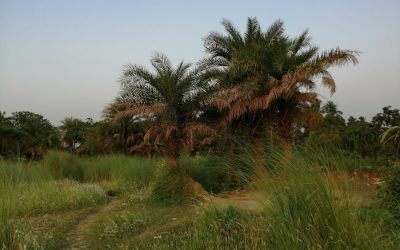
Pakistan, a country endowed with a rich tapestry of biodiversity, is home to an array of ecosystems that support a multitude of species. Spanning from the towering peaks of the Himalayas in the north to the arid deserts of Sindh in the south, the geographical diversity of Pakistan plays a crucial role in fostering its unique flora and fauna. The nation’s varied climate, ranging from temperate to tropical, coupled with its diverse topography, creates a multitude of habitats that are essential for sustaining life. This intricate web of ecosystems not only supports wildlife but also provides vital resources for local communities, making the preservation of biodiversity a matter of both ecological and socio-economic significance. The significance of Pakistan’s biodiversity extends beyond its borders; it is part of the global ecological heritage. The country is situated at the crossroads of several biogeographical regions, which contributes to its rich species diversity. With over 6,000 species of flowering plants, 668 species of birds, and 177 species of mammals, Pakistan’s biodiversity is a treasure trove for researchers and conservationists alike. However, this wealth of natural resources faces numerous challenges that threaten its sustainability. Understanding the intricate relationships within these ecosystems and the pressures they face is essential for effective conservation strategies and for ensuring that future generations can enjoy the natural beauty and ecological benefits that Pakistan has to offer. Summary Pakistan is home to a rich and diverse range of flora and fauna, making it a hotspot for biodiversity. The flora of Pakistan includes a wide variety of plant species, from the iconic juniper trees to the colourful orchids found in the...
Exploring the Flora and Fauna of North Korea
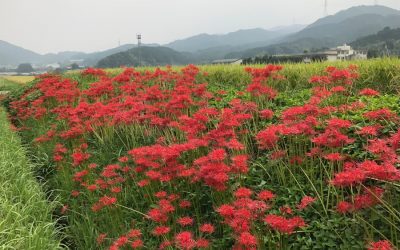
North Korea, officially known as the Democratic People’s Republic of Korea (DPRK), is a nation often shrouded in mystery and political intrigue. However, beneath its complex socio-political landscape lies a rich tapestry of biodiversity that is both unique and significant. The country’s varied topography, which includes mountains, forests, rivers, and coastlines, creates a multitude of habitats that support a wide array of plant and animal life. This biodiversity is not only crucial for the ecological balance of the region but also holds cultural and economic importance for the North Korean people. The geographical features of North Korea contribute to its ecological diversity. The country is home to the rugged terrain of the Taebaek Mountains, which stretch along the eastern part of the peninsula, and the low-lying plains of the west. These contrasting landscapes foster distinct ecosystems, ranging from temperate forests to wetlands and coastal areas. The climate varies from humid continental in the north to a more temperate climate in the south, further enhancing the variety of species that can thrive in this environment. Understanding North Korea’s biodiversity is essential for appreciating its natural heritage and the challenges it faces in conservation. Summary North Korea is home to a diverse range of flora and fauna, making it a unique destination for nature enthusiasts. The country’s unique flora includes rare species such as the Kimjongilia and the Magnolia sieboldii, which can only be found in North Korea. North Korea’s diverse fauna includes species such as the Amur leopard, Asiatic black bear, and red-crowned crane, making it a haven for wildlife enthusiasts. Conservation efforts in North Korea are focused on protecting...

Exploring the Flora and Fauna of Finland
Finland, often referred to as the “Land of a Thousand Lakes,” is a country that boasts an extraordinary array of biodiversity, shaped by its unique geographical features and climatic conditions. Spanning over 338,000 square kilometres, Finland is home to a variety of ecosystems, ranging from boreal forests and wetlands to alpine tundra and coastal archipelagos. This rich tapestry of habitats supports a multitude of species, making Finland a vital area for conservation and ecological study. The interplay between its natural landscapes and the changing seasons creates a dynamic environment where flora and fauna adapt in fascinating ways. The significance of Finland’s biodiversity extends beyond its borders; it plays a crucial role in global ecological health. The country is part of the boreal forest biome, which is one of the largest terrestrial biomes on Earth. These forests act as significant carbon sinks, helping to mitigate climate change. Furthermore, Finland’s commitment to preserving its natural heritage is evident in its extensive network of protected areas, which cover approximately 10% of the country’s land area. This dedication to conservation not only safeguards native species but also promotes sustainable practices that benefit both the environment and local communities. Summary Finland is home to a rich and diverse biodiversity, with a wide range of flora and fauna. The diverse flora of Finland includes over 1,000 native plant species, including many rare and unique varieties. Finland’s rich fauna includes a variety of mammals, birds, and marine life, with the iconic brown bear and grey wolf among its inhabitants. Exploring Finland’s national parks and nature reserves offers visitors the chance to experience the country’s natural beauty...

Exploring the Rich Flora and Fauna of Cameroon
Cameroon, often referred to as “Africa in miniature,” is a country that boasts an extraordinary array of biodiversity, encompassing a wide range of ecosystems, flora, and fauna. This rich biological tapestry is a result of its varied climatic zones, ranging from coastal regions to mountainous terrains, and from savannahs to dense rainforests. The nation is home to over 20,000 plant species, 400 mammal species, and 900 bird species, making it a vital area for conservation and ecological study. The significance of Cameroon’s biodiversity extends beyond its borders; it plays a crucial role in global ecological health and offers invaluable resources for scientific research, medicine, and sustainable development. The intricate web of life found in Cameroon is not merely a collection of species but a complex interplay of ecosystems that support one another. The country’s unique geographical features, including the Adamawa Plateau, the coastal plains of the Atlantic Ocean, and the volcanic peaks of Mount Cameroon, create distinct habitats that nurture diverse life forms. This diversity is not only a source of national pride but also a critical component of the planet’s biological heritage. Understanding and preserving this biodiversity is essential for maintaining ecological balance and ensuring the survival of countless species, some of which are endemic to the region. Summary Cameroon is home to a rich and diverse range of ecosystems, flora, and fauna, making it a biodiversity hotspot in Africa. The diverse ecosystems of Cameroon include rainforests, savannas, mountains, and coastal areas, each supporting a unique array of plant and animal species. The unique flora of Cameroon includes a variety of rare and endemic plant species, such as...

Exploring the Flora and Fauna of Côte d’Ivoire
Côte d’Ivoire, also known as Ivory Coast, is a West African nation renowned for its rich and diverse biodiversity. This country, which spans approximately 322,463 square kilometres, is situated along the Gulf of Guinea and is characterised by a variety of ecosystems, including coastal mangroves, savannahs, and dense tropical rainforests. The geographical diversity, combined with a tropical climate, creates an ideal environment for a wide array of plant and animal species. Côte d’Ivoire is home to over 20,000 species of plants, 1,200 species of vertebrates, and countless invertebrates, making it one of the most biodiverse countries in Africa. The significance of Côte d’Ivoire’s biodiversity extends beyond its ecological value; it plays a crucial role in the livelihoods of local communities. Many Ivoirians depend on natural resources for their sustenance, including food, medicine, and materials for shelter. The intricate relationships between the flora and fauna contribute to the overall health of the ecosystems, which in turn support agricultural practices and traditional lifestyles. However, this rich tapestry of life faces numerous challenges that threaten its existence, necessitating urgent attention and action to preserve it for future generations. Summary Côte d’Ivoire is home to a rich and diverse range of flora and fauna, making it a biodiversity hotspot in West Africa. The flora of Côte d’Ivoire includes over 7,300 species of plants, many of which are endemic to the region and have significant cultural and economic value. The unique fauna of Côte d’Ivoire includes iconic species such as elephants, chimpanzees, and the critically endangered western chimpanzee. Conservation efforts in Côte d’Ivoire are focused on protecting and preserving the country’s natural heritage, including...

Exploring the Biodiversity of Togo: The Flora and Fauna
Togo, a small West African nation bordered by Ghana, Benin, and Burkina Faso, is often overlooked in discussions about biodiversity. However, this country boasts a remarkable array of ecosystems, ranging from coastal lagoons to savannahs and dense forests. Togo’s geographical position, spanning approximately 56,785 square kilometres, allows for a unique convergence of flora and fauna that is both rich and varied. The nation’s biodiversity is not only a testament to its ecological significance but also a vital component of the livelihoods of its inhabitants, who rely on these natural resources for sustenance, medicine, and cultural practices. The biodiversity of Togo is shaped by its climatic conditions, which vary from the humid tropical climate in the south to the drier savannah climate in the north. This climatic diversity fosters a wide range of habitats that support numerous species. The country is home to several protected areas, including national parks and reserves, which play a crucial role in conserving its unique ecosystems. Understanding Togo’s biodiversity is essential not only for ecological preservation but also for promoting sustainable development and enhancing the well-being of local communities. Summary Togo is home to a rich and diverse range of flora and fauna, making it a hotspot for biodiversity in West Africa. The flora of Togo includes over 2,500 species of plants, with a significant portion being endemic to the region. Togo’s diverse fauna includes over 150 species of mammals, 300 species of birds, and a variety of reptiles, amphibians, and insects. Threats to biodiversity in Togo include deforestation, habitat loss, poaching, and climate change, which are putting many species at risk of extinction. Conservation...

Discovering the Rich Flora and Fauna of Oman
Oman, a nation located on the southeastern coast of the Arabian Peninsula, is often celebrated for its rich cultural heritage and stunning landscapes. However, it is equally important to recognise the remarkable biodiversity that thrives within its borders. The country boasts a unique blend of ecosystems, ranging from arid deserts to lush coastal areas, which support a wide variety of flora and fauna. This diversity is not merely a backdrop to Oman’s natural beauty; it plays a crucial role in the ecological balance and cultural identity of the region. The intricate web of life found in Oman is a testament to the resilience of nature in adapting to the harsh climatic conditions typical of the Arabian Peninsula. The geographical features of Oman significantly contribute to its biodiversity. The Hajar Mountains, which run through the northern part of the country, create microclimates that support various plant and animal species. Meanwhile, the coastal regions along the Arabian Sea and the Gulf of Oman provide habitats for marine life, including coral reefs and migratory birds. The interplay between these diverse environments fosters a rich tapestry of life that is both unique and vulnerable. Understanding Oman’s biodiversity is essential not only for conservation efforts but also for appreciating the intricate connections between its ecosystems and the cultural practices of its people. Summary Oman is home to a rich and diverse range of ecosystems, making it a hotspot for biodiversity. From the lush greenery of the Dhofar region to the arid deserts of the interior, Oman’s diverse landscapes support a wide variety of plant and animal species. The unique flora of Oman includes the...

Discovering the Biodiversity of Saint Kitts and Nevis
Saint Kitts and Nevis, a twin-island nation located in the West Indies, is renowned for its stunning landscapes, rich history, and vibrant culture. The islands are part of the Lesser Antilles and are situated in the eastern Caribbean Sea. Saint Kitts, the larger of the two islands, boasts a mountainous interior dominated by the dormant volcano Mount Liamuiga, while Nevis, smaller and more tranquil, is known for its lush greenery and pristine beaches. The islands have a combined area of approximately 104 square miles and are home to a population of around 53,000 people. Their strategic location has made them a significant point of interest throughout history, from the colonial era to modern-day tourism. The cultural tapestry of Saint Kitts and Nevis is woven from various influences, including African, European, and indigenous Caribbean traditions. This rich heritage is reflected in the islands’ music, dance, and culinary practices. The annual Carnival celebrations are a vibrant showcase of this cultural fusion, attracting visitors from around the globe. Beyond their cultural significance, Saint Kitts and Nevis are also recognised for their ecological diversity. The islands’ varied ecosystems range from coastal mangroves to mountainous rainforests, providing habitats for numerous species of flora and fauna. This biodiversity is not only vital for the environment but also plays a crucial role in the livelihoods of local communities. Summary Saint Kitts and Nevis is a small island nation in the Caribbean known for its rich biodiversity and stunning natural landscapes. The islands are home to a diverse range of flora and fauna, including many endemic species found nowhere else in the world. Threats to biodiversity in...

Exploring Ethiopia’s Diverse Flora and Fauna
Ethiopia, often referred to as the “Roof of Africa,” is a country of remarkable ecological diversity, boasting a wide array of habitats that range from highland plateaus to arid lowlands. This unique geographical positioning, combined with its varied climatic conditions, has fostered an extraordinary range of flora and fauna. The nation is home to over 6,000 species of plants, many of which are endemic, meaning they are found nowhere else on Earth. This rich biodiversity is not only a testament to the country’s natural heritage but also plays a crucial role in the livelihoods of its people and the health of the planet. The significance of Ethiopia’s biodiversity extends beyond its borders; it is a vital component of global ecological health. The country’s ecosystems provide essential services such as carbon sequestration, soil fertility, and water purification. However, these ecosystems face numerous threats, including deforestation, climate change, and habitat destruction. Understanding and preserving Ethiopia’s biodiversity is imperative not only for the nation itself but also for global environmental sustainability. As we delve deeper into the unique flora and fauna of Ethiopia, we uncover the intricate relationships that exist within its ecosystems and the urgent need for conservation efforts. Summary Ethiopia is home to a diverse range of flora and fauna, making it a hotspot for biodiversity. The unique flora of Ethiopia includes the iconic Abyssinian rose, the giant lobelia, and the Ethiopian banana. Endangered fauna in Ethiopia include the Ethiopian wolf, the Walia ibex, and the mountain nyala. Conservation efforts in Ethiopia are focused on protecting endangered species and their habitats, as well as promoting sustainable practices. Ethiopia boasts several...

Exploring the Rich Flora and Fauna of China
China is a nation of remarkable biodiversity, boasting a vast array of ecosystems that support an extraordinary variety of flora and fauna. Spanning approximately 9.6 million square kilometres, the country is home to over 30,000 species of higher plants and more than 6,000 species of vertebrates. This rich tapestry of life is largely attributed to its diverse climatic zones, ranging from the frigid tundra of the Tibetan Plateau to the tropical rainforests of Hainan Island. The geographical diversity, combined with a multitude of microclimates, has fostered an environment where unique species can thrive. The significance of China’s biodiversity extends beyond its borders; it plays a crucial role in global ecological health. The country is a vital component of the Earth’s biogeochemical cycles, contributing to carbon storage, oxygen production, and the regulation of water cycles. Furthermore, China’s ecosystems provide essential services such as soil fertility, pollination, and pest control, which are indispensable for agriculture and human well-being. However, this wealth of biodiversity faces numerous threats, including habitat destruction, pollution, and climate change, necessitating urgent attention and action. Summary China is home to a rich and diverse range of flora and fauna, making it one of the most biodiverse countries in the world. From the tropical rainforests of Yunnan to the deserts of Xinjiang, China’s ecosystems are incredibly varied, providing habitats for a wide array of species. Iconic wildlife such as the giant panda, snow leopard, and red-crowned crane are just a few examples of the unique and endangered species found in China. Despite conservation efforts, many species in China are still at risk of extinction due to factors such as...

Exploring Chile’s Rich Flora and Fauna
Chile, a long and narrow country stretching along the western edge of South America, is renowned for its remarkable biodiversity. This unique geographical configuration, which spans from the arid Atacama Desert in the north to the lush temperate rainforests of the south, creates a variety of ecosystems that support an astonishing array of plant and animal life. The country’s diverse climates, ranging from desert to Mediterranean to subpolar, contribute to its rich biological tapestry. Chile is home to approximately 15,000 species of vascular plants, 1,500 species of vertebrates, and countless invertebrates, many of which are endemic to the region. This wealth of biodiversity not only plays a crucial role in maintaining ecological balance but also offers significant opportunities for scientific research and ecotourism. The importance of Chile’s biodiversity extends beyond its natural beauty; it is integral to the livelihoods of many communities and is a vital resource for agriculture, medicine, and tourism. The intricate relationships between species and their environments highlight the delicate balance that sustains life in this region. However, this biodiversity is under threat from various human activities, making conservation efforts essential for preserving these unique ecosystems. Understanding the intricate web of life in Chile is crucial for fostering appreciation and support for its conservation. Summary Chile is home to a rich and diverse range of flora and fauna, making it a hotspot for biodiversity. The unique flora of Chile includes the iconic Araucaria tree and the stunning array of flowering plants in the Atacama Desert. Chile’s diverse fauna includes the elusive puma, the majestic Andean condor, and the playful Magellanic penguin. Conservation efforts in Chile are...

Exploring the Flora and Fauna of New Zealand
New Zealand, an island nation located in the southwestern Pacific Ocean, is renowned for its extraordinary biodiversity. This unique ecological tapestry has evolved over millions of years, resulting in a rich array of flora and fauna that is distinct from any other region in the world. The isolation of New Zealand, having separated from the supercontinent Gondwana around 85 million years ago, has played a pivotal role in shaping its biodiversity. This isolation has allowed species to develop in relative seclusion, leading to a high degree of endemism, where many species are found nowhere else on Earth. The country’s varied landscapes, ranging from lush rainforests and rugged mountains to expansive coastlines and volcanic plateaus, contribute significantly to its ecological diversity. New Zealand’s climate is equally varied, with temperate zones in the north and subantarctic conditions in the south. This climatic diversity supports a wide range of ecosystems, each hosting unique species adapted to their specific environments. As a result, New Zealand is home to approximately 30,000 species of native plants and animals, many of which are integral to the cultural identity of the Māori people and the nation as a whole. Summary New Zealand is home to a unique and diverse range of flora and fauna, making it a biodiversity hotspot. The flora of New Zealand includes ancient and unusual plant species, such as the iconic silver fern and the kauri tree. The fauna of New Zealand is equally diverse, with native birds like the kiwi and the kakapo, as well as marine mammals like the Hector’s dolphin. Conservation efforts in New Zealand are focused on protecting and restoring...