The Ring of Fire isn’t a mythical place, but a real geographical area responsible for a staggering amount of the Earth’s seismic and volcanic activity. Essentially, it’s a huge, horseshoe-shaped belt around the Pacific Ocean, where several major tectonic plates meet. These plates are constantly moving, grinding against each other, and diving beneath one another, leading to frequent earthquakes and volcanic eruptions. It’s where about 90% of the world’s earthquakes – including the most powerful ones – and over 75% of the world’s active and dormant volcanoes are found. So, if you’re picturing a literal burning ring, think more along the lines of intense geological turmoil.
At its core, the Ring of Fire is a direct consequence of plate tectonics. It’s not a single, continuous feature but rather a series of oceanic trenches, volcanic arcs, and plate boundaries that loop around the Pacific Ocean basin. Imagine a giant, undulating seam where the Earth’s crust is particularly active.
The Dynamics of Plate Tectonics
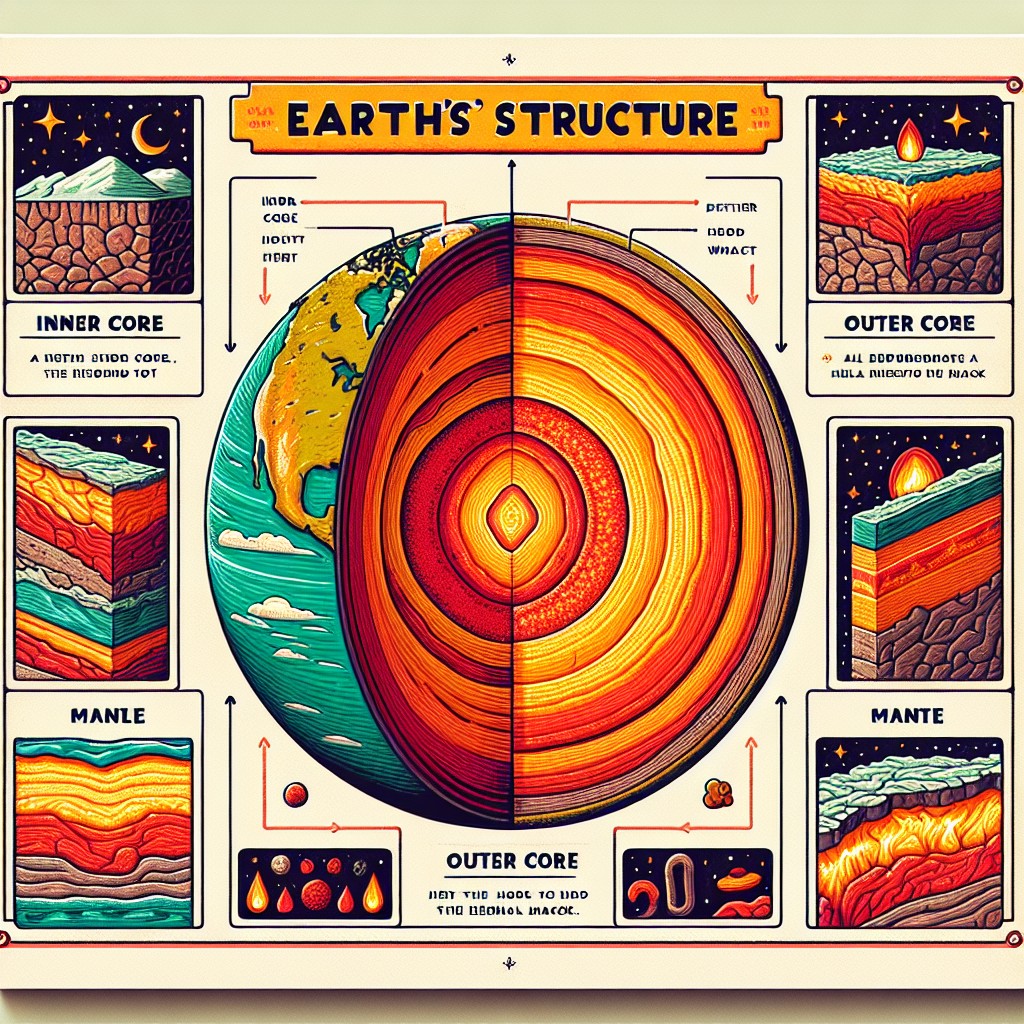
To grasp the Ring of Fire, you need a basic understanding of plate tectonics. The Earth’s outermost layer, the lithosphere, isn’t a solid shell. Instead, it’s broken into several large pieces called tectonic plates, which are always on the move, albeit very slowly – only a few centimetres a year, roughly the rate your fingernails grow. These plates float on the semi-fluid asthenosphere beneath.
Convergent Plate Boundaries
The vast majority of the activity in the Ring of Fire occurs at convergent plate boundaries. This is where two tectonic plates are moving towards each other. What happens next depends on the type of plates involved:
- Oceanic-Continental Convergence: When a denser oceanic plate collides with a lighter continental plate, the oceanic plate is forced downwards, or ‘subducts,’ beneath the continental plate. This process creates deep ocean trenches on the seafloor and, on the continental side, chains of volcanoes and mountain ranges. The Andes in South America and the volcanoes along the Pacific Northwest of North America are prime examples.
- Oceanic-Oceanic Convergence: Here, one oceanic plate subducts beneath another. This also forms ocean trenches, but on the overriding plate, it typically leads to the formation of volcanic island arcs, like Japan, the Aleutian Islands, or the Marianas.
Transform Plate Boundaries
While less dominant in the Ring of Fire’s volcanic activity, transform boundaries also play a role, particularly in earthquake generation. At these boundaries, plates slide horizontally past each other. The San Andreas Fault in California, though not directly part of the main volcanic arc of the Ring of Fire, is a very active transform boundary within the broader Pacific Plate system and contributes significantly to the seismic activity in the region.
Where Does the Ring of Fire Stretch?
The Ring of Fire is immense, tracing a path that’s roughly 40,000 kilometres long. It’s truly a global feature, touching multiple continents and countless island nations.
The Pacific’s Eastern Rim
Starting in the south, the Ring of Fire extends along the western coast of South America, running through countries like Chile, Peru, Ecuador, and Colombia. Here, the Nazca Plate is subducting under the South American Plate, leading to the towering Andes mountains and a multitude of active volcanoes.
- Central America and Mexico: Further north, the Cocos and Rivera plates are subducting beneath the North American and Caribbean plates, causing volcanic activity and frequent earthquakes throughout Central America and Mexico. Don’t forget iconic volcanoes like Popocatépetl there.
- North America’s West Coast: The Ring then continues up the west coast of North America, encompassing the Cascade Range – home to volcanoes like Mount St. Helens and Mount Rainier – and extends into Alaska and the Aleutian Islands, where the Pacific Plate is subducting beneath the North American Plate. This is a very seismically active zone, especially the Aleutians.
The Pacific’s Western Rim
Across the Bering Sea, the Ring of Fire takes a southerly turn, forming a chain of island arcs and trenches that characterise the western Pacific.
- Kamchatka Peninsula and Kuril Islands: The Pacific Plate dives under the Okhotsk Plate here, resulting in a dense cluster of active volcanoes in Russia’s Kamchatka Peninsula and the Kuril Islands.
- Japan: This archipelago is one of the most volcanically and seismically active places on Earth. Multiple plates (Pacific, Philippine Sea, Okhotsk, and Eurasian) converge here, leading to frequent earthquakes and thousands of volcanoes, including the iconic Mount Fuji.
- The Philippines and Indonesia: Moving south, the Philippine Sea Plate subducts under the Eurasian Plate, creating the volcanic arcs of the Philippines. Further on, Indonesia sits at a complex junction of several major and minor plates (Eurasian, Indo-Australian, Pacific, and Philippine Sea plates), making it incredibly active, with many of the world’s most dangerous volcanoes. Krakatoa is probably the most famous, but there are many others.
- Papua New Guinea and New Zealand: The Ring extends through Papua New Guinea and then southwards, though New Zealand itself is on a complex plate boundary and is certainly part of the broader Pacific seismic belt, experiencing frequent earthquakes and some volcanism, particularly on its North Island.
Why are there so many Earthquakes and Volcanoes?
The sheer volume of geological activity in the Ring of Fire boils down to the mechanics of subduction zones. When one plate dives beneath another, it’s not a smooth process.
Earthquakes: The Friction of Subduction
As the oceanic plate descends into the mantle, it experiences immense pressure and friction.
- Stress Buildup: The plates don’t move continuously; they get stuck. Stress builds up along the fault lines between them.
- Sudden Release: Eventually, this stress overcomes the friction, causing the plates to suddenly slip past each other. This sudden release of energy sends seismic waves radiating outwards, which we experience as an earthquake.
- Deep Earthquakes: Subducting plates can remain rigid and brittle to considerable depths within the mantle (hundreds of kilometres), which is why some very deep earthquakes occur in the Ring of Fire, far from the surface.
- Tsunamis: Large, shallow earthquakes that occur beneath the ocean floor can displace massive amounts of seawater, generating devastating tsunamis that can travel across entire ocean basins. This is a significant risk for many nations within the Ring of Fire.
Volcanoes: Melting Rock and Magma Generation
The subducting plate doesn’t just cause earthquakes; it’s also the source of the magma that feeds the volcanoes.
- Dehydration and Melting: As the oceanic plate descends, it carries water-rich minerals with it. Under the increasing temperature and pressure at depth, these minerals release their water. This water then rises into the overlying mantle wedge (the part of the mantle above the subducting plate).
- Lowering Melting Point: The presence of water significantly lowers the melting point of the mantle rock. Although the temperature isn’t high enough to melt dry rock, with water, the rock begins to melt, forming magma.
- Magma Buoyancy: This newly formed magma is less dense than the surrounding solid rock, so it begins to rise towards the surface.
- Volcanic Eruptions: As the magma ascends, it collects in magma chambers beneath the Earth’s surface. When enough pressure builds up, it finds a pathway to the surface through vents and fissures, leading to a volcanic eruption. The type of eruption (explosive or effusive) depends on the magma’s viscosity and gas content. Many volcanoes in the Ring of Fire, particularly in subduction zones, erupt explosively due to the high gas content of their magma.
Living on the Edge: The Impacts of the Ring of Fire
For the hundreds of millions of people who live within the Ring of Fire, the geological activity isn’t just an academic concept; it’s a constant reality that shapes their lives, cultures, and economies.
Natural Disasters and Risks
The most immediate and severe impact is the threat of natural disasters.
- Earthquakes: Communities regularly experience tremors, and major earthquakes can cause widespread destruction, loss of life, and significant economic disruption. Building codes in these areas often have to be much stricter to mitigate damage.
- Volcanic Eruptions: While less frequent than earthquakes, volcanic eruptions pose a serious threat. Ash plumes disrupt air travel, pyroclastic flows can devastate vast areas, and lahars (volcanic mudflows) can travel far and bury towns. Communities around active volcanoes live with evacuation plans and monitoring systems.
- Tsunamis: For coastal communities, the threat of tsunamis is ever-present. These giant waves, often triggered by undersea earthquakes, can cause catastrophic flooding and destruction. Early warning systems are crucial but can only provide limited time for evacuation.
Geothermal Energy and Resources
Despite the risks, the intense geological activity also brings benefits.
- Geothermal Power: The heat from the Earth’s interior, particularly abundant in volcanic regions, can be harnessed for geothermal energy. Countries like Iceland (often considered part of the Mid-Atlantic Ridge but with some ties to the broader Pacific seismic activity through tectonic interactions) but more relevantly, Indonesia, the Philippines, and New Zealand, are major producers of geothermal electricity, providing clean, renewable power.
- Mineral Deposits: Volcanic and hydrothermal activity is often associated with the formation of valuable mineral deposits, including gold, silver, copper, and zinc. These resources can be a significant economic driver for some regions.
- Fertile Soils: Volcanic ash and weathered volcanic rock can create incredibly fertile soils over time, which are highly beneficial for agriculture. This is why many agricultural communities thrive on the flanks of active volcanoes, despite the obvious dangers.
Cultural Adaptation and Resilience
Through generations, societies in the Ring of Fire have developed remarkable resilience and unique cultural practices in response to their dynamic environment.
- Traditional Knowledge: Indigenous communities often hold a wealth of traditional knowledge about interpreting natural signs related to volcanic activity and earthquakes, aiding in preparedness.
- Emergency Preparedness: Modern infrastructure and advanced scientific monitoring systems, coupled with public education and rigorous emergency drills, are critical for survival and damage mitigation in places like Japan and California.
- Religious Significance: Volcanoes, in particular, often hold religious or spiritual significance, embodying powerful natural forces that are respected and revered.
Monitoring and Predicting Activity
| Volcanoes | Earthquakes | Plate Boundaries |
|---|---|---|
| 75% of the world’s active and dormant volcanoes are located in the Ring of Fire | 90% of the world’s earthquakes occur in the Ring of Fire | The Ring of Fire is formed by the movement of several tectonic plates |
Given the dangers inherent to the Ring of Fire, a significant amount of scientific effort goes into monitoring its activity and improving our ability to predict future events.
Seismic Monitoring Networks
One of the primary tools for understanding earthquakes is a vast network of seismographs.
- Detecting Tremors: These instruments continuously record ground motion, allowing scientists to detect even the smallest tremors, locate earthquake epicentres, and determine their magnitude and depth.
- Understanding Fault Lines: By analysing seismic data, scientists can map active fault lines and understand the stress accumulation and release patterns that lead to earthquakes.
- Early Warning Systems: While predicting the exact timing of earthquakes remains impossible, real-time seismic networks are crucial for tsunami warning systems and, for some areas, initial earthquake warnings providing seconds of lead time.
Volcanic Observatories
Active volcanoes are typically monitored by dedicated observatories using a range of techniques.
- Gas Emissions: Scientists measure the type and amount of gases (like sulphur dioxide and carbon dioxide) escaping from volcanoes. Changes in gas composition or volume can indicate magma moving closer to the surface.
- Ground Deformation: GPS, tiltmeters, and satellite-based interferometric synthetic aperture radar (InSAR) are used to detect subtle changes in the shape of a volcano. Swelling or bulging can indicate magma accumulating beneath the surface.
- Thermal Monitoring: Infrared cameras and satellite imagery can detect changes in temperature on a volcano’s surface, which can precede an eruption.
- Seismic Activity: Volcanic earthquakes, which differ from tectonic earthquakes, are critical indicators. Swarms of small earthquakes beneath a volcano often signal magma movement.
Ongoing Research and Challenges
Despite advanced technology, predicting the precise timing and magnitude of volcanic eruptions or major earthquakes remains a huge scientific challenge.
- Complex Systems: The Earth’s crust is incredibly complex, and the processes happening deep underground are difficult to observe directly.
- Data Interpretation: Interpreting the vast amounts of monitoring data requires sophisticated models and expertise. Anomalous readings don’t always lead to an eruption or earthquake.
- Long-Term Forecasts: While short-term predictions are elusive, scientists can provide long-term forecasts of earthquake probabilities for certain regions and assess the general hazard level of active volcanoes. Continuous research into magma dynamics, fault mechanics, and advanced sensing technologies is vital for improving our understanding and preparedness in the Ring of Fire.
FAQs
What is the Ring of Fire?
The Ring of Fire is a horseshoe-shaped area in the Pacific Ocean basin where a large number of earthquakes and volcanic eruptions occur. It is home to about 75% of the world’s active and dormant volcanoes.
Where is the Ring of Fire located?
The Ring of Fire is located in the Pacific Ocean basin, stretching from the west coast of South America, along the coast of North America, across the Bering Strait, down through Japan, and into New Zealand.
Why is the Ring of Fire so active?
The Ring of Fire is so active due to the movement of tectonic plates. The Pacific Plate is subducting beneath several other plates, causing intense geological activity such as earthquakes and volcanic eruptions.
What are the risks associated with the Ring of Fire?
The Ring of Fire poses significant risks of earthquakes, tsunamis, and volcanic eruptions to the countries and regions located within its boundaries. These natural disasters can cause widespread destruction and loss of life.
How do scientists monitor the Ring of Fire?
Scientists monitor the Ring of Fire using a variety of methods, including seismometers to detect earthquakes, GPS to measure ground movement, and satellite imagery to track volcanic activity. This monitoring helps to provide early warnings and mitigate the impact of potential natural disasters.