You’re probably wondering which countries are truly leading the charge in clean energy per person, outpacing their fossil fuel use. Good news – it’s not a pipe dream, and several nations are indeed doing just that! While globally we’re still heavily reliant on fossil fuels, some forward-thinking countries, particularly those with abundant renewable resources or strong policy commitments, are producing more clean energy per capita than they consume in fossil fuels. Think nations with vast hydropower, geothermal, or wind potential, coupled with smart investments and robust infrastructure.
Before we dive into the details, let’s clear up what we mean by “clean energy” and “per capita” in this context. It’s not as simple as flipping a switch, and the definitions can sometimes get a little fuzzy.
What is ‘Clean Energy’?
When we say ‘clean energy,’ we’re primarily talking about renewable energy sources that don’t produce greenhouse gas emissions or significant air pollutants during their operation. This typically includes:
- Hydropower: Exploiting the movement of water to generate electricity.
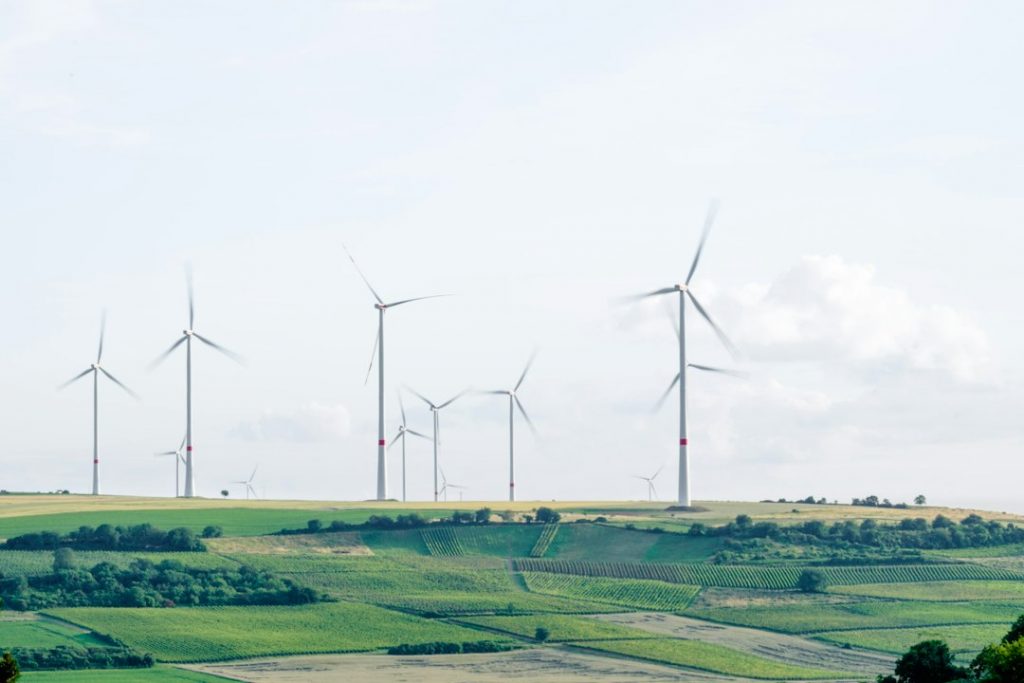
- Wind Power: Harnessing the kinetic energy of wind with turbines.
- Solar Power: Converting sunlight into electricity using photovoltaic panels or concentrated solar thermal systems.
- Geothermal Power: Tapping into the Earth’s internal heat.
- Bioenergy (sustainable sources): Energy derived from organic matter, but it’s important to specify ‘sustainable’ as some bioenergy can have environmental drawbacks if not managed properly.
We’re generally excluding nuclear power from this discussion, not because it’s not low-carbon, but because its waste disposal and safety concerns often place it in a separate category when discussing ‘clean’ or ‘renewable’ energy in a broader public context. Similarly, while natural gas is often touted as a ‘cleaner’ fossil fuel, it’s still a fossil fuel and doesn’t fit our clean energy criteria here.
Understanding ‘Per Capita’
‘Per capita’ simply means ‘per person.’ When we look at energy production or consumption per capita, it gives us a much fairer way to compare countries of different sizes and populations. A large country might produce a lot of clean energy in absolute terms, but if its population is massive, the per capita figure might be quite low. Conversely, a smaller country might have impressive per capita clean energy figures even if its absolute production is less than a global powerhouse. It helps us understand the individual effort and impact.
The Leading Contenders: Nations Punching Above Their Weight
Identifying countries that produce more clean energy than they consume in fossil fuels per capita is a nuanced task. Energy data can be complex, and definitions vary. However, based on available data from reputable sources like the IEA, IRENA, and national energy agencies, certain patterns emerge. These are often countries with favourable geography for renewables and deliberate policy choices.
Iceland: The Geothermal Powerhouse
Iceland truly stands out as a global leader in clean energy. Its unique geology provides it with an incredible advantage, making it a poster child for renewable energy dominance.
Abundant Geothermal Resources
Iceland is situated on a volcanic hotspot, meaning it has enormous access to geothermal energy. This subterranean heat is tapped to provide heating for homes, hot water, and a significant portion of its electricity generation. It’s a natural advantage that few other nations possess to the same degree.
Harnessing Hydropower
Beyond geothermal, Iceland also has plentiful hydropower resources thanks to its melting glaciers and numerous rivers. These natural features allow for a robust system of hydroelectric dams, further boosting its clean energy portfolio.
Near 100% Renewable Electricity
The combination of geothermal and hydropower means that functionally all of Iceland’s electricity comes from renewable sources. This is an incredible achievement. While their transport sector still relies on fossil fuels, their electricity grid is a shining example of decarbonisation. Per capita, their renewable energy production far outstrips their fossil fuel consumption, particularly when focusing on the electricity sector.
Norway: Hydropower King of the North
Like Iceland, Norway benefits from its geography, making it another top contender in the clean energy per capita race, especially when considering electricity.
Vast Hydropower Capacity
Norway is blessed with mountainous terrain and abundant rainfall, creating ideal conditions for hydropower. It has meticulously developed its hydrological resources over decades, leading to one of the highest per capita hydropower capacities in the world.
Electrifying Transport and Industry
With such a clean electricity grid, Norway is aggressively pursuing electrification in sectors like transport (electric vehicles are extremely popular) and industry. This further reduces their reliance on fossil fuels for energy services, even while still being a major oil and gas producer for export. When looking at domestic energy consumption versus domestic clean energy production per capita, Norway is a strong performer, particularly considering its relatively small population.
Policy Support and Investment
Norway’s government has consistently invested in and supported its hydropower infrastructure, ensuring its continued dominance. There’s also a strong public and political will to transition away from fossil fuel use domestically, even as their economy benefits from fossil fuel exports.
Other Strong Performers and Emerging Leaders
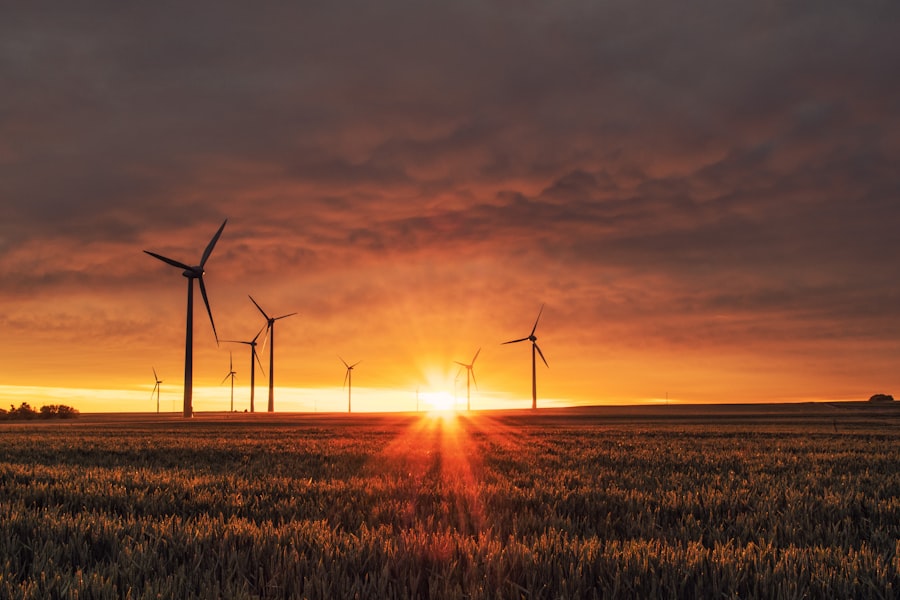
While Iceland and Norway often lead the pack due to their unique geographical advantages, other countries are making remarkable strides and, in some cases, producing significant clean energy per capita, especially in the electricity sector.
Sweden: A Mix of Hydropower and Nuclear (and Some Wind)
Sweden, another Nordic nation, has a highly decarbonised electricity grid. While we noted earlier that we’re generally excluding nuclear, it’s worth mentioning in Sweden’s context as it contributes heavily to their low-carbon intensity.
Significant Hydropower and Nuclear Contribution
Sweden relies heavily on a combination of hydropower and nuclear power for its electricity generation, both of which are low-carbon. While nuclear has its own set of debates, it certainly helps Sweden achieve a very low-emission electricity supply.
Growing Wind Power
In recent years, Sweden has also made substantial investments in wind power, further diversifying its clean energy mix and reducing its reliance on fossil fuels. This blend of established renewables and growing newer technologies puts them in a strong position per capita.
Costa Rica: Betting Big on Renewables
Moving away from Northern Europe, Costa Rica provides a fantastic example of a developing nation prioritising renewable energy. They consistently achieve periods where nearly 100% of their electricity comes from clean sources.
Diverse Renewable Portfolio
Costa Rica benefits from a mix of hydropower, geothermal, wind, and solar. Their commitment to environmental protection is enshrined in their national identity, and this extends to their energy policy.
Focus on Electricity Decarbonisation
While their transport sector still largely relies on fossil fuels, Costa Rica has proven it can run its electricity grid almost entirely on renewables for extended periods. This is a testament to careful planning and leveraging natural resources. Per capita, their clean electricity production is very impressive.
Uruguay: A Renewable Energy Success Story
Uruguay has quietly become a global leader in transitioning its electricity matrix to renewables in a remarkably short period.
Rapid Wind Power Deployment
Uruguay made a concerted effort to rapidly deploy wind power, coupled with existing hydropower capacity. This strategic investment has paid off significantly, transforming its energy landscape.
High Renewable Electricity Share
Today, a very high percentage of Uruguay’s electricity comes from renewable sources. This makes it another strong contender when considering clean energy production per capita, especially in the electricity sector. Their success demonstrates that even countries without the extreme hydro or geothermal advantages of Iceland and Norway can achieve high renewable energy penetration with strong policy and investment.
The Broader Context: Beyond Electricity
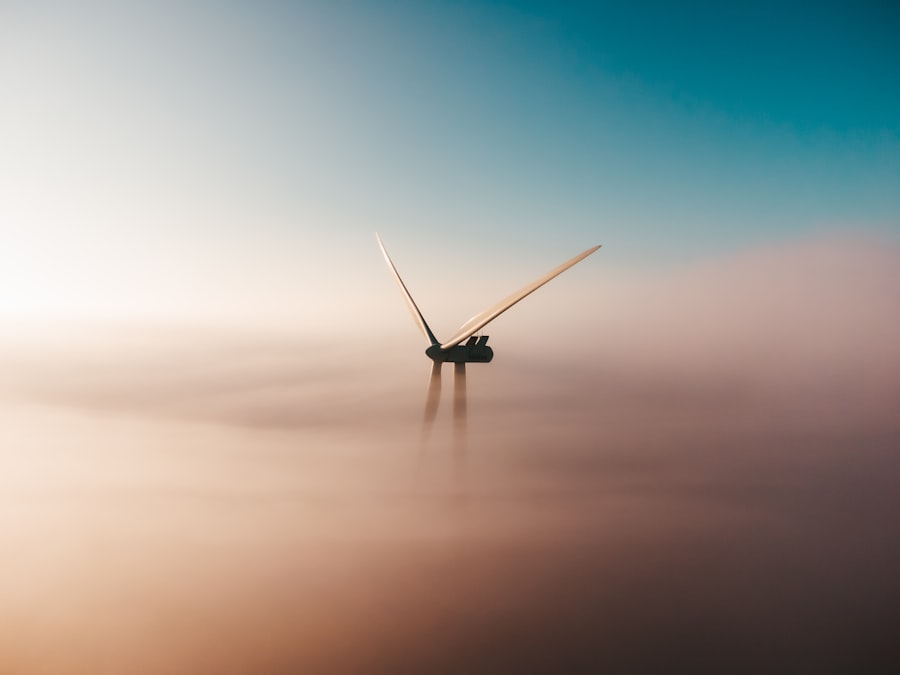
It’s crucial to remember that energy consumption isn’t just about electricity. We use energy for heating, cooling, transport, and industrial processes. While many countries are doing an excellent job decarbonising their electricity grids, the other sectors often lag behind.
The Challenge of Transport
Transport remains a significant hurdle. Even countries with highly renewable electricity grids often rely heavily on petrol and diesel for cars, trucks, shipping, and aviation. The push for electric vehicles (EVs) is starting to make a dent, but it’s a long road. For a country to truly produce more clean energy overall per capita than it consumes in fossil fuels, it needs to address this sector comprehensively.
Biofuels and Hydrogen
Solutions like sustainable biofuels and green hydrogen are being explored for harder-to-decarbonise transport segments like aviation and heavy industry. These technologies are still maturing and scaling up, posing a challenge for widespread adoption.
Industrial and Heating Demands
Similarly, industrial processes and heating (especially in colder climates) often depend on fossil fuels. Switching to electric heating, district heating powered by renewables, or using heat pumps powered by clean electricity can help, but requires significant infrastructure investment.
Geothermal Heating Networks
Iceland is a prime example of how geothermal resources can be used not just for electricity but also for widespread district heating, significantly reducing fossil fuel use in this sector. Other countries are exploring similar, albeit smaller-scale, solutions.
The Data Dilemma: Why Comparisons Are Tricky
“`html
| Country | Clean Energy Production (MWh per capita) | Fossil Fuel Production (MWh per capita) |
|---|---|---|
| Sweden | 15.7 | 5.2 |
| Costa Rica | 7.6 | 4.3 |
| Norway | 13.6 | 6.8 |
| Iceland | 53.6 | 0.3 |
| Denmark | 10.4 | 5.9 |
“`
Getting precise, universally comparable data for “clean energy production vs. fossil fuel consumption per capita across all energy sectors” is genuinely challenging. Here’s why:
Data Lag and Inconsistencies
Energy data often has a lag, can be reported differently by various nations, and might not always account for all energy forms. Some reports focus purely on electricity, while others attempt to incorporate heating, transport, and industrial uses.
Defining ‘Consumption’
What constitutes ‘consumption’? Is it primary energy supply? Final energy consumption? Different methodologies can yield different results. For instance, a country might export a lot of fossil fuels but still rely on renewables for its domestic needs. The question then becomes whether we’re looking at what they produce of clean energy versus what they consume of fossil fuels, regardless of whether those fossil fuels are imported or domestically sourced.
Embodied Energy
Another layer of complexity is “embodied energy” – the energy used to produce goods and services that a country consumes, even if those goods are manufactured elsewhere. While fascinating, including this in a per capita comparison of domestic production vs. domestic consumption is outside the scope of our current discussion.
Future Outlook and Key Takeaways
The trend worldwide is moving towards cleaner energy, but the pace varies significantly. The countries mentioned here demonstrate that it is absolutely possible to build societies powered predominantly by renewable sources, at least in the electricity sector.
The Role of Geography
It’s clear that favourable geography – abundant hydropower, geothermal hot spots, or consistent wind – plays a massive role in allowing countries to achieve very high per capita clean energy production. These natural advantages reduce the initial cost and technical hurdles.
Policy and Investment Matter Most
However, geography isn’t the whole story. Strong government policies, consistent investment in infrastructure, favourable regulatory environments, and public support are equally crucial. Countries like Uruguay and Costa Rica show that even without the extreme natural advantages of Iceland or Norway, significant progress can be made rapidly with the right focus.
The Ongoing Challenge
While some countries excel in their electricity grids, the broader challenge of decarbonising transport, heating, and industry remains. The true test of a nation’s clean energy leadership per capita will be its ability to extend its renewable energy dominance across all facets of its energy consumption. We’re seeing encouraging signs, but it’s a journey, not a destination. These leading nations offer valuable lessons for the rest of the world as we collectively strive for a cleaner energy future.
FAQs
1. Which countries produce more clean energy than fossil fuels per capita?
According to the article, countries such as Iceland, Norway, and Costa Rica produce more clean energy than fossil fuels per capita.
2. What are some examples of clean energy sources used by these countries?
These countries primarily rely on renewable energy sources such as hydropower, geothermal energy, and wind power to produce clean energy.
3. How do these countries compare to others in terms of clean energy production per capita?
Compared to other countries, these nations have a higher proportion of clean energy production per capita, making them leaders in the transition towards sustainable energy.
4. What are the environmental benefits of producing more clean energy than fossil fuels per capita?
Producing more clean energy than fossil fuels per capita helps reduce greenhouse gas emissions, mitigates climate change, and promotes environmental sustainability.
5. What policies or initiatives have these countries implemented to achieve higher clean energy production?
These countries have implemented various policies and initiatives such as investment in renewable energy infrastructure, carbon pricing, and incentives for clean energy development to achieve higher clean energy production.