It’s a big question, isn’t it? When we talk about powering our lives, whether it’s our homes, our cars, or our industries, the debate often boils down to one of two sides: renewable energy versus fossil fuels. Which one is winning the scientific battle for our planet’s future? The short answer is that science is increasingly pointing towards renewables, but the transition is complex and still very much in progress.
The Case for Fossil Fuels: A Long and Complicated History
Let’s be honest, fossil fuels haven’t just powered our modern world; they’ve fundamentally shaped it. For over a century, coal, oil, and natural gas have been the bedrock of industrialisation and economic growth.
How Did We Get Here?
- The Industrial Revolution: The discovery and exploitation of coal, in particular, enabled the steam engine and mass production, completely transforming societies.
- Oil’s Dominance: Later, oil became king, powering our cars, planes, and much of our manufacturing. Its energy density and relative ease of transport made it incredibly versatile.
- Natural Gas’s Rise: Natural gas, often considered the “cleanest” of the fossil fuels (though we’ll get to that), has seen a significant surge in use, particularly for electricity generation and heating.
The Familiarity Factor
There’s a certain comfort and familiarity with fossil fuels. We understand how they work, the infrastructure is already in place, and for many years, they’ve been the most cost-effective option. The economic systems we have are deeply intertwined with their extraction, processing, and distribution.
The “Baseload” Argument
Historically, fossil fuel power plants have been crucial for providing what’s known as “baseload” power – a constant, reliable supply of electricity that’s available 24/7, regardless of weather conditions. This is a key point that proponents of fossil fuels often highlight.
The Unavoidable Impact: Fossil Fuels and Climate Change
While fossil fuels have brought undeniable benefits, their environmental cost is becoming increasingly apparent and, frankly, alarming. The science here is quite robust.
Greenhouse Gases: The Main Culprit
- Carbon Dioxide (CO2): This is the big one. When we burn fossil fuels, we release massive amounts of CO2 into the atmosphere. This gas acts like a blanket, trapping heat.
- Methane (CH4): While it has a shorter lifespan in the atmosphere, methane is a much more potent greenhouse gas than CO2. Leaks from natural gas infrastructure are a significant concern.
- Nitrous Oxide (N2O): Another significant greenhouse gas released during the combustion of fossil fuels.
The Observable Effects
The scientific consensus is clear: this trapped heat is driving global warming and climate change. We’re not just talking about theory anymore; we’re seeing the effects.
- Rising Global Temperatures: The planet is undeniably getting warmer, leading to more frequent and intense heatwaves.
- Extreme Weather Events: Scientists are linking the increased frequency and severity of floods, droughts, storms, and wildfires directly to climate change.
- Sea Level Rise: Melting glaciers and thermal expansion of ocean water are causing sea levels to rise, threatening coastal communities.
- Ocean Acidification: The oceans absorb a significant amount of CO2, leading to a decrease in pH, which harms marine ecosystems, particularly coral reefs and shellfish.
Ecosystem Disruption
Beyond the direct impacts on human societies, ecosystems are struggling to adapt. Species are facing extinction as their habitats change too quickly, and the delicate balance of nature is being disrupted.
The Rise of Renewables: A Scientific and Practical Shift
This is where renewable energy enters the picture, not just as an alternative, but as a scientific imperative driven by the need to address the impacts of fossil fuels. Renewables harness natural processes that are replenished constantly.
What Falls Under the Renewable Umbrella?
- Solar Power: Capturing energy from the sun using photovoltaic panels or concentrated solar power.
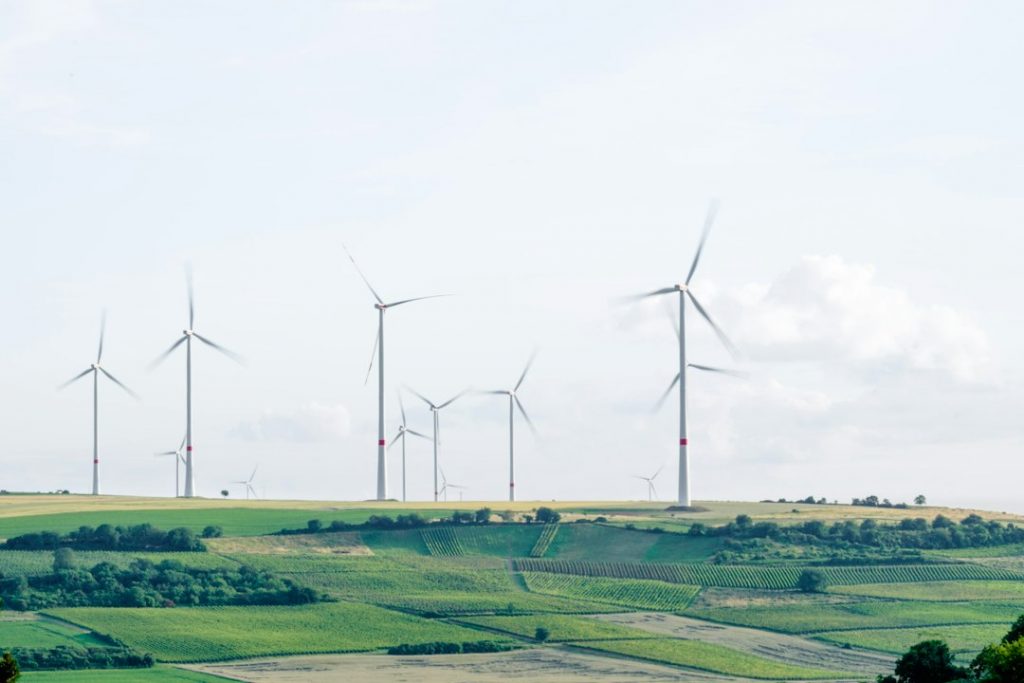
- Wind Power: Using wind turbines to convert wind’s kinetic energy into electricity.
- Hydropower: Generating electricity from the flow of water, typically through dams.
- Geothermal Energy: Tapping into the heat from the Earth’s interior.
- Biomass Energy: Deriving energy from organic matter, such as wood and agricultural waste.
The Declining Costs: A Game Changer
One of the most significant scientific develo pments enabling the rise of renewables is the dramatic decrease in their cost over the last decade.
- Solar Panel Efficiency: Improvements in material science and manufacturing have made solar panels cheaper and more efficient.
- Wind Turbine Technology: Larger, more sophisticated wind turbines can generate more power at lower wind speeds, reducing the initial investment.
- Economies of Scale: As more renewable energy projects are built, the costs of production and installation continue to fall.
Reduced Environmental Footprint
The primary scientific driver for renewables is their significantly lower environmental impact compared to fossil fuels during operation.
- Zero or Near-Zero Emissions: Once installed, most renewable energy sources produce little to no greenhouse gas emissions. This is the crucial scientific advantage in the fight against climate change.
- Less Water Consumption: Many renewable technologies, especially solar and wind, use far less water than traditional power plants, a vital consideration in water-scarce regions.
Addressing the Challenges: The Nuances of the Scientific Battle
It’s not as simple as flipping a switch. The scientific community and engineers are actively working on solutions to the challenges posed by renewables.
Intermittency: The Sun Doesn’t Always Shine, the Wind Doesn’t Always Blow
This is perhaps the most frequently cited hurdle for renewables like solar and wind.
- The Need for Storage: To ensure a reliable supply, we need effective energy storage solutions. This is a massive area of scientific research and development.
- Battery Technology: Lithium-ion batteries are rapidly improving in capacity and falling in price, but scientists are exploring a range of other battery chemistries and large-scale storage solutions.
- Pumped Hydro Storage: Using excess electricity to pump water uphill, then releasing it to generate power when needed.
- Hydrogen: Green hydrogen, produced using renewable energy, is seen as a promising long-term storage and transport solution.
- Grid Modernisation: The electricity grid, built for centralised fossil fuel power plants, needs to be updated to handle distributed, variable renewable sources. Smart grids, advanced forecasting, and demand-side management are all part of the scientific and engineering effort.
Land Use and Infrastructure
- Space Requirements: Large solar farms and wind farms can require significant land or offshore space. This can lead to debates about land use, visual impact, and potential effects on wildlife.
- Material Sourcing and Recycling: While the operational impact is low, the manufacturing of renewable energy technologies, like solar panels and wind turbines, requires raw materials. Scientists and industry are focused on sustainable sourcing and developing robust recycling processes to minimise the lifecycle impact.
The Role of Nuclear Power
While not strictly a renewable energy source, nuclear power is often part of the conversation due to its low-carbon emissions.
- Low-Carbon but Controversial: Nuclear power plants generate electricity without producing greenhouse gases. However, concerns about waste disposal and the potential for accidents remain significant scientific and societal challenges. Current research is exploring advanced reactor designs that could address some of these issues.
A Scientific Convergence: The Future is Likely Hybrid
The scientific battle isn’t necessarily about one technology “defeating” the other entirely, but rather about finding the most optimal and sustainable mix for our energy future.
The Synergy of Renewables
- Diversification is Key: Relying on a diverse portfolio of renewable sources (solar, wind, hydro, geothermal) can help to smooth out intermittency. When the sun isn’t shining, the wind might be blowing, or water might be flowing.
- Complementary Technologies: Combining renewables with energy storage and smart grid technologies creates a robust and flexible system.
The Transition Away from Fossil Fuels
- Phasing Out Coal and Oil: The scientific imperative to decarbonise means a clear and necessary phase-out of coal and oil for electricity generation and, increasingly, transportation.
- Natural Gas as a Bridge (with caveats): Natural gas is often discussed as a “bridge fuel” – a less carbon-intensive option than coal, but its role is contentious due to methane emissions and its potential to lock us into fossil fuel infrastructure for longer. Scientific understanding of methane leaks is crucial here.
Innovation and Research
The quest for a sustainable energy future is a dynamic scientific endeavour.
- New Materials: Ongoing research into more efficient and sustainable materials for solar cells, batteries, and turbines.
- Advanced Energy Storage: Developing next-generation storage technologies that are cheaper, more efficient, and use more sustainable materials.
- Carbon Capture and Storage (CCS): While the focus is on avoiding emissions, CCS technologies are being researched as a way to potentially mitigate emissions from remaining fossil fuel use or industrial processes, though their practicality and cost-effectiveness are still debated.
The Economic and Political Landscape
It’s crucial to acknowledge that science doesn’t operate in a vacuum. Economic incentives, government policies, and public opinion all play a significant role in shaping our energy choices. However, the scientific evidence regarding the impacts of fossil fuels and the viability of renewables is the foundation upon which these decisions must increasingly be made. The scientific community’s consensus on climate change and the potential of renewable energy provides a clear roadmap, even if the journey involves complex engineering and societal adaptation. The battle for Earth’s future is being fought, in large part, in laboratories, research institutions, and through the continuous refinement of scientific understanding and technological application.
FAQs
What is renewable energy?
Renewable energy is energy that is collected from renewable resources, which are naturally replenished on a human timescale, such as sunlight, wind, rain, tides, waves, and geothermal heat.
What are fossil fuels?
Fossil fuels are natural fuels such as coal, oil, and natural gas, formed in the geological past from the remains of living organisms. They are non-renewable resources and contribute to greenhouse gas emissions.
What are the advantages of renewable energy over fossil fuels?
Renewable energy sources produce little to no greenhouse gases, have lower environmental impact, and are sustainable in the long term. They also reduce dependence on imported fuels and create jobs in the renewable energy sector.
What are the disadvantages of renewable energy compared to fossil fuels?
Renewable energy technologies can be intermittent and require energy storage solutions. They also have higher upfront costs and may require significant land use for large-scale installations.
What is the scientific consensus on the battle between renewable energy and fossil fuels?
The scientific consensus is that transitioning to renewable energy is crucial for mitigating climate change and reducing environmental impact. While there are challenges in the transition, the long-term benefits of renewable energy outweigh those of fossil fuels.