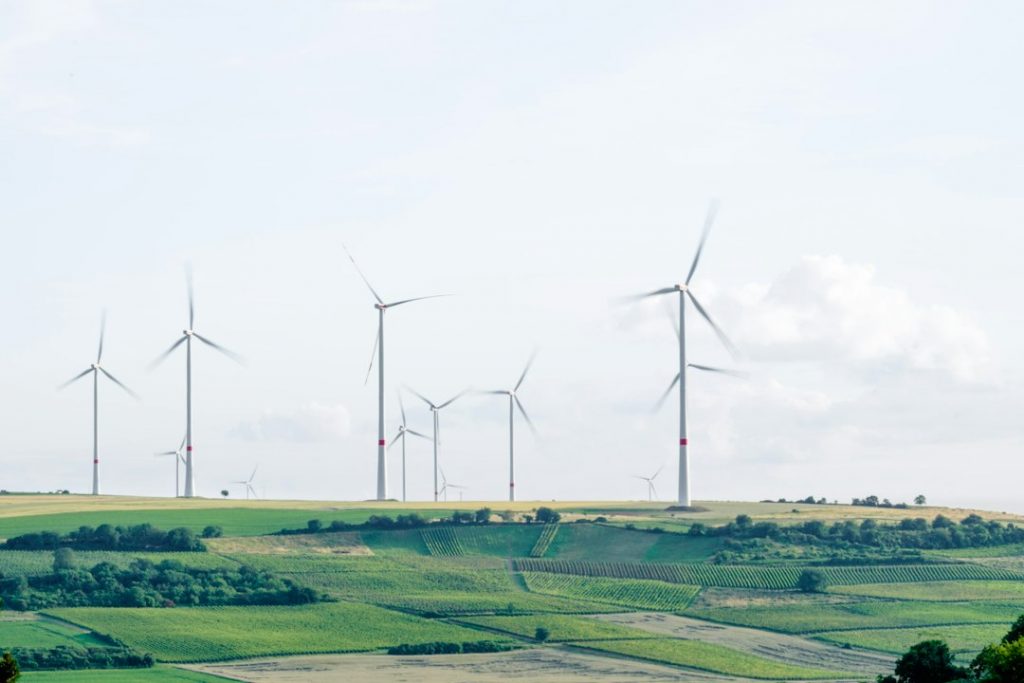
So, who’s actually leading the charge when it comes to generating renewable energy globally? It’s not just about intentions or policies; it’s about the sheer volume of clean power being produced. When we look at the numbers, certain countries consistently emerge at the top, not by accident, but through a combination of strategic investment, natural resources, and a serious commitment to transitioning away from fossil fuels. Let’s dive into who those leaders are and what’s making them tick.
When we talk about green energy production on a global scale, a few countries immediately jump to mind. These are the nations that are not only investing heavily but are also reaping the rewards in terms of actual electricity generated from sources like solar, wind, hydro, and geothermal. It’s a complex picture, influenced by geography, population, and economic development, but the top contenders are robustly shaping the future of energy.
China’s Dominance: A Powerhouse of Renewables
China is, without a doubt, the undisputed leader in renewable energy production. It’s not a close race; they are significantly ahead of the pack. This isn’t just a recent development; China has been on a determined path for years, driven by a need for energy security, a desire to combat severe air pollution, and a strategic push to dominate the global renewable technology market.
Massive Scale in Solar and Wind
The sheer scale of China’s renewable build-out is staggering. They have invested more in renewable energy than any other country, and it shows in their installed capacity and generation figures. When you look at sectors like solar and wind power, China’s numbers are simply on another level. They are not just installing panels and turbines; they are producing them at an unprecedented rate, leading to significant cost reductions globally, which in turn accelerates adoption elsewhere.
The Story Behind China’s Solar Boom
China’s solar story is particularly remarkable. They have become the world’s largest producer and installer of solar panels. This has been driven by a combination of government incentives, large-scale manufacturing capabilities, and a growing domestic demand. From vast deserts dotted with solar farms to rooftop installations on urban buildings, solar power is playing an increasingly vital role in China’s electricity mix. This has not only helped them meet their ever-growing energy needs but also contributed to their goal of reducing carbon emissions.
Wind Power’s Impressive Trajectory
Similarly, wind power has seen an incredible expansion in China. They boast the largest installed wind power capacity globally, both onshore and increasingly offshore. The Chinese government has set ambitious targets for wind energy development, and the industry has responded with rapid growth and technological advancements. This has made wind power a significant contributor to their national grid, complementing other energy sources.
Hydropower: A Long-Standing Foundation
While solar and wind are the more recent headline-grabbers, China has also long been a major player in hydropower. Their vast river systems have allowed for the construction of numerous large-scale hydroelectric dams, which have historically provided a substantial portion of their electricity. While there are environmental considerations with large hydro projects, they remain a significant source of zero-emission power for the country.
The United States: A Mixed Bag of Progress
The United States is another global heavyweight when it comes to renewable energy production, though its journey has been somewhat more varied. While there have been periods of rapid growth and significant investment, policy shifts and political landscapes have also played a role in its trajectory. Nonetheless, the sheer size of the US energy market means its renewable output is substantial.
A Strong Showing in Wind Energy
Wind power has been a particular success story for the US. They have invested heavily in wind farms, especially in the central plains and coastal regions. This has led to a significant increase in wind energy’s contribution to the national grid, offering a cleaner alternative to coal and natural gas. Federal and state incentives, coupled with decreasing costs of technology, have fuelled this expansion.
Solar’s Steady Ascent
Solar power in the US has also seen considerable growth, though perhaps not at the same breakneck pace as in China. From vast utility-scale solar farms in the Southwest to individual rooftop installations, solar energy is becoming increasingly prevalent. Policy support, such as tax credits and net metering, has been crucial in driving this adoption.
Hydropower’s Mature Contribution
Hydropower has been a consistent contributor to the US energy mix for decades. While new large-scale projects are less common due to environmental concerns and available sites, existing dams continue to provide a significant amount of renewable electricity.
India’s Rapid Expansion: A Developing Leader
India is emerging as a very significant player in renewable energy, driven by a massive population, growing energy demand, and a strong government commitment to clean energy. While it may not yet match the absolute scale of China or the US, its rate of growth and future potential are incredibly important to monitor.
Ambitious Solar Targets and Achievements
India has set some of the most ambitious solar energy targets in the world, and they are actively working to meet them. The country has vast potential for solar power due to its geographical location. Government initiatives and substantial investments have led to a rapid increase in solar capacity, making India a major force in global solar deployment.
The Challenges of Grid Integration
While solar power is growing rapidly, integrating such a large and intermittent source of energy into a complex and developing grid presents its own set of challenges. India is investing in grid modernization and energy storage solutions to manage this growing capacity effectively.
Wind Power’s Established Role
Wind power has also been a focus for India for some time. Several states have significant wind energy potential and have developed substantial wind farms. While solar is currently experiencing faster growth, wind remains a vital part of India’s renewable energy portfolio.
What About Europe? A Collective Strength
Rather than a single country, it’s more accurate to talk about Europe as a collective leader in renewable energy production. While individual nations like Germany and Spain have strong renewable sectors, the EU as a whole makes a significant contribution. Their commitment is often driven by ambitious climate targets and a desire to reduce reliance on imported fossil fuels.
Germany’s Energiewende: A Pioneering Effort
Germany’s “Energiewende” (energy transition) is a well-known example of a nation aggressively pursuing renewables. They have been pioneers in solar and wind development, driven by strong policy support and public acceptance. While they’ve faced challenges with energy affordability and grid stability at times, their impact on the global renewable market is undeniable.
The Feed-in Tariff’s Legacy
Germany’s early success with solar was significantly boosted by its feed-in tariff system, which guaranteed attractive prices for renewable electricity fed into the grid. This policy, while evolving, was instrumental in kickstarting the industry and driving down costs.
Spain’s Solar Prowess
Spain, with its abundant sunshine, has become a leader in solar energy production. They have vast solar farms, contributing significantly to their electricity needs. Despite past policy uncertainties, Spain’s renewable capacity continues to grow.
Nordic Countries: Hydro and Wind Expertise
The Nordic countries (Norway, Sweden, Denmark) are also major players. Norway, with its vast hydropower resources, is exceptionally reliant on renewables. Denmark is a world leader in wind technology and deployment, particularly offshore wind.
The Role of Hydropower: Still a Giant
While the current spotlight is often on solar and wind, it’s crucial to remember the enduring significance of hydropower. For decades, it was the dominant source of renewable electricity globally, and it still holds a massive slice of the pie. Its reliability and capacity make it a foundational element of many countries’ green energy strategies.
Canada’s Hydroelectric Might
Canada is a prime example of a nation where hydropower forms the backbone of its electricity system. With abundant water resources, it’s a major producer of hydroelectricity, providing a vast amount of clean, baseload power. This has allowed Canada to maintain a relatively low carbon footprint in its electricity sector compared to many other developed nations.
Managing Large River Systems
The development and management of Canada’s vast river systems for hydroelectricity are a testament to engineering and infrastructure. While large hydro projects have their own environmental and social considerations, they are a critical component of Canada’s energy security and its renewable energy output.
Brazil’s Hydropower Dominance
Brazil is another country where hydropower is king. Its extensive river network, particularly the Amazon basin, supports a massive number of hydroelectric dams, including some of the largest in the world. This makes Brazil a significant global producer of renewable energy, although there are ongoing discussions about the environmental impacts of such large-scale projects.
The Energy Mix in a Developing Economy
For a rapidly developing economy like Brazil, hydropower has been essential in meeting growing energy demands cleanly. It provides a stable and significant source of power that complements other, emerging renewable technologies.
Wind Power’s Global Surge: Beyond the Leaders
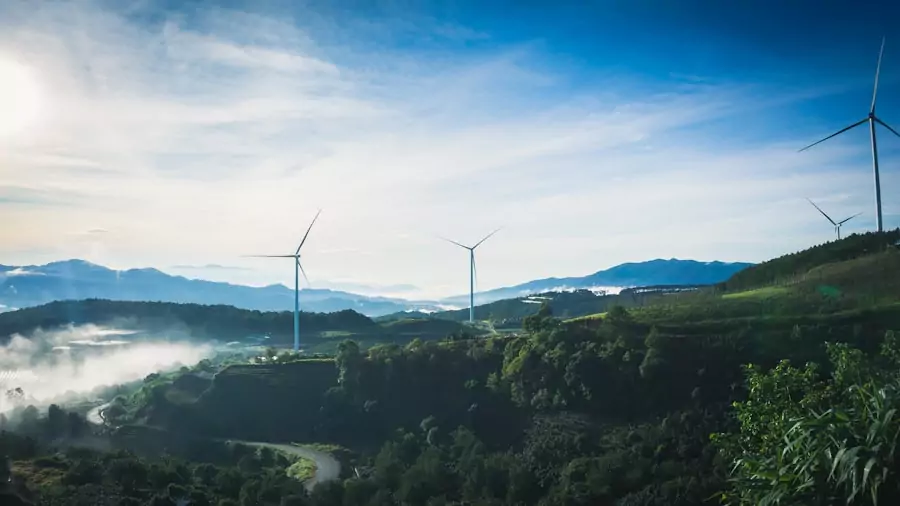
While China, the US, and some European nations are major wind power producers, the development of wind energy is a truly global phenomenon. Many other countries are making significant strides, often driven by a need to diversify their energy sources or harness their natural wind resources.
The UK’s Offshore Wind Ambitions
The United Kingdom has become a surprisingly strong player in offshore wind power. With its long coastlines and strong winds, it has invested heavily in developing large-scale offshore wind farms. This is a key part of their strategy to decarbonise their energy supply and achieve ambitious climate targets.
Technological Advancements in Offshore Wind
The UK’s leadership in offshore wind is supported by significant technological advancements, including larger and more efficient turbines and innovative installation techniques. This has allowed them to harness wind power effectively even in challenging offshore environments.
Other Notable Wind Power Nations
Many other countries are rapidly increasing their wind power capacity. Australia, for instance, is leveraging its vast open spaces for onshore wind development. India, as mentioned, is also a significant player. Vietnam and South Korea are increasingly investing in offshore wind. The growth of wind power is truly widespread.
Solar Power’s Pervasive Growth: From Deserts to Rooftops
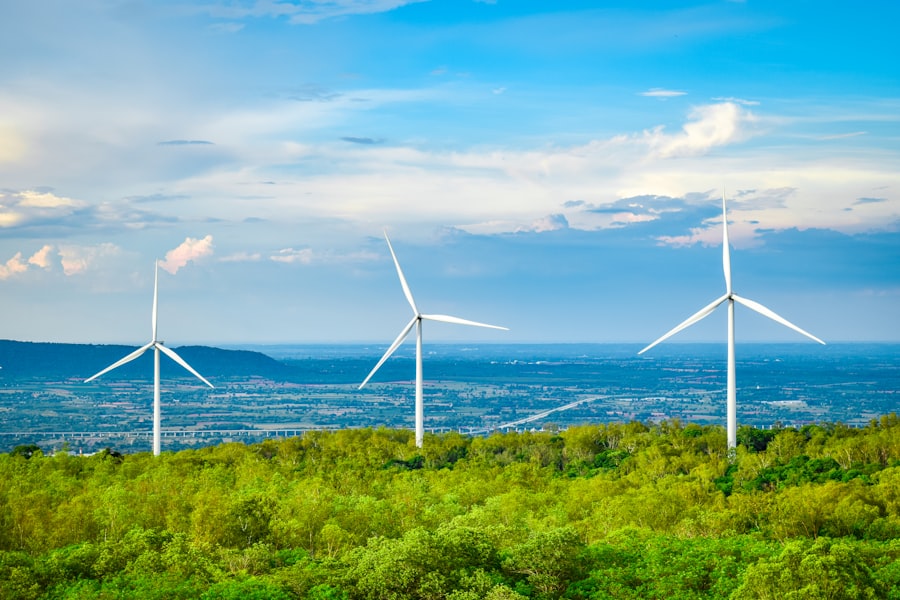
Solar power is arguably the most democratically distributed renewable energy source, with potential from deserts to rooftops. While China leads by a considerable margin, numerous countries are seeing exponential growth in solar capacity, driven by falling costs and increasing accessibility.
Australia’s Rooftop Solar Revolution
Australia has one of the highest per capita rates of rooftop solar panel installations in the world. This widespread adoption by households and businesses is significantly contributing to the country’s renewable energy mix. Government incentives and the high cost of grid electricity have been major drivers of this trend.
The Challenges of Grid Management with Distributed Solar
Managing a grid with such a high penetration of distributed solar power presents unique challenges. Australia is grappling with issues like grid stability, energy storage, and ensuring fair compensation for solar producers.
Vietnam’s Solar Boom
Vietnam has experienced a meteoric rise in solar power capacity in recent years. Driven by government policies, attractive feed-in tariffs, and favorable solar irradiance, the country has seen massive investments in utility-scale solar farms. This has transformed its energy landscape remarkably quickly.
The Speed of Deployment
The speed at which Vietnam has deployed solar capacity is a testament to its commitment and the supportive regulatory environment it created, leading to rapid growth and making it a significant player in the region.
Emerging Powers and Future Trends
| Rank | Country | Renewable Power Production (GWh) |
|---|---|---|
| 1 | China | 1,919,000 |
| 2 | United States | 738,000 |
| 3 | Germany | 237,000 |
| 4 | India | 132,000 |
| 5 | Spain | 97,000 |
While the current leaders are clear, the landscape of renewable energy production is constantly evolving. Emerging economies are playing an increasingly important role, and technological advancements are set to reshape where and how energy is produced.
The Potential of Geothermal Energy
While not as widespread as solar or wind, countries with significant geothermal activity, such as Iceland, Indonesia, and parts of the United States, are heavily reliant on this stable, baseload renewable source. Advances in technology could see geothermal energy become more accessible to other regions.
The Role of Energy Storage
As renewable energy penetration increases, energy storage solutions (like batteries) become even more critical. Their development and deployment will be key to ensuring grid stability and maximising the use of intermittent renewables like solar and wind. Countries that invest in and lead in storage technology will undoubtedly shape the future of energy production.
Continued Investment and Policy Support
Ultimately, the sustained leadership in renewable energy production will rely on continued investment and strong, consistent policy support. Countries that create stable regulatory environments, incentivise innovation, and facilitate market access for renewable technologies will be the ones to watch in the years to come. The transition to a green energy future is a dynamic process, and the leaders today might face new challengers tomorrow.
FAQs
1. What is the ranking based on for the world’s green energy leaders?
The ranking is based on the renewable power production of each country, including the amount of energy generated from sources such as wind, solar, hydroelectric, and geothermal power.
2. Which countries are considered the top green energy leaders?
Countries such as China, the United States, Brazil, Germany, and India are considered to be the top green energy leaders due to their significant renewable power production.
3. How is renewable power production measured?
Renewable power production is measured in terms of the amount of energy generated from renewable sources, typically expressed in gigawatt-hours (GWh) or as a percentage of a country’s total energy production.
4. What are the benefits of being a green energy leader?
Being a green energy leader brings numerous benefits, including reduced greenhouse gas emissions, energy security, job creation, and economic growth through the development of renewable energy technologies.
5. How does the ranking of green energy leaders impact global efforts to combat climate change?
The ranking of green energy leaders highlights the importance of renewable power production in reducing carbon emissions and mitigating climate change. It also serves as a benchmark for other countries to strive towards increasing their renewable energy capacity.