World Geography
Geography is the study of the Earth’s landscapes, environments, and the relationships between people and their surroundings. It encompasses both the physical aspects of the Earth, such as its landforms, bodies of water, and climate, as well as the human aspects, including population distribution, cultures, and economies. World geography is a broad field that seeks to understand the complexities of our planet and how humans interact with it. By studying world geography, we can gain a deeper appreciation for the diversity of our planet and the interconnectedness of its various regions.
Geography is a multidisciplinary field that draws on elements of physical science, social science, and humanities. It involves the use of maps, spatial analysis, and geographic information systems (GIS) to understand the Earth’s surface and the processes that shape it. World geography also encompasses the study of human geography, which examines the ways in which people and their activities are distributed across the Earth. By understanding world geography, we can better appreciate the environmental, cultural, and economic challenges facing different regions of the world. This knowledge is crucial for addressing global issues such as climate change, resource management, and international development.
The Five Oceans and Seven Continents
The Earth’s surface is divided into five major oceans: the Pacific, Atlantic, Indian, Southern (or Antarctic), and Arctic Oceans. These vast bodies of water play a crucial role in regulating the Earth’s climate and supporting diverse marine ecosystems. The oceans also serve as important transportation routes and a source of food and other natural resources for human societies around the world.
In addition to the oceans, the Earth’s landmasses are divided into seven continents: Africa, Antarctica, Asia, Europe, North America, Australia (or Oceania), and South America. Each continent has its own unique physical and cultural characteristics, shaped by millions of years of geological processes and human history. From the deserts of Africa to the rainforests of South America, the continents offer a rich tapestry of landscapes and environments for exploration and study.
Major Mountain Ranges and Deserts
The Earth’s surface is also marked by major mountain ranges and deserts that have shaped the planet’s physical and cultural landscapes. The Himalayas, for example, are the highest mountain range in the world and are home to diverse ecosystems and cultures in countries such as India, Nepal, and Bhutan. The Andes in South America, the Rockies in North America, and the Alps in Europe are other prominent mountain ranges that have influenced human settlement patterns and economic activities.
Deserts cover about one-third of the Earth’s land surface and are characterized by low precipitation and extreme temperatures. The Sahara Desert in Africa is the largest hot desert in the world, while the Gobi Desert in Asia is one of the largest cold deserts. Deserts are not only home to unique flora and fauna but have also been important trade routes and cultural crossroads throughout history.
Climate Zones and Biomes
The Earth’s climate is influenced by a variety of factors, including latitude, altitude, ocean currents, and prevailing winds. As a result, the planet is divided into different climate zones, each with its own characteristic weather patterns and ecosystems. The equator, for example, experiences a tropical climate with high temperatures and heavy rainfall, while the polar regions have a cold and dry climate.
These climate zones give rise to different biomes, or large ecological areas characterized by distinct plant and animal communities. The tropical rainforest biome, found near the equator, is home to a diverse array of species and is vital for regulating the Earth’s climate. The grasslands biome, found in regions such as the African savannah and North American prairies, supports grazing animals and has been important for human agriculture throughout history.
Human Geography and Population Distribution
Human geography examines the ways in which people and their activities are distributed across the Earth’s surface. It encompasses topics such as population growth, migration patterns, urbanization, and cultural diversity. Understanding human geography is crucial for addressing global challenges such as poverty, inequality, and environmental degradation.
Population distribution is uneven across the world, with some regions experiencing rapid population growth while others are declining. The majority of the world’s population lives in Asia, particularly in countries such as China and India. Urban areas are also growing rapidly, with more than half of the world’s population now living in cities. This trend has significant implications for infrastructure development, resource management, and social inequality.
Historical and Cultural Geography
Historical geography examines how human activities have shaped the Earth’s landscapes over time. It explores topics such as colonialism, trade routes, and the rise and fall of empires. Cultural geography focuses on how human cultures have developed in different regions of the world and how they interact with their environments.
The Silk Road, for example, was an ancient trade route that connected China with Europe and facilitated the exchange of goods, ideas, and technologies across Eurasia. This historical trade route had a profound impact on the development of cultures and economies along its path. Similarly, cultural geographers study how different societies have adapted to their environments through practices such as agriculture, architecture, and religious beliefs.
The Importance of Geographic Knowledge
Geographic knowledge is crucial for addressing global challenges such as climate change, resource management, and international development. By understanding world geography, we can better appreciate the environmental, cultural, and economic challenges facing different regions of the world. This knowledge is crucial for addressing global issues such as climate change, resource management, and international development.
Geographic knowledge also helps us to understand our interconnectedness with other regions of the world. By studying world geography, we can gain a deeper appreciation for the diversity of our planet and the interconnectedness of its various regions. This understanding can foster a sense of global citizenship and empathy for people from different cultures and backgrounds.
In conclusion, world geography is a complex and multifaceted field that encompasses both physical and human aspects of the Earth’s landscapes. By studying world geography, we can gain a deeper appreciation for the diversity of our planet and the interconnectedness of its various regions. This knowledge is crucial for addressing global challenges such as climate change, resource management, and international development. It also helps us to understand our interconnectedness with other regions of the world and fosters a sense of global citizenship.
FAQs
What is world geography?
World geography is the study of the Earth’s landscapes, environments, and the relationships between people and their environments. It encompasses the physical features of the Earth, as well as the human activity that takes place on it.
Why is world geography important?
World geography is important because it helps us understand the world around us. It provides insights into the physical and human processes that shape our planet, and helps us make informed decisions about how to interact with our environment.
What are the main branches of world geography?
The main branches of world geography include physical geography, which focuses on the Earth’s natural features and processes, and human geography, which examines the relationships between people and their environments.
How does world geography impact our daily lives?
World geography impacts our daily lives in numerous ways, from influencing the weather and climate we experience, to shaping the availability of natural resources and influencing the distribution of populations and cultures around the world.
What are some key concepts in world geography?
Key concepts in world geography include location, place, human-environment interaction, movement, and region. These concepts help geographers understand and interpret the world around them.

Greenland (Kalaallit Nunaat (Greenlandic))
Greenland (Kalaallit Nunaat (Greenlandic)) Capital: Nuuk Population (Estimated July 2012): 57,695 Area: 2,166,086 km2 or 836,330 mi2 Currency: Danish Krone (DKK) Official Language: Greenlandic Political Information: Constitutional Monarchy and Parliamentary Democracy Official Religion: Lutheran Church of Greenland Highest Mountain: Gunnbjørn Fjeld at 3694m or 12, 119ft Largest River: Time Zone (GMT/UTC): Between +/-0:00 and -4:00 Wildlife: Counties/Provinces/States: 4 municipalities (kommuner, singular kommune); Kujalleq, Qaasuitsup, Qeqqata, Sermersooq Leaders: Queen Margrethe II with High Commissioner Mikaela Engell and Prime Minister Kuupik Kleist Greenland Greenland, the world’s largest island, is an autonomous territory within the Kingdom of Denmark. Located between the Arctic and Atlantic Oceans, it is known for its stunning natural beauty, including vast ice sheets, towering mountains, and deep fjords. With a population of around 56,000 people, most of whom are indigenous Greenlandic Inuit, the island has a unique culture and way of life. Greenlandic, an Inuit language, is the official language, and the majority of the population is Christian, with a small minority practising Inuit spiritual beliefs. The capital city, Nuuk, is a vibrant hub of culture and commerce, while the rest of the island is sparsely populated, with small settlements scattered along the coast. Greenland has a rich history dating back thousands of years, with evidence of human habitation going back to the Paleo-Eskimo people who first settled the island. In more recent history, Greenland was colonized by the Norse in the 10th century and later became a Danish colony in the 18th century. In 1979, Greenland was granted home rule by Denmark, and in 2009, it gained self-government, although it still relies on Denmark for defense and foreign affairs. The island’s economy is...
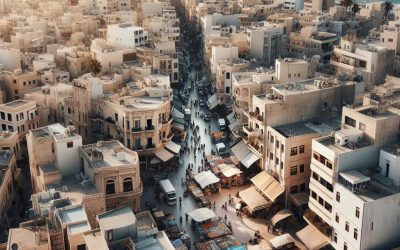
Gaza (The Gaza Strip (قطاع غزة (Arabic) Qiṭā Ġazzah))
The Gaza Strip (قطاع غزة (Arabic) Qiṭā Ġazzah) Capital: Gaza (Main City) Population (Estimated July 2012): 1,710,257 Area: 365 km2 or 140 mi2 Currency: Official Language: Arabic, Hebrew. Political Information: Palestinian territory Official Religion: Muslim (approximately 99.3% of the population are Muslim (predominantly Sunni Muslim) and 0.7% are Christian) Highest Point: Abu ‘Awdah (Joz Abu ‘Awdah) at 105m or 344ft Largest River: Time Zone (GMT/UTC): +2:00 Wildlife: Governorates: Dier al-Balah, Gaza City, Khan Yunis, North Gaza,...
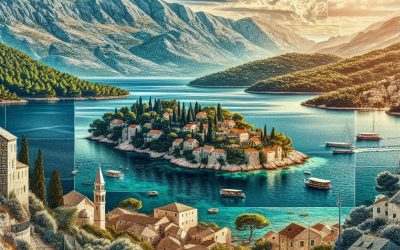
Croatia – Republic of Croatia
Croatia (Republika Hrvatska (Republic of Croatia)) Capital: Zagreb Population (Estimated July 2012): 4,480,043 Area: 56,954 km2 or 21,851 mi2 Currency: Kuna (Kn; plural Kune) Official Language: Croatian Political Information: Parliamentary Republic Official Religion: No Official Religion (approximately 87.8% of the population are Roman Catholic, 4.4% are Orthadox, 1.3% are Muslim, 1.3% have other religious beliefs and 5.2% have no religious beliefs) Highest Mountain: Dinara at 1,831m or 6,007ft Time Zone (GMT/UTC): +1:00 Wildlife: Counties/Provinces/States: 20 counties (zupanije, zupanija – singular) and 1 city* (grad – singular); Bjelovarsko-Bilogorska, Brodsko-Posavska, Dubrovacko-Neretvanska (Dubrovnik-Neretva), Istarska (Istria), Karlovacka, Koprivnicko-Krizevacka, Krapinsko-Zagorska, Licko-Senjska (Lika-Senj), Medimurska, Osjecko-Baranjska, Pozesko-Slavonska (Pozega-Slavonia), Primorsko-Goranska, Sibensko-Kninska, Sisacko-Moslavacka, Splitsko-Dalmatinska (Split-Dalmatia), Varazdinska, Viroviticko-Podravska, Vukovarsko-Srijemska, Zadarska, Zagreb*, Zagrebacka Leaders: President is Ivo Josipović with Zoran Milanović as Prime Minister. Croatia Croatia, located in southeastern Europe, is a stunning country known for its beautiful landscapes, rich history, vibrant cities, and delicious cuisine. Situated on the eastern coast of the Adriatic Sea, Croatia shares borders with Slovenia, Hungary, Serbia, Bosnia and Herzegovina, and Montenegro. The country’s geography is diverse, with a mix of mountains, plains, and a stunning coastline that stretches over 1,100 miles. Croatia has become an increasingly popular tourist destination in recent years, attracting visitors from all over the world. The country offers a wide range of attractions and activities for every type of traveller. From exploring ancient ruins and historical sites to relaxing on pristine beaches and indulging in delicious local cuisine, Croatia has something for everyone. Croatia’s Rich History and Culture: From Ancient Times to Modern Day Croatia has a rich and diverse history that dates back thousands of years. The region was inhabited by various tribes and...
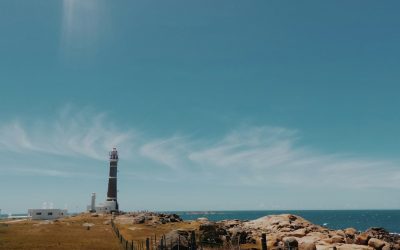
Discovering the Hidden Charms of Uruguay: A Journey Through South America’s Best-Kept Secret
Nestled between Brazil and Argentina, Uruguay often gets overshadowed by its more famous neighbours when it comes to tourism. However, this small South American country has a lot to offer for travellers looking for a unique and off-the-beaten-path experience. From its stunning beaches to its rich cultural heritage, Uruguay is a hidden gem waiting to be explored. Summary Uruguay is a hidden gem in South America that is waiting to be explored. The country’s unique culture and traditions offer a one-of-a-kind experience for visitors. Uruguay’s beautiful beaches are a paradise that should not be missed. The gastronomy of Uruguay is a culinary journey through South America that is sure to delight foodies. Exploring Uruguay’s colonial architecture is a walk through history that is both educational and fascinating. Uruguay: The Best-Kept Secret of South America Uruguay is often overlooked by travellers due to its size and proximity to larger countries in the region. However, this is precisely what makes it such a special destination. With fewer tourists, visitors to Uruguay can enjoy a more authentic experience, interacting with locals and immersing themselves in the country’s culture without the crowds often found in more popular destinations. The benefits of visiting a less touristy destination include a more relaxed atmosphere, genuine interactions with locals, and the opportunity to discover hidden gems that are off the typical tourist trail. The Culture and Traditions of Uruguay: A Unique Experience Uruguay boasts a rich cultural heritage that is a blend of European, African, and indigenous influences. From its traditional music and dance forms like Candombe and Tango to its unique culinary traditions, Uruguay offers visitors...
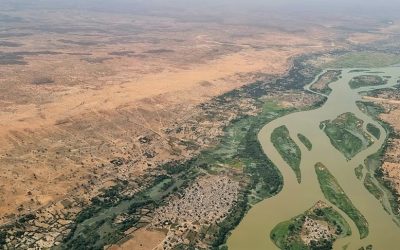
Exploring the Hidden Gems of Niger: A Journey Through West Africa’s Enigmatic Land
Niger, a land of mystery and intrigue, is a country in West Africa that often goes unnoticed by travellers. Located in the heart of the Sahel region, Niger boasts a rich history and diverse culture that make it a unique destination for those seeking an off-the-beaten-path adventure. From the enigmatic rock formations of the Aïr Mountains to the vibrant markets of Niamey, Niger offers a wealth of experiences waiting to be discovered. Niger is home to a rich cultural heritage that is shaped by its diverse ethnic groups, including the Hausa, Tuareg, and Fulani people. Each group has its own traditions and customs that are celebrated through cultural festivals and events throughout the year. Visitors to Niger can immerse themselves in the local culture by visiting traditional villages, attending music performances, and participating in cultural activities. From the colourful markets of Niamey to the nomadic lifestyle of the Tuareg people, Niger offers a glimpse into a world that is both ancient and vibrant. The natural wonders of Niger are equally captivating, with landscapes that range from the vast Sahara Desert to the lush banks of the Niger River. Outdoor enthusiasts can explore the diverse terrain through activities such as hiking in the Aïr Mountains, camel trekking in the desert, or taking a river cruise along the Niger River. The country’s national parks and nature reserves are also home to a variety of wildlife, including endangered species like the Dama Gazelle and migratory birds that flock to the region seasonally. Wildlife watching in Niger offers a unique opportunity to see animals in their natural habitat and contribute to conservation efforts...

The Allure of the United States of America: A British Perspective
The American Dream is a concept deeply ingrained in the cultural fabric of the United States, symbolising the belief that anyone, regardless of their background or circumstances, can achieve success and prosperity through hard work and determination. However, looking at this phenomenon from a British perspective offers a unique insight into how this ideal is perceived outside of its country of origin. It allows for a comparison between the American Dream and the British Dream, shedding light on the differences in societal values and aspirations. This discussion is important as it provides an opportunity to explore the impact of American culture, politics, economics, education, diversity, fashion, music, media, tourism, and the overall relationship between the UK and the US on British society. Summary The American Dream is viewed differently by British people, with less emphasis on individual success and more on social mobility. American culture has had a significant impact on British society, from music and fashion to language and food. The political landscape of America is closely watched by the British, with concerns over the current administration’s policies and actions. The economic power of the United States is undeniable, but there are concerns over the impact of globalization and trade policies on the UK. American education is often seen as more flexible and innovative than the British system, but also more expensive and unequal. The American Dream: A British Perspective The American Dream is often defined as the belief that anyone can achieve success and prosperity through hard work and determination. It is deeply rooted in the idea of upward mobility and the pursuit of happiness. In contrast,...
Discovering the Charm of Nicaragua: A British Perspective
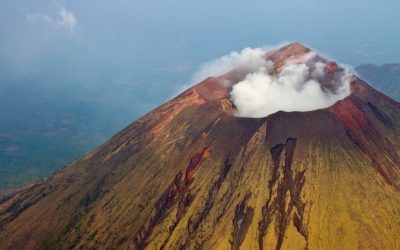
Nicaragua, a hidden gem in Central America, is a country that has been capturing the hearts of travellers with its stunning landscapes, rich history, vibrant culture, and warm hospitality. My personal experience of falling in love with Nicaragua began with its natural beauty and continued to deepen as I explored its fascinating history, indulged in its delicious cuisine, and connected with its friendly people. From the moment I set foot in this enchanting country, I knew that Nicaragua was a place like no other, a destination that would leave a lasting impression on my soul. Summary Nicaragua’s natural beauty is a major draw for tourists. The country’s rich history is fascinating to explore. Nicaraguan cuisine is a culinary delight. The warmth and hospitality of the people make for a welcoming experience. Nicaragua’s vibrant culture and festivals offer a unique experience for visitors. The Allure of Nicaragua’s Natural Beauty Nicaragua’s natural beauty is truly awe-inspiring, with its diverse landscapes offering something for every type of traveller. From the pristine beaches along the Pacific and Caribbean coasts to the majestic volcanoes that dot the countryside, and the lush rainforests teeming with wildlife, Nicaragua is a paradise for nature lovers. One of the most iconic natural attractions in Nicaragua is Ometepe Island, a volcanic island in Lake Nicaragua that is home to two towering volcanoes and a wealth of biodiversity. Another must-visit destination is the Masaya Volcano National Park, where visitors can witness the fiery glow of an active volcano up close. Exploring Nicaragua’s Fascinating History Nicaragua’s history is as rich and complex as its natural beauty, with a legacy that dates...
Discovering the Best Hidden Gems in the UK: A Guide to Off-the-Beaten-Path Destinations
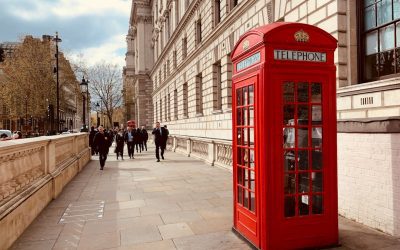
The United Kingdom is renowned for its iconic landmarks and bustling cities, drawing millions of tourists each year to destinations like London, Edinburgh, and Manchester. However, beyond these well-known hotspots lie a plethora of hidden gems and offbeat attractions waiting to be discovered. These lesser-known treasures offer a unique and authentic glimpse into the rich tapestry of British culture, history, and natural beauty. In this article, we will delve into the enchanting world of the UK’s hidden gems, from charming small towns and scenic countryside to quirky museums and secluded beaches. Small towns and villages in the UK exude a quaint charm that is often absent in larger cities. These idyllic locales are steeped in history and offer a glimpse into traditional British life. From the picturesque Cotswold villages with their honey-coloured stone cottages to the coastal town of Whitstable known for its oysters and vibrant arts scene, there is no shortage of charming destinations to explore. Strolling along cobbled streets, browsing independent shops, and sampling local delicacies are just a few of the delights awaiting visitors to these hidden gems. The UK’s countryside is a patchwork of rolling hills, lush valleys, and rugged coastlines that beckon outdoor enthusiasts and nature lovers alike. National parks such as the Lake District, Snowdonia, and the Peak District offer a playground for hikers, cyclists, and wildlife enthusiasts. Scenic drives through the Scottish Highlands or along the Jurassic Coast provide breathtaking views at every turn. For those seeking a more leisurely pace, tranquil walks through ancient woodlands or along meandering rivers offer a peaceful retreat from the hustle and bustle of city life....
Discovering the Wonders of New Zealand: A Journey Through the Land of the Long White Cloud
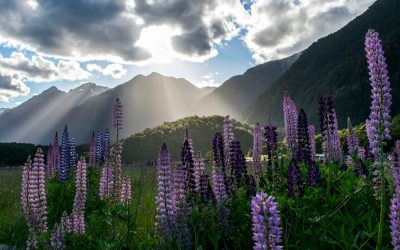
New Zealand, known as the “Land of the Long White Cloud,” is a country located in the southwestern Pacific Ocean. It consists of two main islands, the North Island and the South Island, as well as numerous smaller islands. The country has a rich history, with the indigenous Maori people settling in New Zealand over a thousand years ago. European explorers arrived in the 17th century, leading to the colonization of the islands by the British. Today, New Zealand is a diverse and multicultural nation, known for its stunning landscapes, unique wildlife, and vibrant Maori culture. The nickname “Land of the Long White Cloud” comes from the Maori name for New Zealand, “Aotearoa.” In Maori mythology, Aotearoa refers to the North Island of New Zealand and translates to “land of the long white cloud.” This name is said to have been given by Polynesian explorer Kupe when he first sighted the country. The long white cloud is believed to represent the mist that hangs over the mountains and forests of New Zealand, creating a mystical and ethereal atmosphere. This nickname has become synonymous with the natural beauty and unique character of the country. New Zealand is renowned for its geographical diversity, offering a wide range of landscapes from mountains to beaches. The South Island is home to the Southern Alps, a mountain range that runs the length of the island and includes Aoraki/Mount Cook, New Zealand’s highest peak. The North Island features volcanic plateaus and geothermal areas such as Rotorua and Taupo. The country also boasts beautiful beaches along its coastline, with popular spots like Piha and Cathedral Cove...

Discovering the Wonders of UAE: A British Perspective
The United Arab Emirates (UAE) is a country located in the Arabian Peninsula, bordered by Saudi Arabia to the west and Oman to the east. It is known for its stunning landscapes, rich cultural heritage, and rapid development. The UAE is made up of seven emirates, with Abu Dhabi serving as the capital and Dubai as the most populous city. The history of the UAE dates back thousands of years, with evidence of human settlement in the region as early as the Neolithic period. Over the centuries, the area has been influenced by various civilizations, including the Sumerians, Persians, and Ottomans. In 1971, the UAE was formed as a federation of seven emirates, each with its own ruler. Since its formation, the UAE has experienced rapid development and modernization. The discovery of oil in the 1950s transformed the country’s economy and led to significant infrastructure projects and urbanization. Today, the UAE is known for its impressive skyscrapers, luxurious hotels, and world-class shopping malls. Summary UAE is a land of wonders with rich culture, modern marvels, natural beauty, luxurious lifestyle, adventure sports, delicious cuisine, history, heritage, and warm people. Embrace the UAE’s culture and traditions to truly experience the country’s unique identity and values. Dubai and Abu Dhabi offer modern marvels like the Burj Khalifa and Sheikh Zayed Grand Mosque, respectively. The UAE’s desert landscapes are a natural wonder with sand dunes, oases, and wildlife. Indulge in the luxurious lifestyle of the UAE with high-end shopping, dining, and entertainment options. Embracing the Rich Culture and Traditions of the UAE Despite its modernization, the UAE has managed to preserve its rich...
Exploring the charming canals and hidden gems of the Netherlands
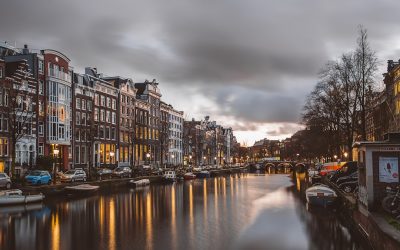
The Dutch canals are a defining feature of the Netherlands, and they hold great historical and cultural significance. These waterways have played a crucial role in the country’s development and continue to be an integral part of Dutch life. In this blog post, we will explore the best kept secrets of the Dutch canals, uncovering hidden gems and lesser-known spots to explore. Whether you’re planning a trip to the Netherlands or simply want to learn more about this unique aspect of Dutch culture, this blog post will provide you with all the information you need. Summary The Dutch canals hold many hidden gems waiting to be discovered. Navigating the picturesque waterways of the Netherlands is a must-do experience. Amsterdam’s canal district is full of surprises and hidden gems. The quaint canal towns of the Netherlands are worth exploring for their charm and beauty. Taking a canal tour is the best way to experience the beauty of the Netherlands. Discovering the Best Kept Secrets of the Dutch Canals While the canals in Amsterdam are undoubtedly popular tourist destinations, there are many hidden gems and lesser-known spots to explore throughout the Netherlands. One such gem is the city of Utrecht, which boasts a beautiful canal system that rivals that of Amsterdam. Utrecht’s canals are lined with charming cafes, boutiques, and historic buildings, making it a perfect place to wander and soak in the atmosphere. Another hidden gem is the town of Leiden, located just a short train ride from Amsterdam. Leiden’s canals are known for their picturesque beauty and tranquility. Take a leisurely stroll along the canals and discover hidden courtyards,...
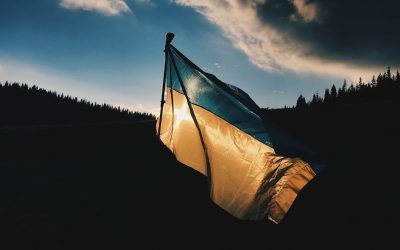
Exploring the Rich Culture and History of Ukraine: A Journey Through the Heart of Eastern Europe.
Ukraine, located in Eastern Europe, is a country with a rich and diverse culture and history. With a population of over 44 million people, Ukraine is the second-largest country in Europe. Throughout its history, Ukraine has been influenced by various cultures and empires, including the Byzantine Empire, Mongols, Polish-Lithuanian Commonwealth, and the Soviet Union. These influences have shaped Ukraine’s identity and contributed to its unique cultural heritage. The culture and history of Ukraine are of great importance to its people. They serve as a source of pride and identity, connecting Ukrainians to their roots and traditions. Ukraine’s cultural heritage is a testament to the resilience and strength of its people, who have endured numerous challenges throughout history. By understanding and appreciating Ukraine’s culture and history, we can gain a deeper understanding of the country and its people. Summary Ukraine is a land of rich culture and history, with a vibrant culture and fascinating history to discover. Exploring Ukraine’s natural beauty is a must, with stunning landscapes and unique flora and fauna. Ukrainian cuisine is a delicious journey, with a mix of traditional and modern dishes to try. Ukrainian art and architecture are a visual delight, with unique styles and influences from different eras. Ukraine’s festivals and celebrations are a colourful experience, with a mix of religious and cultural events throughout the year. Discovering the Vibrant Culture of Ukraine Ukraine is known for its vibrant and diverse cultural traditions. From folk music and dance to traditional dress, Ukrainian culture is rich with unique customs and practices. Folk music plays a significant role in Ukrainian culture, with traditional instruments such as...