Ever wondered what causes those massive ocean waves that can devastate coastlines? The short answer is that tsunamis are typically born from sudden, massive disturbances beneath the ocean’s surface, most commonly earthquakes. It’s not quite like a regular sea swell; it’s a whole different beast.
The vast majority of tsunamis are triggered by seismic activity. We’re not talking about your average tremor that makes your tea rattle; we’re talking about significant earthquakes, usually those that happen deep beneath the seabed.
The Mechanics of a Seafloor Shift
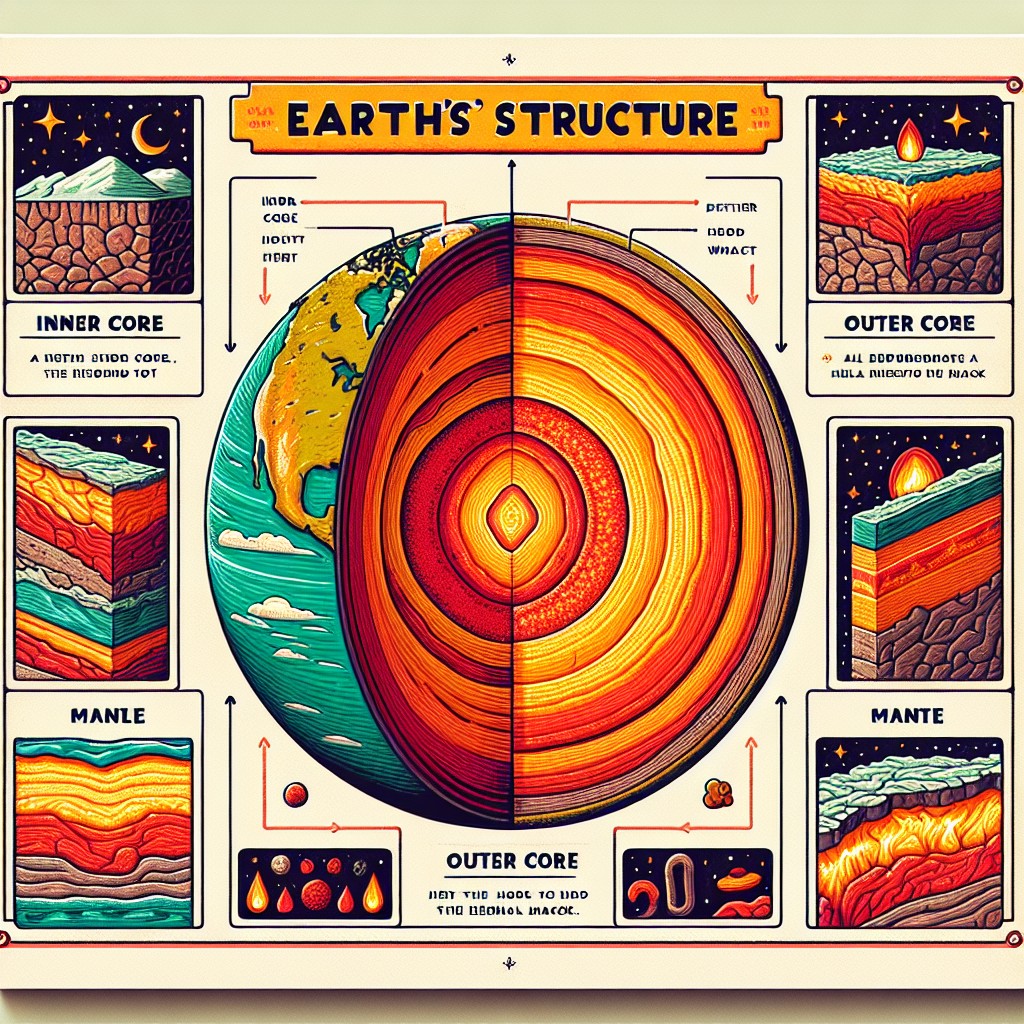
When tectonic plates, the colossal slabs of Earth’s crust that float on the molten mantle beneath, grind against each other, they can get stuck. The stress builds up over time, like stretching a rubber band. Eventually, it snaps. In the case of a powerful earthquake, this snap involves a sudden release of energy, causing the seafloor to move violently.
Vertical Movement is Key
It’s not just any earthquake that will do it. The crucial factor for tsunami generation is vertical displacement. Imagine a section of the seabed suddenly being pushed upwards or dropped downwards by several metres. This abrupt change in the ocean floor directly impacts the water column above it.
Not All Earthquakes Cause Tsunamis
It’s a common misconception that all big earthquakes create tsunamis. Earthquakes that primarily cause horizontal sliding, where the plates move sideways past each other, are less likely to generate a tsunami. The upward or downward jolt is what displaces a huge volume of water and initiates the wave.
Magnitude Matters, But Depth is Crucial Too
While a higher magnitude earthquake generally means more potential energy released, the depth of the earthquake is also a significant factor. A shallow earthquake with a strong vertical component, even if it’s not the absolute highest magnitude, can be far more effective at generating a tsunami than a very deep earthquake with more power. This is because the energy is transferred more directly to the water above.
Beyond Earthquakes: Other Tsunamis Triggers
While earthquakes are the headline act, they aren’t the only way to get a tsunami. Other, less frequent events can also unleash these watery giants.
Volcanic Eruptions Under the Sea
Underwater volcanoes, or those on islands that are suddenly destabilised, can also be powerful tsunami generators. Imagine a massive eruption that causes a volcanic flank to collapse into the ocean, or the explosive expulsion of vast amounts of ash and rock displacing huge volumes of water.
Flank Collapses
Large volcanic islands, often built up over millennia, can become unstable at their edges. If a significant portion of the volcano suddenly slides into the sea, it’s essentially like dropping an enormous amount of material into the water very quickly, which can create a tsunami. The 2018 event at Anak Krakatau is a stark recent example of this.
Pyroclastic Flows
When a volcano erupts violently, it can send superheated clouds of gas, ash, and rock hurtling down its slopes at incredible speeds. If these pyroclastic flows reach the sea, the rapid displacement of water can generate a tsunami.
Submarine Landslides
Just like on land, large masses of rock and sediment on the ocean floor can become unstable and slide downhill. These submarine landslides, especially if they are large and rapid, can move an immense volume of water, triggering a tsunami. Think of it like a massive mudslide happening underwater.
Factors Influencing Landslides
Factors like the slope of the seabed, the type of sediment, and even seismic activity (again!) can contribute to submarine landslides. Sometimes, a smaller earthquake can destabilise an already precarious section of the seafloor, leading to a slide and a subsequent tsunami.
Meteorite Impacts
This is the big, dramatic one that features in disaster movies. While thankfully rare in human history, a large enough meteorite striking the ocean would undoubtedly cause a monumental tsunami. The impact would displace an unimaginable volume of water, sending out massive waves across the globe.
The Scale of Impact
The size of the impactor and the depth of the water would all play a role in the scale of the resulting tsunami. A direct hit in deep ocean would likely generate a far more significant and widespread event than a smaller impact in shallow water.
The Journey of a Tsunami: From Source to Shore
Once a tsunami is generated, it embarks on a long and potentially destructive journey across the ocean.
Different from Normal Waves
It’s important to understand that a tsunami is not like the wind-driven waves you see on the beach every day. Those waves are relatively short and move the surface water. Tsunamis, on the other hand, are characterised by their immense wavelength (the distance between wave crests) and their ability to involve the entire water column, from the seabed to the surface.
Long Wavelength, Low Height at Sea
Out in the deep ocean, a tsunami might have a tragically deceptive appearance. Because they have such long wavelengths, the visible height of the wave can be quite small, perhaps only a metre or so. This means ships in the open ocean might not even notice a tsunami passing underneath them.
High Speed in Deep Water
Despite their low height, tsunamis travel at incredible speeds in the deep ocean, comparable to that of a jet aircraft – often hundreds of kilometres per hour. This speed is a direct consequence of their long wavelength and the depth of the water.
Shoaling Effect: The Danger Zone
As a tsunami approaches shallower coastal waters, the magic (or rather, the physics) happens. This is where the wave’s behaviour dramatically changes, and its destructive potential becomes terrifyingly evident.
Slowing Down and Growing
When the tsunami’s long wavelength encounters the shallower seabed, the wave starts to drag. This friction slows the wave down. However, the energy that was previously spread across the entire water column now has to be contained within a much smaller volume.
Wave Height Increases Dramatically
This compression of energy leads to a dramatic increase in the wave’s height. The once relatively small ripple in the deep ocean can tower over buildings as it slams into the coast. It’s this phenomenon, known as “shoaling,” that makes tsunamis so dangerous to coastal communities.
The “Wall” of Water vs. A Tide
A tsunami often doesn’t arrive as a single, cresting wave in the way you might imagine. Instead, it can present as a rapidly rising tide or a series of powerful surges that can continue for hours.
The Drawback
Sometimes, before the main destructive surge, the sea can appear to recede dramatically, exposing the seabed for a considerable distance. This is known as the “drawback” and is a critical warning sign that a tsunami is imminent. It’s the trough of the wave arriving before the crest.
Multiple Waves
A tsunami is rarely just one wave. They often come in a series, and the first wave is not always the largest. Subsequent waves can arrive minutes or even hours apart, making it dangerous to return to the coast too soon after the initial impact.
Understanding Tsunami Safety
Knowing how tsunamis form and behave is crucial for staying safe if you live in or visit a tsunami-prone area.
Warning Signs
The most immediate natural warning sign of a tsunami is a powerful earthquake accompanied by strong shaking. If you are near the coast and experience severe shaking, consider it an immediate warning to evacuate to higher ground. Also, the unusual and rapid recession of the sea, the drawback, is a significant indicator.
Natural Warnings
Nature often provides clues. Don’t rely solely on man-made warning systems, although they are critical. Learning to recognise these natural signs can buy you precious minutes.
Evacuation Procedures
If you receive a tsunami warning or recognise natural warning signs, the advice is simple but critical: move inland and uphill to higher ground, away from the coast. Don’t wait to see the wave. The faster you move, the safer you will be.
Higher Ground is Key
The primary objective is to get as far away from the immediate coastline and as high above sea level as possible. Understanding the local topography and evacuation routes is essential.
What to Do After a Tsunami
Even after the waves have subsided, the danger isn’t over. Stay informed about official instructions and be aware of potential hazards like damaged infrastructure and contaminated water.
Remaining Dangers
Tsunamis can cause widespread destruction, leading to power outages, gas leaks, and compromised buildings. Be cautious and follow the guidance of emergency services.
The Science Behind the Waves
| Aspect | Details |
|---|---|
| Cause | Usually caused by underwater earthquakes or volcanic eruptions |
| Formation | Energy from the seismic activity displaces water, creating waves |
| Speed | Can travel at speeds of up to 500 miles per hour in open ocean |
| Height | Can reach heights of over 100 feet as they approach the shore |
| Warning | Early warning systems and education are crucial for saving lives |
The study of tsunamis involves a complex interplay of geology, oceanography, and physics. Scientists use a variety of tools and techniques to understand and predict these events.
Seismic Monitoring
Networks of seismometers around the globe constantly monitor Earth’s seismic activity. When a significant earthquake occurs, especially offshore, scientists can quickly determine its magnitude, depth, and location, which are crucial for assessing tsunami potential.
Early Warning Systems
These seismic alerts are the backbone of tsunami early warning systems. By rapidly analysing earthquake data, authorities can issue warnings to coastal communities, giving them time to evacuate.
Oceanographic Buoys
Specialised buoys, often called DART (Deep-ocean Assessment and Reporting of Tsunamis) buoys, are deployed in the ocean. These buoys have sensors that can detect the passage of a tsunami wave, even in the deep ocean where they are barely noticeable.
Detecting and Tracking
When a DART buoy detects a tsunami, it transmits data to shore in real-time, allowing scientists to track the wave’s progress and refine tsunami forecasts. This information is vital for issuing accurate and timely warnings.
Mathematical Modelling
Researchers use sophisticated computer models to simulate tsunami generation, propagation, and inundation. These models take into account factors like earthquake characteristics, seafloor bathymetry (underwater topography), and coastal terrain to predict the potential impact of a tsunami on specific areas.
Predicting Impact Zones
By running these models, scientists can identify the areas most at risk and at what time the tsunami is likely to arrive, allowing for better preparedness and evacuation planning.
In essence, tsunamis are powerful demonstrations of Earth’s dynamic nature. From the immense forces of tectonic plates shifting to the dramatic impact of volcanic activity, the ocean can be a formidable force, and understanding its potential for generating such monumental waves is the first step towards respecting and preparing for them.
FAQs
What is a tsunami?
A tsunami is a series of ocean waves with very long wavelengths (typically hundreds of kilometres) caused by large-scale disturbances of the ocean, such as earthquakes, volcanic eruptions, or underwater landslides.
How do tsunamis form?
Tsunamis can form in several ways, but the most common cause is an undersea earthquake. When the Earth’s crust shifts during an earthquake, it can displace a large volume of water, creating a series of powerful waves that travel across the ocean.
What are the warning signs of a tsunami?
Before a tsunami hits, there are often warning signs such as a noticeable receding of the water from the shoreline, a loud roaring sound coming from the ocean, or the ground shaking from an earthquake. However, not all tsunamis are preceded by these signs, so it’s important to have a tsunami warning system in place.
Where do tsunamis occur most frequently?
Tsunamis occur most frequently in the Pacific Ocean, particularly in the “Ring of Fire” region where tectonic plate boundaries are active. However, they can also occur in other ocean basins around the world.
How can we prepare for a tsunami?
To prepare for a tsunami, it’s important to have an emergency plan in place and to be familiar with evacuation routes and shelter locations. Communities at risk of tsunamis should also have a tsunami warning system and regularly conduct drills to ensure that residents know how to respond in the event of a tsunami.