Explore the World Through Geography, Natural Resources & Daily History
Clear, reliable and engaging guides that help you understand our planet — from UK geography education to global natural resources and On This Day history events.
Explore, discover, and learn about the wonders of our world! At Earth Site, we’re passionate about bringing geography, history, and science to life for curious minds of all ages. Whether you’re delving into historical events, uncovering the mysteries of the natural world, or seeking interactive resources, you’re in the right place.
Here, you can uncover the stories behind historical events, explore the natural wonders of our planet, and gain valuable insights into how the Earth’s systems shape our daily lives. From the towering peaks of mountain ranges to the far-reaching impacts of human innovation, we aim to make every topic both engaging and informative.
Start your journey of discovery with us today, and let’s make learning an adventure!
What We Cover
Earth Site brings together engaging and accessible educational content designed to help you understand the world, its history, and its natural systems.
🌍 Geography Education (UK & Worldwide)
We publish clear, easy-to-understand geography resources for students, teachers and curious learners. Our guides support geography education in the UK and cover physical geography, climate, ecosystems, population, and global development.
⛏️ Natural Resources & Environmental Geography
Explore detailed country profiles covering natural resources, mining, energy, geology and global environmental challenges. We show how nations manage minerals, water, land and ecosystems, and why these resources matter.
📅 On This Day in History
Every day has a story. Our On This Day history series features major events, anniversaries, traditions, and cultural milestones from around the world — with timelines, context, and fun facts.
TIMELINE
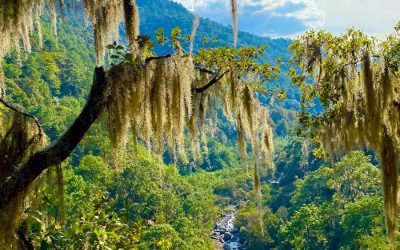
Exploring Georgia’s Rich Flora and Fauna
Georgia, a country nestled at the crossroads of Eastern Europe and Western Asia, boasts an extraordinary array of biodiversity that is both rich and varied. This small yet ecologically significant region is home to a multitude of ecosystems, ranging from the lush subtropical forests along the Black Sea coast to the arid landscapes of the Great Caucasus Mountains. The unique geographical position of Georgia, combined with its diverse climatic conditions, has fostered an environment where numerous species of plants and animals thrive. The country’s biodiversity is not merely a collection of species; it represents a complex web of life that has evolved over millennia, shaped by both natural processes and human influence. The significance of Georgia’s biodiversity extends beyond its borders, as it plays a crucial role in global ecological health. The country is part of the Caucasus biodiversity hotspot, which is recognised for its high levels of endemism and species richness. This region is home to over 6,000 species of vascular plants, many of which are unique to Georgia. Furthermore, the intricate ecosystems found within its national parks and protected areas serve as vital habitats for countless animal species. Understanding and appreciating this biodiversity is essential not only for conservation efforts but also for the cultural identity of the Georgian people, who have long relied on their natural environment for sustenance and inspiration. Summary Georgia is home to a rich and diverse range of flora and fauna, making it a hotspot for biodiversity. The flora of Georgia includes over 4,000 species of plants, with a variety of ecosystems from mountains to wetlands. Georgia’s fauna is equally diverse, with...
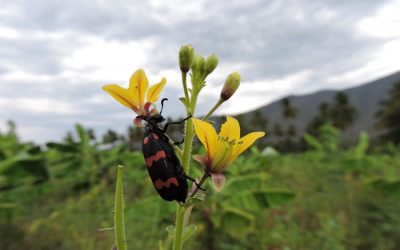
Exploring the Biodiversity of Timor-Leste’s Flora and Fauna
Timor-Leste, a small island nation located in Southeast Asia, is renowned for its remarkable biodiversity, which is a product of its unique geographical position and varied ecosystems. Situated at the confluence of the Indian and Pacific Oceans, the country boasts a rich tapestry of flora and fauna that reflects both its tropical climate and its complex geological history. The island’s diverse habitats range from coastal mangroves and coral reefs to mountainous regions and lush rainforests, each supporting a myriad of species that are often endemic to the region. This biodiversity is not only vital for the ecological balance but also plays a crucial role in the cultural and economic fabric of the nation. The significance of Timor-Leste’s biodiversity extends beyond its natural beauty; it is integral to the livelihoods of local communities. Many Timorese people rely on the land and sea for their sustenance, engaging in agriculture, fishing, and traditional practices that have been passed down through generations. The preservation of this biodiversity is essential not only for maintaining these traditional ways of life but also for ensuring food security and promoting sustainable development. As such, understanding and protecting the unique ecosystems of Timor-Leste is paramount for both environmental health and socio-economic stability. Summary Timor-Leste is home to a rich and diverse range of flora and fauna, making it a hotspot for biodiversity. The unique flora of Timor-Leste includes a variety of orchids, sandalwood trees, and the rarest species of fig trees. The diverse fauna of Timor-Leste includes the critically endangered Timor deer, the Timor python, and a wide range of bird species. Conservation efforts in Timor-Leste are focused...

Exploring the Rich Flora and Fauna of Poland
Poland, a country located in Central Europe, is renowned for its rich and diverse biodiversity, which is a product of its varied landscapes, climatic conditions, and historical influences. The nation boasts a unique blend of ecosystems, ranging from the sandy beaches of the Baltic Sea to the rugged mountains of the Carpathians. This geographical diversity has fostered a wide array of flora and fauna, making Poland a significant area for biodiversity in Europe. The country is home to over 30,000 species of plants and animals, many of which are endemic or have significant populations within its borders. The importance of Poland’s biodiversity extends beyond mere numbers; it plays a crucial role in maintaining ecological balance and supporting human livelihoods. Healthy ecosystems provide essential services such as clean air and water, pollination of crops, and natural pest control. Furthermore, Poland’s rich natural heritage is intertwined with its cultural identity, as many communities rely on local biodiversity for traditional practices, cuisine, and tourism. As such, understanding and preserving this biodiversity is vital not only for environmental sustainability but also for the cultural and economic well-being of the nation. Summary Poland boasts a rich and diverse biodiversity, with a wide range of ecosystems and species. The country is home to rare and endangered species, making conservation efforts crucial. Poland has several national parks and protected areas that showcase its natural beauty and wildlife. Birdwatching and wildlife tours offer unique opportunities to observe Poland’s diverse bird species and other wildlife. Exploring Poland’s forests and wetlands provides a chance to experience the country’s natural landscapes and diverse flora and fauna. The Diverse Ecosystems of...
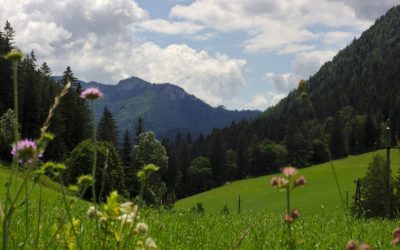
Exploring the Flora and Fauna of Liechtenstein
Nestled between Switzerland and Austria, the Principality of Liechtenstein is a small yet ecologically rich country that boasts a remarkable diversity of flora and fauna. Despite its modest size of just 160 square kilometres, the landscape is characterised by a variety of habitats, ranging from alpine meadows and forests to river valleys and rocky outcrops. This geographical diversity contributes to a unique ecosystem that supports numerous species, some of which are endemic or rare. The country’s commitment to preserving its natural heritage is evident in its conservation policies and the establishment of protected areas, making it a significant player in the realm of biodiversity conservation in Europe. Liechtenstein’s biodiversity is not merely a backdrop to its picturesque scenery; it plays a crucial role in the ecological balance and the well-being of its inhabitants. The intricate web of life found within its borders is essential for maintaining ecosystem services such as pollination, water purification, and soil fertility. Furthermore, the rich biodiversity contributes to the cultural identity of the nation, influencing local traditions, cuisine, and even economic activities such as tourism and agriculture. Understanding and appreciating this biodiversity is vital for fostering a sense of stewardship among residents and visitors alike. Summary Liechtenstein boasts a rich biodiversity, with a diverse range of flora and fauna. The country is home to over 1,000 species of plants, including rare alpine flowers and medicinal herbs. Liechtenstein’s fauna includes a variety of mammals, birds, reptiles, and amphibians, such as the red deer and the golden eagle. Conservation efforts in Liechtenstein focus on preserving natural habitats and protecting endangered species. Visitors can explore the country’s stunning...
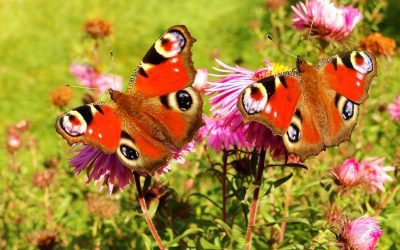
Exploring the Flora and Fauna of the UK
The United Kingdom boasts a rich tapestry of flora and fauna, shaped by its varied landscapes, climate, and human influence over centuries. From the rugged highlands of Scotland to the gentle rolling hills of the English countryside, the UK is home to an impressive array of plant and animal species. The geographical isolation of the islands has allowed for the evolution of unique species, while the temperate maritime climate provides a conducive environment for diverse ecosystems to flourish. This intricate web of life is not only a testament to nature’s resilience but also a vital component of the UK’s cultural heritage. The flora of the UK is characterised by a mix of native and introduced species, with over 1,500 types of flowering plants recorded. The landscape is dotted with ancient woodlands, heathlands, wetlands, and grasslands, each supporting distinct communities of plants and animals. The fauna is equally diverse, with mammals, birds, reptiles, amphibians, and countless invertebrates inhabiting various niches. This biodiversity is crucial for maintaining ecological balance and providing essential services such as pollination, pest control, and soil fertility. Understanding the intricate relationships between these species and their habitats is fundamental to appreciating the natural heritage of the UK. Summary The UK is home to a diverse range of flora and fauna, from ancient woodlands to coastal habitats. The iconic wildlife of the UK includes species such as red deer, red squirrels, and puffins. Endangered species in the UK include the Scottish wildcat and the European eel. Conservation efforts and wildlife reserves play a crucial role in protecting the UK’s natural heritage. Unique plant species in the UK include...
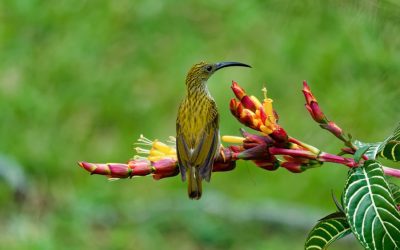
Exploring the Biodiversity of Papua New Guinea
Papua New Guinea (PNG) is a nation renowned for its extraordinary biodiversity, which is among the richest in the world. Situated in the southwestern Pacific Ocean, this archipelago comprises the eastern half of the island of New Guinea and numerous smaller islands. The country’s unique geographical position, coupled with its varied topography and climate, has fostered an environment where an astonishing array of species thrives. PNG is home to over 20,000 plant species, 3,000 species of fish, and 1,200 species of birds, many of which are endemic to the region. This remarkable diversity is not merely a statistic; it represents a complex web of life that has evolved over millions of years, shaped by the island’s isolation and diverse habitats. The significance of PNG’s biodiversity extends beyond its sheer numbers; it plays a crucial role in the ecological balance of the region and provides vital resources for local communities. The forests, rivers, and marine environments are not only home to countless species but also serve as a source of food, medicine, and cultural identity for the indigenous populations. The intricate relationships between species and their habitats underscore the importance of preserving this biodiversity, as it is integral to the health of ecosystems and the livelihoods of those who depend on them. Summary Papua New Guinea is home to a rich and diverse range of flora and fauna, making it one of the most biodiverse countries in the world. The unique ecosystems and habitats in Papua New Guinea, such as rainforests, coral reefs, and mangroves, support a wide variety of plant and animal species. Conservation efforts in Papua New Guinea...

Exploring the Flora and Fauna of Saint Lucia
Saint Lucia, a gem nestled in the Caribbean, is renowned not only for its stunning landscapes and vibrant culture but also for its remarkable biodiversity. This island, part of the Lesser Antilles, boasts a unique blend of ecosystems that support a wide array of plant and animal species. The geographical isolation of Saint Lucia has led to the evolution of many endemic species, making it a hotspot for biodiversity. The island’s varied topography, which includes mountains, rainforests, and coastal areas, creates diverse habitats that are home to an impressive range of flora and fauna. The rich biodiversity of Saint Lucia is not merely a backdrop to its natural beauty; it plays a crucial role in the ecological balance of the region. The island’s ecosystems provide essential services such as carbon sequestration, water purification, and soil fertility. Furthermore, the intricate relationships between species contribute to the resilience of these ecosystems against environmental changes. Understanding and appreciating this biodiversity is vital for both conservation efforts and sustainable development, as it underpins the livelihoods of local communities and the overall health of the planet. Summary Saint Lucia is home to a rich and diverse range of flora and fauna, making it a paradise for nature lovers and conservationists. The unique flora of Saint Lucia includes over 1,000 species of plants, many of which are endemic to the island and can be found in the lush rainforests and coastal areas. The diverse fauna of Saint Lucia includes a variety of mammals, reptiles, amphibians, and insects, with highlights such as the Saint Lucia parrot and the Saint Lucia whiptail lizard. Exploring the rainforests of...
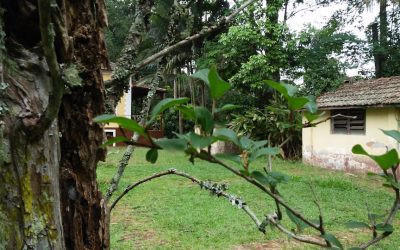
Exploring the Wildlife of Gabon
Gabon, a small yet ecologically rich country located on the west coast of Central Africa, is often referred to as one of the last true wildernesses on the planet. With approximately 80% of its land covered by dense rainforest, Gabon boasts an extraordinary array of wildlife and biodiversity that is both unique and vital to the health of the planet’s ecosystems. The country is home to a variety of habitats, including coastal mangroves, savannahs, and mountainous regions, each supporting a distinct set of flora and fauna. This remarkable diversity makes Gabon a focal point for conservationists and wildlife enthusiasts alike. The wildlife of Gabon is not only abundant but also includes many species that are endemic to the region. The country’s commitment to preserving its natural heritage has led to the establishment of numerous national parks and reserves, which serve as sanctuaries for its diverse animal populations. Gabon’s wildlife is a testament to the intricate balance of nature, where each species plays a crucial role in maintaining ecological stability. As we delve deeper into the ecosystems and species that inhabit this remarkable country, it becomes evident that Gabon’s wildlife is not merely a collection of animals but a complex web of life that deserves our attention and protection. Summary Gabon is home to a diverse range of wildlife, making it a prime destination for nature enthusiasts and wildlife lovers. The ecosystems in Gabon range from dense rainforests to coastal mangroves, providing habitats for a wide variety of animal species. Unique animal species in Gabon include forest elephants, lowland gorillas, and mandrills, offering visitors a chance to see these rare...
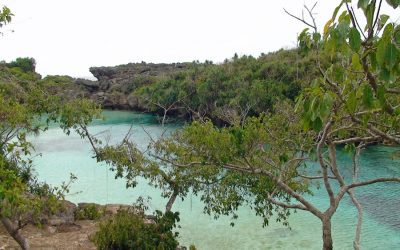
Exploring the Wildlife of Tokelau
Tokelau, a remote territory of New Zealand, is composed of three atolls: Atafu, Nukunonu, and Fakaofo. Nestled in the heart of the South Pacific Ocean, this small archipelago is not only known for its stunning landscapes and rich cultural heritage but also for its unique wildlife. The isolation of Tokelau has fostered a distinctive ecosystem, where both terrestrial and marine species thrive in a delicate balance. The wildlife here is a reflection of the region’s tropical climate, with its warm temperatures and abundant rainfall creating an ideal environment for various species to flourish. The biodiversity of Tokelau is particularly noteworthy given its limited land area and the challenges posed by climate change. The atolls are surrounded by vibrant coral reefs that support a plethora of marine life, while the islands themselves are home to a variety of bird species and a few land animals. The wildlife of Tokelau is not only significant for ecological reasons but also plays an essential role in the cultural identity of the local communities. Traditional practices and beliefs are often intertwined with the natural world, making the preservation of this wildlife crucial for both environmental and cultural sustainability. Summary Tokelau is home to a diverse range of wildlife, both on land and in the surrounding marine environment. The marine life in Tokelau is abundant and includes a variety of fish, sharks, and coral reefs. Tokelau is a haven for bird species, with a number of seabirds and land birds making their home on the islands. While there are limited land animals in Tokelau, the islands are home to a variety of insects and other...
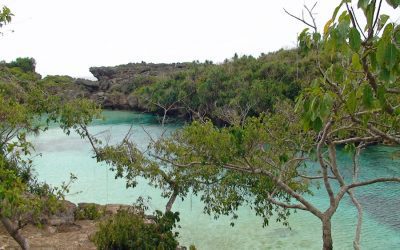
Exploring the Biodiversity of Palau: The Flora and Fauna
Palau, an archipelago located in the western Pacific Ocean, is renowned for its extraordinary biodiversity, which encompasses a rich tapestry of flora and fauna. Comprising over 500 islands, this small nation is part of the Micronesian region and boasts a unique blend of ecosystems, ranging from lush tropical forests to vibrant coral reefs. The geographical isolation of Palau has fostered the evolution of numerous species, many of which are not found anywhere else in the world. This remarkable biodiversity is not only a source of national pride but also plays a crucial role in the ecological balance of the region. The biodiversity of Palau is underpinned by its varied habitats, which include mangroves, seagrass beds, and limestone forests. These ecosystems provide essential services such as carbon sequestration, water filtration, and habitat for countless species. The intricate relationships between these habitats and their inhabitants highlight the importance of preserving this natural wealth. As global awareness of environmental issues grows, Palau stands as a beacon of hope for biodiversity conservation, showcasing the delicate interplay between human activity and nature. Summary Palau is home to a rich and diverse range of flora and fauna, making it a hotspot for biodiversity in the Pacific region. The unique flora of Palau includes a variety of endemic plant species, such as the giant taro and the ngasech flower, which are found nowhere else in the world. Palau’s diverse fauna includes a wide array of marine life, such as sharks, rays, and sea turtles, as well as unique bird species like the Palau fantail and the Palau owl. The islands of Palau are home to a...
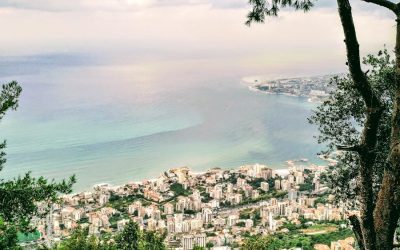
Exploring Lebanon’s Rich Flora and Fauna
Lebanon, a small yet remarkably diverse country located at the crossroads of the Mediterranean and the Middle East, boasts a rich tapestry of biodiversity that is both unique and vital to the region’s ecological health. Spanning an area of approximately 10,452 square kilometres, Lebanon’s varied topography includes coastal plains, mountain ranges, and fertile valleys, each contributing to a wide array of habitats. This geographical diversity, combined with a Mediterranean climate characterised by wet winters and dry summers, creates an environment where numerous species of plants and animals can thrive. The country is home to over 2,500 species of plants, many of which are endemic, as well as a plethora of animal species that inhabit its forests, mountains, and marine environments. The significance of Lebanon’s biodiversity extends beyond its borders; it plays a crucial role in maintaining ecological balance and supporting local communities. The rich natural resources found within Lebanon’s ecosystems provide essential services such as clean air and water, soil fertility, and climate regulation. Furthermore, the cultural heritage of Lebanon is deeply intertwined with its natural environment, as many communities rely on traditional practices that depend on the sustainable use of local flora and fauna. However, this delicate balance is increasingly threatened by various anthropogenic factors, making it imperative to understand and protect Lebanon’s unique biodiversity. Summary Lebanon is home to a rich and diverse range of flora and fauna, making it a hotspot for biodiversity in the Middle East. The diverse flora of Lebanon includes over 2,600 plant species, with a high number of endemic species found in the country’s unique ecosystems. Lebanon’s unique fauna includes a variety...
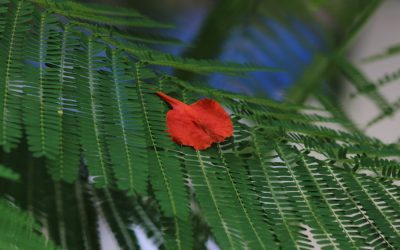
Exploring the Rich Biodiversity of Micronesia
Micronesia, a region comprising thousands of small islands scattered across the western Pacific Ocean, is renowned for its extraordinary biodiversity. This archipelago, which includes nations such as Palau, the Federated States of Micronesia, and the Marshall Islands, boasts a unique blend of terrestrial and marine ecosystems that support a rich array of flora and fauna. The geographical isolation of these islands has fostered the evolution of numerous species, many of which are found nowhere else on Earth. The intricate interplay between the islands’ diverse habitats and their climatic conditions has resulted in a vibrant tapestry of life that is both fascinating and fragile. The biodiversity of Micronesia is not merely a collection of species; it represents a complex web of ecological relationships that sustain the environment and the communities that inhabit it. From lush tropical forests to vibrant coral reefs, the region’s ecosystems are vital for maintaining ecological balance and providing essential resources for local populations. However, this rich biodiversity is increasingly under threat from various anthropogenic pressures, making it imperative to understand and protect these unique ecosystems. The following sections will delve into the terrestrial and marine ecosystems of Micronesia, explore its endemic species, examine the threats to its biodiversity, and highlight ongoing conservation efforts. Summary Micronesia is home to a rich and diverse range of flora and fauna, making it a hotspot for biodiversity in the Pacific region. The terrestrial ecosystems of Micronesia include lush rainforests, mangrove forests, and unique limestone forests, providing habitats for a wide variety of plant and animal species. The marine biodiversity in Micronesia is incredibly diverse, with vibrant coral reefs, sea grass...