So, why is Sweden really making waves when it comes to clean energy? It boils down to a few core things: a genuinely long-term vision, smart investments, and a public that’s pretty much on board. They’ve been actively working towards reducing their reliance on fossil fuels for decades, not just as a trendy idea, but as a fundamental part of their national strategy. This isn’t just about ticking boxes; it’s about creating a sustainable future and a robust economy. It’s a multi-faceted approach, and the results speak for themselves.
Sweden’s journey towards a clean energy economy isn’t an overnight success story. It’s built on a foundation of historical resourcefulness and a deep understanding of their environment. Think about it – for centuries, Sweden has relied heavily on its natural resources, from forests for timber and paper to its abundant water for hydroelectric power. This inherent connection to the land fostered an early appreciation for managing these resources wisely.
Hydroelectric Power: The Backbone
- One of the earliest and most significant contributors to Sweden’s clean energy mix is hydroelectric power. The country’s numerous rivers and lakes have been harnessed for electricity generation for over a century. This provided a reliable and largely emission-free source of power, laying a crucial groundwork for later renewable energy expansion.
- While the most significant expansion of hydropower happened in the mid-20th century, Sweden has been careful to manage its existing facilities. The focus now often shifts to increasing efficiency and minimising environmental impact rather than building vast new dams.
Nuclear Power: A Controversial but Clean Component
- Sweden’s approach to nuclear power is a bit more complex. It was a deliberate policy choice made in the latter half of the 20th century to secure a stable, low-carbon electricity supply, especially as they moved away from oil. At its peak, nuclear power was Sweden’s largest single source of electricity.
- While nuclear power generates no direct greenhouse gas emissions during operation, its inclusion in the ‘clean energy’ narrative is often debated due to waste disposal and safety concerns. However, from a climate perspective, it has played a significant role in reducing Sweden’s carbon footprint compared to countries heavily reliant on coal or gas.
- The political landscape around nuclear power in Sweden has shifted over time. There have been phases of expansion, followed by plans for phase-outs. Currently, there is a renewed discussion about potentially extending the life of existing plants and even exploring new nuclear technologies, highlighting the ongoing pragmatism in their energy policy.
Embracing the Wind and Sun
While hydropower and nuclear power provided a solid foundation, Sweden has actively embraced wind and solar power as essential components of its modern clean energy strategy. This transition hasn’t been without its challenges, but the country has shown remarkable adaptability and commitment.
Wind Power’s Surge
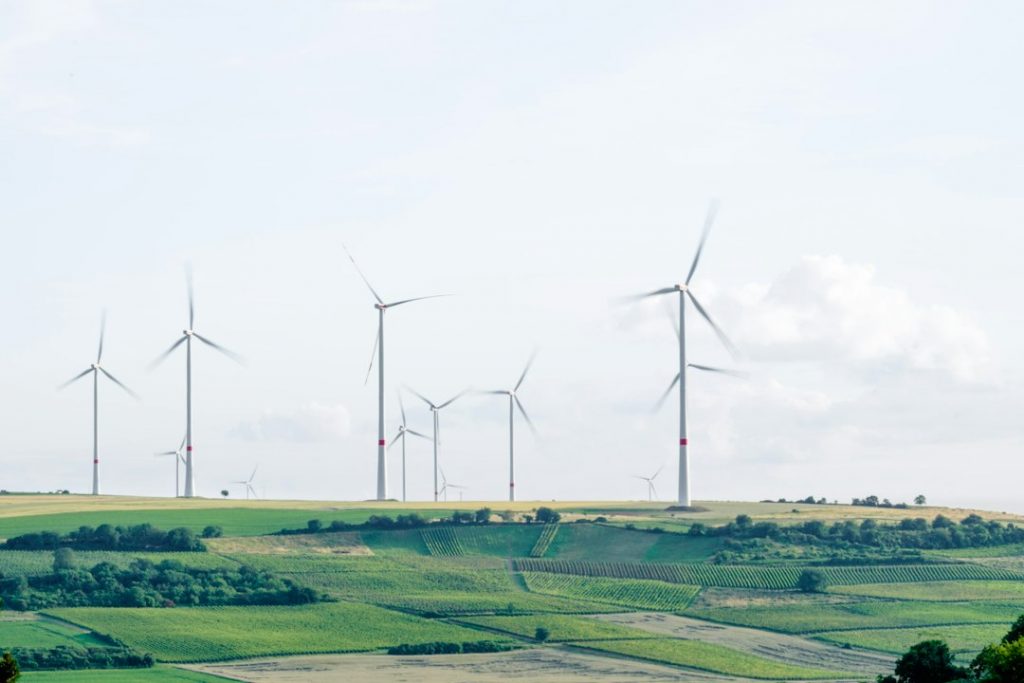
- The last couple of decades have seen a dramatic increase in wind power capacity across Sweden. Both onshore and offshore wind farms are now significant contributors to the national grid.
- Sweden’s geography, particularly its long coastline and sparsely populated northern regions, makes it ideal for wind energy. The prevailing winds offer a consistent source of power, and technological advancements have made wind turbines more efficient and cost-effective.
- Government policies and private investment have fuelled this growth. Incentives, streamlined permit processes, and a strong commitment to renewable energy targets have all played a role in making wind power a cornerstone of Sweden’s clean energy future.
The Growing Role of Solar
- While wind power has historically dominated Sweden’s growth in renewables, solar power is steadily gaining traction. The declining costs of solar panels and increased efficiency are making solar installations increasingly viable, even in a country with less intense sunshine than some others.
- You’ll see solar panels cropping up on residential rooftops, commercial buildings, and even in larger solar farms. This distributed generation model helps to diversify the energy supply and reduce reliance on large, centralised power plants.
- The potential for solar is still being explored, and as battery storage technology improves, the intermittency of solar power will become less of a challenge. Sweden is actively investing in research and development in this area.
Smart Grid and Energy Efficiency: The Unsung Heroes
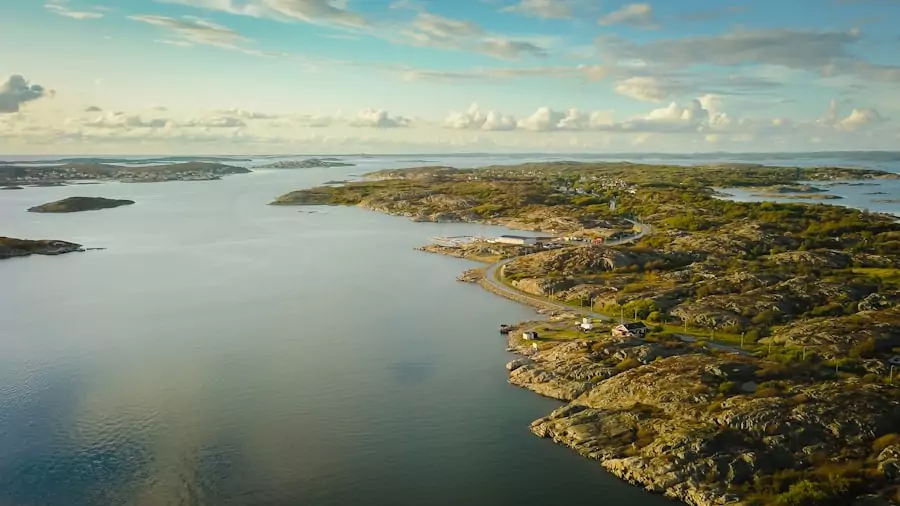
Beyond just generating clean energy, Sweden excels at how it uses and manages that energy. This focus on efficiency and smart infrastructure is a critical reason why their overall energy economy is so clean. It’s about getting the most out of every kilowatt-hour.
The Intelligence of the Grid
- Sweden has invested heavily in modernising its electricity grid, transforming it into a “smart grid.” This means the grid is now capable of two-way communication, allowing for better management of supply and demand in real-time.
- Smart meters are ubiquitous, giving consumers more control and information about their energy usage. This data helps grid operators to predict demand more accurately, reducing the need for backup power generation that might otherwise be fossil-fuel based.
- The smart grid also facilitates the integration of more distributed renewable energy sources, like rooftop solar. It can handle fluctuations more effectively, ensuring a stable and reliable power supply even with a higher proportion of intermittent renewables.
Efficiency as a Priority
- A core tenet of Swedish energy policy is energy efficiency. This isn’t just about individual choices; it’s ingrained in building codes, industrial standards, and public awareness campaigns.
- Their buildings, both new and existing, are designed and retrofitted to be incredibly energy efficient. This includes advanced insulation, efficient windows, and smart heating and cooling systems. This drastically reduces the demand for electricity and heating in the first place.
- In industry, Sweden has been a leader in adopting cleaner production methods and optimising energy use in manufacturing processes. This often involves investing in new, more efficient technologies and implementing energy management systems.
District Heating and Cooling: A Geographically Smart Solution
One of the standout features of Sweden’s clean energy system is its widespread adoption of district heating and cooling networks. This is a highly efficient and environmentally friendly way to provide heat and coolness to large populations, especially in urban areas.
The Power of Centralised Systems
- District heating involves a central plant that generates heat, often from a mix of renewable sources (like biomass or waste incineration) and sometimes combined heat and power (CHP) plants. This heat is then distributed through a network of underground insulated pipes to buildings.
- This system is far more efficient than individual heating systems in each building, as a large, optimised plant can be more efficient than many smaller ones. It also allows for the use of a wider variety of heat sources, many of which are low-carbon.
- The waste-to-energy aspect is particularly noteworthy. Sweden incinerates a significant amount of its non-recyclable waste, and the heat generated from this process is harnessed for district heating. This not only provides energy but also helps manage waste effectively and reduces landfill.
Cooling Networks Too
- Similarly, district cooling systems use a central plant to generate chilled water, which is then piped to buildings for air conditioning. This is another way to achieve economies of scale and use more efficient cooling technologies.
- These networks often utilise natural cooling sources when available, such as seawater or cold groundwater, further reducing energy consumption.
- The integration of heating and cooling networks often leads to synergistic benefits, allowing for more optimised operation and energy recovery.
Policy and Public Support: The Driving Forces
| Metrics | Data |
|---|---|
| Renewable Energy Sources | 54.6% of energy production |
| Carbon Emissions | 8.5 tonnes per capita |
| Hydropower | 40% of electricity production |
| Nuclear Power | 34% of electricity production |
| Wind Power | 12% of electricity production |
It’s impossible to talk about Sweden’s clean energy success without acknowledging the crucial role of forward-thinking policies and strong public backing. These two elements create a fertile ground for sustainable development.
Long-Term Political Vision
- Sweden has consistently demonstrated a long-term commitment to climate goals and renewable energy development, often predating widespread international pressure. This consistent political will has provided stability for investments in clean technologies.
- The government has implemented various policy mechanisms to encourage the transition, including carbon taxes, renewable energy subsidies, and ambitious emissions reduction targets. These policies create a clear economic incentive for businesses and individuals to adopt cleaner energy solutions.
- There’s a strong emphasis on research and development. Significant funding is allocated to exploring new clean energy technologies, improving existing ones, and understanding energy systems more deeply.
Public Engagement and Acceptance
- As mentioned earlier, there’s a general societal awareness and acceptance of environmental issues in Sweden. This translates into public support for policies that promote clean energy and conservation.
- Environmental education is a significant part of the curriculum, fostering a generation that understands the importance of sustainability. This creates a demand for clean energy and a willingness to embrace new technologies.
- While there can be local debates about specific projects (like wind farms), the overarching consensus on the need for a clean energy future remains strong. This public buy-in is essential for overcoming some of the hurdles associated with large-scale infrastructure changes.
Innovations and Future Outlook
Sweden is not resting on its laurels. The country continues to be at the forefront of energy innovation, continually seeking new ways to improve its energy system and further reduce its environmental impact.
Hydrogen’s Potential
- Sweden is actively exploring the potential of green hydrogen, produced using renewable electricity. This hydrogen can be used as a clean fuel for transportation, industry, and even for energy storage.
- Several pilot projects are underway, aiming to develop the infrastructure and technologies needed for a hydrogen economy. This includes the production of hydrogen, its storage, and its distribution.
Advanced Battery Storage
- As the share of intermittent renewables like wind and solar increases, energy storage solutions become paramount. Sweden is investing in and developing advanced battery technologies to store excess electricity and release it when needed.
- This is crucial for grid stability and ensuring a reliable power supply, even when the wind isn’t blowing or the sun isn’t shining.
Continued Decarbonisation of Industry
- The Swedish industrial sector, historically a significant energy consumer, is a key focus for decarbonisation. Beyond efficiency measures, companies are increasingly looking at electrifying processes and utilising renewable fuels and hydrogen.
- This requires significant innovation and investment, but Sweden’s commitment to its industrial base means they are working to ensure its long-term sustainability.
In essence, Sweden’s success in creating one of the world’s cleanest energy economies is a testament to a holistic strategy. It’s a blend of historical foresight, strategic policy, continuous innovation, and a shared societal commitment to a sustainable future. They’ve proven that a low-carbon economy isn’t just achievable, but can also be a driver of economic prosperity and a higher quality of life.
FAQs
What is Sweden’s energy mix and how does it contribute to its clean energy economy?
Sweden’s energy mix is primarily made up of renewable energy sources, with over 50% of its energy coming from hydropower. In addition, Sweden also relies on nuclear power and a growing share of wind and solar energy. This mix of renewable and low-carbon energy sources contributes to Sweden’s status as one of the world’s cleanest energy economies.
How has Sweden managed to reduce its carbon emissions in recent years?
Sweden has managed to reduce its carbon emissions by investing in renewable energy sources, improving energy efficiency in industries and buildings, and implementing policies to promote sustainable transportation. Additionally, Sweden has implemented a carbon tax and has set ambitious targets for reducing emissions, which has further contributed to its success in reducing carbon emissions.
What role does government policy play in Sweden’s clean energy economy?
Government policy has played a crucial role in Sweden’s clean energy economy. The Swedish government has implemented policies to promote renewable energy, such as feed-in tariffs and investment incentives. Additionally, Sweden has a carbon tax and has set ambitious targets for reducing emissions, which has further contributed to its success in reducing carbon emissions.
How does Sweden compare to other countries in terms of clean energy production?
Sweden is a global leader in clean energy production, with over 50% of its energy coming from renewable sources. This puts Sweden ahead of many other countries in terms of clean energy production. Additionally, Sweden has one of the lowest carbon emissions per capita in the world, further solidifying its position as one of the world’s cleanest energy economies.
What are some challenges Sweden faces in maintaining its clean energy economy?
Despite its success in clean energy production, Sweden still faces challenges in maintaining its clean energy economy. One challenge is the intermittency of renewable energy sources, such as wind and solar, which can pose challenges for energy supply. Additionally, there is a need for continued investment in infrastructure and technology to support the transition to a fully sustainable energy system.