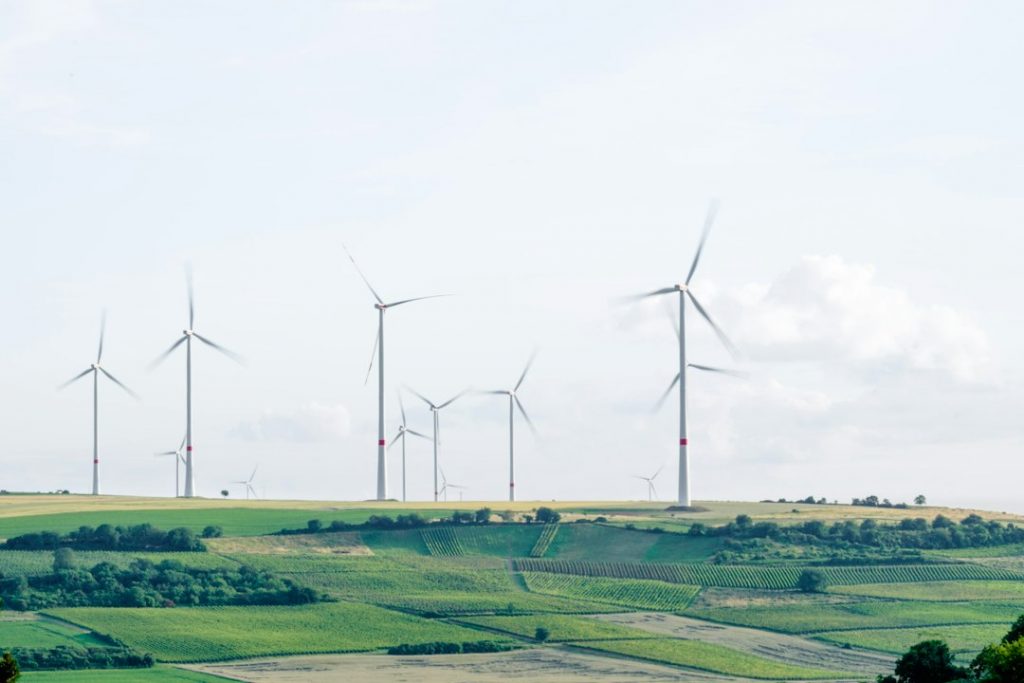
Denmark’s dominance in wind energy didn’t happen overnight. It’s a story built on a blend of foresight, a commitment to renewable energy, and a pragmatic approach to overcoming challenges. So, how did this relatively small Nordic country become a global leader in harnessing the power of the wind? It boils down to a series of deliberate choices and a persistent effort to foster innovation and infrastructure.
Denmark’s journey into wind power started not with grand government mandates, but with a grassroots movement and a healthy dose of necessity. In the 1970s, the oil crises hit hard, forcing many nations to rethink their energy sources. Denmark, with its limited domestic fossil fuel reserves, was particularly vulnerable.
The Influence of the Oil Crises
The oil shocks of 1973 and 1979 were a wake-up call. Suddenly, reliance on imported oil felt precarious. This period fostered a public consciousness about energy security and the need for alternatives. While other countries were focused on nuclear power, a segment of the Danish population began looking towards the wind.
A Groundswell of Local Initiative
It wasn’t just government policy driving the initial push. A significant portion of the early wind development was driven by ordinary citizens and local communities. Small groups of individuals, concerned about energy independence and environmental impact, started experimenting with building their own wind turbines. These were often small, relatively simple machines, but they were a vital proof of concept.
The Rise of Cooperative Wind Farms
These early community efforts evolved into what became known as “cooperative wind farms.” Think of it like a neighbourhood pooling resources to invest in a larger turbine. This model was incredibly successful. It democratised the ownership of renewable energy, ensuring that the benefits were shared locally, and fostered a strong sense of collective buy-in. This wasn’t just about generating electricity; it was about local empowerment and building a tangible link to a cleaner future.
Strategic Policy for Sustainable Growth
While grassroots movements laid the foundation, sustained growth required intelligent policy. Denmark’s governments, across different political spectrums, recognised the potential of wind energy and implemented a series of supportive measures.
Feed-in Tariffs and Guaranteed Prices
A key element was the introduction of feed-in tariffs. In essence, this meant that anyone generating electricity from a renewable source, like a wind turbine, was guaranteed a fixed, favourable price for the electricity they fed back into the national grid. This provided crucial financial certainty for investors and developers, making wind power a viable and attractive business proposition. It took away a lot of the market risk that often hinders nascent technologies.
Tax Incentives and Amortisation Periods
Beyond feed-in tariffs, tax incentives played a role. These could include things like accelerated depreciation rules, allowing businesses to write off the cost of wind turbines more quickly, or exemptions from certain energy taxes. These measures helped to reduce the upfront cost and improve the economic case for wind energy projects.
Long-Term Planning and Targets
Crucially, Danish policy wasn’t just about short-term fixes. Successive governments set ambitious, long-term targets for renewable energy deployment. This signalled a commitment to the sector, encouraging sustained investment and innovation. It provided a clear roadmap for the industry to follow, fostering confidence and directing resources effectively.
Cultivating a Strong Domestic Industry
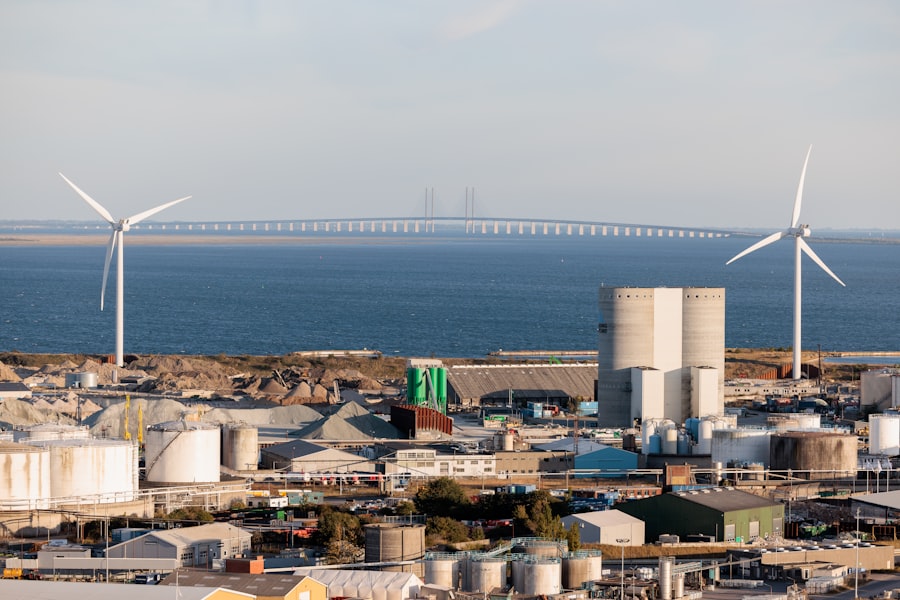
Denmark didn’t just import wind turbines; it nurtured its own. A concerted effort was made to build a robust domestic wind energy industry, from manufacturing to installation and maintenance.
The Birth of Vestas and Other Manufacturers
This focus on domestic industry led to the rise of global giants like Vestas Wind Systems. Starting from a family-owned business, Vestas became a pioneering force in turbine design and manufacturing. The company’s success was intrinsically linked to the supportive domestic market, allowing them to refine their technology and scale up production. Other Danish companies also emerged, creating a competitive and innovative ecosystem.
Building Expertise in Turbine Technology
The early adoption and continuous development meant that Denmark became a hotbed for wind turbine technology expertise. Danish engineers and technicians developed a deep understanding of turbine design, aerodynamics, and grid integration. This intellectual capital became a valuable export, as Danish companies and experts were sought after globally.
Developing a Skilled Workforce
Creating a wind energy superpower requires more than just factories and engineers. It necessitates a skilled workforce across the entire value chain. Denmark invested in education and training programs to ensure there were enough qualified people to design, build, install, operate, and maintain wind farms. This focus on human capital was a critical, often overlooked, component of their success.
Integrating Wind into the Grid: The Technical Challenge
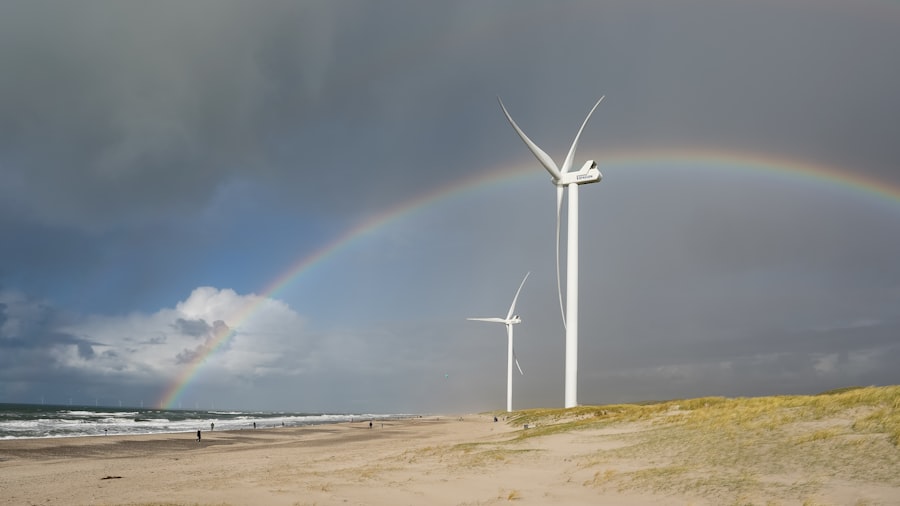
One of the biggest hurdles for any country with high levels of wind power is integrating this variable energy source into the electricity grid. Denmark tackled this head-on.
Pioneering Grid Management Technologies
Denmark has been at the forefront of developing sophisticated grid management technologies. Since wind power generation fluctuates with the weather, the grid needs to be able to handle these variations. This involves advanced forecasting systems, smart grid solutions, and the ability to quickly ramp up or down other power sources when needed.
The Role of Energy Storage (and its Evolution)
While not always spoken about as prominently as turbine manufacturing, energy storage has always been a critical consideration. Early on, Denmark relied heavily on interconnections with neighbouring countries, using their grids as a form of virtual storage. As technology progressed, so did the focus on actual battery storage and other storage solutions to further stabilise the grid and maximise the use of wind energy.
Cross-Border Interconnections for Stability
Denmark’s strategic location and its neighbours’ own renewable energy ambitions meant that robust cross-border grid interconnections were vital. These connections allow Denmark to export excess wind power when it’s abundant and import power when wind generation is low. This symbiotic relationship with neighbouring grids has been instrumental in Denmark’s ability to achieve high penetration of wind power without compromising grid stability.
A Forward-Looking Approach to Offshore Wind
| Year | Wind Energy Capacity (MW) | Percentage of Total Energy |
|---|---|---|
| 2000 | 2,136 | 15% |
| 2010 | 3,752 | 28% |
| 2020 | 6,146 | 47% |
Denmark didn’t stop at onshore wind farms. They recognised the immense potential of offshore wind and became early pioneers in this complex and capital-intensive sector.
The World’s First Offshore Wind Farm
In 1991, Denmark commissioned Vindeby, the world’s first offshore wind farm. While small by today’s standards (just five turbines with a total capacity of just 4.9 MW), it was a groundbreaking demonstration of what was possible. This pioneering project provided invaluable real-world data and experience, paving the way for much larger and more ambitious offshore developments.
Overcoming Technical and Economic Hurdles
Building wind farms at sea presents unique challenges: harsh weather conditions, complex foundations, and the significant cost of installation and maintenance. Denmark’s approach was iterative and problem-solving. They learned from each project, refining turbine designs, foundation techniques, and installation methods. This iterative process, coupled with supportive government policies, made offshore wind increasingly viable.
Large-Scale Projects Driving Down Costs
The subsequent development of large-scale offshore wind farms, such as Horns Rev and Anholt, has been crucial in driving down the cost of offshore wind electricity. As projects grew in size, economies of scale kicked in, leading to more efficient manufacturing processes, improved installation techniques, and ultimately, more competitive pricing. This has made offshore wind a key pillar of Denmark’s energy strategy and a model for other nations.
The Export of Expertise and Technology
Denmark’s success in wind energy hasn’t just benefited the country internally; it has made them a global exporter of knowledge, technology, and services.
Global Leadership in Offshore Wind Development
Danish companies are now leading the development of some of the world’s largest and most advanced offshore wind farms. Their expertise in project planning, engineering, and consenting processes is highly sought after. This translates into significant economic benefits for Denmark through job creation and export revenue.
Transfer of Knowledge and Best Practices
The lessons learned in Denmark about policy development, grid integration, and industry building are being shared and adopted around the world. Danish policymakers and industry leaders often act as advisors to other countries looking to develop their own wind energy sectors. This knowledge transfer is a testament to the depth and breadth of Denmark’s experience.
Continued Innovation and Research
The commitment to wind energy in Denmark extends to ongoing research and development. Universities and research institutions continue to push the boundaries of what’s possible, exploring new turbine designs, materials, and grid integration solutions. This continuous pursuit of innovation ensures that Denmark remains at the cutting edge of wind energy technology and keeps its competitive edge in the global market.
In conclusion, Denmark’s journey to becoming a wind energy superpower is a compelling case study in how a combination of early foresight, strategic policy, domestic industry development, and a willingness to tackle complex technical challenges can lead to remarkable success. It’s a story that started with a few visionary individuals and local communities and blossomed into a national and international triumph, proving that a commitment to renewable energy can pay significant dividends.
FAQs
1. What factors contributed to Denmark becoming a global wind energy superpower?
Denmark’s commitment to renewable energy, favorable government policies, and early investment in wind technology have all played a significant role in the country’s rise as a global wind energy leader.
2. How much of Denmark’s energy comes from wind power?
As of 2020, approximately 47% of Denmark’s electricity consumption is covered by wind power, making it a significant contributor to the country’s energy mix.
3. What are some of the key innovations in wind energy that have contributed to Denmark’s success in this industry?
Denmark has been at the forefront of developing innovative wind turbine technology, including advancements in offshore wind farms, grid integration, and energy storage solutions.
4. What impact has Denmark’s wind energy industry had on the country’s economy and job market?
The wind energy industry has created thousands of jobs in Denmark and has contributed significantly to the country’s economy, making it a key driver of growth and innovation.
5. What are Denmark’s future plans for wind energy development?
Denmark aims to further expand its wind energy capacity, with a goal to reach 50% of its total energy consumption from wind power by 2025. The country also plans to continue investing in offshore wind projects and research to maintain its position as a global wind energy superpower.